
The High Cost of High Efficiency
As the automotive world navigates 2026, a significant shift is occurring in the half-ton diesel segment. While General Motors’ 3.0L Duramax LZ0 engine remains a fuel economy champion, a surge in critical component failures, specifically Crankshaft Thrust Bearing TSB 25-NA-307 and Coolant Control Valve malfunctions, is driving loyalists toward the competition.
This report investigates why a prominent GMC owner traded his Sierra for a 2026 Ram 1500, exposing a pattern of "imploding" engines and a lack of premium cabin details that GM’s engineering team has yet to resolve. For those tracking these issues, this case study provides the essential information regarding the real-world durability of current diesel powertrains versus the emerging dominance of the Ram 1500’s refined interior and ride quality.
From My View: 30 Years of Watching the "Diesel Dream" Turn Into a Nightmare
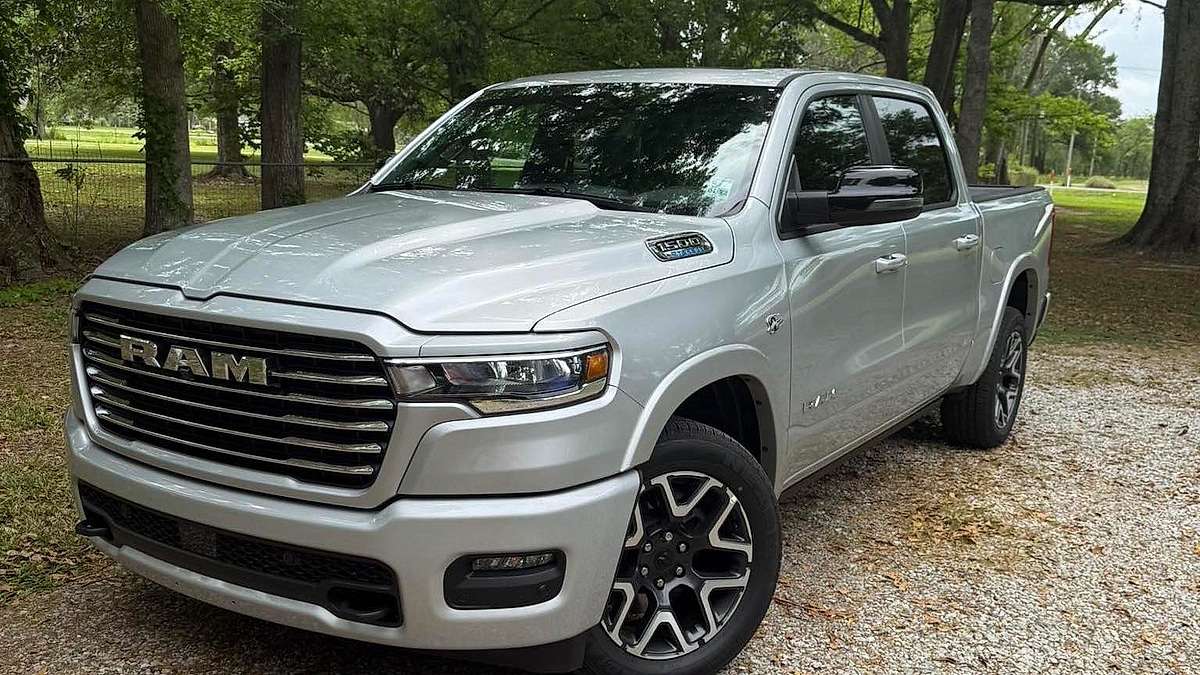
I have spent three decades in the trenches of the automotive industry, and if there is one thing I’ve learned, it is that a truck is only as good as the trust you have in it when you turn the key. Recently, I’ve been digging into a story that is shaking the GMC community to its core. David Tidwell, a former GMC Sierra owner from Louisiana, recently took to the 6th Gen Ram 1500 Facebook page to announce his departure from the GM family. His reason? A litany of mechanical "deal-breakers" that turned his high-efficiency Duramax into a liability.
"I’m back in the Ram family. 2026 Ram 1500. Left for a bit and went with a GMC Sierra Duramax. Great fuel mileage, but issues. Interior quality, ride quality was not there. They don’t even put footwell lights on the SLT-premium. The Duramax engines are imploding with thrust bearing and coolant control valve issues. Don’t ever over fill the fuel tank, drips diesel on the leaf spring rubber bushing causing it to erode and makes terrible sounds. Too much to deal with. I will miss the multi-pro tailgate." - David Tidwell, Louisiana

This account isn't just one man's frustration; it’s a symptom of a broader engineering crisis. In my recent investigation into why the 2025 GMC Sierra 3.0 Duramax failed at just 5,000 miles with a "woodpecker" knock, I noted that the tell-tale P06DD code is becoming a hauntingly familiar sight for owners. As I’ve said before, the 3.0L Duramax arrived with a reputation as one of the more refined options, but these early failures are becoming emotionally loud for the community.
My Take: Who, How, and Why?
To understand this migration to Ram, we have to look at the Who, How, and Why.
- Who is being affected? It isn't just high-mileage towers. Owners like David are seeing failures in nearly new 2025 and early 2026 models.
- How is it failing? The primary culprit is the Crankshaft Thrust Bearing. When this bearing fails, it allows the crankshaft to move axially, effectively "hammering" the engine from the inside out.
- Why is this happening? Expert reports suggest a manufacturing defect in a specific batch of crankshafts. According to technical data from BS Built LLC regarding the LZ0 Thrust Bearing failure, these surfaces cannot withstand repeated high-load events, causing end-play to exceed the specification by nearly three times the allowable limit.
I’ve also tracked instances where the 3.0 Duramax "grenaded" at only 1,000 miles while towing, proving that even under moderate loads, the structural integrity of these units is in question. This brings me to a point I often discuss with my readers: reliability is a binary state; it either works or it’s a paperweight.
Why the 2026 Ram 1500 Wins the "Livability" Test
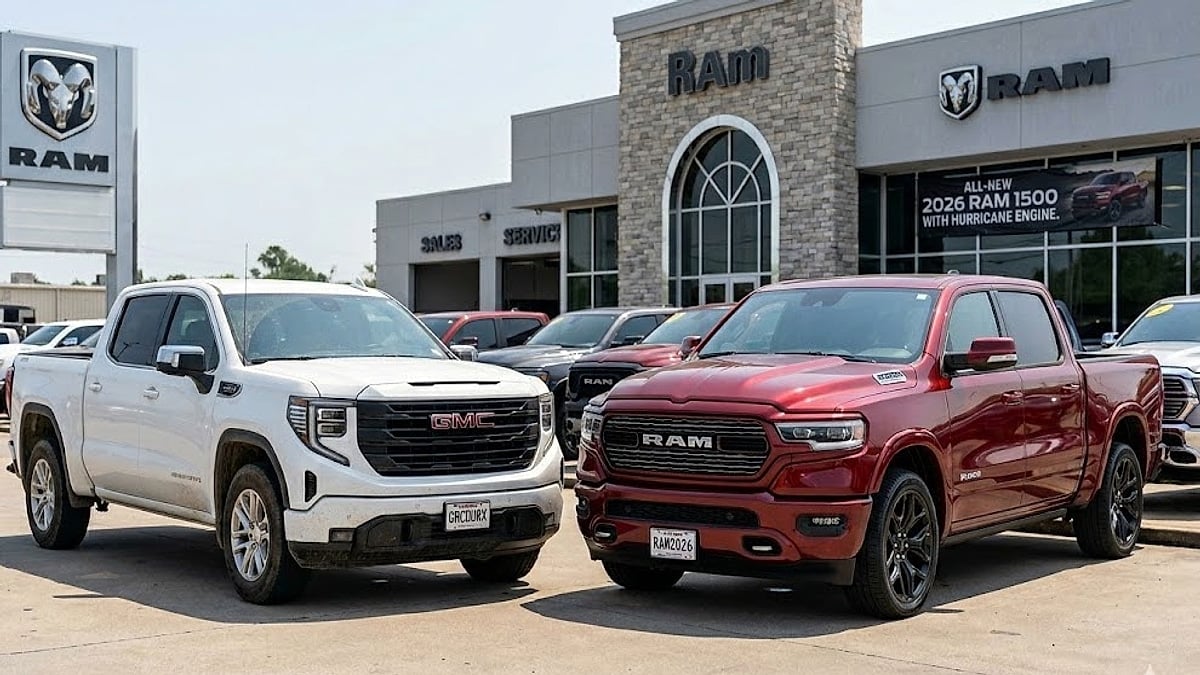
I’ve found that high-mileage satisfaction often depends on what I call the "Serviceability Gap." While the GMC Sierra 3.0L Duramax offers undeniable highway efficiency, the 2026 Ram 1500 addresses two critical areas where GM currently falls short: thermal management and chassis harmonics.
- The Hurricane Advantage: The Ram’s 3.0-liter Hurricane Twin-Turbo I6 utilizes a Plasma Transfer Wire Arc (PTWA) cylinder coating. From my view, this isn't just a buzzword; it significantly reduces internal friction and heat soak, the very issues currently plaguing the Duramax's cooling control valves.
- Ride Frequency Tuning: David Tidwell’s complaint about "ride quality" is supported by Ram's use of frequency-tuned damping shocks. Unlike the Sierra’s traditional leaf spring setup, which, as David noted, is susceptible to bushing erosion from fuel spills, the Ram’s coil-link rear suspension remains isolated from chemical degradation, maintaining its "luxury-car" glide even under load.
Note: If you are cross-shopping these two, look beyond the MSRP. The "Information Gain" here is simple: The Ram 1500 is engineered for the driver’s comfort, while the Sierra Duramax LZ0 is currently engineered for the EPA's fuel economy targets. One prioritizes the journey; the other prioritizes the window sticker.
What You Need To Know
Here is the breakdown of the critical failure points I am currently investigating:
- TSB 25-NA-307: This is the "Big One." It covers 2023–2026, models. If you hear a deep metallic knock from the bellhousing, your engine may be "imploding."
- The Diesel Drip: A fascinatingly specific issue David mentioned involves overfilling the tank. Diesel fuel is a solvent; when it drips onto the leaf spring rubber bushings, it causes premature erosion and a "clunking" or "squeaking" sound that is notoriously difficult to diagnose.
- Coolant Control Valve: This valve is a known weak spot that can trigger "Reduced Engine Power" modes. While it’s an $800 to $3,500 repair depending on the shop, the downtime is the real killer.
- Interior Deficit: At the SLT-Premium trim level, GM has omitted basic features like footwell lighting, a move that feels like a "slap in the face" to owners paying $60,000+ for a truck.
Field Observations from Owner Communities
The "boots on the ground" feedback from Reddit and forums mirrors what I am seeing in my professional reports. In a recent technical discussion on r/Silverado, several owners noted that the P06DD code, often associated with oil pressure, can be the first sign of a dying thrust bearing. You can read the full discussion on the 3.0L Duramax oil leaks and failures here.
Another owner highlighted the frustrating cost of ownership, mentioning that an $8,000 quote for a radiator and coolant control valve repair is becoming a common horror story for those out of warranty. Based on my 30 years of experience, this aligns with how complex modern diesel emissions and cooling systems have become.
Key Takeaways for My Readers
- Check Your End-Play: If you own a 2025 or 2026 LZ0, have a trusted mechanic check the crankshaft end-play before your warranty expires.
- Stop Overfilling: To avoid the "leaf spring squeak" David described, stop at the first click of the diesel pump.
- The Ram Alternative: The 2026 Ram 1500, while lacking a diesel option, offers ride quality many former GMC owners find superior, thanks to its rear coil-spring or air-suspension setups.
- Value the Details: Don't overlook the interior. If footwell lighting and seat comfort matter to you, the Ram 1500 currently leads the segment in "livability."
The Next Question: What replaces the fuel economy of the Duramax?
The logical next question you likely have is: "If I leave the Duramax for a Ram, will I go broke at the pump?" The answer lies in the 2026 Ram 1500 Hurricane Twin-Turbo I6. While it won't match the Duramax's 30 MPG highway, the High Output Hurricane engine offers 540 horsepower and a level of refinement that makes the transition easier. You are trading a few MPG for a massive leap in reliability and interior luxury.
In The End
David’s story is a wake-up call for General Motors. When a loyal owner is willing to walk away from the best-in-class Multi-Pro tailgate just to escape engine anxiety, the "Professional Grade" branding starts to lose its luster. Whether it is the "woodpecker" knock of a failing bearing or the simple frustration of a dark footwell, the details matter. I will continue to investigate these failures and provide you with the actionable advice you need to keep your fleet on the road.
It’s Your Turn: Have you experienced the dreaded P06DD code or a "woodpecker" knock in your 3.0L Duramax? Are you considering making the jump to a Ram or Ford? Tell us what you think and leave a comment in the red "Add new comment" link below.
About The Author
Denis Flierl is a 14-year Senior Reporter at Torque News and a member of the Rocky Mountain Automotive Press (RMAP) with 30+ years of industry experience. Based in Parker, Colorado, Denis leverages the Rockies' high-altitude terrain as a rigorous testing ground to provide "boots-on-the-ground" analysis for readers across the Rocky Mountain region, California EV corridors, the Northeast, Texas truck markets, and Midwest agricultural zones. A former professional test driver and consultant for Ford, GM, Ram, Toyota, and Tesla, he delivers data-backed insights on reliability and market shifts. Denis cuts through the noise to provide national audiences with the real-world reporting today’s landscape demands. Connect with Denis: Find him on LinkedIn, X @DenisFlierl, @WorldsCoolestRides, Facebook, and Instagram.
Photo credit: Denis Flierl via David Tidwell
Set Torque News as Preferred Source on Google
Follow us today...