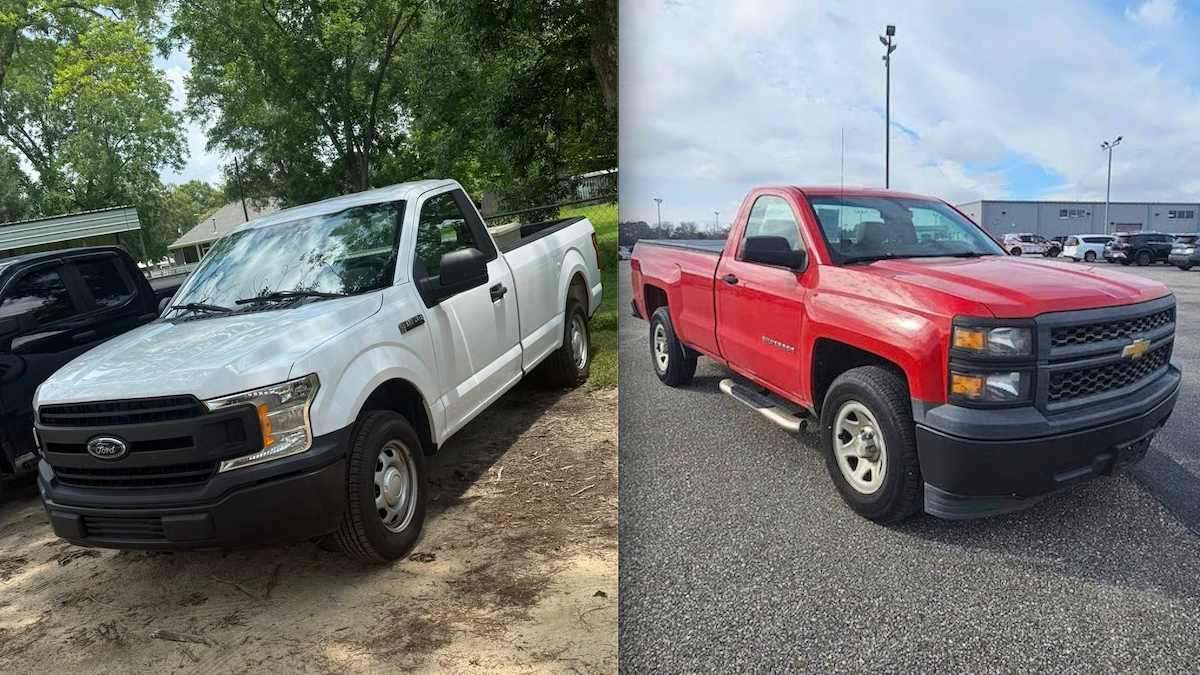

One Ford owner just traded his 2018 F-150 for a 2014 Chevy Silverado “unicorn”, and his reason why might spark a brand war.
Imagine paying monthly for a modern 2018 truck, yet every time you turn the key, you feel dread rather than pride. For Jack Burress, the allure of a newer Ford F-150 vanished when he realized he was settling for a vehicle that didn't spark joy, leading him to hunt down a low-mileage "unicorn" from a previous generation just to find peace of mind.
In a recent post shared in a Facebook community of Ford truck enthusiasts, Jack Burress highlighted shifting preferences among owners who are finding greater value and satisfaction in older pickups than in modern Ford F-150s.
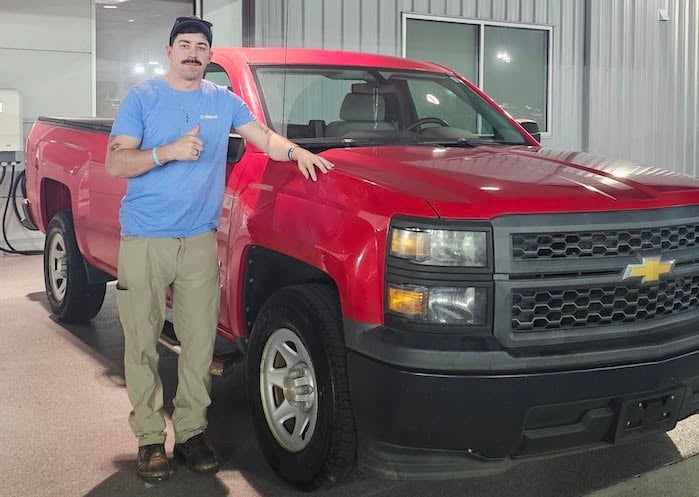
“Well, my time with a 2018 Ford F-150 single cab XL 8-ft bed was short-lived, so I decided to do a trade for this 2014 Chevy Silverado. Another unicorn, a single cab. The previous owner took great care of it, though. It only has 57k miles. It’s what I could afford, but I liked the Chevy Silverado more than the Ford F-150 and want to actually like and enjoy the truck I’m paying for. It’s in better condition and has a lot fewer miles than the F-150.”
“Honestly, I have always liked Chevy better. I needed a vehicle in general when I bought the Ford, and the opportunity kinda just fell in my lap, and I couldn’t turn it down, but I always knew I eventually wanted to move on from it.”
Why This Owner Swapped a Newer Ford for a "Unicorn" Chevy
As a Senior Reporter at Torque News with 30 years in the automotive trenches, I have seen every brand war imaginable. But Jack’s story isn't just about brand loyalty; it's about a growing trend where truck owners are fleeing the complexities of late-model pickups for what they perceive as "simpler" reliability.
Jack’s 2018 F-150 likely featured the 10-speed automatic transmission, which has been under significant scrutiny. Many drivers find that the 10-speed transmission exhibits skipping, lurching, and slamming between gears, especially during cold starts, creating a driving experience that feels far from "Premium." Check out my detailed report on Ford's 10-speed transmission struggles.
The grass isn't always greener, but for a Chevy enthusiast like Jack, the 2014 Silverado represents the "last of a breed" before certain technical headaches became standard. However, it is important to note that the 2014 Silverado was the first year of a new generation for GM, and it wasn't without its own growing pains. Experts have noted that the 2014 Silverado experienced issues such as transmission problems, electrical glitches, and poor interior design, according to some critical long-term reviews. You can read more about these 2014 Silverado consumer ratings here.
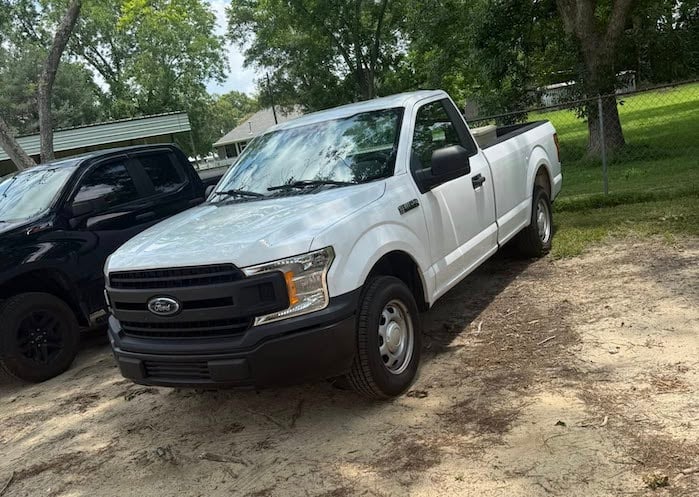
While Jack found a low-mileage gem, many 2018 F-150 owners are dealing with more than just transmission quirks. The 5.0-liter Coyote V8 in that era is notorious for excessive oil consumption, a defect that has led to numerous technical service bulletins and frustrated owners. In my experience, if you are looking at a used 2018-2020 F-150 with the V8, you must ask for service records because oil consumption can be so severe that it can damage catalytic converters. Read my full investigation into the "junk" 5.0-liter engines and transmission leaks here.
On the other side of the fence, the 2014 Chevy Silverado 5.3-liter engine is often praised for its "simplicity to mix with reliability," which is why many owners prefer it over the Ford alternatives. Explore the comparison between the 2014-2018 Ford and Chevy models in this discussion. Yet, even a "unicorn" Silverado requires a watchful eye. The Active Fuel Management (AFM) system in these GM trucks is known for lifter failures that can lead to catastrophic engine damage if the oil isn't changed regularly.
High-Mileage Reliability and Used Truck Market Trends
For those searching for the best used pickup trucks under $25,000 or the most reliable single-cab work trucks, the 2014-2018 window is a sweet spot. Jack’s decision to move to a 2014 model with only 57k miles is a masterclass in value. He avoided the "new truck" depreciation while landing a vehicle that likely hasn't seen the heavy wear of a 100k-mile workhorse. When you look at Ford F-150 vs Chevy Silverado reliability ratings, the numbers often trade blows, but the "feel" of the truck, how it shifts, and how the interior holds up, often dictates the trade-in decision.
Key Takeaways for Truck Buyers
- Mileage Trumps Age: A well-maintained 2014 truck with 57k miles is almost always a better bet than a neglected 2018 with 120k miles.
- Verify the Powertrain: If buying a 2018-2020 F-150, check for oil consumption tests; if buying a 2014+ Silverado, listen for lifter tick.
- The "Unicorn" Strategy: Single-cab, short-bed, or low-mileage older trucks hold their value exceptionally well due to their scarcity.
- Emotional ROI: Don't pay for a truck you don't like. If you have "brand heart," the rival brand's mechanical quirks will only frustrate you more.
What Ford F-150/Chevy Silverado Owners Are Saying
The debate online is as heated as ever. One Reddit user noted the severity of the situation with the F-150's newer 10-speed, stating, "The ten speed transmission shifts awful. The downshifts are super harsh coming to a stop," which you can read in the full discussion here.
Another owner highlighted the shift in brand perception, mentioning, "But in my experience, Silverados do tend to be more reliable and stay on the road longer," found in this Reddit thread.
Back To The Future?
Jack’s move from a 2018 Ford to a 2014 Chevy proves that the "newest" truck isn't always the "best" truck for every owner. By prioritizing a low-mileage "unicorn" and returning to a brand he truly enjoys, he has turned a stressful financial obligation back into a source of pride. In the world of high-stakes truck ownership, sometimes going back in time is the only way to move forward.
Tell Us What You Think: Have you ever traded a newer vehicle for an older one just to get back the reliability or brand feel you missed? Click the red link below to write your comment and join the community in sharing experiences.
Next Up: I recently covered another shocking switch in my report: I Ditched My 2021 Ford F-150 For This Toyota Tundra, Now All My F-150 Repair Problems Are Fixed Forever.
Denis Flierl is a Senior Reporter at Torque News with over 30 years of hands-on experience in the automotive industry. Having served as a professional test driver and industry consultant for major automakers such as Chevrolet, Ford, Toyota, Honda, and Tesla, Denis provides a "boots-on-the-ground" perspective that goes beyond standard reporting. Since joining Torque News in 2012, he has specialized in cutting through market noise to deliver data-backed analysis and real-world owner stories. His work focuses on navigating the transition to EVs and the shifting automotive market.
Have a tip or question for Denis? > Engage with him directly on LinkedIn for industry analysis, or follow his latest updates on X @DenisFlierl and @WorldsCoolestRides. You can also find his latest car features on Facebook and Instagram.
Photo credit: Denis Flierl via Jack Burress
Set Torque News as Preferred Source on Google
Follow us today...