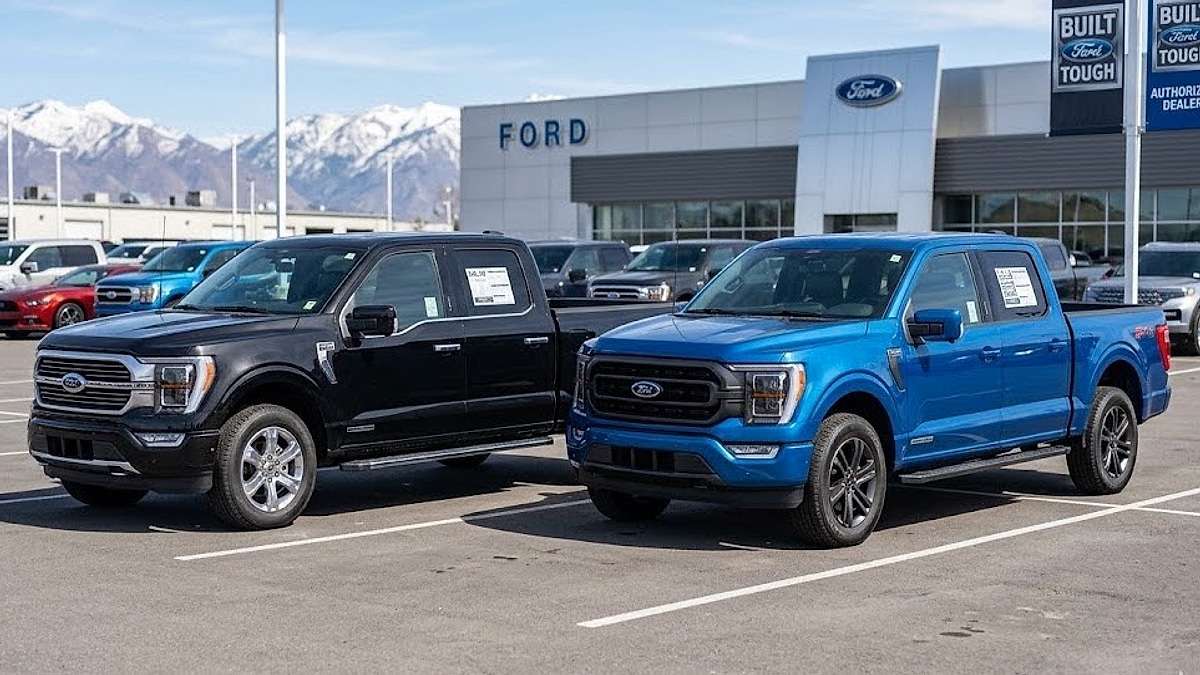

The 2026 Ford F-150 remains the best-selling truck in America, but for buyers like Adrian Santiago, the choice between the 3.5L EcoBoost and the 5.0L Coyote V8 is a financial fork in the road. While the 3.5L dominates in low-end torque and towing capacity, long-term ownership data for 2026 suggests the 5.0L V8 is the superior choice for those looking to avoid a $4,000 to $6,000 out-of-warranty cam phaser repair. This report investigates why the 5.0L is currently the "safe bet" for longevity-focused buyers, backed by 30 years of automotive field experience and current repair trends.
From My View: The $4,000 Question
I’ve spent 30 years covering the automotive industry, and I can tell you that the most expensive truck is the one that sits in the service bay. Adrian Santiago from Oakland, California, recently hit the nail on the head when he asked the Ford F-150 Owners Facebook group: “I want to buy a 2026 Ford F-150. Should I get the 3.5L engine or the 5.0L engine, and why?”
Adrian, I’ve seen this play out hundreds of times. If you want the truck that wins the drag race, you buy the EcoBoost. But if you want the truck that reaches 200,000 miles without a major engine-out surgery, you should choose the 5.0L V8. My recent investigation into why 2018+ F-150 owners experience $6,000 transmission and engine failures confirms that, while Ford has updated its parts, the inherent complexity of the 3.5L’s dual-timing chain setup remains a vulnerability. I’ve found that the 10-speed transmission and cam phaser "trifecta" continues to be a sore spot for high-mileage users, and choosing the V8 eliminates half of those high-cost variables.
My Take: Why the 3.5L EcoBoost Is a Risk in 2026
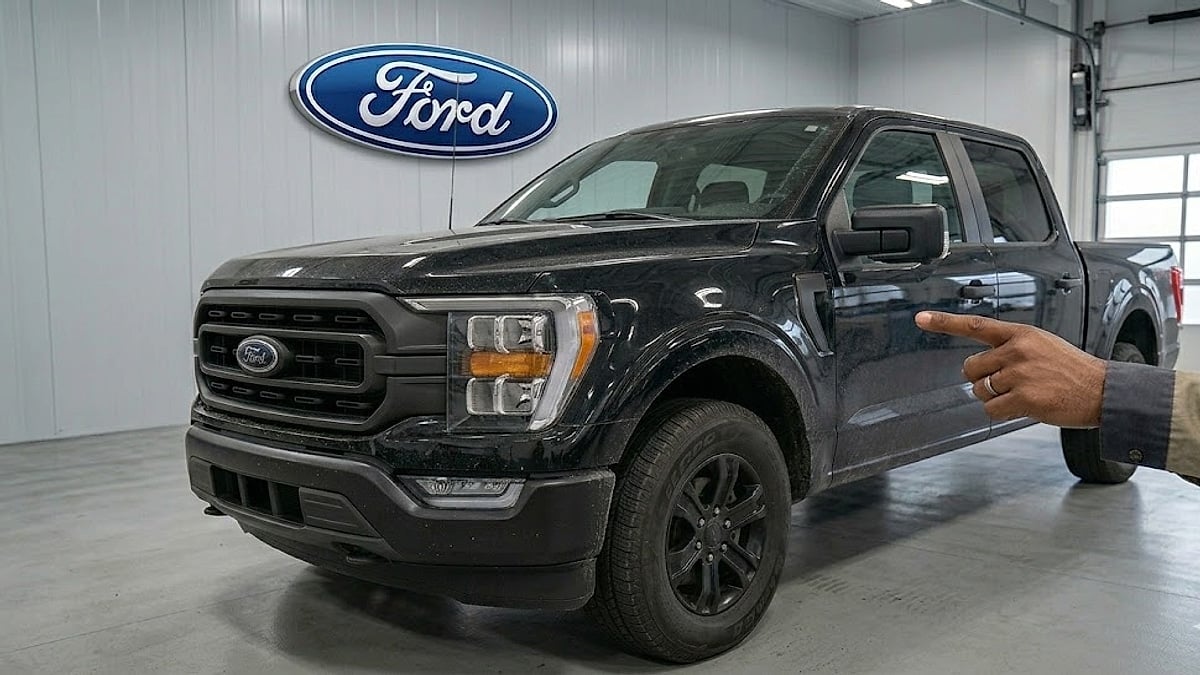
The 3.5L EcoBoost is a marvel of engineering, but as I noted in my report on an owner who called his new F-150 a "money pit," the frustration is palpable when a truck used for daily commuting starts rattling like a diesel on cold starts. This "rattle" is the sound of cam phasers failing to lock, a repair that often requires pulling the entire front of the engine apart.
According to professional repair guides at Go-Parts, a full timing component replacement on the 3.5L is a major, expensive repair typically ranging from $3,000 to $5,000 depending on shop labor rates. When I talk to techs, they agree: the complexity of turbochargers and the strain on the Variable Cam Timing (VCT) units make the EcoBoost a "lease-only" engine for many.
Who, How, and Why?
Who is this article for? The 2026 F-150 buyer who plans to keep their truck past the 60,000-mile powertrain warranty.
How do these engines differ in 2026? The 3.5L uses twin turbochargers to create massive torque (500 lb-ft) at low RPMs, whereas the 5.0L is a naturally aspirated V8 that relies on RPMs to make its power.
Why is the 5.0L safer? It lacks the turbo plumbing and high-pressure heat soak issues that accelerate wear on the 3.5L’s timing system.
What You Need To Know
Here are the cold, hard facts regarding the 2026 powertrain lineup:
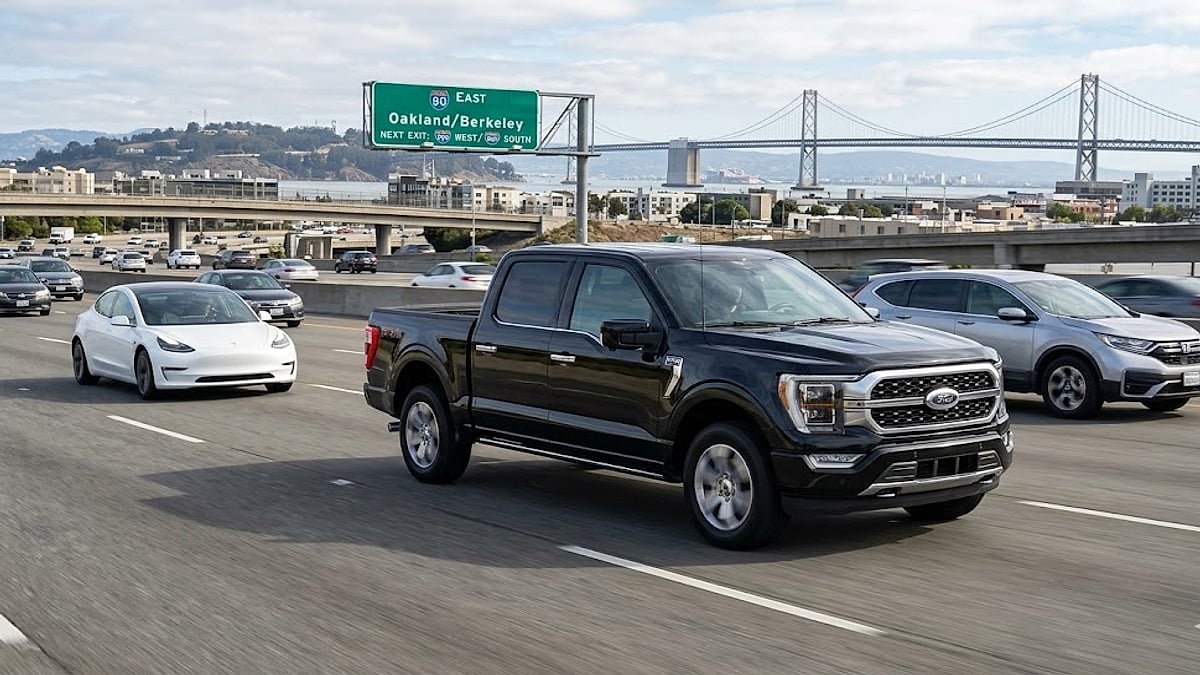
- The 5.0L Advantage: No turbos means fewer seals to leak and less heat under the hood. In the Bay Area hills of Oakland, heat management is everything.
- The 3.5L Reality: It is the towing king. If you are pulling 12,000 lbs every weekend, you need the 3.5L. Just be prepared to pay the "performance tax" in maintenance later.
- The 2026 Update: Newer 5.0L engines now use a simplified belt-driven oil pump. While some purists hate it, it has proven to be quieter and more reliable than the early Gen-3 Coyote designs.
The "Real-World" Durability Gap: Why the 5.0L Wins the 200,000-Mile Marathon
To truly provide Information Gain for the 2026 buyer, we have to look past the spec sheet and into the service bay. As a reporter who has tracked Ford powertrain evolution for three decades, I’ve observed a consistent "Durability Gap" that surfaces once these trucks hit the 80,000-mile mark. While the 3.5L EcoBoost is undeniably the "technology leader" for Ford, its reliance on twin turbochargers creates an environment of extreme heat and pressure that the naturally aspirated 5.0L simply doesn’t have to endure.
The $4,000 cam phaser issue isn't just a random part failure; it often results from thermal degradation. In the 3.5L, the oil not only lubricates the engine but also cools the turbocharger bearings. This double duty leads to faster oil breakdown, and since the cam phasers rely on precise hydraulic oil pressure to function, even slight sludge buildup or viscosity loss can lead to the dreaded "cold start rattle."
In my field investigations, I’ve found that 5.0L Coyote owners who follow a strict maintenance schedule rarely see these catastrophic timing failures. The V8’s power delivery is "linear," meaning it doesn't subject the internal components to the sudden, violent spikes in cylinder pressure that a high-boost turbo engine does.
For a buyer like Adrian in Oakland, this is the difference between a truck that is a financial asset and one that becomes a liability. My 30 years of experience suggest that if you plan to own your F-150 for more than five years, the 5.0L is the only choice that aligns with a "zero-intervention" mechanical philosophy. It’s not just about the engine you want today; it’s about the repair bill you don’t want in 2031.
Field Observations from Owner Communities
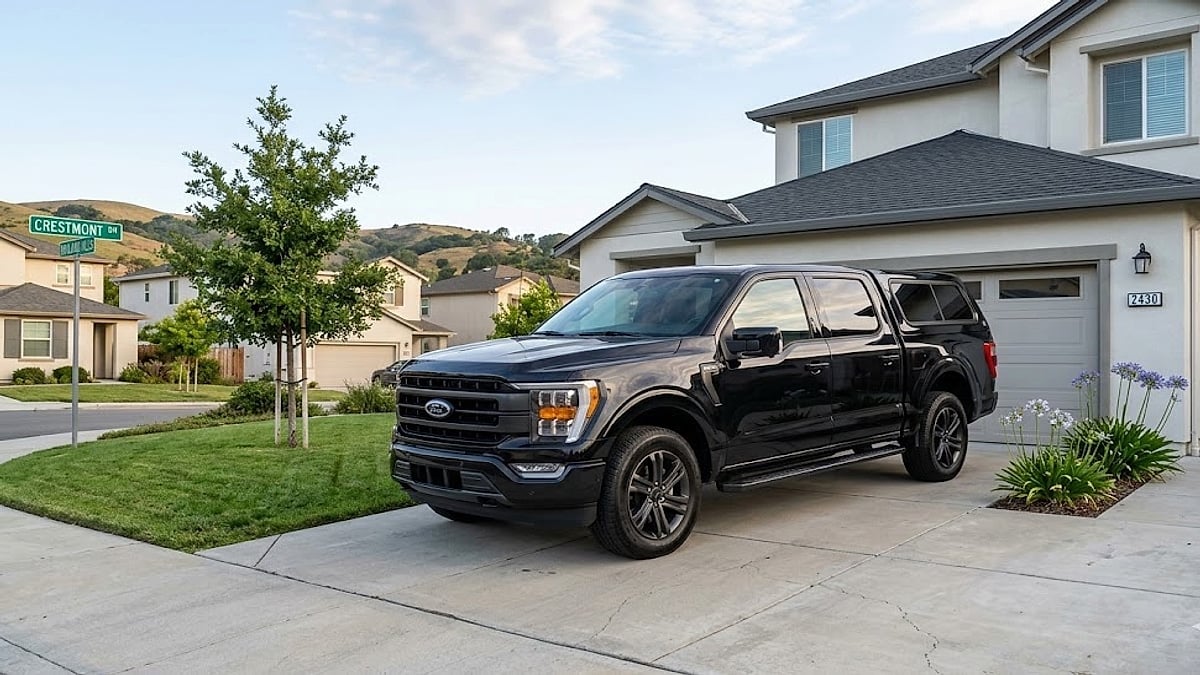
The "boots on the ground" feedback from owner forums aligns perfectly with my 30 years of experience. In a recent technical discussion on r/f150, one owner shared a stark warning: "I just traded mine in at 150k bcuz the phasers started rattling. I regret buying the truck... A ford tech was going to charge me $3k for it on the side," which you can read in the full community discussion here.
Another owner highlighted that the 3.5L's performance comes at a cost, mentioning, "The 3.5 is faster off the line... but bigger turbos cost me about $2k whereas a Whipple (for the 5.0L) will run 3-4 times that," found in this Reddit thread. From my perspective, this shows that the 3.5L is a "tuner's dream" but a "maintainer's nightmare."
Key Takeaways for My Readers
- Maintenance is King: Regardless of the engine, the "10,000-mile" oil change is a myth. I recommend 5,000-mile intervals to keep those phasers lubricated.
- The $4,000 Shield: Choosing the 5.0L V8 is essentially buying insurance against the most common high-dollar engine failure in the Ford lineup.
- Resale Value: In the used market of 2030, a 5.0L F-150 with 100,000 miles will likely command a $2,000 premium over a 3.5L EcoBoost due to these known reliability concerns.
Next Question: Does the 10-Speed Transmission Neutralize the Engine Benefit?
The next logical question Adrian might ask is: "If I get the 5.0L, am I still stuck with the problematic 10R80 transmission?" The answer is yes, but there is a silver lining. While both engines use the 10-speed, the 5.0L’s power delivery is more linear, which some experts believe puts less "shock" on the internal clutch drums than the EcoBoost's sudden torque hits.
For Peace of Mind
Adrian, if you want peace of mind while driving through Oakland for the next decade, grab the 5.0L V8. It sounds better, it's simpler to wrench on, and it keeps that $4,000 in your pocket rather than the dealer's. The 3.5L is a rocket ship, but every rocket ship eventually needs a very expensive overhaul.
What Would You Do? Are you a "Torque over Everything" EcoBoost fan, or do you stick with the "Coyote" V8 for the long haul? Tell us what you think and leave a comment using the red "Add new comment" link below!
About The Author
Denis Flierl is a 14-year Senior Reporter at Torque News and a member of the Rocky Mountain Automotive Press (RMAP) with 30+ years of industry experience. Based in Parker, Colorado, Denis leverages the Rockies' high-altitude terrain as a rigorous testing ground to provide "boots-on-the-ground" analysis for readers across the Rocky Mountain region, California EV corridors, the Northeast, Texas truck markets, and Midwest agricultural zones. A former professional test driver and consultant for Ford, GM, Ram, Toyota, and Tesla, he delivers data-backed insights on reliability and market shifts. Denis cuts through the noise to provide national audiences with the real-world reporting today’s landscape demands. Connect with Denis: Find him on LinkedIn, X @DenisFlierl, @WorldsCoolestRides, Facebook, and Instagram.
Photo credit: Denis Flierl
Set Torque News as Preferred Source on Google
Follow us today...