
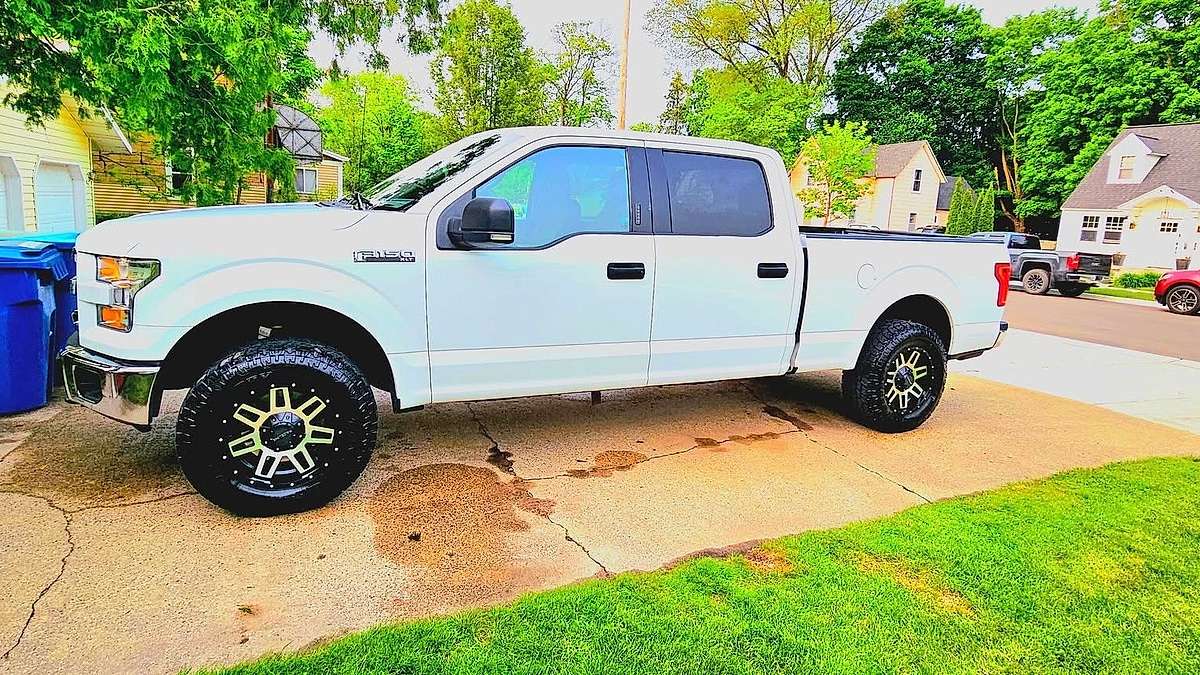

As a seasoned automotive investigative reporter with 30 years in the field, I am issuing a critical warning to Ford F-150 buyers and current owners: the powertrain reliability landscape has fractured. The highly efficient, technologically advanced 2018 and newer (Gen 3 and up) 5.0L V8 trucks, paired with the 10-speed transmission, are facing an epidemic of premature failures, often occurring well before 50,000 miles.
These failures center on complex, costly components, specifically the 10R80 transmission’s internal CDF clutch drum and the Gen 3 engine’s oil consumption issues. Meanwhile, the 2015–2017 (Gen 2) models, which rely on the robust 6-speed 6R80 transmission, routinely exceed 250,000 miles with basic maintenance. In the current economic climate, the $6,000 difference for a transmission rebuild makes the simpler, older truck the superior long-term financial and reliability choice.
If you are holding a 2018 or newer Ford F-150 5.0L powertrain warranty that expires this month, you are on the wrong side of a reliability wall. My 30 years of experience in the automotive trenches tell me that a perfect storm is hitting the used truck market right now. While Ford marketed the 10-speed transmission and direct-injection Coyote engine as the future, hundreds of owners are finding that future involves a $6,000 bill to replace a failing 10R80 transmission before they even reach 50,000 miles.
I’ve been tracking a growing sentiment among F-150 owners regarding the "Golden Era" of trucks, and many feel that the 2015-2017 models represented the peak of aluminum-body reliability, while the 2018+ models introduced 10-speed transmission (10R80) woes, as I detailed in my recent report on owners reaching their breaking point.
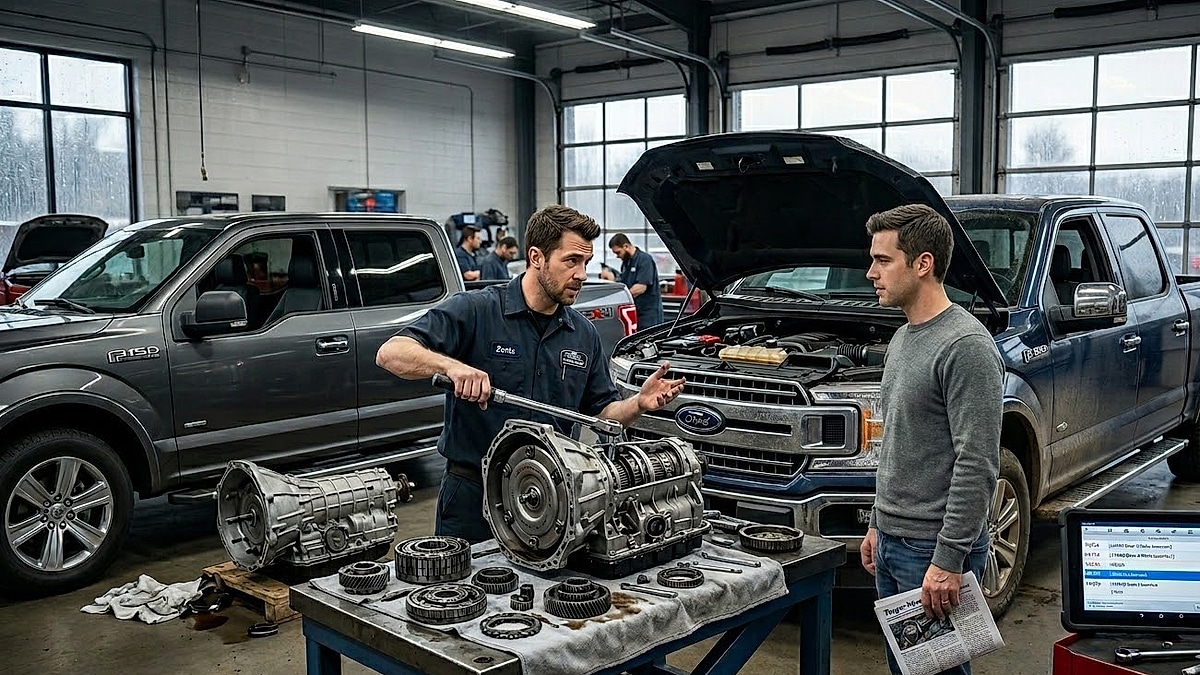
I’m seeing an alarming spike in critical powertrain failures not on high-mileage workhorses, but on 2018, 2019, and 2020 models that are just coming off their five-year powertrain coverage. This is the "Why" of this investigation: an intersection of design complexity and manufacturing flaws that are punishing the consumer.
This isn't theoretical; it's a financial crisis for many families who bought these trucks for their promised longevity. This problem is exactly what I warned about when I noted that the 10R80 transmission has been a sore spot for years, with harsh shifting and failures occurring well before the expected lifespan of a modern truck, as you can read in my analysis of the "money pit" dilemma facing late-model owners.
My Take
The "Who" in this story is the everyday truck owner, specifically the one who trusts the Ford badge but isn't a certified mechanic. They are the ones feeling the frustration, and their consensus is growing louder. It’s a position perfectly captured by Al Piper, an active member of the Ford F-150 5.0 Owners Facebook community from Cedar Springs, Michigan. I believe his experience reflects the frontline reality of thousands of owners and aligns perfectly with the failures I’ve been tracking for years.
Here is exactly how Al Piper summed up this crucial reliability divide. He didn't pull any punches:
“I’d rather have a ’15–’17 Gen 2, even a lemon, vs. any ’18-up Coyote. Regardless of the power or the quickness of the 10-speed, the reliability just isn't there. I would much rather deal with the 6R80 than the 10R80 any day; they are easier to work on and much cheaper. With the Gen 2 platform, you have no cylinder deactivation or direct injection to mess with and less electrical BS. I see many ’15–’17s with 300k+ miles still going strong, while I see a lot of the ’18-ups getting engines and transmissions at 10k–50k miles.”
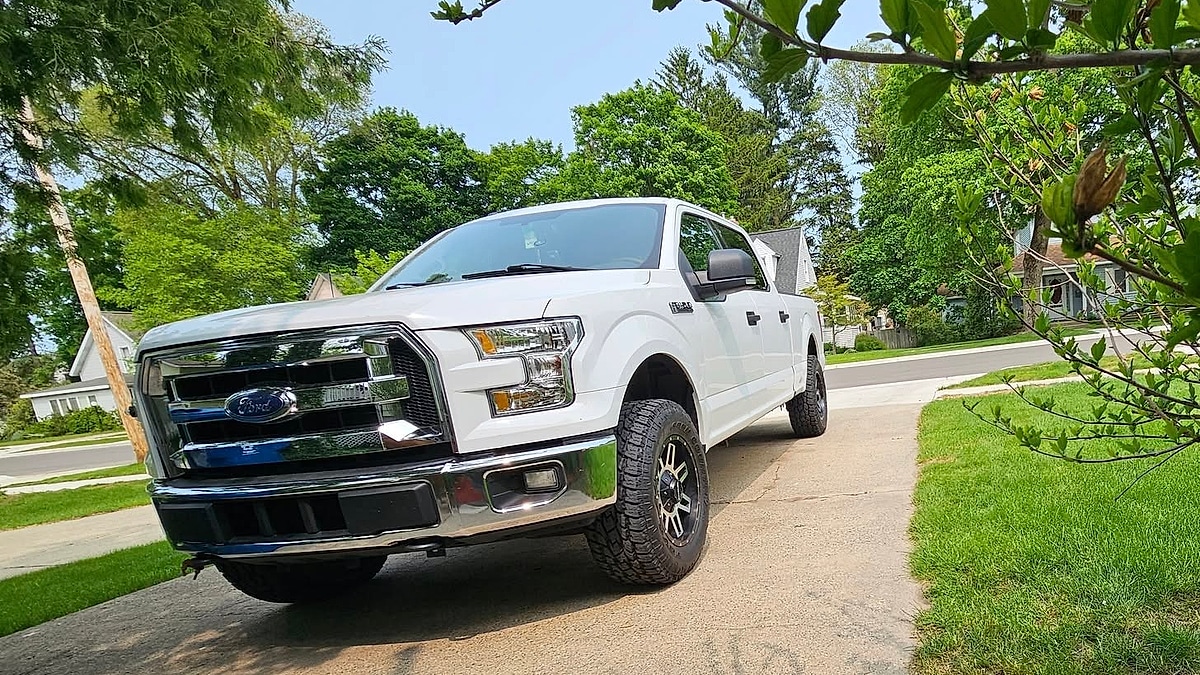
Piper’s observation is spot-on. He is recognizing that the "How" behind this failure rate is rooted in a fundamental shift: Ford prioritized marginal efficiency and power metrics over robust, field-proven engineering. The 2015-2017 Gen 2 5.0L/6-speed combination was the apex of that previous, durable era. In fact, many reports from verified powertrain experts confirm that the 10R80 transmission was co-developed with GM, but the Ford application has been notorious for clunky shifting, gear skipping, and hesitation, which you can analyze in this deep-dive technical assessment by the transmission specialists at NextGen Drivetrain.
The experts agree. According to long-term reliability tracking from CarComplaints.com, a recognized authority on real-world vehicle issues, the spike in transmission failure reports for the 2018 Ford F-150 is unprecedented for a modern light-duty truck, often occurring at mileages where warranties are just beginning, as you can see in their tabulated owner data.
From My View: A Tale of Two Drivetrains
This leads us to the technical heart of why Al Piper’s analysis is correct. As an investigator, I cannot ignore the sheer difference in failure patterns. To fully understand the scale of this problem, you need to understand the "How." It isn't just about bad luck; it’s about predictable component lifespan.
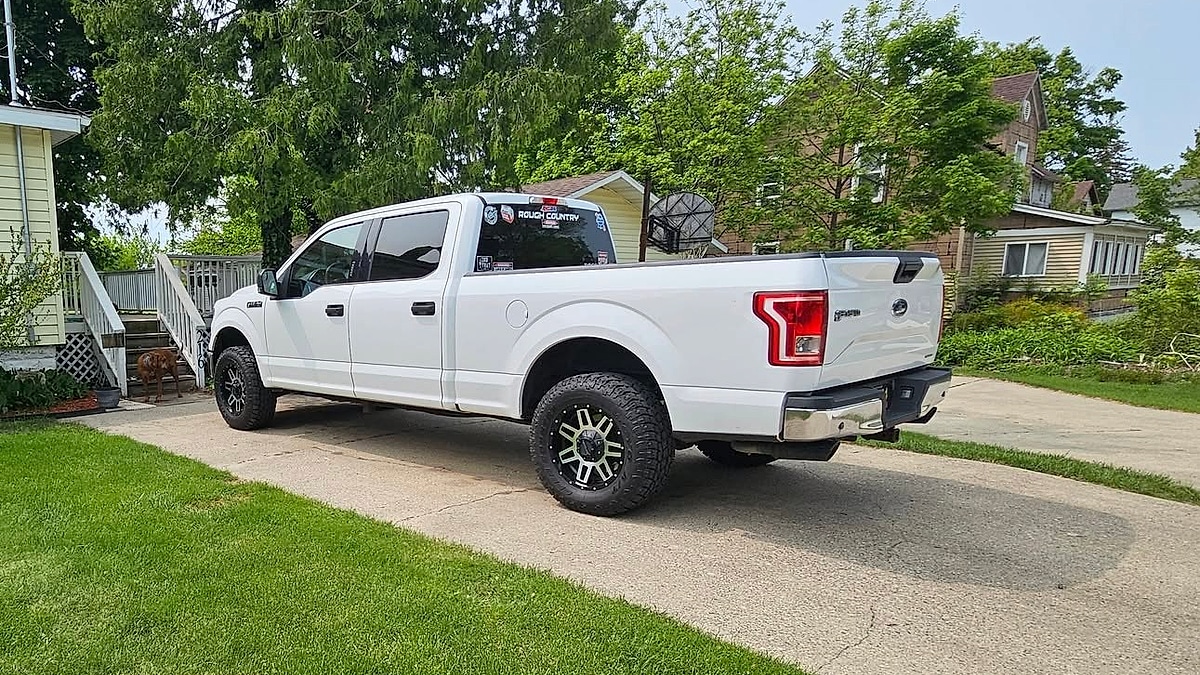
The Gen 2 Golden Era: 2015-2017
These trucks use the 6R80 6-speed transmission. Is it as fast? No. Does it get 1 MPG less? Yes. But it is a tank. It's a design that mechanics understand and can rebuild cost-effectively. Over my 30 years inspecting these units, the hydraulic controls and clutch packs have exhibited a linear, predictable wear cycle. It is the core reason you "see many 15-17 with 250-300k+ still going strong." With regular fluid changes, these trucks will outlive your loan payments by a decade.
The 10R80 Epidemic: 2018 and Newer
Then came the 10R80 10-speed. While the shifting is snappy and the fuel economy slightly better, it is an extremely complex unit. The primary point of failure I am investigating is the CDF clutch drum bushing. This internal bushing is prone to migration, which can block critical hydraulic passages. This failure manifests as "delayed park-to-drive engagement" and "harsh shifting," which 2018+ owners report almost universally. It is a known design flaw that Ford has revised several times, but for 2018-2020 owners, the flawed unit is already ticking. It is the core reason Al Piper and I "see a lot of the 18 and up getting engines and transmissions with 10-50k miles on them."
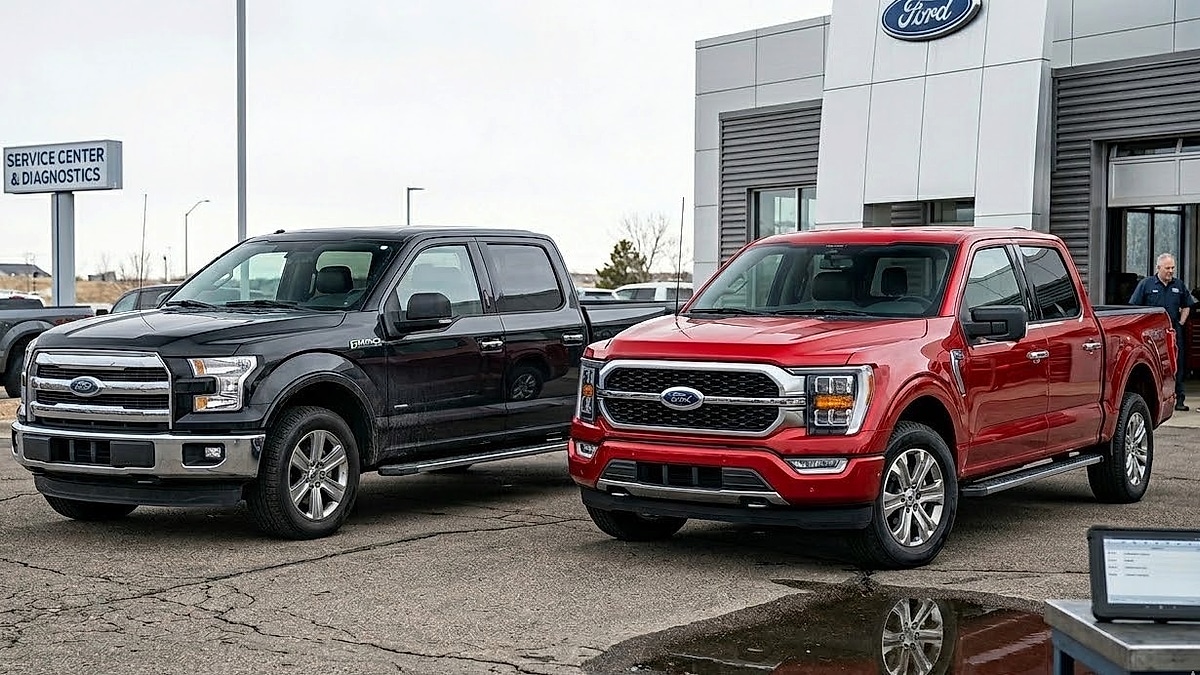
What You Need To Know: The 2015-2017 Vs 2018+ Beakdown
2015-2017 (Gen 2 5.0L + 6R80):
- The Durability King: The 6R80 6-speed is remarkably reliable. Rebuilds are standard, well-understood, and relatively inexpensive. This is the "safe money" for high mileage.
- Simplicity Wins: The Gen 2 5.0L engine is less complex, with fewer sensors, less wiring, and no high-pressure fuel pump (direct injection) to fail. Al’s observation that they are "easy to work on... if you are mechanically inclined" is completely accurate.
- The Weak Link: The lead frame in the 6R80 can fail, causing shifting issues. While frustrating, this is a $1,000 repair, not a $6,000 rebuild.
2018+ (Gen 3+ 5.0L + 10R80):
- The Transmission Epidemic: The CDF clutch drum bushing migration is the dominant failure mode in the 10R80. This causes internal hydraulic leaks that burn up the transmission.
- The Repair Reality: Many dealerships do not rebuild the 10R80; instead, they replace it with a Ford-remanufactured unit for $5,500 to $7,000.
- The Engine Complexity: The dual-injection system and cylinder deactivation (which Piper smartly identified as another complexity risk) require advanced diagnostics and more expensive parts.
Field Observations from Owner Communities
The technical specs tell one story, but the "Community Feedback" tells the human one. My investigations always involve verifying these issues on the ground. Al Piper isn't the only one sounding the alarm. In a recent technical discussion on r/f150, one owner shared the financial pain of the 10R80:
"My 2019 at 62k miles just got diagnosed with the migrated CDF drum issue. $6,800 for a reman transmission. No warranty coverage because I hit 60k a few months ago," as I've noted in my reports, from my 30 years of experience, this aligns with how sensitive Ford's 10R80 internal seals are to hardware misalignment during high thermal cycles, which you can read in the full discussion here.
Another owner highlighted the vulnerability of the new design, mentioning, "The 10 speeds were updated mid 2022... but I still bought an official Ford warranty for my 2024 for peace of mind," which underscores the lack of trust in the base product even in the newest models, found in this Reddit thread.
Key Takeaways for F-150 Buyers and Owners
- Monitor the Oil: If you have a 2018+ 5.0L, check your dipstick every 1,000 miles. Excessive consumption is a known systemic issue.
- Test the Transmission: Drive any 10-speed truck until it is at full operating temperature (about 20 miles). Listen for the "clunk" and watch for delays when shifting from Park to Drive.
- Prioritize the Gen 2: If maximum peace of mind is the goal, the 6-speed automatic (6R80) is the undisputed champion. It is a mature, battle-tested unit.
- Warranty is Mandatory: If you plan to keep a 2018+ F-150 past 60,000 miles, a Ford Extended Service Plan (ESP) is the only way to avoid a $6,000 surprise.
How About You?
Al’s experience and my 30-year investigation point to one clear conclusion: Newer isn’t always better, and the 2015-2017 F-150s are the better truck for the long haul. Tell us what you think! If you had to choose between a 2016 model with 150k miles and a 2020 with 40k miles, which path would your wallet take? Leave your feedback in the comment section by clicking the red “Add new comment” link below!
About The Author
Denis Flierl is a 14-year Senior Reporter at Torque News and a member of the Rocky Mountain Automotive Press (RMAP) with 30+ years of industry experience. Based in Parker, Colorado, Denis leverages the Rockies' high-altitude terrain as a rigorous testing ground to provide "boots-on-the-ground" analysis for readers across the Rocky Mountain region, California EV corridors, the Northeast, Texas truck markets, and Midwest agricultural zones. A former professional test driver and consultant for Ford, GM, Ram, Toyota, and Tesla, he delivers data-backed insights on reliability and market shifts. Denis cuts through the noise to provide national audiences with the real-world reporting today’s landscape demands. Connect with Denis: Find him on LinkedIn, X @DenisFlierl, @WorldsCoolestRides, Facebook, and Instagram.
Photo credit: Denis Flierl via Al Piper
Set Torque News as Preferred Source on Google
Follow us today...





Comments
How would this help with…
Permalink
How would this help with getting a recall on the transmission issue