
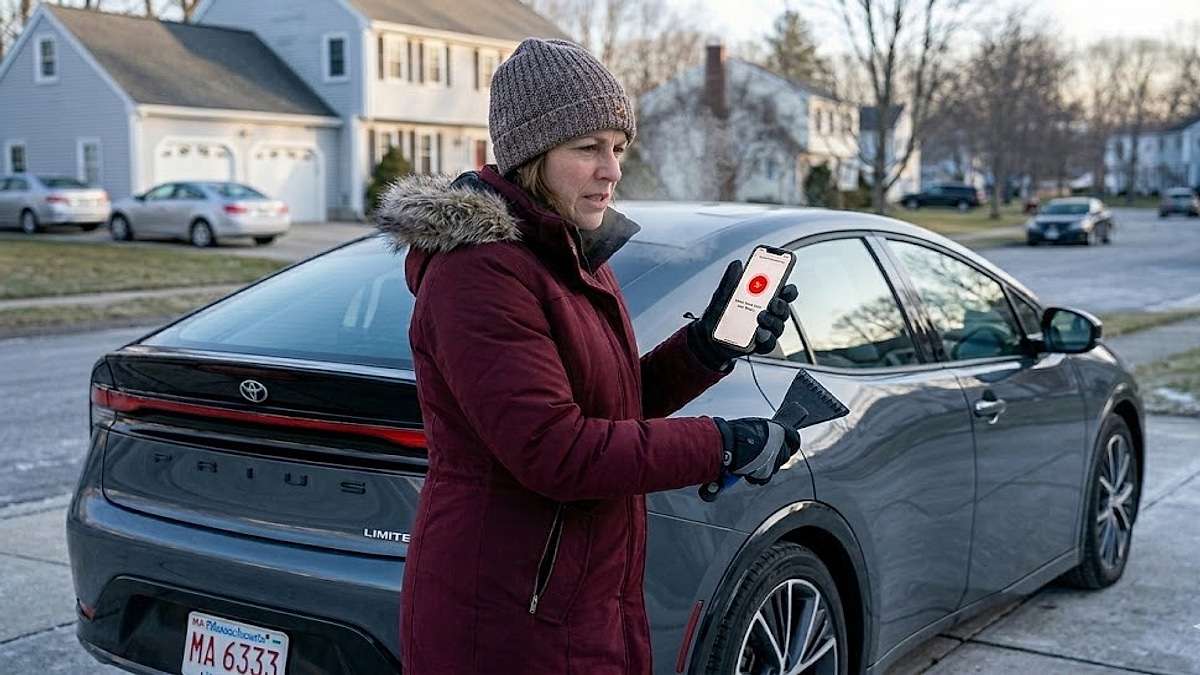

The 2026 Toyota Prius, specifically the 5th Generation Prime (PHEV) and Hybrid models, is facing significant winter reliability hurdles regarding its factory remote start system. Owners in cold-climate regions like the Northeast report that the Toyota App, a subscription-based service, frequently fails to initiate cabin pre-conditioning when temperatures drop below -15°C (5°F).
My investigation reveals a "perfect storm" of technical limitations: a small 12V auxiliary battery prone to parasitic drain, a heat pump that struggles in extreme cold, and a telematic control module that refuses to handshake with the internal combustion engine (ICE) if specific EV-only parameters aren't met. As a result, savvy owners are now bypassing the manufacturer's ecosystem entirely, opting for $500 aftermarket solutions like Viper or Compustar that offer a 3,000-foot range and reliable engine ignition without a monthly fee.
From My View: A $35,000 "Toasty" Promise Left Out in the Cold
I’ve spent 30 years in the automotive trenches, and I’ve seen my share of "tech-first" features fail the real-world test, but this one hits home because it involves a car I genuinely respect. The 2026 Toyota Prius is a marvel of fuel efficiency, yet for owners like Laura Cinque in Massachusetts, that efficiency is currently coming at the cost of frozen fingers and burned time.
Laura’s story is one I’m hearing more often: she was promised a "toasty warm car" via a smartphone app that worked "anywhere in the world." Instead, she spent the winter of 2025–2026 scraping ice off a brand-new $35,000+ vehicle while her dealership and Toyota Connected Services "ping-ponged" her back and forth.
Laura shares her story on the Toyota Prius 5th Gen Club Facebook page. She says, "I bought my 2026 Toyota Prius Limited four months ago after being assured the app would remote start it from 'anywhere in the world.' Instead, I’ve spent the winter scraping ice in record cold because the system refuses to work. I’ve been ping-ponged between the dealer and Toyota Connected Services for months with no resolution. Toyota makes remote starting way too complicated with a long litany of requirements; I’ve now asked them to reimburse me for a Viper aftermarket starter that actually works from 3,000 feet away. They need to make this right."
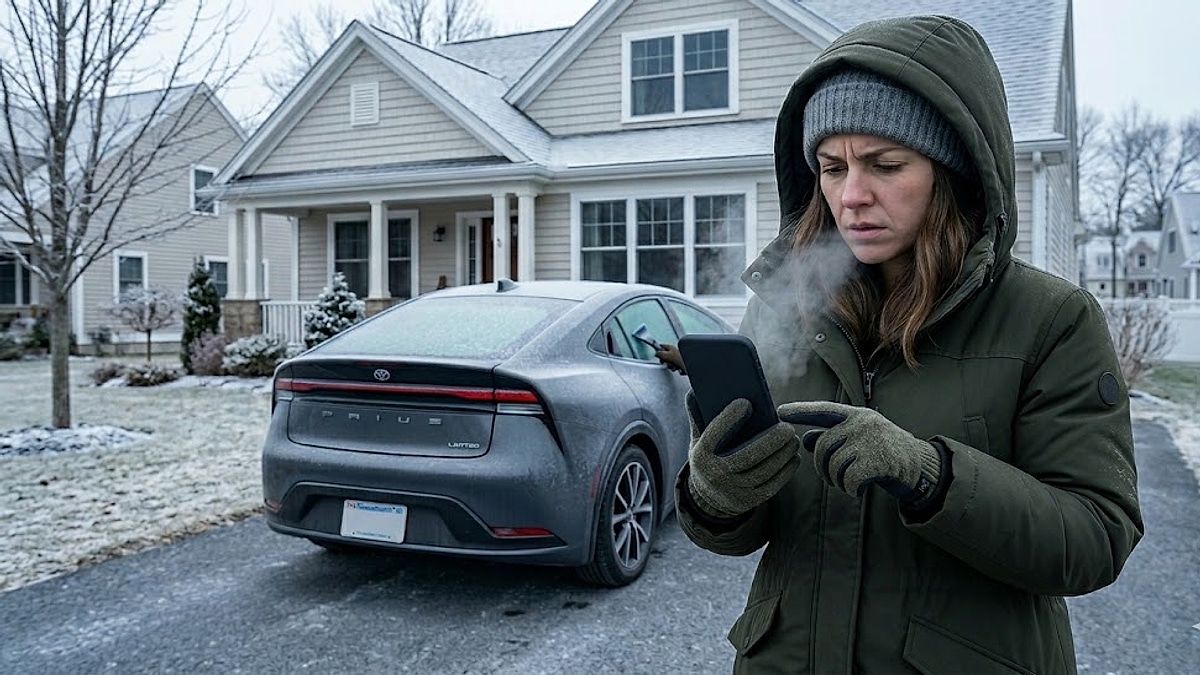
As I've noted in my previous reports, 2026 Toyota Prius Owners Are Flagging a Strange Buzzing Noise, the manufacturer is already under heightened scrutiny for quality-control issues ranging from cooling-fan failures to faulty door switches. Integrating this remote start failure into the conversation, it’s clear that the "Who" in this situation is the frustrated cold-weather commuter, the "How" is a software-lockout triggered by ambient sensors, and the "Why" is a design philosophy that prioritizes EV-only operation even when the technology is physically incapable of heating the car in a New England freeze.
In my view, the core issue is that Toyota’s factory remote start is an "EV-first" system. On the Prius Prime, if the car is plugged in and it's too cold for the heat pump to function, the system often refuses to start the gasoline engine to generate heat. As I discussed in my coverage of how a 2009 Honda Civic is jump-starting Toyota Prius 12V Batteries, the smaller auxiliary battery in these new models is already struggling to maintain voltage amid the constant pings of the Toyota App, making the system literally too "smart" for its own good.
My Take: The $15 Monthly Fee vs. The $500 Permanent Fix
I’m going to be honest with you: if you’re paying for a subscription to start your car, it should work 100% of the time. According to official manufacturer communications listed by the NHTSA (ID 10214347), Toyota’s Remote Connect can fail if a long list of preconditions, such as doors locked, hood closed, and gas tank above a quarter, aren't met. While these are safety features, they become roadblocks when the "Remote Engine Starter ECU Communication Stop" (Code B126A) occurs simply because the car is in a deep freeze.
I find it unacceptable that a customer has to "beg" for a glowing review while the product fails to perform its most basic winter task. Laura’s request that Toyota reimburse her for an aftermarket Viper starter isn't just a "complaint"; it’s a logical solution to a documented engineering oversight. Experts at RepairPal have noted that while the factory system is integrated into the vehicle’s security system, its reliance on cellular signals and 12V battery health makes it a "weakest link" in winter.
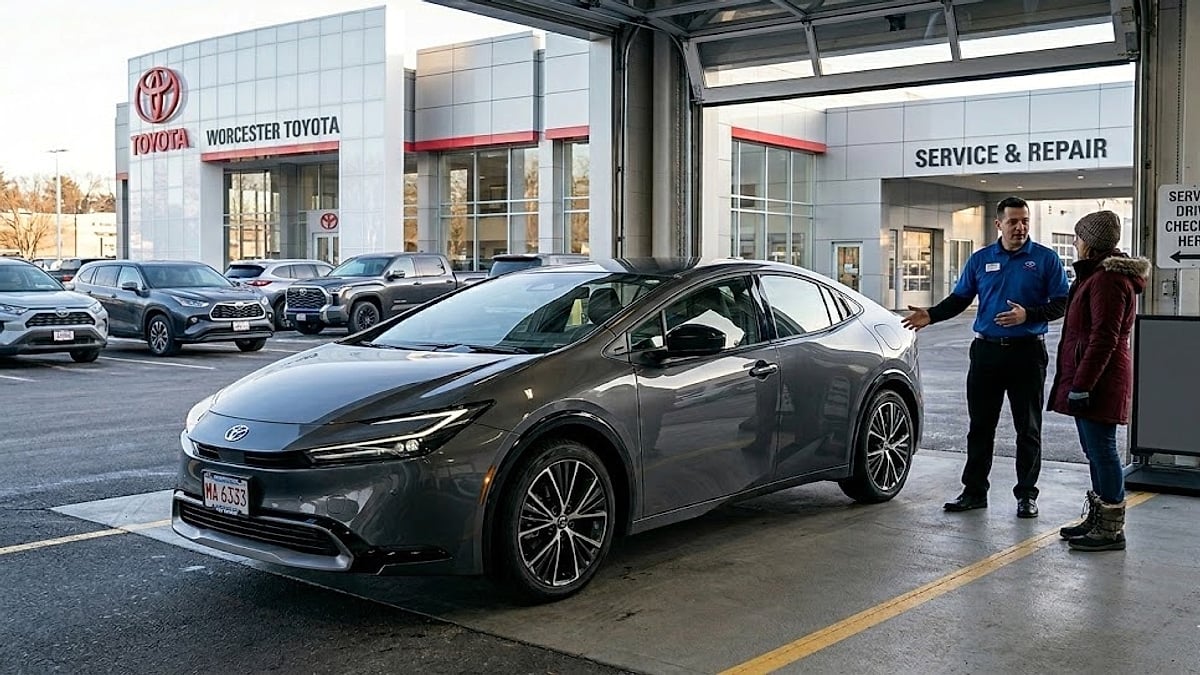
What You Need To Know
Before you head to the dealer, here is the technical breakdown of why your 2026 Prius might be ignoring your "Start" command:
- The -15°C Barrier: The 5th Gen Prius Prime uses a heat pump to warm the cabin. Below roughly -10°C to -15°C, heat pumps lose efficiency. While the car should switch to the internal combustion engine (ICE) for heat, the software logic often prevents this when it is plugged into an EVSE (charger).
- The 12V Parasitic Drain: The telematic module (the "brain" that talks to your phone) stays active 24/7. In extreme cold, a slightly weakened 12V battery won't have the voltage required to "wake up" the hybrid system.
- The "Ping-Pong" Diagnostic: Dealers often see "No Trouble Codes" because the system isn't "broken"; it's simply following programmed logic that prioritizes battery health over owner comfort.
- The Range Limitation: The factory key fob uses a low-frequency signal that struggles to penetrate modern "Low-E" glass windows in homes, often limiting range to less than 30 feet.
Watch this technical breakdown of the specific Toyota "Tech Tips" and error codes (like B126A) that define the Remote Connect failure, crucial evidence to show your service advisor
Field Observations from Owner Communities
You don't have to take my word for it. The enthusiast community has been documenting these failures in real-time. In a recent technical discussion on r/PriusPrime, one owner highlighted the vulnerability of the new design, mentioning: "It's a known limitation that a Gen 5 Prius PHEV will not remote start below -10C while an EVSE is plugged in... Why? Only Toyota knows," which you can read in the full Reddit discussion.
Another owner shared a similar frustration regarding the app's reliability compared to older, simpler tech: "The engine will not come on if it's plugged in, but it will if it's unplugged... Don't plug the car in if you want to use the remote starter," found in this Reddit thread. From my 30 years of experience, this aligns with how sensitive modern Toyota Powertrain Control Modules are to environmental inputs; the car is trying to protect its battery at the expense of the driver's comfort.
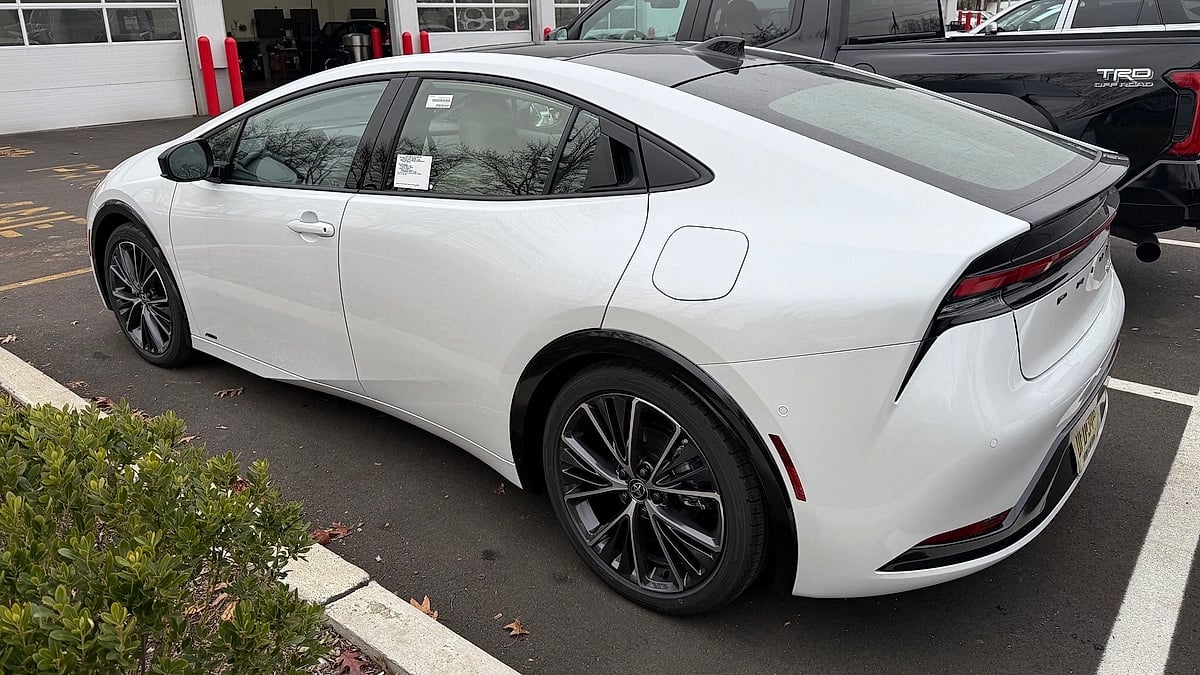
My Recommendations: How to Get Your "Toasty" Car Back
If you find yourself in Laura's shoes, here is the advice I would give to my friends:
- Unplug to Pre-Heat: If it's below 10°F, try unplugging the charger 15 minutes before you want to remote start. This often bypasses the "EV-only" lockout, allowing the gas engine to fire up for heat.
- The 12V Upgrade: Consider swapping the factory 12V auxiliary battery for a high-output AGM battery. This provides more "buffer" for the cellular module to operate in cold conditions.
- Go Aftermarket (With Caution): Like Laura, I am a fan of high-quality aftermarket systems. A Viper or Compustar system uses a dedicated remote with "two-way" feedback (the remote chirps when the car actually starts). Just ensure you use a "Plug-and-Play" harness to avoid cutting factory wires, which can complicate future warranty claims.
Key Takeaways
- The Failure: 2026 Prius remote start often fails in temperatures below -15°C/5°F.
- The Cause: Software logic conflicts between the EV heat pump and the ICE engine, compounded by strain on the 12V battery.
- The Cost: Owners are being asked to pay $15/month for a service that many find inferior to a one-time $500 aftermarket install.
- The Fix: Unplugging the car or installing a high-range third-party remote starter
Next Question: Is Installing an Aftermarket Starter on a 2026 Prius Safe for Your Warranty?
The most pressing concern for owners like Laura is whether seeking a third-party "fix" will void the factory warranty on their $35,000 hybrid. Under the Magnuson-Moss Warranty Act, a manufacturer cannot legally void your entire vehicle warranty simply because you installed an aftermarket remote starter. However, if the installation, such as splicing into the complex 2026 CAN bus system, is proven to cause a specific failure (like a fried body control module or excessive battery drain), Toyota can deny coverage for that specific repair.
To "dominate" this technical hurdle, I recommend prioritizing "plug-and-play" T-harness kits from reputable brands like Viper or Compustar, which avoid cutting factory wires. Always have the system installed by an MECP-certified technician and keep your receipts; this documentation is your best defense if a dealer tries to "ping-pong" you between their service department and the aftermarket shop.
Toyota Needs an Update
Toyota has built a world-class hybrid, but it has stumbled with the user experience. By making remote start a complex, subscription-based "Connected Service" rather than a simple button on a key fob, they’ve introduced points of failure that simply shouldn't exist in 2026. For a driver in the Northeast, a car that won't warm up isn't doing its job. I believe Toyota needs to issue a software patch that allows the ICE to override EV mode for cabin heating, regardless of the vehicle's plug-in status.
How About You? Have you experienced the "Remote Start Failed" message on your Toyota App this winter? Would you pay $500 to never have to deal with the app again, or do you think Toyota should fix this for free?
Tell Us What You Think! Please leave a comment in the red Add new comment link below and share your story. I’ll be reading and responding to as many as I can to help get this issue the attention it deserves.
About The Author
Denis Flierl is a 14-year Senior Reporter at Torque News and a member of the Rocky Mountain Automotive Press (RMAP) with 30+ years of industry experience. Based in Parker, Colorado, Denis leverages the Rockies' high-altitude terrain as a rigorous testing ground to provide "boots-on-the-ground" analysis for readers across the Rocky Mountain region, California EV corridors, the Northeast, Texas truck markets, and Midwest agricultural zones. A former professional test driver and consultant for Ford, GM, Ram, Toyota, and Tesla, he delivers data-backed insights on reliability and market shifts. Denis cuts through the noise to provide national audiences with the real-world reporting today’s landscape demands. Connect with Denis: Find him on LinkedIn, X @DenisFlierl, @WorldsCoolestRides, Facebook, and Instagram.
Photo credit: Denis Flierl via Laura Cinque
Set Torque News as Preferred Source on Google
Follow us today...







Comments
Why would you remote start…
Permalink
Why would you remote start with your doors unlocked, your hood open or low on gas. Those are normal circumstances for most any remote start. You can also remote start Toyotas with your key fob and not use an app.