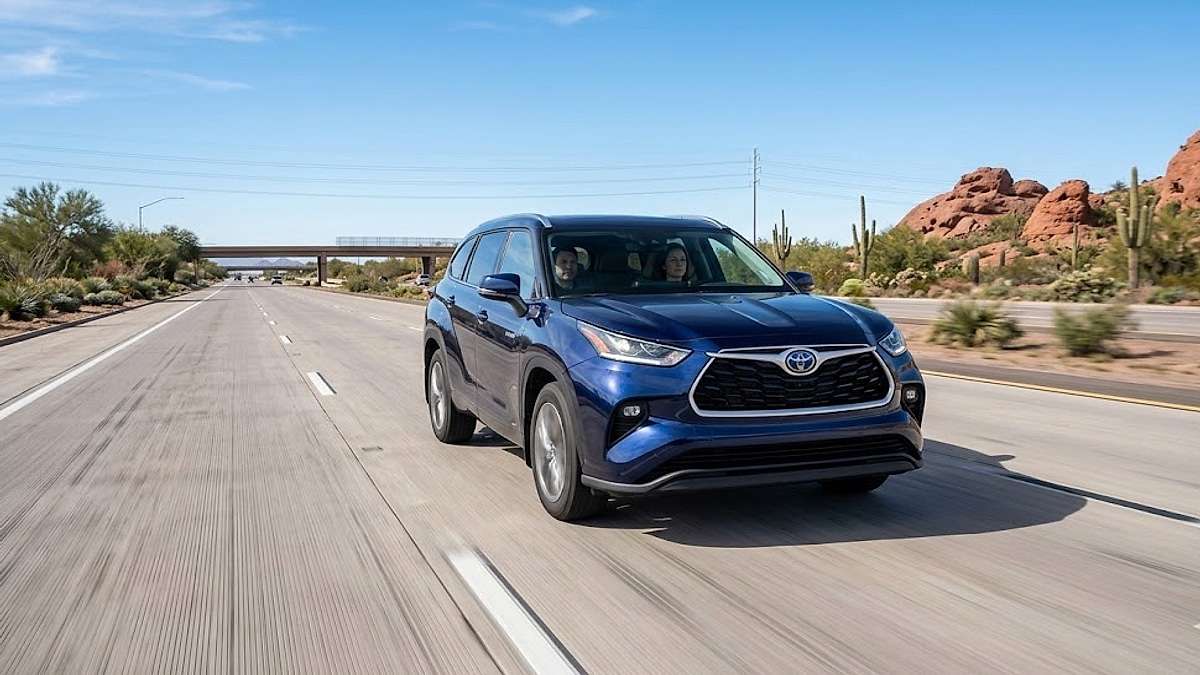

After 30 years in the automotive trenches, I’ve seen countless "upgrades" that leave owners feeling buyer’s remorse, but the recent feedback on the 2026 Toyota Highlander is sounding a unique alarm. This report investigates a specific, high-value case study: a long-term 2017 RAV4 owner who transitioned to the 2026 Highlander XLE only to find the experience "boat-like" and mechanically disjointed.
We analyze the technical shift from the agile RAV4 platform to the heavier 2026 Highlander, focusing on the 8-speed Direct Shift transmission (UA80 series) and the feedback-deprived braking system that is causing friction in the Toyota community. My goal is to provide you with the information required to navigate this $50,000+ decision, offering actionable technical advice on whether this is a "design characteristic" or a burgeoning defect.
I’ve been covering Toyota since the days when "unbreakable" was a literal description, not a marketing slogan. But lately, I’m seeing a trend that should give any loyalist pause. If you are sitting in a perfectly good 2017 RAV4 thinking about "trading up" for the extra third row in a 2026 Highlander, you need to hear Jo Dee’s story first.
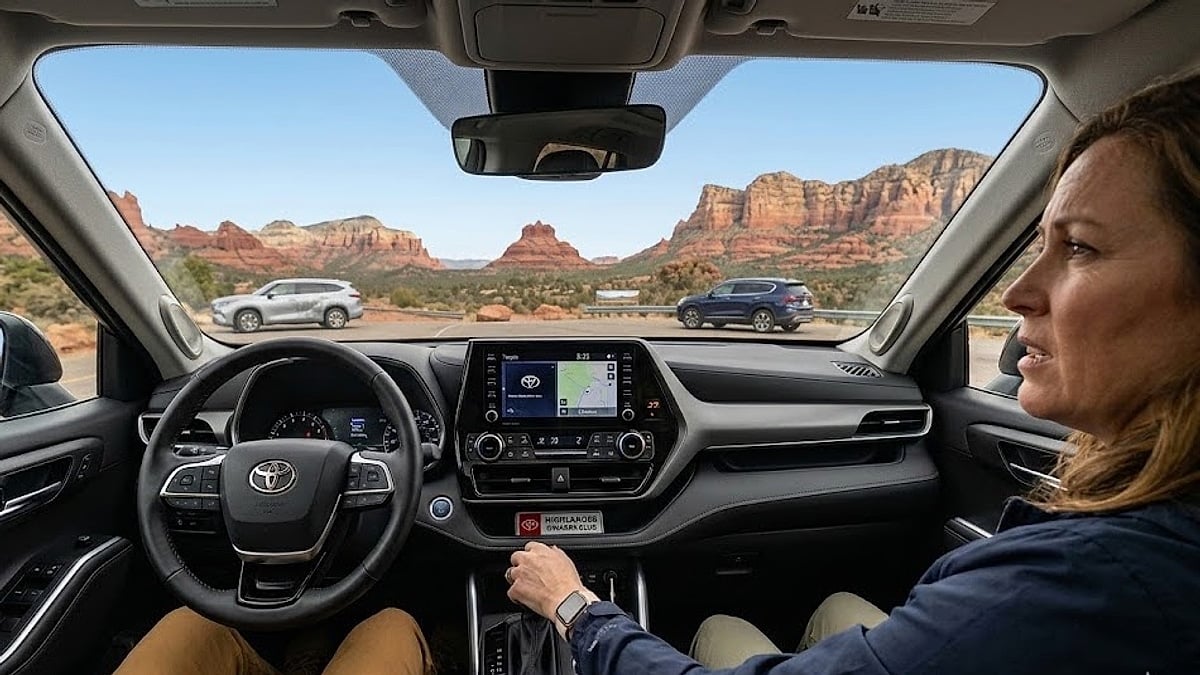
Jo Dee, a long-time Arizona owner, recently shared her frustration on the Toyota Highlander Owners Facebook Club:
“After nine years with my 2017 Toyota RAV4, I finally upgraded to a 2026 Toyota Highlander XLE. I loved my mom’s 2015 Highlander, so I thought I’d love this one too… but I don’t. It feels way bigger and more “boat-like” than the 2015, the shifting isn’t great, and the brakes feel so squishy compared to my old RAV4 or the 2015 Highlander.”
Jo Dee isn't alone in her sentiment; in fact, I recently reported that a 2021 Toyota Highlander owner needed a new transmission at 65,000 miles, proving that this issue is a recurring nightmare for those who bought into the brand's reliability promise. You can read my full report here.
It’s a classic case of what I call the "Generation Gap Trap." Many owners expect the 2026 model to feel like a modernized version of the 2015 Highlander (the golden era of the V6), but in reality, it's a completely different mechanical animal. As I noted in a recent investigation, the move to a standard hybrid engine makes the 2026 RAV4 more powerful than the 2025 model, but that same pursuit of efficiency is leaving the heavier Highlander feeling disconnected from the road. You can find that analysis here.
Who, How, and Why?
To give you the immediate clarity you need, let's break down the three big questions:
Who is being affected? Specifically, owners transitioning from the compact, nimble RAV4 platform (2013–2018) to the TNGA-K-based 2026 Highlander. These drivers are accustomed to a "car-like" feedback loop that the new, larger SUV lacks.
How are these flaws manifesting? It starts with a "squishy" brake pedal feel that requires more travel to engage, followed by "hunting" gears in the 8-speed automatic during low-speed inclines.
Why is this happening? Toyota has prioritized fuel economy and "ride comfort" (softness) over steering precision. According to technical data from RepairPal, nearly 40% of brake noise or feel issues in new Highlanders stem from the transition to electronic brake-force distribution systems that lack traditional hydraulic feedback. You can view their full reliability breakdown here.
From My View: The "Boat-Like" Reality
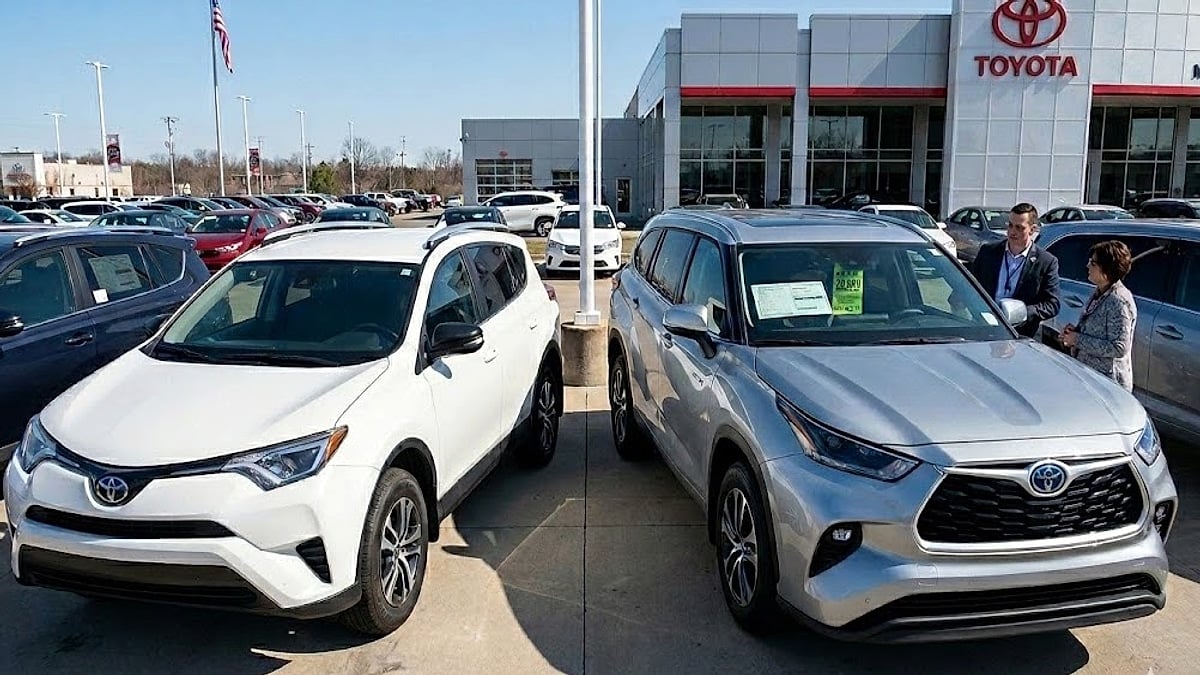
When Jo Dee says her Highlander feels "boat-like," she’s describing a literal increase in mass and a shift in center of gravity. Your 2017 RAV4 has a wheelbase of about 104 inches; the 2026 Highlander stretches that to 112 inches. That’s a massive jump in how the car rotates into a corner.
But it’s not just the size. I’ve found that the 2026 XLE's suspension tuning is significantly softer than the 2015 generation she loved. Expert reviewers at TrueCar have noted that the "shiftable automatic" systems in these larger Toyotas often feel less responsive than the simpler CVTs or older 6-speeds found in smaller models. You can check out their direct comparison of the Grand Highlander versus the RAV4 here.
My Take: The Shifting Struggle
The "poor shifting" Jo Dee mentions is likely the 8-speed Direct Shift hunting for the highest gear possible to stay within EPA targets. In my 30 years, I’ve seen this time and again: a manufacturer pushes for fuel efficiency with "shorter" shifting logic, but the hardware feels hesitant to the driver.
What You Need To Know
- The Transmission "Learning" Period: Modern Toyota transmissions use adaptive learning. If it feels "clunky," it might still be mapping your driving style. Give it 1,000 miles, but don't ignore a "jolt."
- Brake Bleed Check: "Squishy" brakes shouldn't be the norm. If the pedal travels more than 2 inches before bite, ask your dealer to check for air in the lines, a common "new car" delivery oversight.
- Sport Mode Hack: To fix the "lazy" shifting, try driving in Sport Mode for a week. It holds gears longer and tightens steering response, which often cures that "boat" feeling.
Technical Observations from Owner Communities
I spend a lot of time monitoring what's actually happening on the ground, and the Reddit community is seeing similar patterns. In a recent technical discussion on r/ToyotaHighlander, one top commenter highlighted a recurring fear, stating, "The newer UA81 transmission is showing problems too. I'd go hybrid 100% if I had enough money to buy new regardless," which you can read in the full discussion here:
Another owner on r/ToyotaGrandHighlander expressed similar sentiment regarding the move away from the V6 engine, noting, "The power the hybrid has really surprised me... I was driving a V8," while others cautioned that the 8-speed in the gas-only models is still "plagued with lawsuits and recalls," as found in this Reddit thread:
Key Takeaways
- The RAV4 to Highlander jump is significant: You aren't just getting a "bigger RAV4"; you are getting a different driving philosophy.
- The 8-speed (UA80) remains a point of contention: If you value smooth shifting, the Hybrid eCVT is actually the superior choice in 2026.
- Brake feel has changed: Electronic braking in the newer TNGA platforms feels "numb" compared to the mechanical bite of a 2017-era Toyota.
Next Question: Is the 2026 Highlander Hybrid Actually More Reliable?
The next logical question is: "If the gas-only XLE has these shifting issues, should I just get the Hybrid?" The answer isn't a simple yes. While the Hybrid avoids the 8-speed transmission "hunt," it introduces a complex planetary gear system and a different regenerative braking feel that might be even more "squishy" for an old-school RAV4 owner. My advice? Test drive the Hybrid specifically for "braking linear feel" before you sign.
Do You Want a Luxury Liner or a Speedboat?
Navigating the 2026 automotive market requires more than just looking at a spec sheet; it requires listening to owners who live with these vehicles daily. Jo Dee's experience is a vital warning that "newer" doesn't always mean "better" for your specific driving style. If you crave the agility of your old RAV4, the 2026 Highlander might feel like piloting a luxury liner when you really wanted a speedboat.
How About You? Have you traded up from a RAV4 to a larger SUV recently? Did you find the handling "boat-like" or is the extra space worth the trade-off? Tell us what you think and leave a comment using the red "Add new comment" link below.
About The Author
Denis Flierl is a 14-year Senior Reporter at Torque News and a member of the Rocky Mountain Automotive Press (RMAP) with 30+ years of industry experience. Based in Parker, Colorado, Denis leverages the Rockies' high-altitude terrain as a rigorous testing ground to provide "boots-on-the-ground" analysis for readers across the Rocky Mountain region, California EV corridors, the Northeast, Texas truck markets, and Midwest agricultural zones. A former professional test driver and consultant for Ford, GM, Ram, Toyota, and Tesla, he delivers data-backed insights on reliability and market shifts. Denis cuts through the noise to provide national audiences with the real-world reporting today’s landscape demands. Connect with Denis: Find him on LinkedIn, X @DenisFlierl, @WorldsCoolestRides, Facebook, and Instagram.
Photo credit: Denis Flierl
Set Torque News as Preferred Source on Google
Follow us today...