
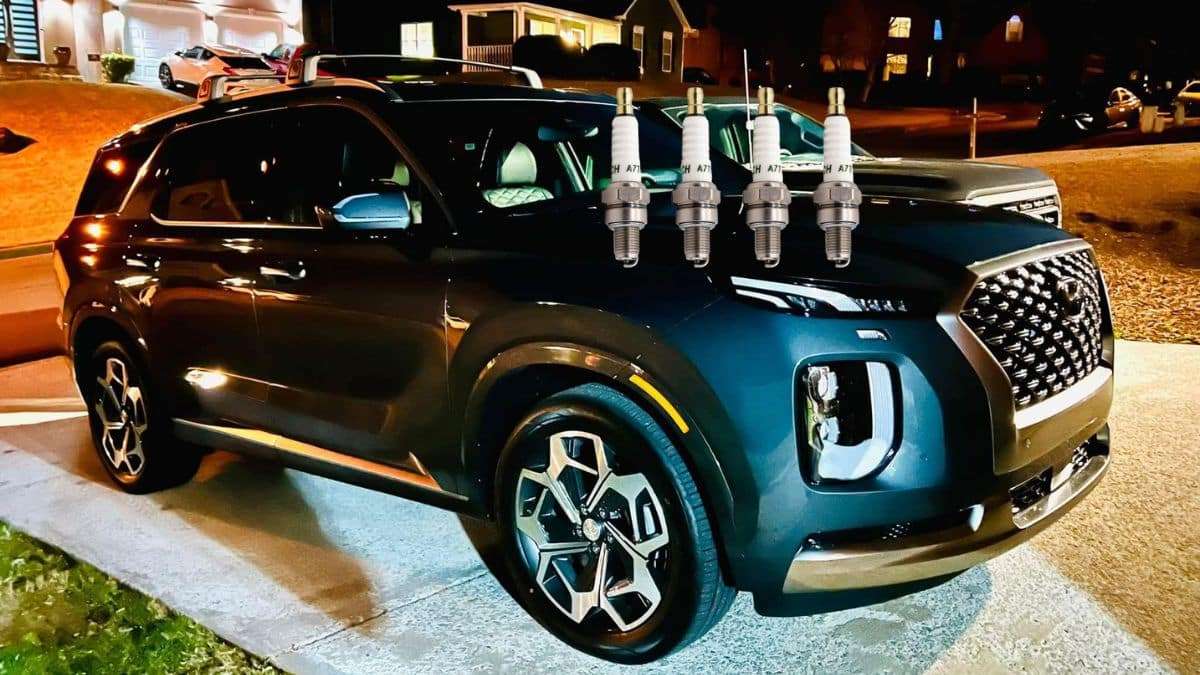

By now, most Hyundai Palisade owners know this SUV blends luxury and practicality in a surprisingly pleasant way. It’s built to haul families in style and comfort without breaking the bank. But what happens when something unexpected interrupts that quiet, cushioned ride, and nobody seems to agree on what it actually is?
Well, that’s what led me deep into a buzzing thread inside the Hyundai Palisade Owners Family Facebook group. One post from a concerned owner named Danielle stopped me cold. Because beneath the technical terms and conflicting advice was a real, lingering question: Is this a simple spark knock, or the sign of something more serious going on under the hood?
“Anyone heard of spark knock? Two different dealerships have said this is what I am hearing in my Hyundai Palisade,” Danielle wrote. “I did the fuel injection/spark plug cleaning and have switched from QT gas and Kroger gas to BP gas because the service manager said only BP, Chevron, and Racetrac have the right additives for Hyundai’s engines, but it’s not getting any better.
Is this a real issue? Is this a defect with my car or a known issue? Is it going to get worse? I don’t want to get stranded somewhere.
It started at 30,000 miles and I am now at 60,000 on my Hyundai Palisade and it’s just getting worse.”
Let’s break that down for a moment. Spark knock - also called engine knock, pre-ignition, or detonation - is when fuel inside your cylinder ignites at the wrong time, often before the spark plug fires. It creates a distinct metallic pinging or rattling sound. Most modern engines have knock sensors that adjust timing to reduce this. But when the sound sticks around, or worse, gets louder, owners like Danielle understandably start asking tougher questions.
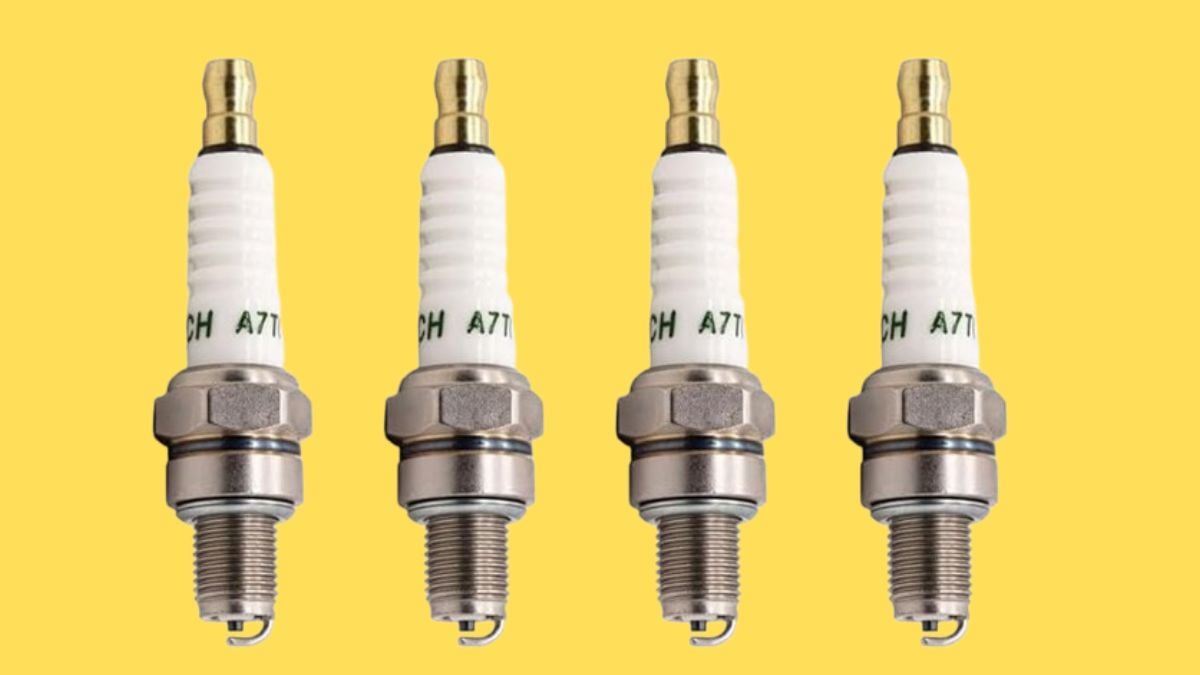
It's Not Just the Gas
Here’s where things took a sharp turn. Danielle followed up her post by revealing that her engine was idling roughly—and that when she checked the oil, it was “bone dry.” Even more concerning, her coolant level was low again, and she added:
“It was just in the dealership for this problem April 1, 2025, and my coolant is low again too! The radiator blew last year. I don’t think this is a ‘gas’ issue.”
That’s not a one-off. Several group members chimed in with similar experiences. Harvey Zook wrote:
“It doesn’t sound like a gas issue. I had my engine replaced at 84,000 miles because of oil consumption. I would never again follow the 7500 miles oil changes. I’m now doing it every 3,000 miles so will see how it turns out.”
Here’s the real kicker: Hyundai's 3.8L GDI V6 engine - found in the Palisade - has had murmurs of oil consumption problems whispered in online forums for years. While not an epidemic, it’s become one of those quiet truths that more owners are beginning to speak openly about.
You might also want to read this detailed breakdown on what happened when a 2025 Hyundai Palisade owner faced a string of unexplainable issues:
👉 I Thought I Was Safe in My 2025 Hyundai Palisade, Then This Happened
Ticking, Tappets, and Dealer Guesswork
Another user, Dave Smith, dropped some serious mechanical insight that might explain the mystery sound:
“What many people do not know is these engines have a solid tappet lifter/camshaft. The top end ticking sound is likely not enough oil on the tappets and excessive clearance. The tappets are supposed to be checked and adjusted every 60k, but the dealer told me they simply go by ear. The actual work to adjust the tappet clearance is not simple.”
This is a critical piece of the puzzle. If there’s insufficient oil reaching the top end of the engine—especially at higher mileage—those lifters can start ticking, and unchecked wear can spiral into bigger issues like camshaft damage. This isn’t just annoying—it’s potentially expensive.
And yet, not all dealerships are equally equipped to dig into it. Smith added a five-step recommendation for owners facing similar sounds:
-
Check oil level regularly. (Don’t assume it's fine just because you did a recent oil change.)
-
Pre-ignition can be caused by carbon buildup.
-
Use a cleaner every 5,000 miles. (BG is highly regarded. Techron is a close alternative and rebranded by Hyundai.)
-
Run a tank of 91+ octane to test results.
-
Scope the combustion chamber and valves via spark plug port.
These are proactive steps—small things you can do now to possibly avoid a big repair later.
If you've ever struggled with mysterious engine noises and dealership shrugs, check out this deep-dive article:
👉 Two Most Commonly Misdiagnosed Noises in Ford 5.4L Triton Engines
It shows just how often even experienced techs can miss what's actually going wrong.
Why This Issue With The Palisade Matters Beyond Just Danielle
This story isn’t just about one Palisade or one sound. It’s a case study in modern engine complexity. Gasoline quality, oil maintenance, valve design, and combustion chamber cleaning—these things all intersect in ways most SUV buyers never think about.
Danielle did what many would: followed dealer advice, switched fuels, used recommended additives, even had a cleaning service done. But if the root cause is hidden carbon buildup or oil starvation in the valvetrain, the knock sensor and fuel alone won’t save the engine.
One commenter, Paul McGahee, laid it out plainly:
“Today’s cars adjust for such things as engine knock. If the user manual says 86 octane is sufficient, then it should be. Run two bottles of Chevron Techron to a tank of fuel and see if it simply needs injectors cleaned… It’s made by Chevron for Hyundai and you can buy it anywhere.”
That gets to the heart of it. GDI engines—like the one in the Palisade—are notorious for carbon buildup. And while some OEMs recommend additive use sparingly, others quietly assume the driver will use quality detergents regularly.
As owners, we walk a line: trusting tech while learning what’s going on under the hood ourselves.
Also, consider this deeper question:
👉 Is Hyundai Having a "Beautiful" Problem With Palisade Sales?
The Palisade is selling fast, but are service issues being left in the dust?
What Can You Do?
If your Hyundai Palisade has a ticking or knocking sound, here’s what you can do today:
-
Check your oil level weekly—especially between services.
-
Ask your dealer specifically about tappet clearance and if a top-end inspection has been performed.
-
Run a high-quality fuel system cleaner, such as BG or Techron, and consider a tank of premium gas.
-
Document everything and push for deeper diagnostics if the problem persists. Don’t accept “it’s normal” if your gut says it’s not.
Long-term, we may start seeing more conversations around GDI engine maintenance standards, and whether 7,500-mile oil intervals are really in the best interest of engine longevity.
You may also be interested in reading this:
👉 Hyundai Palisade Doesn’t Let Me Get Inside and Some Dealers Want to Change the Door Handle
Have you experienced ticking, knocking, or oil level drops in your Palisade or another GDI engine vehicle? Did your dealer offer a real fix, or just tell you it’s “normal”?
Drop your story in the comments below - let’s hear how widespread this really is.
Armen Hareyan is the founder and Editor-in-Chief of Torque News. He founded TorqueNews.com in 2010, which since then has been publishing expert news and analysis about the automotive industry. He can be reached at Torque News Twitter, Facebook, Linkedin, and Youtube. He has more than a decade of expertise in the automotive industry with a special interest in Tesla and electric vehicles.
Image sources: Grok, and adaptation of Danielle's Image, linked above and used under Fair Use Copyright rule.
Set Torque News as Preferred Source on Google
Follow us today...






Comments
Burning that much oil may…
Permalink
Burning that much oil may cause excessive carbon buildup on the head and pistons. This causes an increase in compression and this can cause "detonation." This is where excessive compression causes higher than normal combustion chamber temperatures and the fuel mixture detonates rather than burns. Also protruding pieces of carbon may glow hot enough to ignite the fuel to early thus causing detonation. This is destructive to the engine possibly causing broken rings or broken pistons. I would have an independent shop scope the cylinders and if this is the case then take this info as well as pictures back to the dealership and demand repairs. Not familiar with this model but if the oil pan can be removed this can be done "in frame." Clean and rework the head. If this has been going on for a while the pistons likely have some damage. I would opt to replace them rather clean them. New rings and you may fix your oil usage problem as well. Thoroughly check the PVC system as oil can enter the cylinders through it as well.
Hyundai have known since day…
Permalink
Hyundai have known since day one thier motor vehicles engine's have had a big problem with upper cylinder lubrication, this is causing engine failure to many of thier motor vehicles, my daughter purchased a brand new Hyundai off the show room floor and it's engine failed at 7000 kilometres, it was replaced under warranty but then the second engine failed at 3000 kilometres, this is an absolute disgrace that Hyundai knew from day one thier engine's had a upper cylinder lubrication problem, the Hyundai dealer will only stuff you around, my daughter contacted a lawyer and within months, the dealer refunded 90% of the purchase price, never again will any of my family ever purchase any Hyundai motor vehicles,
I also have a Hyundai…
Permalink
I also have a Hyundai Palisade 21 and I am at 81000 miles. I am also putting 1 quart of oil Every 700 miles believe it or not it is very stressful to have to check your oil once a week if you run out of oil the dealer will tell you that you didn't put oil in the engine and that was the problem. I have already been to the dealer and they said if I am not the original owner there's nothing they can do to help me with their 100000 mile warranty. You must be the original owner for the dealer to help you with your oil consumption due to the GDI engine so I am on my own checking oil every 7 days and putting a quart of oil in the engine which is very expensive at $11 a quart since you have to put full synthetic. Once you pass the 60000 mile mark these engines start to drink oil there's no help for us without warranties or second owners it will be a while before many many cars get outs on the road and have a lot of Miles to the point where the engines seize and they become headline news Hopefully by that time I will be able to trade in my car and never again buy A
GDI engine.
Another widespread problem -…
Permalink
Another widespread problem - self leveling rear shocks. They failed on my 2020 palisade at 20,000 miles. Not a lot of publicity about it but a lot of chatter and complaints on line about this. Was considering the 2026 but am wary about it now.
This engine, the 3.8 G6DN as…
Permalink
This engine, the 3.8 G6DN as per Wikipedia, has a 13:1 compression ratio. To run pump gas I would assume you would need premium only. If running 89 octane I would expect spark knock from pre-detonation. Sure carbon build up is a problem on DI engines but let's be realistic, running cheap stuff isn't always the move even to try and save a few dollars
I have a 2016 Hyundai …
Permalink
I have a 2016 Hyundai Sonata that every since I got it burns excessive amounts of oil. At first it was just a little and gradually turned into alot. I had to buy a 5Qt bottle of Castrol Oil every six weeks. Mind you this car only has 50K on it. The dealer told me oh this is normal. Well finally they said I needed new valve cover gasket and new cap. The cap look like burnt oil on it. I still continued to have the same problem. I use that Lucas Oil treatment every other oil change. I use Lucas Fuel Injection cleaner every other tank of gas. I buy gas from Am/Pm mid grade . Had a compression check done normal. But no this last year it keeps fouling out cylinder 4 and now 3. Its done that about 6 times now. Always throws a P304 or P303. It's fine once the plugs changed except the oil consumption. Dealer told me I would have to pay 600 for a Oil Consumption test this last time What I have done is everytime it does this I take pictures of spark plug the mileage and code. I'm 67 years old and bought this car thinking it was the last car I could buy There was a knock sensor recall. But they tell me thats not my cars problem . What do you think about all this. Thanks Colleen Maddy
Well i don't think it's only…
Permalink
Well i don't think it's only Palisade alone
My 2024 Hyundai Tucson SEL start the knocking sound at 14000 miles. I took to Hyundai dealership they told me they couldn't find any problem. Am now at 21000 miles it getting worse so I change the oil at every 3000miles and check regularly. My 2016 Hyundai santa fe sport had similar problem. After oil change i do top up once a week. It consume oil like reservour. It has 124000 moles now.I guess Hyundai GDI engines are not good enough.