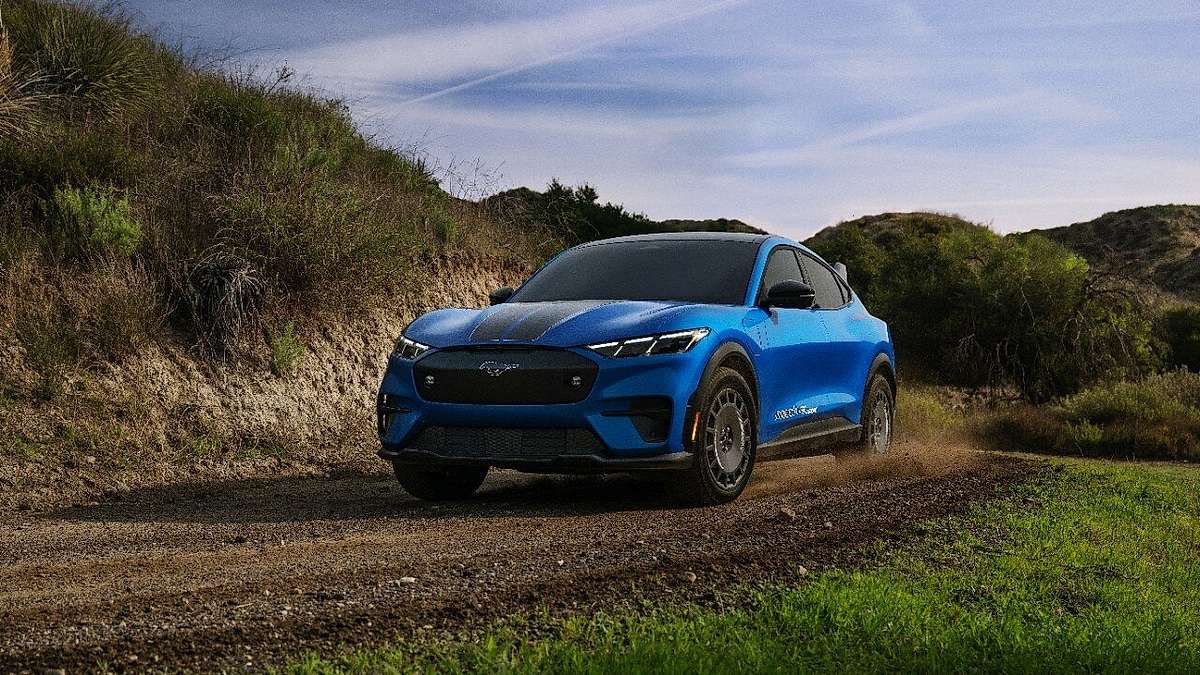
Ford Mustang Mach-E owner Nancy Moyer said that she had to have tires repaired for over $300 at a tire shop, and the photo accompanying the post showed the damaged tire could've been replaced by a full-size spare, if her Mach-E had one.
Full-size spares were once common in cars, but few carry them now. Some vehicles carry "donut" small spares that are limited in speed and mileage -- they can just get you to the nearest shop. Some cares don't even have a spare tire -- they use either run-flat tires and/or a chemical canister that can be used to temporarily inflate a tire until a motorist can get to a repair shop.
2025 Mach E GT with continental tires $305 installed at a tire place. Dealership was almost $80 more.
One commenter replied: "I keep a modern spare in the back. If you take out the foam it *mostly* fits."
To be clear, we don't recommend taking the foam out of a car -- it's there for noise-reduction reasons and may even have a minor safety component. But we understand why a
car owner might do it.
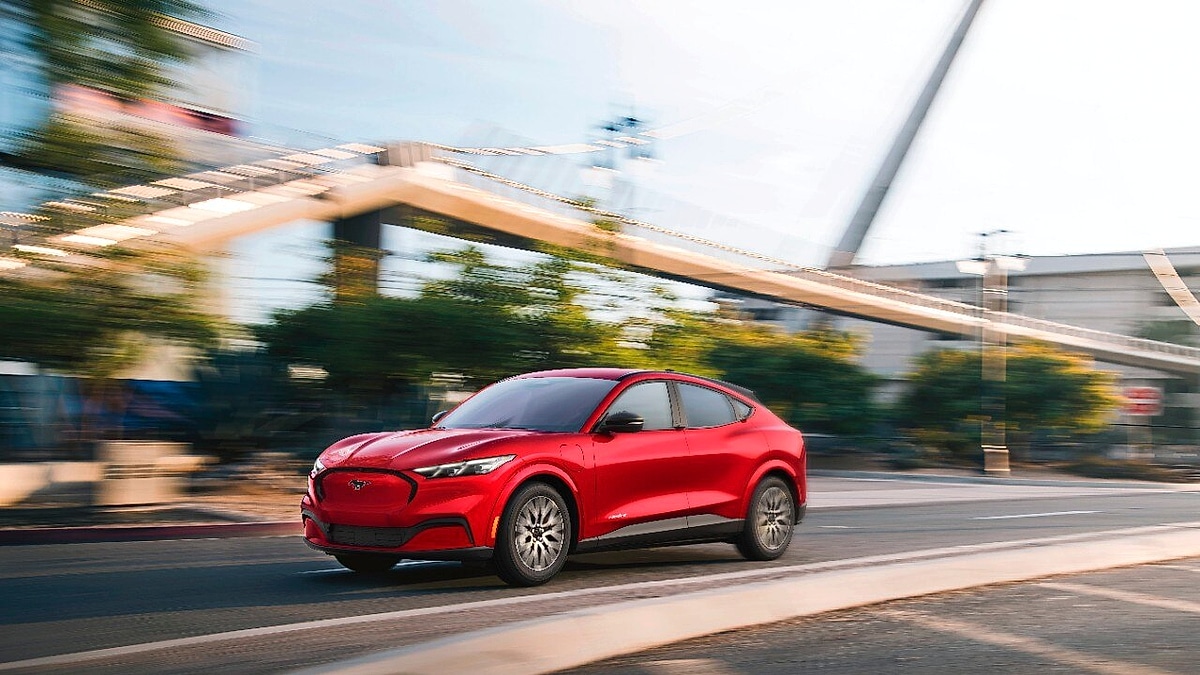
Torque News Wonders If Full-Size Spares Need To Return
There's not a lot of space, even on crossovers and SUVs, for full-size spares. That's why you sometimes see them mounted to a tailgate or a vehicle. But some bigger vehicles have them inside the car, accessible under the cargo-area floor.
We have to wonder if perhaps car designers can find room for the full-size spare without sacrificing cargo space, passenger space, or the necessary space for mechanical parts.
The reason this matters goes beyond the potential cost savings of having a full-size spare on hand. It's dangerous to drive too far or too fast with a donut or inflated run-flat tire.
Of course, it would be easier to have a full-size spare tire in a vehicle if tires weren't so big these days. Twenty- and 21-inch tires are fairly common now, as opposed to the 15- to 18-inch range your author grew up with.
Car buyers might want full-size spare tires to return, but it's unlikely that they will. Every inch matters in car design, and designers want to maximize interior space. Not only that, but lighter vehicles perform better and burn through fuel more slowly, so engineers are looking to save weight however they can. Especially as the desires for creature comforts and a combination of consumer wants and government mandates leads to weight gain and bloat that must be offset.
A downside of most modern cars is the lack of a full-size spare tire. But it's one downside a lot of car buyers seem prepared to live with.
About The Author
Tim Healey is an experienced automotive writer and editor from Chicago. He has covered automotive news at Consumer Guide Automotive, Web2Carz, AutoGuide, and was the managing editor at The Truth About Cars. Tim is a member of the Midwest Automotive Media Association. You can find him on Facebook, X/Twitter, and on LinkedIn.