
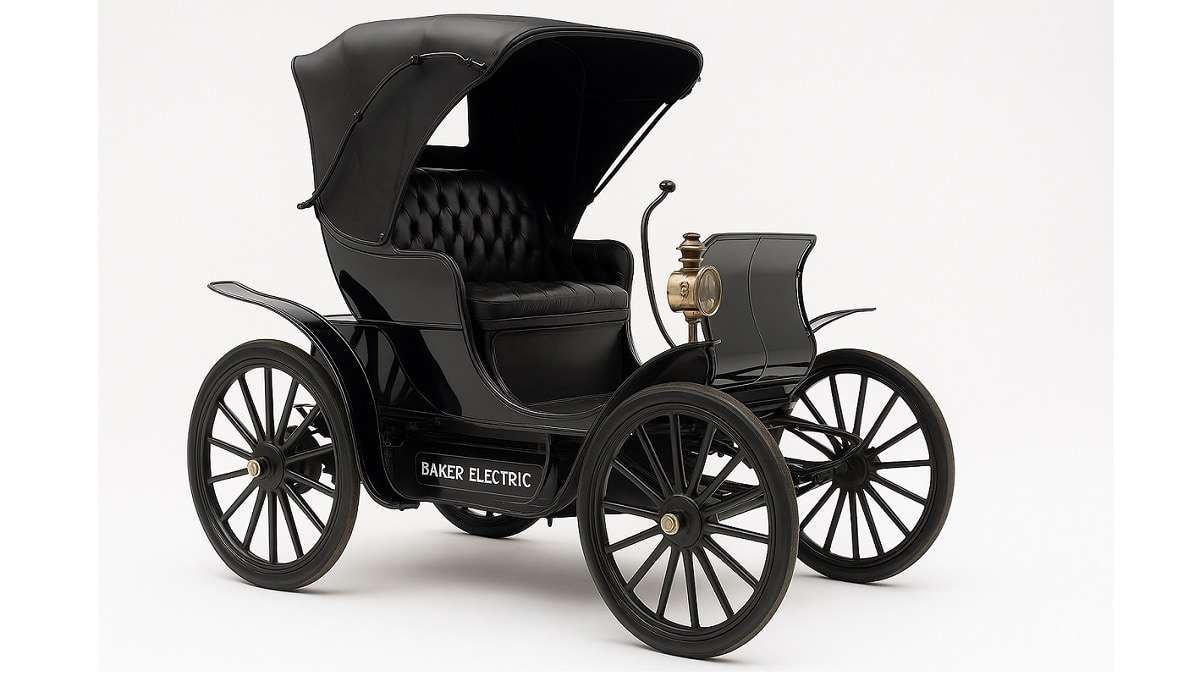

When we talk about electric vehicle batteries, let’s remember that we have been working on and improving them for over a hundred years. One of the first successful EVs was the 1912 Baker Electric Victoria which was famously driven by five First Ladies of the United States.
When I bought my electric vehicle, it was a step into the future. I loved the instant torque, quite drive, and no more gas stations. Like so many others, I quickly fell in love with the experience. Its newness also conjured some anxious thoughts. One was, “how long will my EV battery actually last?”
It’s a dread shared on Facebook groups and Reddit threads where EV owners open up about their fears. We love these cars, but we’re terrified of what could happen five, ten, or even fifteen years down the line. The thought is that when an EV battery fails, it’s not just a routine repair. It could mean a replacement cost in the tens of thousands. That wouldn’t just be a bill, it would be a major, unplanned financial setback.
Here’s a recent post on the Facebook Tesla Model Y group with a lot of responses about high mileage EVs by Tracee Hightower.
“I have a Tesla Model Y and I just hit 100,000 miles. How long should I expect my car to last? I have never owned a car that had more than 30-40K miles on it so I’m just wondering about how many more miles I can expect to get before needing to purchase a new car.”
Jeff Williams responded with:
"My buddy has a model 3 with 267,000 miles. Brakes are still at 50% and hasn’t had to do anything to car”
Gary Clemans-Gibbon added an interesting response:
“My city has a taxi firm that is exclusively Tesla, and it's been around for quite a few years. They have many Teslas, with three quarters of a million kilometers [over 450k miles] and a couple with over nine hundred thousand [over 560k miles]. Some of the higher mileage ones have had a second battery, but there are still plenty, with over half a million kilometers [310k miles] on their original battery. I wouldn't worry about anything if I were you. It's going to be going long after a gas car would be in a crusher. And if you're worried about the cost of a replacement battery down the road well, yeah, battery prices are coming down a lot every year, so even if you need a new battery and five years’ time, it will be inexpensive.”
To help address Tracee Hightower’s concerns, her Tesla Model Y has a battery warranty of eight years or 120,000 miles, guaranteeing at least 70% capacity. Tesla’s internal data show that after 200,000 miles, Model Y batteries typically lose just 12–15% capacity, meaning they retain 85–88% of original capability. This means that her long range Tesla Model Y has 200,000 miles on it, it should still be able to drive about 280 miles on a charge.
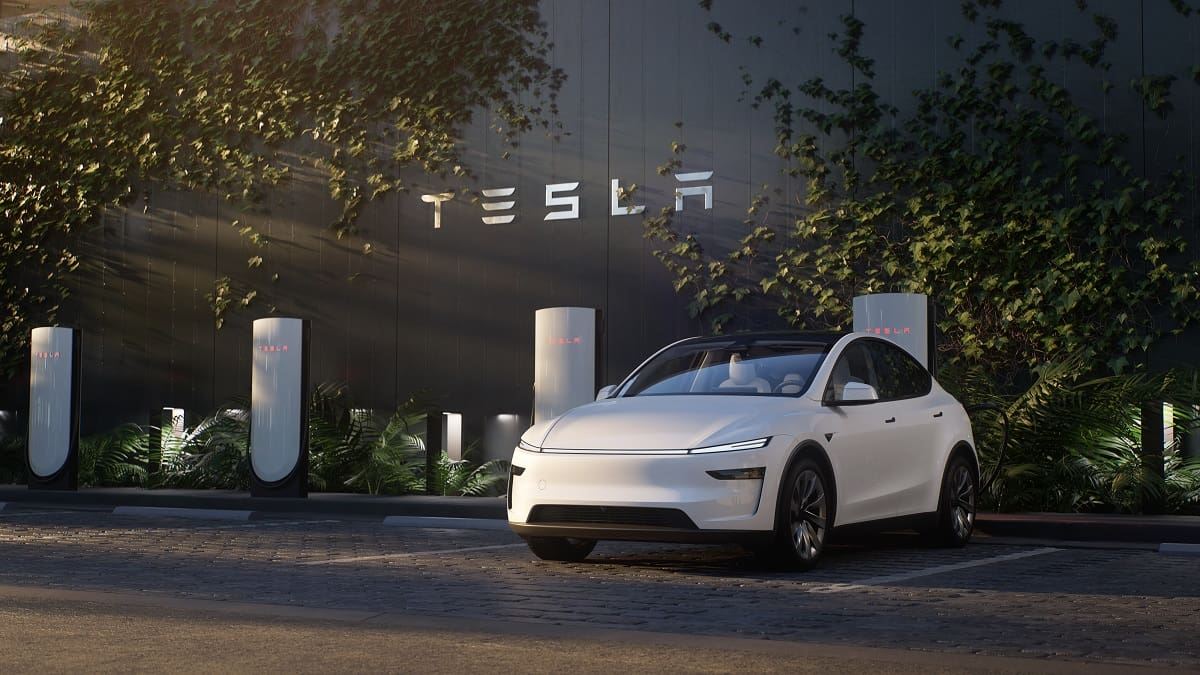
There’s comfort in those numbers. Most experts agree that EV batteries are built to last between 100,000 and 200,000 miles, or about 10 to 20 years, depending on climate, charging habits, and luck. A growing chorus of EV owners are backing that up with real-world stories of longevity.
One reassuring example of battery longevity is a Tesla Model X 90D that reached over 300,000 miles before being replaced under warranty.
Another impressive example is a Tesla Model 3 with over 217,000 miles which still had 88.5% battery capacity and over 300 miles of range. Even more impressive is that it was used as a taxi and frequently supercharged throughout its life.
Fear, Uncertainty and Doubt about Electric Vehicles
Why do we frequently read so much negative coverage about EV battery longevity when it contradicts real world data? Detractors from the fossil fuel industry and large automotive dealer groups don’t miss a beat. They love to stoke the fear by calling EVs “ticking time bombs” or “disposable tech” that will leave you stranded with a massive repair bill. Never mind that gas engines need transmission rebuilds, oil changes, timing belt replacements, and that many ICE cars are scrapped well before they reach the kind of miles EVs are routinely hitting.
There are also stories that haunt us. They are outliers, but real. These are stories like a Nissan LEAF that lost half its range in six years. There was the Chevy Bolt battery recall, and we keep hearing about the out-of-warranty Model S that suddenly needed a new $20,000 pack.
In the end, the fear around EV battery life is real, but so is the evidence of durability. For every headline that sparks doubt, there are thousands of quiet success stories, like Teslas crossing 200,000 or even 500,000 miles with batteries still going strong. Yes, battery failure is expensive, but it’s also rare, and prices are steadily dropping. As owners, we’re not naïve to the risks, we just weigh them against the joy, the savings, and the growing mountain of proof that these cars are built to last. The future may be electric, but it’s also reliable.
Please Drop Your Thoughts in the Comments Below
How many miles do you have on your EV, and how is the battery holding up?
Do you trust the real-world battery life data from Tesla owners, or do you still have doubts?
Chris Johnston is the author of SAE’s comprehensive book on electric vehicles, "The Arrival of The Electric Car." His coverage on Torque News focuses on electric vehicles. Chris has decades of product management experience in telematics, mobile computing, and wireless communications. Chris has a B.S. in electrical engineering from Purdue University and an MBA. He lives in Seattle. When not working, Chris enjoys restoring classic wooden boats, open water swimming, cycling and flying (as a private pilot). You can connect with Chris on LinkedIn and follow his work on X at ChrisJohnstonEV.
Image sources: AI, Tesla media kit
Set Torque News as Preferred Source on Google
Follow us today...







Comments
I’m at 60k miles and after…
Permalink
I’m at 60k miles and after driving through a muddy puddle it makes noise when regen braking but otherwise is as new.