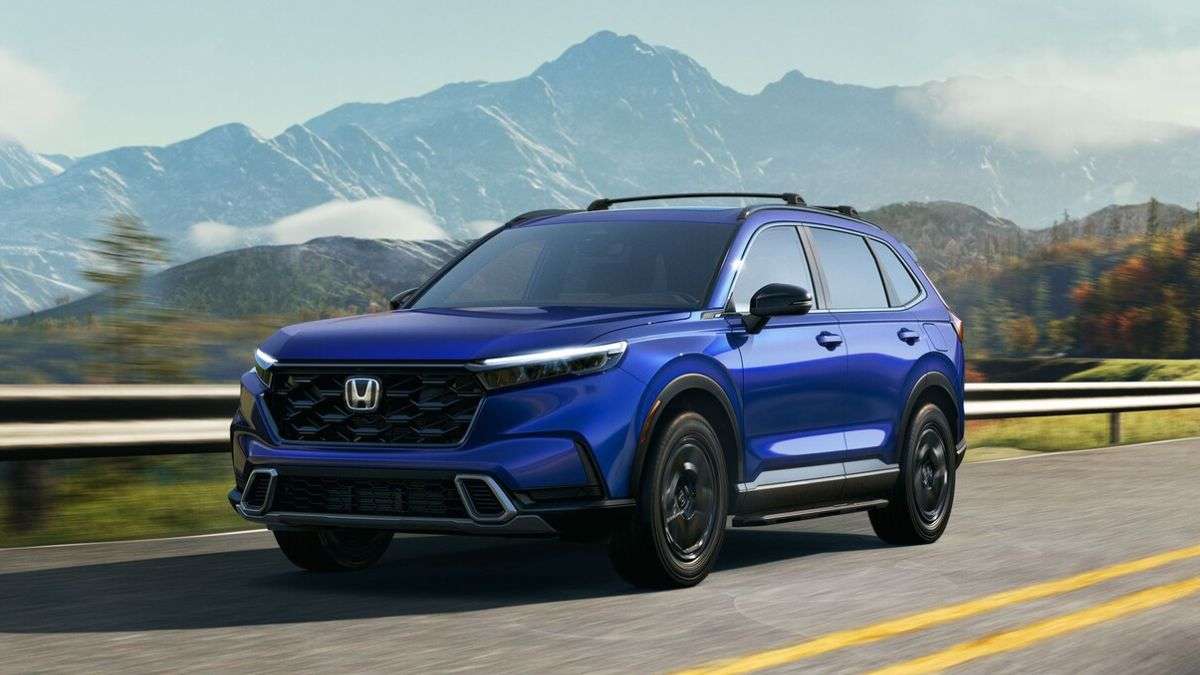

Rear-end collisions on California freeways are almost a daily reality, especially in stop-and-go traffic where speed differences can turn into dangerous moments in seconds. Modern vehicles, however, are designed with safety engineering that often makes the difference between disaster and relief. One story I came across in the “Honda CR-V Hybrid Enthusiasts Group” captured this perfectly, when John Scheerer described what happened to him on a Southern California freeway. Traffic slowed to about 10 mph when his 2025 Honda CR-V Sport Touring was suddenly rear-ended. The impact was strong enough to crush the rear end, yet the airbags never deployed, and remarkably, everyone inside walked away without injuries.
Here’s how he put it: “I got rear ended on SoCal fwy in our 2025 Honda CR-V Sport Touring. We were slowing down to about 10mph for traffic and never saw it coming. Airbags did not deploy. Amazingly, nobody was hurt. Seems that the rear end did its job and shielded us in the front. Hopefully insurance totals the vehicle and settles quickly so we can start searching for a 2026.”
John’s words capture both the shock of the crash and the relief of walking away unharmed. The fact that the airbags didn’t deploy might sound alarming, but airbags only fire under specific conditions. In a rear-end collision, the energy is often absorbed by the crumple zones at the back, leaving front-seat occupants safe without triggering the front airbags. It’s the system working exactly as designed.
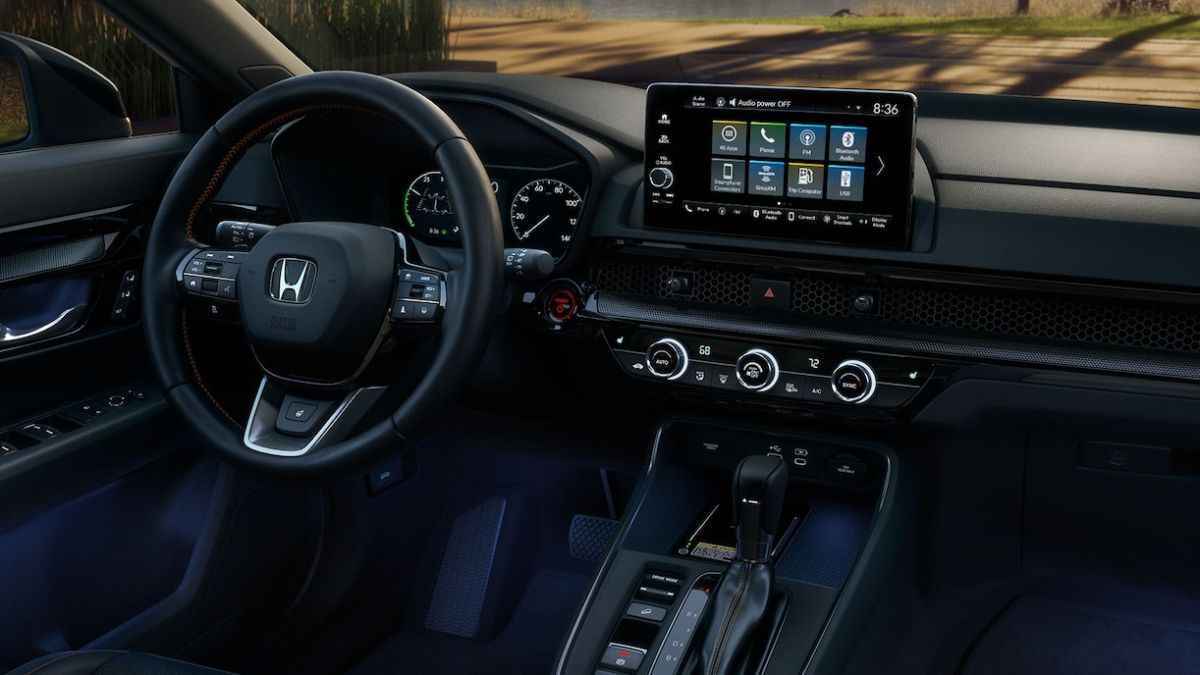
Airbags and Insurance
Airbags rely on sensors that measure rapid deceleration and the direction of the force. Since John’s Honda CR-V was hit from behind, the front airbags weren’t necessary for protection. Instead, the rear crumple zones absorbed the blow preventing severe jolts from reaching the cabin. It’s a scenario engineers anticipate, and it explains why owners often walk away from crashes without ever seeing an airbag inflate. In fact, another CR-V owner previously described a situation in which their 2023 Honda CR-V was totaled in a serious accident but still kept everyone inside safe.
Even though nobody was injured, John suspects insurance will total the vehicle. That’s a reality for many modern cars, as rear-end crashes often cause hidden frame or structural damage that’s not worth repairing. Repair costs can easily exceed the car’s value, especially with newer models packed with sensors and electronics. Once an insurance company declares a vehicle a total loss, owners can either accept a payout and move on, or in rare cases, buy back the damaged vehicle.
For someone like John, moving on is the plan. He mentioned already looking forward to a 2026 model, which is a common step for loyal Honda owners. Some drivers who have put thousands of miles on their CR-V Sport Touring models, praising things like its 36.4 mpg highway rating and Bose sound system often find that one bad crash doesn’t erase years of reliability and comfort.
Community Reactions and Opinions
As always, the online Honda community had plenty to say about John’s situation. Some comments were practical, while others offered perspectives on what to do next.
Lizzy Paige offered a thoughtful reminder: “Be sure to get checked out by a medical professional. Injuries and pain can show up much later down the road.”
This is a crucial point. Even if adrenaline masks symptoms immediately after a crash, injuries like whiplash or soft tissue strain often surface days later. Getting checked ensures peace of mind and avoids complications with insurance claims.
Anita Elisabeth added her perspective from across the Atlantic: “That’s a ‘right off’ as we Brits say. A blessing there were no injuries. The same happened to my daughter in August in her older CRV. The car protected her. Definitely save a front wheel.”
Her comment reinforces that the CR-V’s safety record extends across generations. Stories like hers also highlight the global reputation Honda has built for protecting passengers, even in situations where the car itself doesn’t survive.
Then came Cal Yuen, who asked a practical question: “Will you go get another CRV or wait for the new RAV4?”
It’s the kind of decision many owners face after a total loss: do you stick with the brand that just saved your life, or do you explore other options?
Another commenter followed with a broader take: “If my CR-V got totaled, I’d wait for the 2026 RAV4 Hybrid. 50 mpg FWD is hard to beat. People stick to brands that ‘saved’ them, but the truth is, modern cars are all super safe with today’s tech.”
This perspective reminds us that Toyota, Honda, and other automakers now build vehicles to similarly high safety standards. For some owners, loyalty to Honda feels natural, while others see a crash as a chance to explore options, like moving from a CR-V to a Toyota for long-term reliability and ownership confidence.
CR-V vs RAV4 Safety Ratings
Honda and Toyota have long competed head-to-head in the compact SUV segment, and safety is one of the biggest deciding factors for buyers. According to IIHS crash test data, the 2025 Honda CR-V earns strong marks in most categories, particularly in front crash prevention and side impact protection.
The 2025 Toyota RAV4 also performs well, with “Good” ratings in its small-overlap and side tests, although it shows weaker results in the updated moderate overlap evaluation. In practice, both SUVs are engineered to protect passengers effectively, but shoppers comparing the two will notice small differences in how they perform in certain crash scenarios. For an owner weighing whether to stay with Honda or consider Toyota, these ratings provide valuable context alongside real-world crash stories like John’s.
Key Takeaways
- Airbags don’t always deploy in rear-end crashes because the car’s crumple zones often do enough to protect occupants.
- Insurance totals vehicles often when modern crash repairs involve expensive sensors and frame work.
- CR-V owners remain loyal after crashes, but some consider other brands when shopping for replacements.
- Medical checks are critical after accidents, even if no pain is immediately felt.
Let’s Hear From You
Have you ever been in a crash where the airbags didn’t deploy but the car still kept you safe?
And would you stick with the same brand after your vehicle was totaled? Or would you see it as a chance to switch to something new?
Let me know what you think in our comments below.
Aram Krajekian is a young automotive journalist bringing a fresh perspective to his coverage of the evolving automotive landscape. Follow Aram on X and LinkedIn for daily news coverage about cars.
Image Sources: Honda’s gallery.
Set Torque News as Preferred Source on Google
Follow us today...