


For many buyers, choosing a minivan like the Toyota Sienna is about dependability and peace of mind. Owners expect that when something goes wrong, especially during a recall, the system designed to protect them will work as intended. But as one Sienna owner recently shared, that trust can unravel quickly when a routine recall turns into a drawn-out dispute over money and control.
This situation came to light after Aaron Duncan shared his experience in the “Toyota Sienna 2025+” Facebook group. According to Aaron, his van had been sitting unrepaired at a dealership for nearly three months due to a seat rail recall. During that time, he negotiated a trade-in with another dealer to move into a new Sienna. When he went back to retrieve his original van, however, the situation escalated into something far more serious.
As Aaron explained in his post, “I went to pick up my unrepaired van that has been sitting at the dealership for 3 months for the seat rail recall. I negotiated a trade-in with another dealership to buy a ‘26 Sienna. The general manager is refusing to release the van to me until I reimburse them $3,000 for the rental, which on the rental agreement I signed says to be paid by Toyota Motor Co. The dealership is literally holding my van hostage.”
What makes Aaron’s story particularly troubling is not just the length of the recall delay, but the apparent contradiction between the rental agreement and the dealership’s demand. In most recall-related situations, rental vehicles are arranged precisely to prevent owners from being stranded while repairs are completed. When those agreements clearly state that the manufacturer is responsible for the cost, being asked to personally cover thousands of dollars feels less like a misunderstanding and more like a breakdown in the system meant to protect consumers.
Situations like this also arrive at a time when minivan buyers are already weighing their options more carefully than ever.
Why the Toyota Sienna Still Appeals to Families
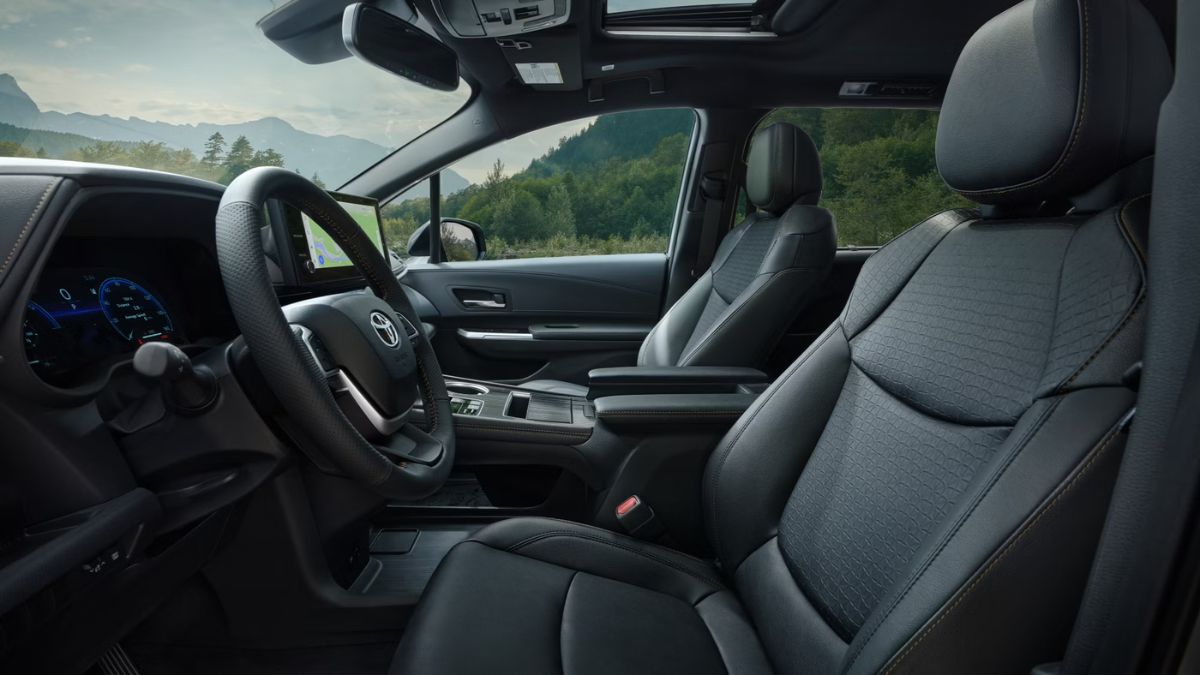
Part of what makes situations like Aaron’s so frustrating is that the Toyota Sienna remains one of the most practical and well-rounded minivans on the market, which is exactly why owners expect the ownership experience to match the product itself. For many families, the Sienna is chosen because it blends fuel efficiency with real-world usability, offering sliding-door convenience, a low step-in height, and flexible seating that works just as well for carpools as it does for road trips.
Beyond efficiency, much of the Sienna’s appeal comes down to how it handles everyday life. Owners frequently point to its interior layout, cargo flexibility, and accessibility as reasons they stick with the model year after year. We have previously looked closely at those everyday ownership details, including how a 2025 Toyota Sienna 8-seater handles luggage and mobility needs in real-world driving, because those factors matter far more than headline specs once the vehicle is actually in a driveway.
That practicality is also why breakdowns in dealer support hit harder for Sienna owners than they might for buyers of more niche vehicles. When a minivan is relied on as the primary family hauler, long recall delays or disputes over rental coverage are not minor inconveniences. They disrupt daily routines, work schedules, and family responsibilities. That reality has pushed some shoppers to look more closely at alternatives, which is why we have seen growing discussion around how options like the Kia Carnival are positioning themselves as compelling alternatives, especially as buyer priorities evolve.
Can a Dealership Legally Refuse to Release a Customer’s Vehicle?
This is where Aaron’s experience moves beyond frustration and into questions of legality and consumer rights. Generally speaking, dealerships do not own a customer’s vehicle simply because it is in their possession for service. While there are limited circumstances where a repair shop can assert a mechanic’s lien for unpaid repair work, recall repairs are paid by the manufacturer and not the customer. When a rental agreement explicitly states that costs are to be covered by the manufacturer, withholding a vehicle over those charges raises serious red flags.
In practice, disputes like this are often supposed to be handled between the dealership and the automaker behind the scenes. The customer should not become leverage in that disagreement. That is why many consumer advocates recommend escalating directly to Toyota corporate or, in extreme cases, seeking legal or consumer protection guidance. While every situation has nuances, the idea of a dealership unilaterally refusing to return a vehicle over a charge the customer did not agree to pay is understandably alarming.
Aaron’s story also lands as Toyota continues to face scrutiny over decisions and changes surrounding newer Sienna models. We have previously covered owner concerns in situations where Toyota appears to be cutting costs or altering features, including one case where a 2026 Sienna owner questioned whether Toyota was cheap-ing out on key details. When stories like these stack up, they can influence how loyal customers feel about staying with the brand long term.
Community Reactions Highlight Shared Fears
Aaron’s post quickly drew attention from other owners who either shared his outrage or admitted they were now worried about their own situations.
One commenter, HappyFrog1844, did not mince words, saying, “Call Toyota. Or better yet, the police. Toyota is reimbursing them for the rental and it's illegal for them to deny you access to your vehicle.”
While that response reflects the emotional weight of the situation, it also underscores how extreme the dealership’s actions appear to many observers.
Another commenter, John Hartshorn, focused on public accountability, writing, “This is when you stand in the middle of the sales floor and start yelling about their fraudulent activities. But seriously, call Toyota corporate while you are there and put them on speaker phone with the volume turned all the way up.”
While few owners would want to escalate matters this way, his comment highlights a common belief that transparency and corporate oversight are sometimes the only tools customers have when dealer-level disputes spiral out of control.
A different perspective came from Freddy Bensch, who expressed concern rather than anger. “I’m worried about this. I also have an offer for the same situation, but my biggest concern is that I ended up with a large, full-size SUV and added the rental insurance as well. I didn’t specifically ask them if that was okay, but the rental car agency told me there was no cap or limit on it. Now I’m worried that when everything is said and done, they’ll look at the bill and tell me I owe some sort of difference. I’m torn between calling them to ask now or just letting it be.”
Freddy’s comment reveals how stories like Aaron’s can ripple outward, creating anxiety for other owners who thought their rental arrangements were straightforward.
When Recall Support Breaks Down and Trust Is Put to the Test
I think what stands out most in this situation is how quickly a recall meant to improve safety turned into an experience that eroded trust. From the outside, it appears Aaron did everything a reasonable owner would do: leave the vehicle for a recall repair, use the rental provided, and rely on the written agreement that outlined who would pay. When a dealership then refuses to return the vehicle unless the customer absorbs a cost they were told they would not owe, it creates a power imbalance that no owner should have to navigate alone.
Moments like this remind us that ownership is about far more than the vehicle itself. It's about the systems and people supporting it after the sale. When those systems fail, even a highly regarded vehicle can start to feel like a liability rather than an asset. That is a reality manufacturers and dealers alike cannot afford to ignore, especially as buyers become more informed and vocal about their experiences.
Key Takeaways for Owners Facing Similar Situations
- Read and save every rental agreement provided during recalls or long repairs, especially sections outlining who is responsible for payment.
- Escalate early to the manufacturer if a dealership’s actions contradict written agreements.
- Do not assume dealership policies are universal, as practices can vary widely even within the same brand.
- Understand your basic consumer rights regarding vehicle possession and recall-related repairs.
Do You Think the Dealership Is Wrong?
Have you ever had a dealership refuse to release your vehicle over a dispute you believed you did not owe?
And if you have dealt with a long recall delay or rental reimbursement issue, how did it ultimately get resolved for you?
Don't hesitate to share your thoughts with us in the comments section below.
Aram Krajekian is a young automotive journalist bringing a fresh perspective to his coverage of the evolving automotive landscape. Follow Aram on X and LinkedIn for daily news coverage about cars.
Image Sources: Toyota’s gallery.
Set Torque News as Preferred Source on Google
Follow us today...







Comments
I would pay it. And then…
Permalink
I would pay it. And then take both the dealership and whoever else you find is responsible to small claims court. You may be right you may be wrong, but if you’re correct, and you have all your ducks in a row, you should have nothing to worry about. Small claims I believe has a $10,000 limit.