
Modern cars are changing faster than the assumptions many of us still carry about how they should look and behave. Lighting design has moved away from simple bulbs and housings toward sleek LED bars and software-controlled patterns that emphasize visibility in new ways. Most of the time, this evolution blends quietly into everyday driving. Issues tend to surface only when new designs run into expectations shaped by a very different automotive era.
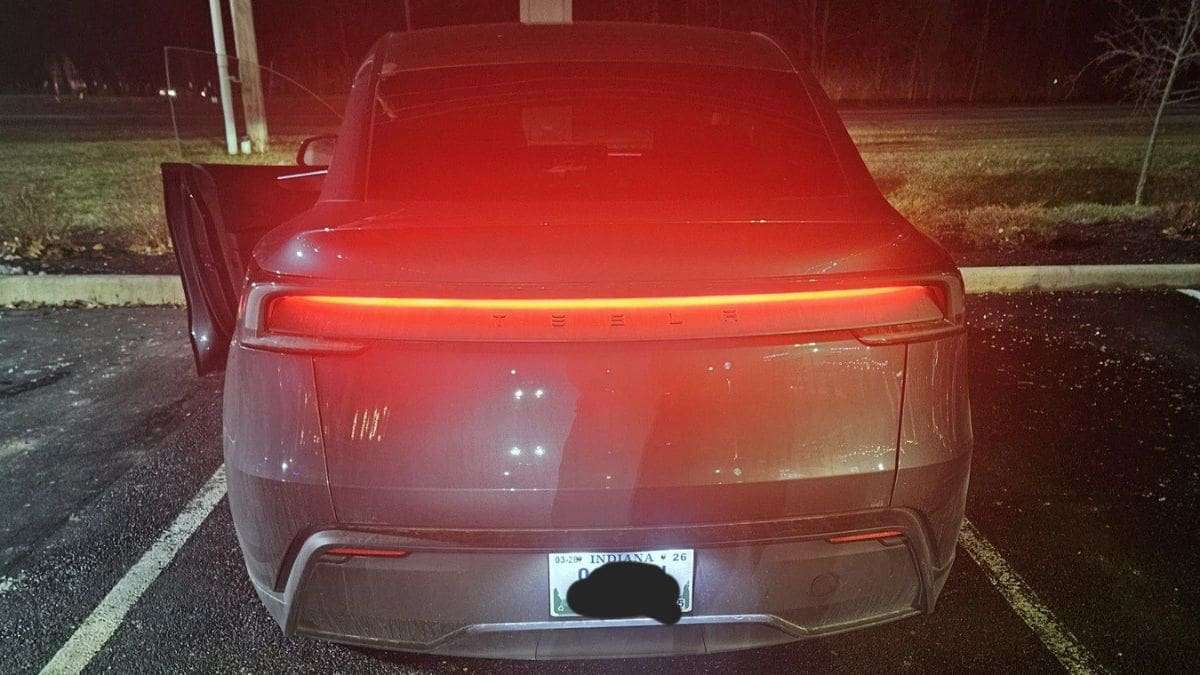
That tension is what led Steven Samuel Adams to share his experience in the “Tesla Model Y 2025–2026+ Juniper” Facebook group. Steven explained that he was pulled over in his nearly brand-new Tesla Model Y, which has just 1,100 miles on it, because an officer believed his tail lights were not illuminated. According to Steven, the rear light bar, brake lights, and turn signals were all working normally, but the officer insisted that the areas around the brake lights should also be lit. Here is how Steven described the encounter:
“I just got pulled over for my tail lights not being ‘on.’ I told the officer it's brand new. It has 1,100 miles. I told him the red light bar is the tail light. The brake lights, both turn signals, and the red bar was on/worked. He told me that, where the brake lights are, it should be illuminated there also. He gave me a warning and told me to get it fixed. Has anyone else had this kind of issue?”
When Familiar Shapes Disappear
For decades, tail lights followed a predictable visual formula. They sat on the outer corners of a vehicle, glowed steadily at night, and became brighter when the brakes were applied. That consistency made them easy to identify without much thought.
The Model Y Juniper’s rear light bar departs from that approach. Instead of separate illuminated housings on each side, the vehicle uses a single continuous horizontal bar to serve as the tail light. From a design and visibility perspective, the concept is straightforward. For someone encountering it for the first time, it can feel unintuitive. The lights are active, but they are not positioned where many people instinctively expect them to be.
This type of learning curve is common throughout Tesla ownership. Many drivers say their expectations shift quickly once they live with the car day to day. That adjustment can include realizing how a used Tesla Model 3 can essentially pay for itself through gas savings or adapting to software-driven features that traditional vehicles never offered. Lighting design is simply another area where long-standing habits take time to adjust.
What Regulations Focus On
Steven’s experience naturally raises the question of whether the vehicle was actually doing anything wrong from a legal standpoint. In the United States, exterior vehicle lighting is governed by Federal Motor Vehicle Safety Standards, specifically FMVSS Part 108. These regulations focus on color, brightness, visibility angles, and placement requirements for tail lamps, brake lamps, and turn signals.
What the rules do not dictate is a specific visual style. Tail lights are not required to appear in the same housing as brake lights, nor do they need to follow a traditional layout. Manufacturers are given flexibility as long as the lighting meets performance and visibility requirements. A company like Tesla would not be able to sell a vehicle globally without certifying that its lighting system complies with these standards anyways. That distinction is important. A design can be fully legal and functional while still looking unfamiliar enough to raise questions during a traffic stop.
What Other Owners Said in Response
Steven’s post drew responses from other owners who immediately recognized the situation and shared their perspectives.
Joseph Labastida wrote, “In situations like that you get their badge number.”
That response reflects a defensive instinct many drivers have when a stop feels questionable. For some owners, documenting the encounter feels like a way to protect themselves if confusion turns into repeat warnings or citations.
Kevin Oser offered a more detailed response based on his background and ownership experience: “I’ve worked in law enforcement for a long time and I own a new Juniper. The tail lights definitely caught my eye the first time I saw them because tail lights generally extend to the far left and right on the rear of a vehicle and these do not. They make the rear of the car look narrower than it is. In the US, the Federal Motor Vehicle Safety Standards (FMVSS) part 108 regulate things like the position, color, and intensity of exterior lights on cars. I haven’t looked this one up, but I’m pretty certain a car manufacturer like Tesla went through the trouble of ensuring global compliance before releasing the new Model Y.
That cop had good intentions, but he should have researched the regulation before making traffic stops for it. He’ll figure it out when he starts seeing more Junipers driving around or gets humbled by a coworker.”
Kevin’s perspective adds important nuance. Rather than framing the stop as malicious, he points to unfamiliarity. His comment suggests this is the kind of issue that fades as newer designs become more common on the road.
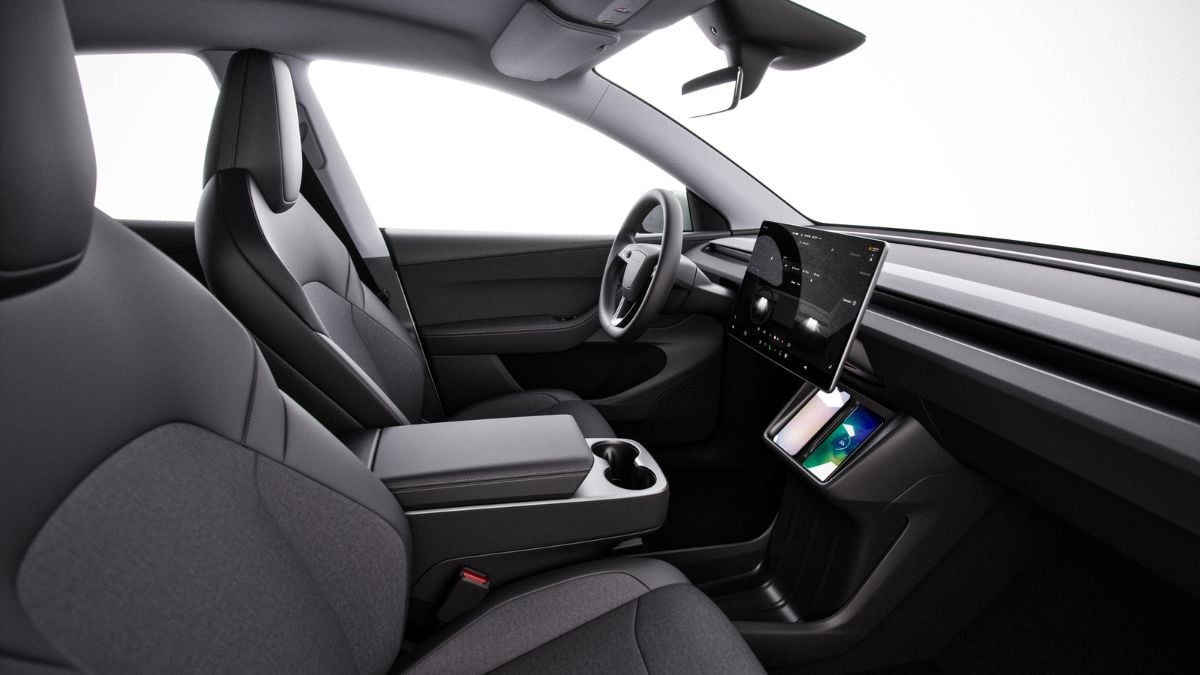
Mark Tomlinson shared a story that highlighted how unfamiliar technology can lead to confusion. He wrote, “My brother-in-law was pulled over in a very rural town for driving with his computer open. The officer was impressed when it was explained that it was part of the car. He had just never seen anything like it before.”
This story closely mirrors Steven’s experience. It highlights how unfamiliar technology often triggers stops simply because it looks unusual, not because it is unsafe or illegal.
Taken together, the comments suggest the issue is less about enforcement and more about exposure. New designs often appear wrong until they become familiar. What stands out in these responses is how quickly experience changes perspective. Owners who live with newer designs every day tend to understand that unfamiliar does not mean unsafe or non-compliant. At the same time, the comments show why patience and clear communication matter in these situations since widespread exposure usually resolves confusion faster than confrontation.
A Broader Pattern With New Technology
Moments like Steven’s tend to occur during periods of rapid change. As vehicles add more screens, automation, and unconventional design choices, misunderstandings become more common. Many Tesla owners describe a similar adjustment period when switching from performance-oriented gas cars. That shift becomes especially clear after understanding why someone might trade a BMW M3 for a Tesla Model 3 after just 15 minutes behind the wheel, because charging costs and daily usability can fundamentally change the ownership equation.
What feels intuitive to an owner who lives with the vehicle every day can seem strange to someone encountering it for the first time on the roadside. I view Steven’s experience as a reminder that automotive progress does not move at the same pace as public understanding. Tesla often pushes design boundaries early, which means owners sometimes become informal ambassadors for features that are still unfamiliar to the broader public.
In this situation, the vehicle itself does not appear to be the problem. The larger issue is how quickly expectations can become outdated. Most owners adapt quickly and often end up recommending the vehicle strongly. Stories like those who drove a Tesla Model Y nearly 19,000 miles a year and still highly recommending it reflect that adjustment. Encounters like Steven’s are frustrating, but they also represent a transitional moment as new ideas challenge long-standing assumptions.
Key Takeaways
- Legal does not always look familiar: Compliance with regulations does not guarantee instant recognition.
- Design innovation creates learning curves: Both owners and authorities need time to adjust.
- Calm explanations often help: Many misunderstandings resolve without citations.
- Exposure changes perception: What seems unusual today often becomes normal tomorrow.
What Do You Think?
Have you ever been pulled over or questioned because someone misunderstood a feature on your vehicle?
And if you drive a Tesla or another EV with unconventional design choices, have you noticed similar moments of confusion from others on the road?
Aram Krajekian is a young automotive journalist bringing a fresh perspective to his coverage of the evolving automotive landscape. Follow Aram on X and LinkedIn for daily news coverage about cars.
Image Sources: The “Tesla Model Y 2025-2026+ Juniper” Facebook group and Tesla’s gallery, respectively.
Set Torque News as Preferred Source on Google
Follow us today...