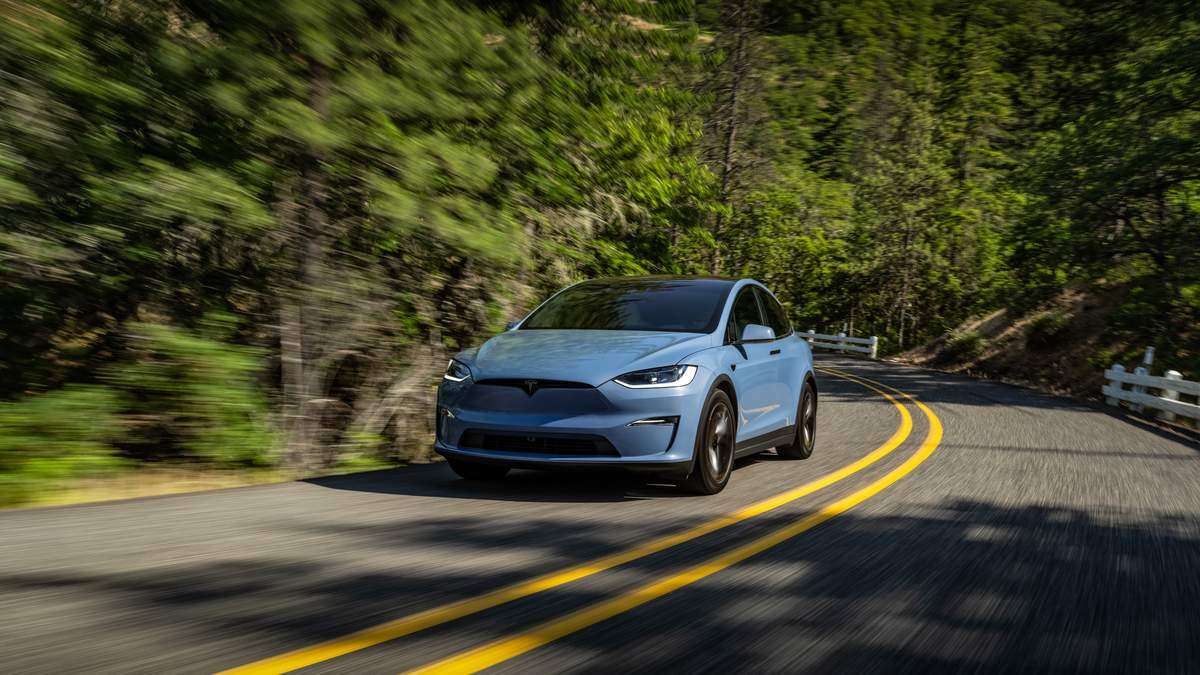

Buying a new car is supposed to be the cleanest transaction in the automotive world. You show up, inspect a pristine machine, sign the paperwork, and drive away believing that the hard part is over.
For vehicles that occupy the upper reaches of the price spectrum, that expectation is not unreasonable, which is why the recent account from a Model X buyer who rejected delivery after a first inspection has resonated so strongly.
It is not a story about nitpicking or unrealistic expectations, but about fundamentals that should be settled long before a customer ever sees the car.
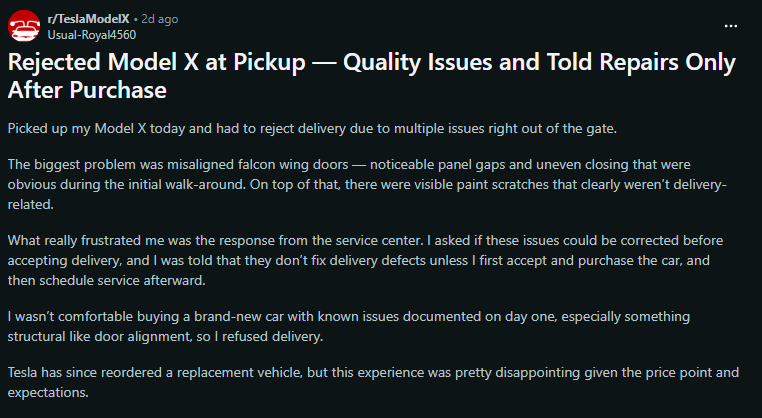
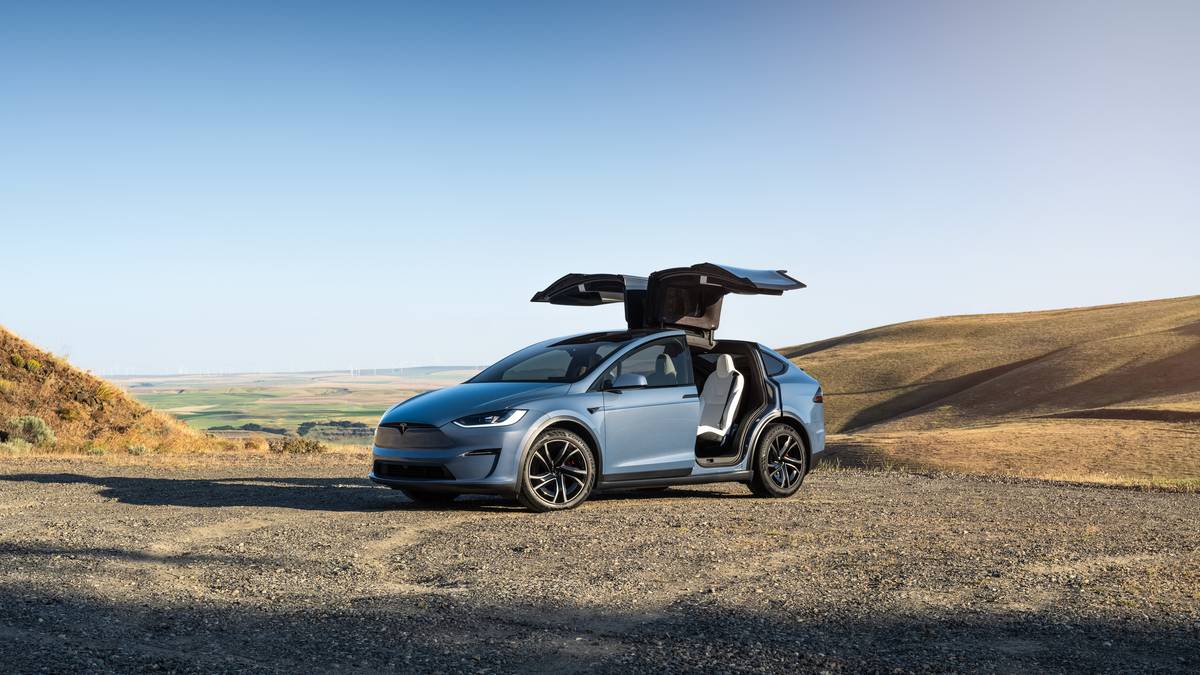
The buyer, posting on r/TeslaModelX under the name Usual-Royal4560, described arriving for pickup only to find misaligned Falcon wing doors with visible panel gaps and uneven closing. Paint scratches were also present, and notably not the kind that could be dismissed as last-minute handling damage. When the buyer asked whether these defects could be corrected before accepting delivery, the response from the service center was blunt. The issues would only be addressed after the car was purchased and formally accepted, at which point a service appointment could be scheduled. Faced with that condition, the buyer refused delivery and requested a replacement vehicle.
“Picked up my Model X today and had to reject delivery due to multiple issues right out of the gate.
The biggest problem was misaligned Falcon wing doors, noticeable panel gaps, and uneven closing that were obvious during the initial walk-around. On top of that, there were visible paint scratches that clearly weren’t delivery-related.
What really frustrated me was the response from the service center. I asked if these issues could be corrected before accepting delivery, and I was told that they don’t fix delivery defects unless I first accept and purchase the car, and then schedule service afterward.
Advertising
I wasn’t comfortable buying a brand-new car with known issues documented on day one, especially something structural like door alignment, so I refused delivery.
Tesla has since reordered a replacement vehicle, but this experience was pretty disappointing given the price point and expectations.”
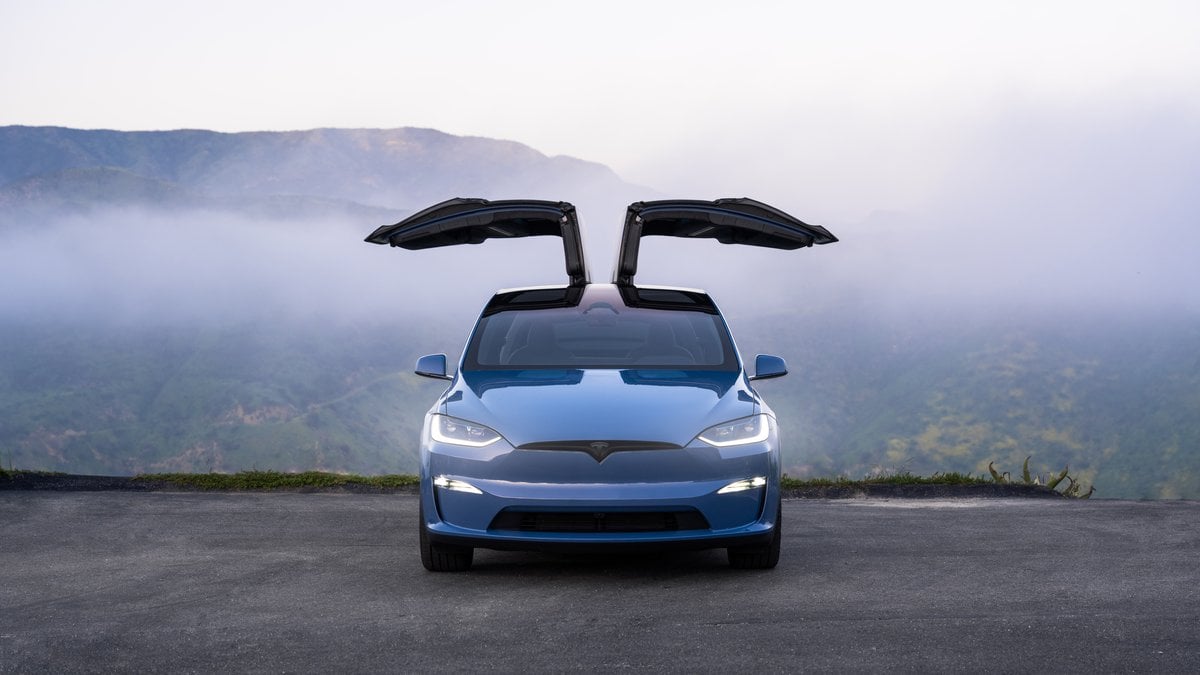
From a purely consumer standpoint, the decision is difficult to argue against. Door alignment on a Model X is not a cosmetic afterthought. The falcon wing doors are among the vehicle’s defining features, complex in both structure and operation. When they appear visibly misaligned during a walk-around, the concern is not vanity but long-term function, sealing, and durability. Accepting a new vehicle with documented structural or assembly issues requires a leap of faith that many buyers, understandably, are unwilling to make.
Tesla Model X: Falcon Wing Doors & Battery Pack
- The Model X’s larger footprint and three-row configuration prioritize passenger capacity, though its size is more apparent in urban driving and tight parking scenarios.
- Falcon Wing rear doors improve access to the second and third rows, while adding mechanical complexity and sensitivity to overhead clearance.
- A low-mounted battery pack helps manage body roll for a vehicle of its height, but overall weight still shapes braking and cornering behavior.
- Cargo flexibility is enhanced by a flat load floor and front trunk, though usable space behind the third row is limited when all seats are in use.
The frustration was compounded by the logistics of the experience. The buyer noted that the pickup required a two-hour drive, turning what should have been an exciting delivery day into a wasted trip. Other commenters were quick to point out that making the drive was still preferable to accepting delivery sight unseen, an observation that says as much about the current climate of trust as it does about convenience. Inspection in person remains the last line of defense for customers who want to ensure that what they are buying meets basic expectations.
Several responses echoed a familiar refrain: this was not an isolated incident. One commenter stated simply, “You are not alone,” while another remarked that the car should never have made it to the delivery checkpoint in that condition. A separate owner recounted accepting delivery in harsh winter weather, only to later discover a cracked windshield that triggered a camera fault. That issue was eventually resolved, but only after additional appointments and delays. The common thread is not that problems occur, but that they are being discovered by customers rather than intercepted earlier in the process.
Perhaps the most revealing comment came from a user who described a similar experience in 2022, noting that long wait times for the Model X led many buyers to accept flawed vehicles rather than risk further delays. That calculus, waiting versus walking away, is not one that should accompany the purchase of a premium vehicle. When anticipation and scarcity begin to pressure customers into overlooking visible defects, the balance of responsibility shifts uncomfortably away from the manufacturer.
It is worth acknowledging that Tesla did reorder a replacement vehicle for the Model X, which suggests a willingness to correct the situation eventually. But the policy of requiring acceptance before addressing obvious delivery defects remains the central point of contention. For many buyers, signing paperwork transforms leverage into hope, and hope is not a substitute for proper quality control. A pre-purchase fix is not an unreasonable request when the problems are already identified and documented.
This episode does not hinge on hostility or brand loyalty, but on expectations that apply across the industry. A vehicle like the Model X is ambitious by design, and ambition brings complexity. That makes early inspection and accountability more important, not less. The buyer who walked away did so not out of spite, but out of principle, choosing to delay ownership rather than begin it with unresolved questions. In doing so, they highlighted a simple truth that still matters in modern car buying: a new car should arrive finished, aligned, and worthy of the moment it is handed over.
Image Sources: Tesla Media Center
Noah Washington is an automotive journalist based in Atlanta, Georgia. He enjoys covering the latest news in the automotive industry and conducting reviews on the latest cars. He has been in the automotive industry since 15 years old and has been featured in prominent automotive news sites. You can reach him on X and LinkedIn for tips and to follow his automotive coverage.
Set Torque News as Preferred Source on Google
Follow us today...