
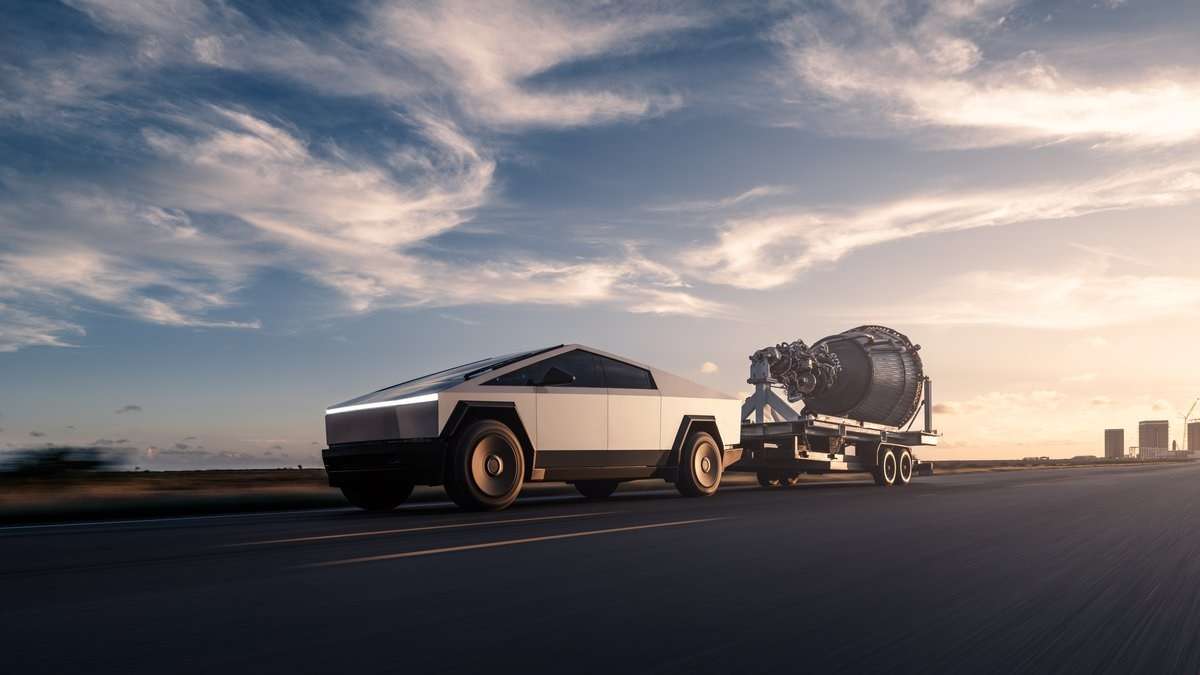

A Tesla Cybertruck advertised as an immediately available demo vehicle should represent the low-risk end of the buying spectrum. Minimal miles, known history, fast delivery. That expectation is exactly what makes a recent post in r/TeslaSupport resonate so strongly. According to the buyer, a Cybertruck AWD with just 16 miles on the odometer crossed from inconvenience into something far more troubling when Tesla disclosed, after taking an order fee, that the truck required a full high-voltage battery pack replacement.
The timeline matters. The buyer placed the order on December 31 for a demo Cybertruck listed as ready for immediate pickup at Tesla’s Tucson, Arizona, location. As with any demo purchase, they requested a brief vehicle history while completing the trade-in and leasing steps. Hours later, Tesla called to explain that the vehicle could not be delivered because service had identified a need for a new HV battery pack. For a vehicle with 16 miles, that is not a minor issue. It is a foundational failure of the most expensive component in the truck.
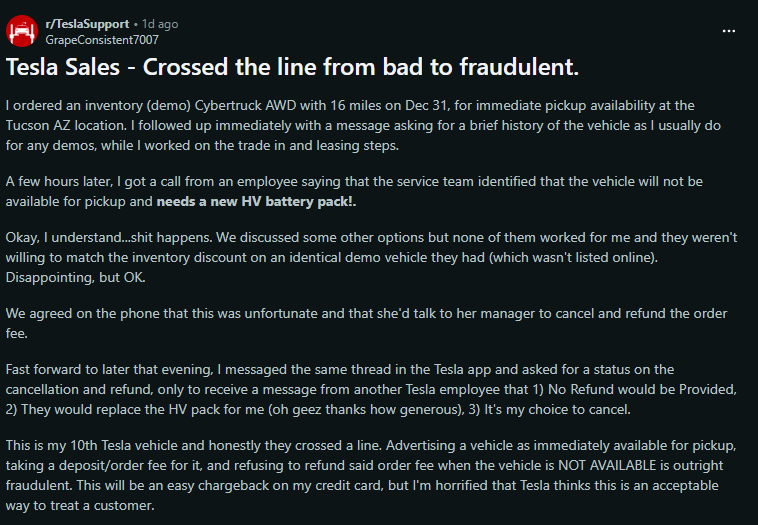
“I ordered an inventory (demo) Cybertruck AWD with 16 miles on Dec 31, for immediate pickup availability at the Tucson, AZ location. I followed up immediately with a message asking for a brief history of the vehicle, as I usually do for any demos, while I worked on the trade-in and leasing steps.
A few hours later, I got a call from an employee saying that the service team identified that the vehicle will not be available for pickup and needs a new HV battery pack!.
Okay, I understand...shit happens. We discussed some other options, but none of them worked for me, and they weren't willing to match the inventory discount on an identical demo vehicle they had (which wasn't listed online). Disappointing, but OK.
We agreed on the phone that this was unfortunate and that she'd talk to her manager to cancel and refund the order fee.
Fast forward to later that evening, I messaged the same thread in the Tesla app and asked for a status on the cancellation and refund, only to receive a message from another Tesla employee that 1) No Refund would be Provided, 2) They would replace the HV pack for me (oh geez thanks how generous), 3) It's my choice to cancel.
Advertising
This is my 10th Tesla vehicle, and honestly, they crossed a line. Advertising a vehicle as immediately available for pickup, taking a deposit/order fee for it, and refusing to refund said order fee when the vehicle is NOT AVAILABLE is outright fraudulent. This will be an easy chargeback on my credit card, but I'm horrified that Tesla thinks this is an acceptable way to treat a customer.”
At that point, the interaction was still salvageable. The buyer acknowledged that things happen and discussed alternative options, but Tesla declined to match the inventory discount on another identical demo Cybertruck that was not publicly listed. Disappointing, but not unprecedented. Crucially, both parties reportedly agreed on the phone that the order would be canceled and the order fee refunded. That should have been the end of the story.
Tesla Cybertruck: Layout & Battery Placement
- Vehicle mass and battery placement contribute to strong straight-line stability while increasing braking demands and tire wear considerations.
- The flat windshield and angular roof geometry affect glare management and wiper coverage during adverse weather.
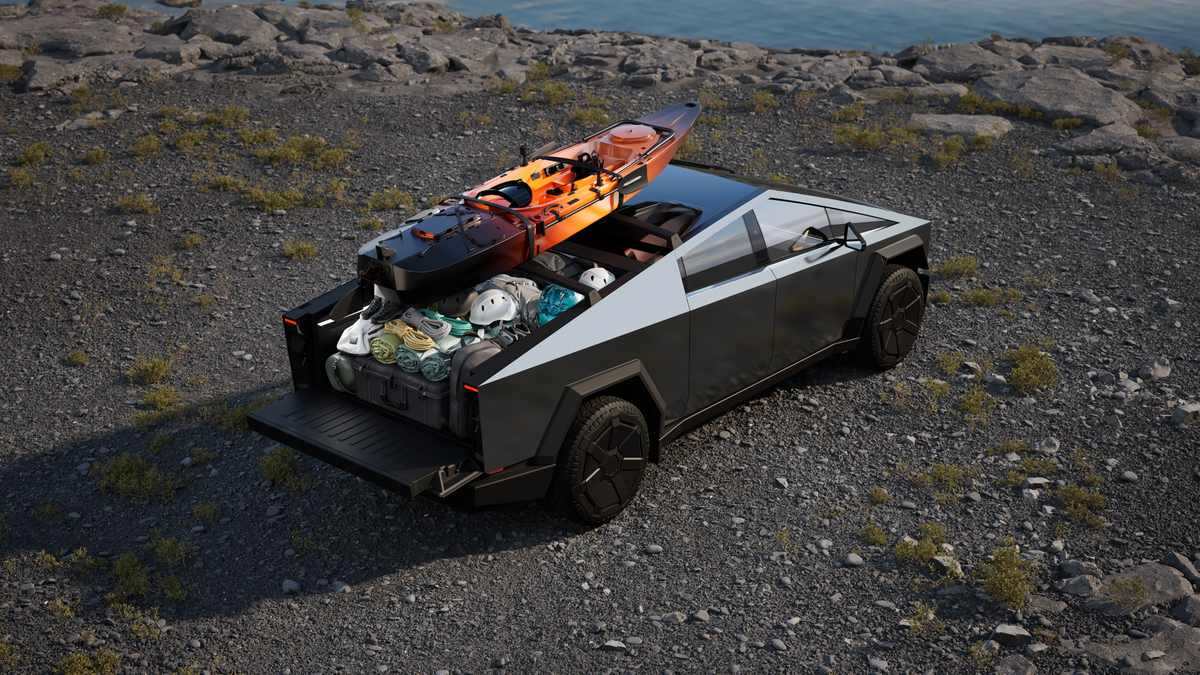
- Storage solutions are distributed across the cabin and exterior, encouraging a different approach to organizing tools and personal items.
- Software updates play an outsized role in feature availability, making long-term ownership experience closely tied to system support and interface changes.
Instead, the situation escalated later that evening. When the buyer followed up through the Tesla app to confirm the cancellation, a different Tesla employee responded with a very different position. No refund would be provided. Tesla would replace the high-voltage battery pack. Cancellation was now framed as the buyer’s choice, not a consequence of Tesla’s inability to deliver the vehicle as advertised. That reversal is what pushed the buyer to accuse Tesla of crossing “the line from bad to fraudulent.”
From the buyer’s perspective, the argument is straightforward. Tesla advertised a vehicle as immediately available, accepted an order fee, then revealed the vehicle was not available due to a major defect, and still refused to refund the fee. The buyer, who noted this would have been their tenth Tesla, stated plainly that this would be “an easy chargeback” and expressed shock that Tesla viewed this as acceptable customer treatment.
The comments add important nuance. Some users pointed out that chargebacks are not always simple, noting that Tesla has historically fought them by submitting contracts and documentation to credit card issuers. Others debated the use of the word “fraud,” correctly noting that fraud typically requires intent, which may be difficult to prove if Tesla did not know about the battery issue at the time of listing. Still, several commenters argued that breach of contract alone is sufficient grounds for a successful chargeback, regardless of whether fraud can be legally established.
What unsettles many readers is not just the refund dispute, but the underlying mechanical issue. A brand-new or near-new Cybertruck requiring a high-voltage battery replacement raises uncomfortable questions. Was the pack truly new or refurbished? One commenter claimed Tesla verbally described a replacement as new, only for written documentation to indicate it was refurbished. That distinction matters, especially on a demo vehicle being sold at a discount but marketed as effectively new.
The company’s streamlined, app-driven process works smoothly when everything aligns. When it does not, communication gaps and rigid policies can leave customers feeling trapped between departments that do not share the same understanding of an agreement. In traditional dealer environments, this would likely be resolved with a manager and a canceled deal. In Tesla’s ecosystem, it becomes a dispute mediated by chat logs and payment processors.
It is also a reminder that demos occupy a gray area. They are sold as discounted opportunities, but still carry expectations of basic integrity. A demo vehicle needing a major drivetrain component replacement before delivery is not “immediately available” in any meaningful sense, regardless of how quickly Tesla believes it can perform the repair.
Whether the buyer ultimately wins the chargeback remains to be seen. What is clear is that this episode undermines confidence at precisely the wrong moment. The Cybertruck is already a polarizing product. Stories like this do not hinge on styling or performance, but on trust. When a customer is willing to walk away from a purchase and still cannot recover an order fee tied to an undeliverable vehicle, the damage extends beyond one transaction. It becomes a cautionary tale for anyone assuming that “inventory available now” means what it plainly says.
Image Sources: Tesla Media Center
Noah Washington is an automotive journalist based in Atlanta, Georgia. He enjoys covering the latest news in the automotive industry and conducting reviews on the latest cars. He has been in the automotive industry since 15 years old and has been featured in prominent automotive news sites. You can reach him on X and LinkedIn for tips and to follow his automotive coverage.
Set Torque News as Preferred Source on Google
Follow us today...




Comments
Honestly, this all sounds…
Permalink
Honestly, this all sounds very typical, given all the stories we've heard of Tesla shtupping customers.