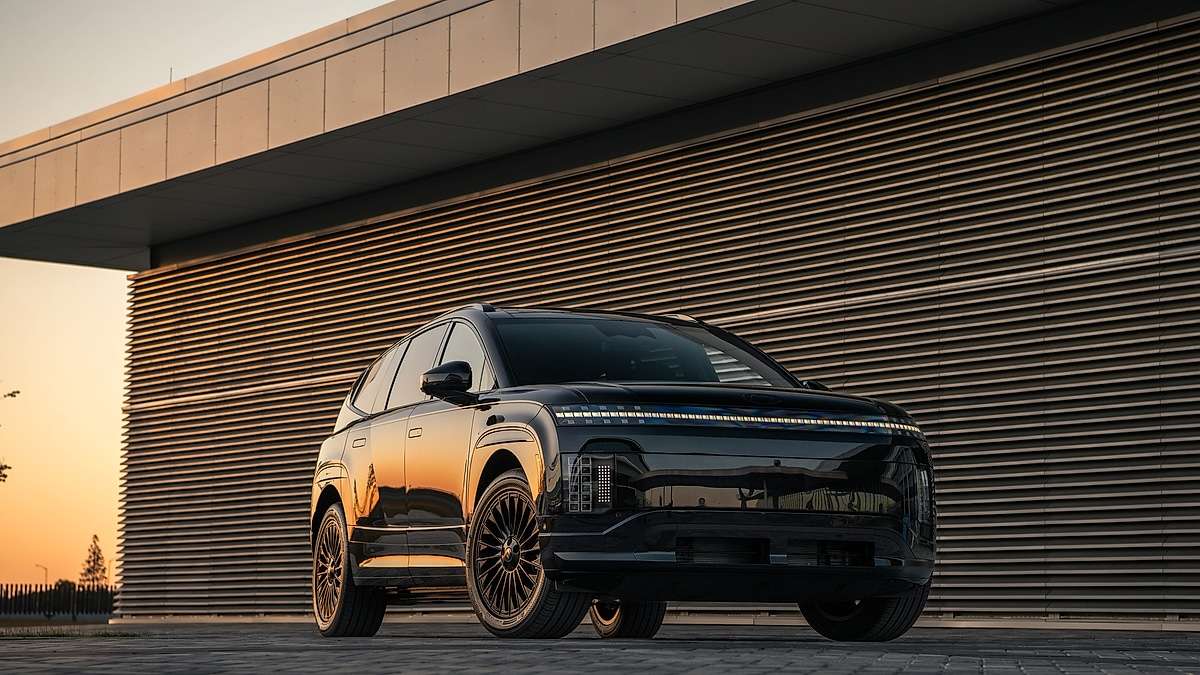

Most comparison reviews between the Hyundai Ioniq 9 and Kia EV9 are written by journalists who have spent a day or two in each vehicle. UnhappySwing has a different credential: he owned an EV9 for roughly two years, watched its high-voltage battery fail, accepted a buyback from Kia, and then purchased an Ioniq 9. His comparison covers not showroom impressions but daily life with both vehicles at similar trim levels.
UnhappySwing, who posted his analysis to a Reddit community focused on the Ioniq 9, specified that his comparison pits an EV9 Light Long Range against an Ioniq 9 SE. Both are the second-lowest trims in their respective lineups. The vehicles share the same Hyundai-Kia E-GMP platform, the same 800-volt electrical architecture, and the same underlying software stack, but the two brands have made different choices about what to include at the entry level and what to charge extra for.
The Buyback That Started the Comparison
UnhappySwing's path to the Ioniq 9 began with a failure. The high-voltage battery in his EV9 failed after about two years of ownership, and Kia executed a buyback rather than attempting a replacement. That experience might have pushed another buyer toward a different brand entirely, but UnhappySwing stayed within the Hyundai-Kia ecosystem and chose the Ioniq 9.
The battery failure itself is notable because it represents a relatively rare but consequential failure mode for any EV owner. High-voltage battery replacements on modern electric vehicles can cost more than the vehicle is worth, which is why manufacturers typically warranty them for 8 to 10 years. When a battery fails inside that window, a buyback is often the manufacturer's most cost-effective solution. UnhappySwing does not specify the exact nature of the failure, or whether it was covered under warranty, but the fact that Kia chose to buy the vehicle back rather than repair it suggests the failure was substantial.
Trim Strategy: Comfort vs. Practicality
The most significant difference between the two vehicles, in UnhappySwing's view, is what each brand chooses to include at the lower trim levels.
The EV9 Light Long Range came with ventilated front seats, a feature UnhappySwing says he and his family loved. The Ioniq 9 SE does not offer ventilated seats at all. The EV9 also included power-folding side mirrors, while the Ioniq 9 SE lacks even power side mirrors, an omission UnhappySwing describes as absurd.
Newer EV9 Light Long Range models also include a front sunroof, which the Ioniq 9 SE does not. UnhappySwing counts that as a win for the Hyundai, noting that he dislikes sunroofs and would rather not have one.
Where the Ioniq 9 SE fights back is on practical hardware. It includes all-wheel drive as standard, while the EV9 Light Long Range was rear-wheel drive only. The Ioniq 9 SE also includes a heat pump, which improves winter efficiency and cabin heating performance, while the EV9 reserves that feature for the higher Wind trim. Roof rails, which expand cargo carrying options, are also standard on the Ioniq 9 SE but absent from the EV9 Light Long Range.
Another commenter, grimy55, offered an important pricing context: the Ioniq 9 SE is more directly comparable to the EV9 Wind trim in terms of manufacturer-suggested retail price, not the Light Long Range. The Wind trim adds the heat pump, all-wheel drive, roof rails, and sunroof that the Light Long Range lacks. That means some of UnhappySwing's comparison points reflect trim-level mismatch as much as brand philosophy.
UnhappySwing also noted that the EV9 Light Long Range included a 12-volt power outlet in the rear cargo area, while the Ioniq 9 SE does not. Grimy55 confirmed that they use that outlet in their base-trim EV9 to power a refrigerator on road trips. On the other hand, grimy55 noted that the Ioniq 9's USB-C ports are rated at 100 watts, compared with 30 watts in the EV9, which would allow a passenger to power and use a laptop.
SpiritualCatch6757, another Ioniq 9 owner, suggested that UnhappySwing would have been happier with the Ioniq 9 SEL, which adds ventilated seats, power-folding mirrors, and a surround-view camera system for easier parking. UnhappySwing agreed, but explained that he found a demo Ioniq 9 SE selling at used pricing with only 100 miles on the odometer, and the deal was too good to pass up.
Ride Quality: One Inch Makes a Difference
UnhappySwing reports that the Ioniq 9 rides slightly smoother than the EV9, with less side-to-side motion and a less boat-like feel on the road. He characterizes the difference as noticeable but not dramatic.
He also felt slightly lower to the ground in the Ioniq 9, a sensation he acknowledged might be partly psychological. SpiritualCatch6757 confirmed that it is not perception: the Ioniq 9 rides approximately one inch lower than the EV9. That lower center of gravity likely contributes to the reduced body roll UnhappySwing describes, though it also means less ground clearance for drivers who encounter rough roads or snow.
A Canadian owner, tracer_ca, noted that the EV9's higher ground clearance was a specific advantage on the rough road to their cottage, suggesting that the ride height difference is not merely academic for buyers in rural or unpaved environments.
The regenerative braking system is also noticeably more aggressive in the Ioniq 9. UnhappySwing, who uses the left steering-wheel paddle to maximize regen braking on neighborhood streets, reports that the Ioniq 9 comes to a complete stop much more quickly than the EV9 did using the same technique. He speculates that the dual-motor all-wheel-drive system in the Ioniq 9 may enable stronger regen than the rear-wheel-drive EV9 Light Long Range could deliver.
Interior: Cargo Space vs. Hatch Opening
Both vehicles offer three rows of seating, and UnhappySwing, who is approximately six feet tall, found both equally comfortable for passengers. He does not notice a meaningful difference in legroom for either the second or third row.
Where the Ioniq 9 does win on interior space is behind the third row. When the rearmost seats are folded, UnhappySwing reports noticeably more cargo volume in the Ioniq 9. That extra length becomes significant when loading groceries or equipment, and the difference is large enough to feel in daily use.
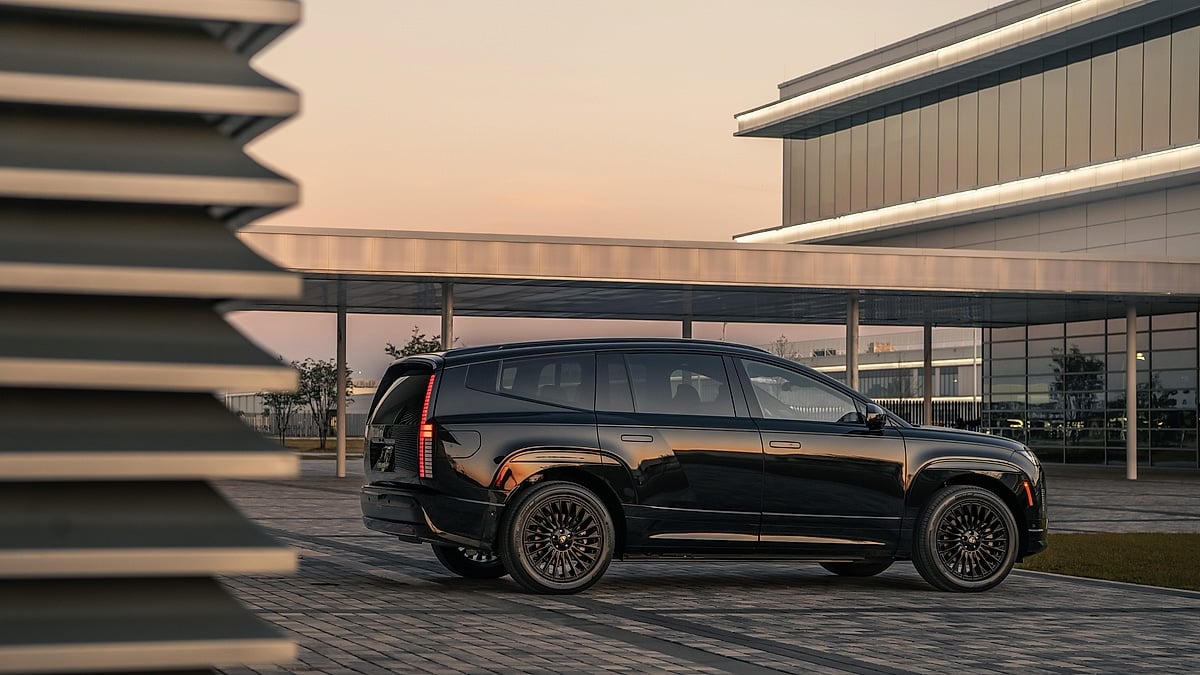
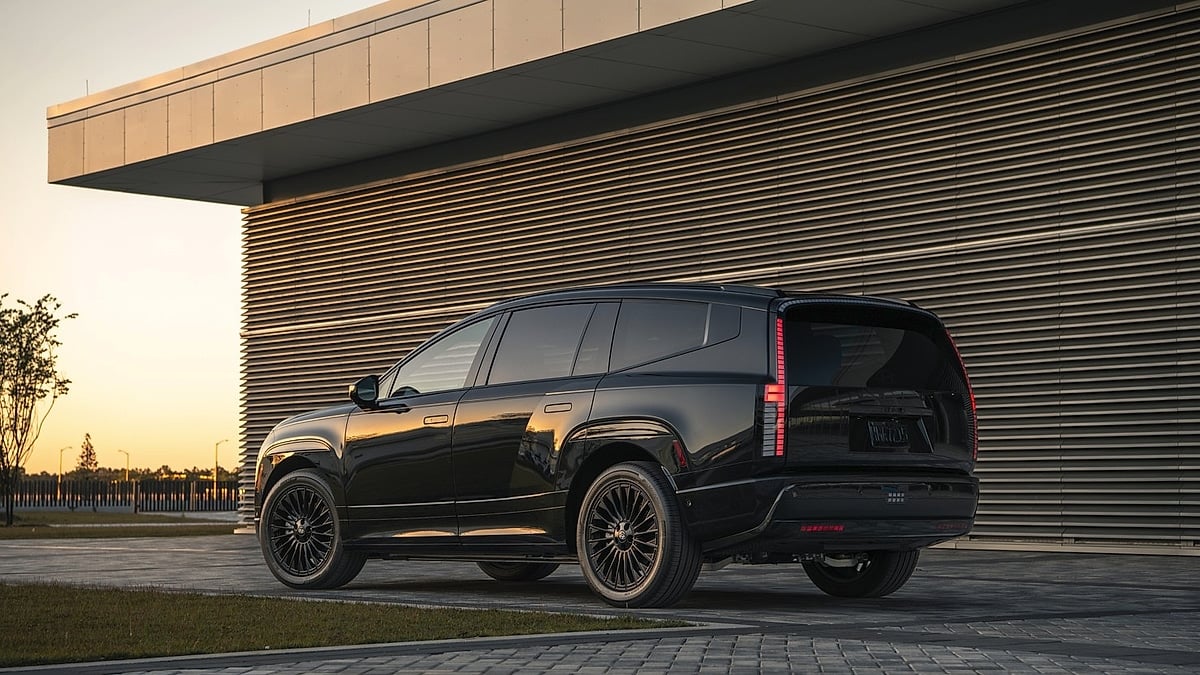
But Hyundai's design choice creates a countervailing problem. The Ioniq 9's sloped rear hatch, which UnhappySwing and other commenters describe as the "electric hearse" look, produces a cargo opening that is considerably smaller than the EV9's more upright tailgate. Even though the total interior volume is larger, the physical aperture for loading items is more restrictive. UnhappySwing calls it a very weird design choice and predicts he will find himself annoyed when trying to load suitcases or home repair materials.
Commenter demunted agreed, noting that Hyundai was trying to reduce aerodynamic drag and hide electronics behind the rear panels, but the result is irritating when loading larger objects. ElectroSpore, another Ioniq 9 owner, cited the cargo advantage as one of three primary reasons for choosing the Hyundai over the Kia, alongside legroom and range. They noted that the space difference is significant only if you actually test it in person, and referenced an Edmunds comparison video that demonstrated the Ioniq 9 fitting three pieces of luggage, where the EV9 accommodated only two.
What Is Identical: Software, App, Sound, and Headaches
UnhappySwing's list of similarities is as telling as his list of differences. The software interface is the same in both vehicles, and his verdict is that some people hate it while he finds it acceptable. The smartphone app for remote functions, which both brands use, is equally disappointing in his view. The sound systems are indistinguishable to his ears. And Hyundai's Highway Driving Assist 2, the Level 2 advanced driver assistance system, functions identically in both vehicles.
Perhaps most revealing is his assessment of technical issues and customer service. He reports that both vehicles have experienced problems, and both manufacturers have done a poor job of providing timely service. That observation undercuts any assumption that choosing Hyundai over Kia, or vice versa, will guarantee a smoother ownership experience when something goes wrong.
Commenter demunted expanded on the app complaint, describing the design as early-2000s quality and noting that it lacks modern features like Android widgets. They also listed several other gripes that apply to both vehicles: forgetting to power the vehicle off when leaving roughly 20 percent of the time, a steering wheel that could be larger to improve visibility of the instrument cluster, and climate controls that rely on touch panels rather than physical buttons.
UnhappySwing confirmed one specific interface complaint: the air conditioning controls are handled better in the Ioniq 9. He called the EV9's climate interface annoying, though not a dealbreaker.
The Performance Trim Gap
One area where the EV9 currently holds an advantage that the Ioniq 9 cannot match is high-performance variants. Sir_Coleslaw, a commenter who test-drove both vehicles, chose the EV9 GT specifically because Kia offers a performance-oriented model while Hyundai does not.
However, cultoftheclave pointed out that the US market receives a nerfed version of the EV9 GT-Line that is actually slightly less powerful than the highest trim Ioniq 9, producing 376 horsepower against the Ioniq 9's 422 horsepower. The full EV9 GT with 508 horsepower is not available in the United States, which narrows the real-world performance gap for American buyers. Hyundai does offer three performance trims for the Ioniq 9 in some markets: Performance Limited, Performance Calligraphy, and Performance Calligraphy Design.
Cultoftheclave, who owns an EV9 GT-Line alongside a Polestar 2 and a Lucid Air GT, offered an additional observation: in day-to-day driving, he does not notice the power differences between his 508-horsepower EV9, his 476-horsepower Polestar, and his 800-horsepower Lucid. He noted that the torque figures are similar across the EV9 trim levels, and that only during high-speed passing does the full GT's extra horsepower become meaningful.
The Canadian Perspective: Price Parity Changes the Math
Tracer_ca, who is based in Canada, offered a detailed comparison that adds important geographic context. In the Canadian market, the base all-wheel-drive trims of both vehicles cost exactly the same, eliminating the price advantage that UnhappySwing says typically favors the EV9 in the United States.
With price removed from the equation, tracer_ca's preference boiled down to specific feature differences. The EV9 Land AWD offered easier trunk access, more comfortable seats, a standard vehicle-to-load power outlet in the trunk, more ground clearance, and better exterior styling, in their opinion. The Ioniq 9 Preferred AWD+ countered with better range from its larger battery, a 360-degree surround-view camera, a Bose sound system versus the EV9's base audio, cloth seats rather than synthetic leather, a curved driver-facing screen, more horsepower, and more cargo space.
Tracer_ca ultimately chose the Ioniq 9 for three reasons: range, cargo capacity, and the surround-view camera.
The Verdict: Buy the Cheaper One
UnhappySwing's overall recommendation is straightforward: take whichever vehicle is cheaper, because for most buyers the differences are not large enough to justify paying more for one over the other. Most of the time, he adds, that will be the EV9.
His own situation was an exception. He happened to find a heavily discounted demo Ioniq 9 SE that undercut comparable EV9 pricing, making the switch worthwhile. But he does not argue that the Ioniq 9 is categorically superior. From a practical standpoint, he gives the Ioniq 9 a narrow win because it includes more useful hardware at the lower trim level, particularly the all-wheel drive, heat pump, and roof rails. From a comfort standpoint, the EV9's ventilated seats and power mirrors are features he misses.
The broader takeaway is that Hyundai and Kia have built two fundamentally similar vehicles on the same platform and then differentiated them through trim strategy and styling rather than through mechanical substance. Buyers choosing between them are largely choosing between comfort features and practical features, between a boxy upright SUV silhouette and a sleeker but less convenient hatch, and between brand identities that have not yet established meaningful reliability differences in the three-row electric segment.
For shoppers cross-shopping the two, UnhappySwing's advice and tracer_ca's detailed feature list offer a more useful decision framework than most spec-sheet comparisons. Drive both, load your typical cargo into each, and buy the one that costs less. In a segment where both vehicles share the same underlying strengths and the same underlying weaknesses, that may be the most honest guidance available.
About The Author
Noah Washington is an automotive journalist based in Atlanta, Georgia, covering sports cars, luxury vehicles, and performance culture. His reporting focuses on explaining the engineering, design philosophy, and real-world ownership experience behind modern vehicles.
Noah has been immersed in the automotive world since his early teens, attending industry events and following the enthusiast communities that shape how cars are built and driven today. His work blends industry insight with enthusiastic storytelling, helping readers understand not just what a car is, but why it matters.
Noah is also a member of the Southeast Automotive Media Association (SAMA), a professional organization for automotive journalists and industry media in the Southeast.
His coverage regularly explores sports cars, luxury vehicles, and performance-driven segments of the automotive industry, including the evolving culture surrounding Formula Drift and enthusiast builds.
Read more of Noah's work on his author profile page.
You can also follow Noah here:
Set Torque News as Preferred Source on Google
Follow us today...