
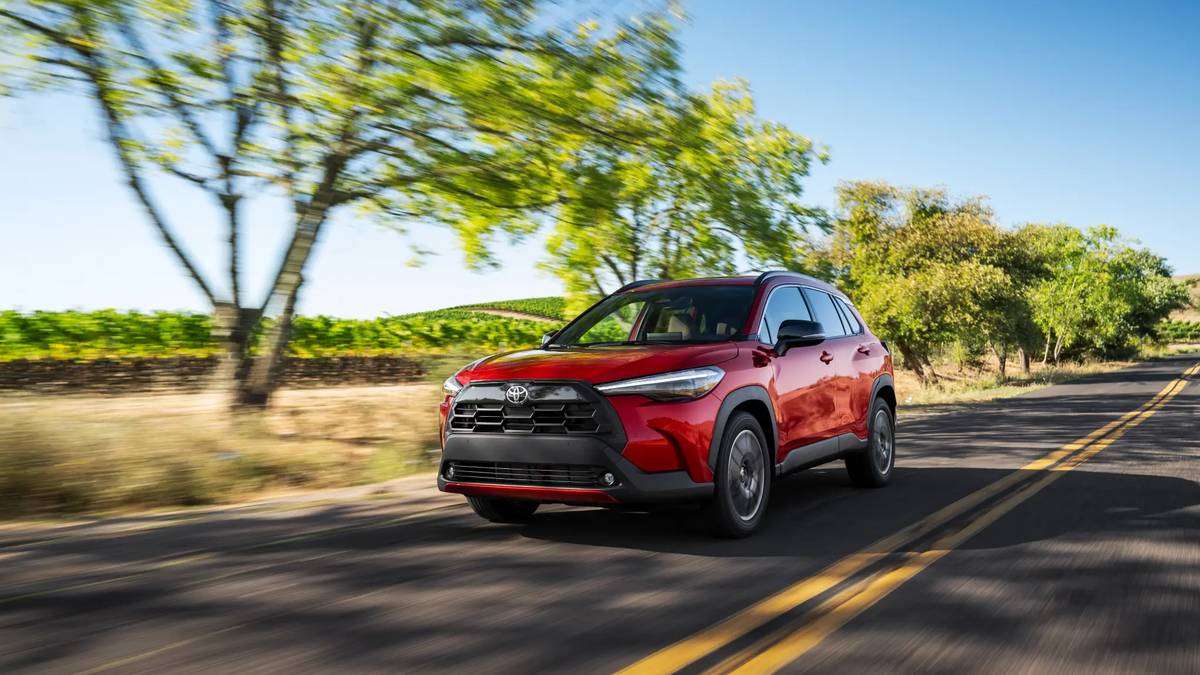

The honeymoon period for a new car owner is typically a time of excitement and anticipation, but for one recent buyer of a 2026 Toyota Corolla Cross, it quickly devolved into frustration. After driving their brand-new vehicle for a mere three weeks and 270 miles, the owner encountered a cascade of critical malfunctions, including issues with the all-wheel-drive system, drive stop control, and a complete failure of reverse gear. This immediate and severe breakdown, occurring so early in the vehicle's life, reveals the potential for manufacturing anomalies even in models from historically reliable brands.
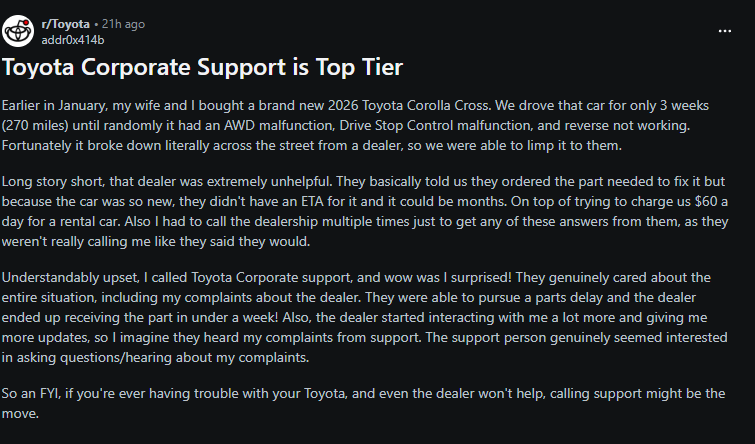
The owner detailed their ordeal on social media, stating:
"Earlier in January, my wife and I bought a brand new 2026 Toyota Corolla Cross. We drove that car for only 3 weeks (270 miles) until it had an AWD malfunction, Drive Stop Control malfunction, and reverse not working. Fortunately, it broke down literally across the street from a dealer, so we were able to limp it to them.
Long story short, that dealer was extremely unhelpful. They basically told us they ordered the part needed to fix it, but because the car was so new, they didn't have an ETA for it, and it could be months on top of trying to charge us $60 a day for a rental car. Also, I had to call the dealership multiple times just to get any of these answers from them, as they weren't really calling me like they said they would.
Understandably upset, I called Toyota Corporate support, and wow, was I surprised! They genuinely cared about the entire situation, including my complaints about the dealer. They were able to pursue a parts delay, and the dealer ended up receiving the part in under a week! Also, the dealer started interacting with me a lot more and giving me more updates, so I imagine they heard my complaints from support. The support person genuinely seemed interested in asking questions/hearing about my complaints.
So, an FYI, if you're ever having trouble with your Toyota, and even the dealer won't help, calling support might be the move."
The immediate failure of multiple critical systems on a vehicle with less than 300 miles on the odometer is a significant concern, regardless of the manufacturer. While any new vehicle can experience an isolated defect, the simultaneous failure of AWD, drive stop control, and reverse functionality points to a potentially deeper electronic or mechanical issue that should have been caught during pre-delivery inspection or even earlier in the manufacturing process. Such an incident, particularly on a brand-new model year, raises questions about initial quality control and validation testing.
2026 Toyota Corolla Cross: Early Life Reliability Concerns
- The 2026 Toyota Corolla Cross is a compact SUV offering all-wheel drive and a choice of gasoline or hybrid powertrains. It aims to blend the practicality of the Corolla with the versatility of an SUV.
- This specific incident involved a brand-new unit experiencing multiple critical system failures, including AWD, Drive Stop Control, and reverse, after only 270 miles of use. Such early-life failures are statistically rare for new vehicles from established manufacturers.
- The Corolla Cross typically features a 2.0-liter four-cylinder engine producing 169 horsepower, paired with a continuously variable transmission (CVT). The AWD system uses an independent rear suspension, a departure from the FWD model's torsion beam.
- While Toyota is renowned for its reliability, this case shows that even top-tier manufacturers can occasionally release vehicles with unforeseen defects in early production runs. Comprehensive quality checks are crucial to prevent such occurrences.
What followed the breakdown was equally troubling: a local dealership that appeared unwilling or unable to provide timely assistance. The Toyota owner's account of being told to expect a months-long wait for parts on a brand-new car, coupled with the demand for a $60-a-day rental fee, paints a picture of customer service that falls far short of expectations for a premium brand experience. This scenario shows a common pain point for consumers: the disconnect between a manufacturer's reputation and the on-the-ground reality at some dealerships.
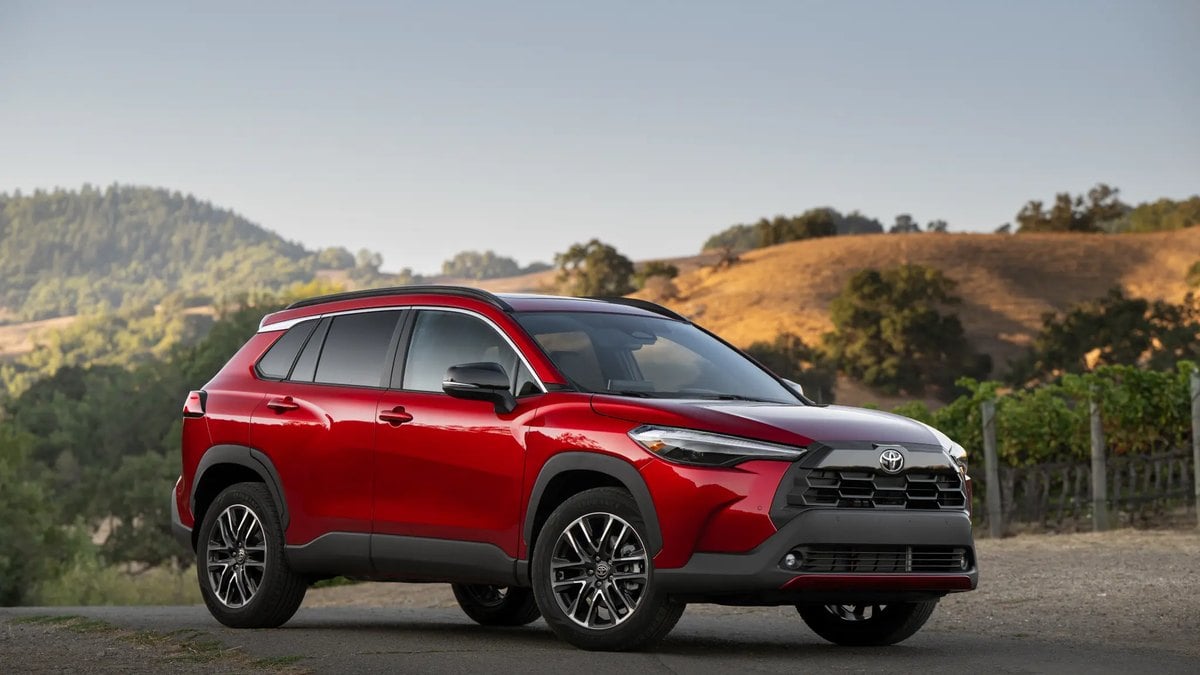
The turning point came with the owner's decision to escalate the issue directly to Toyota Corporate support. This move, often seen as a last resort, proved to be remarkably effective. The swift intervention by corporate, which reportedly expedited the parts delivery from "months" to "under a week" and seemingly prompted the dealership to improve communication, demonstrates the power of direct manufacturer engagement. It also suggests that corporate entities often have more leverage and resources to resolve complex customer issues than individual dealerships might.
This incident serves as a stark reminder that while Toyota dealerships are the primary point of contact for sales and service, the ultimate responsibility for brand reputation and customer satisfaction often rests with the corporate parent. When local channels fail, a direct appeal to the manufacturer can sometimes cut through bureaucratic inertia and deliver results. It's a strategy that discerning consumers should keep in their arsenal when facing intractable automotive problems.
The owner's positive experience with corporate support, despite the initial vehicle failure and dealership struggles, salvages a potentially disastrous customer relationship. It illustrates that even when a product falters, exceptional customer service can mitigate the damage and even foster loyalty. Toyota's corporate team, in this instance, acted as a critical safety net, ensuring the owner's significant investment was protected and their inconvenience minimized.
However, the fact that such an escalation was necessary at all should not be overlooked. A new vehicle, especially from a brand like Toyota, should not experience such fundamental failures within weeks of purchase. Furthermore, a dealership's initial response should be proactive and supportive, not dismissive or financially burdensome. This case, while ending positively for the owner, exposes vulnerabilities in both product rollout and dealer network consistency.
The immediate failure of a new model year vehicle, particularly one with such low mileage, suggests a potential flaw that could affect other units from the same production batch. While an isolated incident is possible, manufacturers typically monitor such early-life failures closely for patterns that might indicate a wider manufacturing defect or design oversight. This type of feedback from early adopters is invaluable for identifying and rectifying issues before they become widespread.
For consumers, this story offers a dual lesson: be vigilant about new vehicle quality, even from reputable brands, and understand the avenues for recourse when things go wrong. While no one expects a new car to break down so quickly, knowing that corporate support can act as an effective advocate provides a measure of reassurance. It reinforces the notion that persistent and informed advocacy can yield positive outcomes in the face of automotive challenges.
This experience reveals the critical role of corporate customer service in maintaining brand integrity. When a new 2026 Toyota Corolla Cross fails dramatically within its first few weeks, the brand's response to the owner's plight becomes as important as the vehicle's initial quality. Toyota's corporate intervention, in this case, turned a potential brand detractor into an advocate, showing the enduring value of genuine customer care.
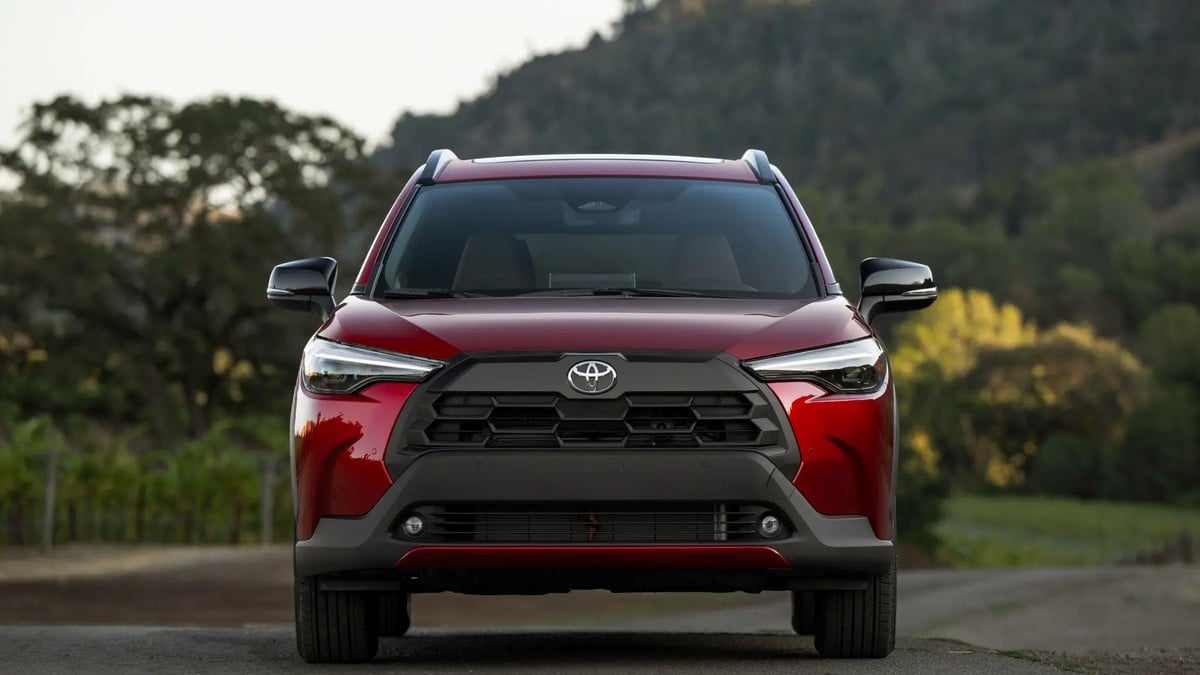
This pattern of dedicated customer intervention is particularly relevant given recent developments, as Toyota Motor Corporation announced executive changes on February 6, with the president transitioning to a new role focused on industry collaboration, signaling a potential strategic shift in how the company engages with its ecosystem and, by extension, its customers.
This commitment to customer satisfaction, even amidst leadership transitions and economic pressures, reinforces why Toyota consistently ranks highly in customer satisfaction.
Are you looking forward to Toyota’s new direction after changing CEOs? Let us know in the comments below.
Image Sources: Toyota Media Center
Noah Washington is an automotive journalist based in Atlanta, Georgia. He enjoys covering the latest news in the automotive industry and conducting reviews on the latest cars. He has been in the automotive industry since 15 years old and has been featured in prominent automotive news sites. You can reach him on X and LinkedIn for tips and to follow his automotive coverage.
Set Torque News as Preferred Source on Google
Follow us today...






Comments
Having previously owned a…
Permalink
Having previously owned a few Toyota vehicles and been satisfied with them, I purchased a 2026 Toyota Corolla Cross in October of 2025. It's now February, just 4 months later, and there is a pending recall on my Corolla Cross to check and possibly replace a potentially faulty inverter bolt that could loosen at higher speeds and/or cause a fire when the engine is running. Currently, there is no repair solution available; however, it was estimated that a solution would be coming in the first quarter. To me, the first quarter means until the end of March. The repair solution time frame is now shown as extending to June. So, I pretty much have a brand new vehicle that I'm very hesitant to drive. This is unacceptable and has significantly diminished my long-held opinion that the Toyota brand equals quality and reliability.
I've said it for years, I…
Permalink
I've said it for years, I had a shop years ago, I've worked on so many Toyota's i am convinced that they are no better than any other car on the planet. To me they are trash. I can't believe people are so gullible to buy the crap that Toyota puts out there. They are trash. Period.
You clearly have no idea…
Permalink
In reply to I've said it for years, I… by Floyd Ross (not verified)
You clearly have no idea what you're talking about. 🤣
Thanks for sharing your…
Permalink
Thanks for sharing your experience! Appreciate the details.
Dealership is bad. Toyota…
Permalink
Dealership is bad. Toyota should punish them. They might have missed something on the PDI, too.
At least Toyota Corporate was helpful. I had a stupid problem with a Honda dealership and Honda corporate was not helpful.
Another Honda, another dealer, before they called me back with a (warranty) repair timeframe, they had already arranged the part FedEx from Japan.