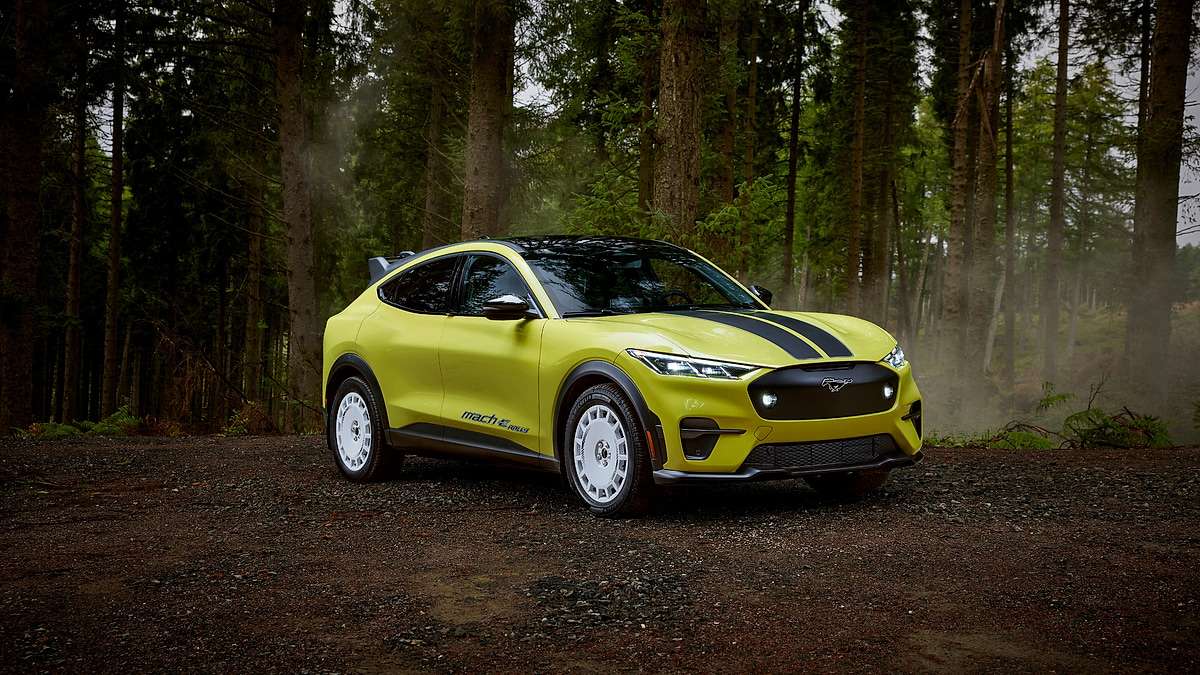

Ford sold 51,620 Mustang Mach-Es in the United States in 2025, according to published Ford sales tallies. Ford also said during the Mach-E's early launch period that nearly 70 percent of buyers were new to the brand, a conquest signal that helped define the car's first chapter. That is not the same as proving 2025 buyers were 70 percent conquest customers, so the timing matters. Ford built the Mach-E to steal attention from Tesla and bring new households into the Ford store. For a while, that worked. Coastal early adopters cross-shopped the Model Y, saw a Mustang badge on an electric crossover, and signed on the line.
The Tesla comparison is less useful now. It faded the moment EV days' supply tightened to 31 days overall, and Cox Automotive reported Ford as the high-volume used EV brand with the largest month-over-month listing-price increase at 4.4 percent. Cadillac's EV listings fell 4.5 percent. Audi fell 3.7 percent. Ford went up. That is a demand signal, not desperation, but demand in a thin market is not the same as household durability. The question is who is doing the buying, and whether they live only where EVs are already normal or also in ZIP codes where a Mach-E is still the only electric vehicle on the block.
Ford Won the Conquest War. The Occupation Is Harder.
The Cox Automotive EV Market Monitor for March 2026 tells a story that looks good on a Ford investor slide. Used EV days' supply was down 31.7 percent month over month. Ford used EV listing prices rose while Cadillac and Audi fell. Ford sold the volume, and now the used market is absorbing it. But volume and durability are different games. Ford moved more than 51,000 Mach-Es in 2025 because the vehicle was familiar enough to be a crossover and novel enough to feel like a break from Tesla. Keeping those units attractive for a second and third owner requires something else entirely. It requires a car that starts in cold weather, a dealer network that knows how to fix it, and a battery warranty that gives families confidence without hiding the risk.

The early buyers had warranties and curiosity. The used buyers have budgets and school mornings.
Atlas Registration Data Puts the Geography Question in Focus
Atlas EV Hub currently publishes downloadable EV registration files for 13 participating states, with most files aggregated by ZIP code or county and with clear warnings that state formats are not perfectly apples-to-apples. That makes Atlas useful for seeing where EV adoption clusters, but it does not prove used-buyer intent or full vehicle history. The Mach-E question is whether Ford can move used examples beyond the same dense charging corridors that already support EV ownership. A used Mach-E in a mature EV market is expected. A used Mach-E in a rural county with fewer chargers, fewer EV-trained technicians, and longer parts waits is the real test.
The Atlas files include states such as Colorado, Minnesota, Texas, New York, New Jersey, and Tennessee, which are enough to compare urban corridors against lower-density markets if the analysis is kept honest. They do not include Washington or California in the current public table, so any Seattle, King County, or California claim needs a separate source. EVs cluster where charging infrastructure, income, and policy support are strongest. The Mach-E is no exception until the registration pattern proves otherwise. Ford's truck and SUV strongholds include many places where a dead EV means a tow, a dealer appointment, and a family schedule that falls apart. If the Mach-E cannot survive in those ZIP codes, it is not yet a durable household crossover. It is a successful EV in places already prepared for EVs.
The Used Mach-E Still Carries Specialty-Vehicle Costs
Ford has thousands of dealerships in the United States, but the Blue Oval sign in the window does not automatically mean every store is equally prepared for Mach-E high-voltage diagnosis. Ford's EV service readiness materials call for specialized training, high-voltage safety procedures, dedicated tools, battery-handling equipment, and proper service-bay planning. The gap is closing in major metros, but in rural and exurban counties where Ford trucks dominate, the nearest EV-ready service lane can still be meaningfully farther away than the nearest Ford sign.
That distance is theoretical until it is not. A used Mach-E buyer in a low-density ZIP code may handle tires, brakes, alignments, and cabin filters locally, but high-voltage diagnosis is a different category. Battery module work, inverter diagnosis, and anything involving the orange cabling belong with trained technicians and proper safety equipment. A family crossover is supposed to absorb inconvenience, not create it. When a conventional Toyota or Honda crossover needs routine service, the repair network is deep and familiar. When a Mach-E needs high-voltage attention, the owner may face a tow, a rental car, and a wait if the right technician or parts are not nearby.
The software adds another layer. The Mach-E launched with over-the-air updates and a portrait touchscreen that Ford promised would improve over time. For the first owner, that meant new features and bug fixes delivered in the driveway. For the used buyer, it means inheriting a software stack whose behavior can vary by model year, hardware, subscription status, and update history. Ford has improved Sync 4A and expanded BlueCruise hands-free driving, but a 2021 car on a used lot is not automatically the same experience as a later-build model.
Some features are also tied to subscriptions or account transfers. BlueCruise requires an active plan after its trial period, and Ford currently lists U.S. pricing at $495 annually or $49.99 monthly. A used buyer expecting a fully equipped crossover can discover that the hands-free highway feature they test-drove is another recurring ownership cost. That is not fatal, but it is not how a used Honda Pilot or Toyota Highlander works. It is an EV-era complication that buyers need to price before they sign.
The depreciation that makes a used Mach-E attractive can also collide with insurance math. A $31,000 used Mach-E GT may be valued like a discounted crossover, but collision repairs can still involve EV-specific procedures, sensors, battery-safety precautions, and parts priced for a vehicle that originally stickered much higher. That does not automatically make every used Mach-E expensive to insure, but it helps explain why shoppers should quote coverage before they celebrate the purchase price.
Some Owners Are Switching
Some owners switching from gasoline crossovers report higher-than-expected premiums, while rate guides show wide variation by driver age, state, trim, coverage level, and driving history. The important point is not that every Mach-E buyer gets punished. It is that the monthly insurance bill can narrow or erase the fuel-savings argument for a family shopping on a budget. A cheap used car is only cheap if the carrying costs stay low. Right now, the Mach-E's carrying costs, service access, software subscriptions, insurance, tires, and charging setup still require more homework than a mainstream family hauler.
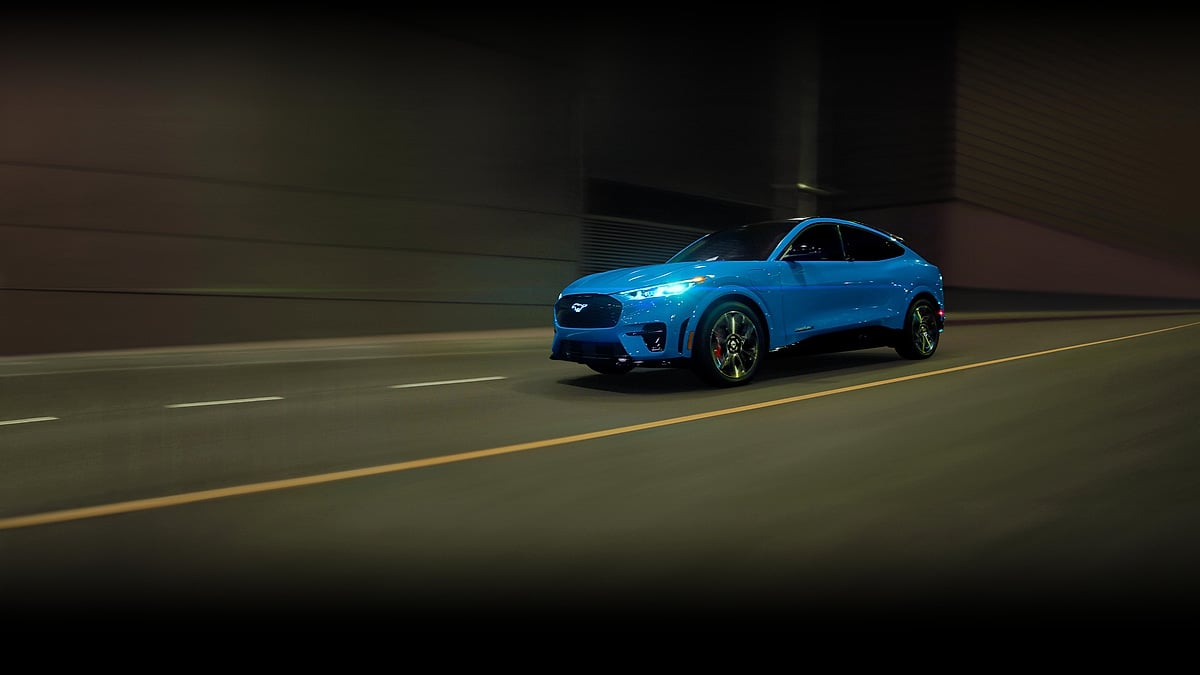
That depreciation is a tax on early adopters and an opportunity for everyone else. A three-year-old Mach-E with 40,000 miles and useful warranty coverage left can sit in the sweet spot for a family that wants to cut fuel costs without taking a new-car gamble. The catch is that the same depreciation tells the buyer the market is still sorting risk. A used Highlander holds value because everyone knows what a Highlander is. A used Mach-E is showing strength right now because Ford's used EV listing prices have risen in a tight used EV market. If battery failures, software issues, or cold-weather complaints keep surfacing in owner communities, that confidence can weaken. The Mach-E is either a bargain or a risk-priced experiment, and the difference depends on whether Ford can make suburban buyers believe the battery will outlast the loan.
The Suburban Family Wants a Crossover, Not a Cause
Ford does not need the Mach-E to beat a Model Y in a drag race anymore. It needs the Mach-E to become what the Honda Pilot is: invisible, reliable, boring in the best way. The buyers who matter next are not early adopters trading Teslas for a new badge. They are parents who need a second-row car seat to fit, a trunk that swallows a stroller, and a vehicle that starts on a Tuesday morning in January. They do not care about conquest sales. They care about whether the neighbor's Mach-E is still running three years later.
If Ford can turn high-mileage durability stories into ordinary ownership expectations, the Mach-E becomes a household crossover. If battery failures and degradation outliers keep shaping the used conversation, it stays an EV-market success with a narrower audience. The used Ford price strength is real at the brand level. The used-buyer geography still needs proof. That is Ford's real test.
About The Author
Noah Washington is an automotive journalist based in Atlanta, Georgia, covering sports cars, luxury vehicles, and performance culture. His reporting focuses on explaining the engineering, design philosophy, and real-world ownership experience behind modern vehicles.
Noah has been immersed in the automotive world since his early teens, attending industry events and following the enthusiast communities that shape how cars are built and driven today. His work blends industry insight with enthusiastic storytelling, helping readers understand not just what a car is, but why it matters.
Noah is also a member of the Southeast Automotive Media Association (SAMA), a professional organization for automotive journalists and industry media in the Southeast.
His coverage regularly explores sports cars, luxury vehicles, and performance-driven segments of the automotive industry, including the evolving culture surrounding Formula Drift and enthusiast builds.
Read more of Noah's work on his author profile page.
You can also follow Noah here:
Set Torque News as Preferred Source on Google
Follow us today...