
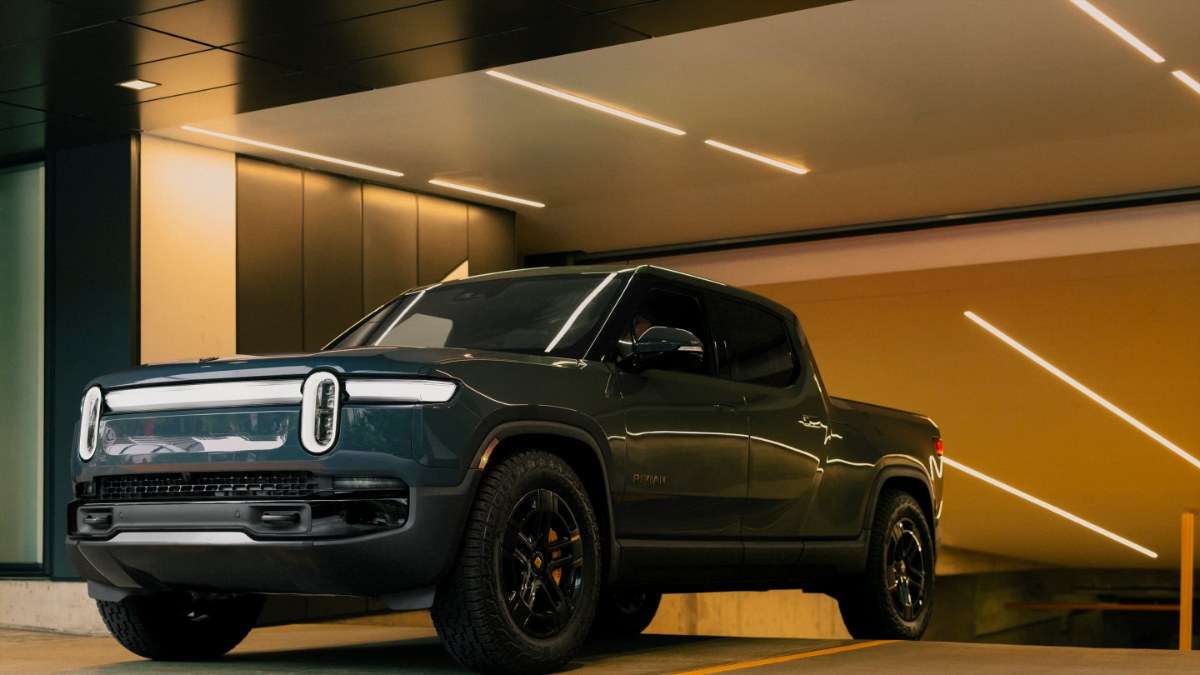

The Rivian R1T has already proven itself as the workhorse of the EV community. It is not chasing sci-fi design like the Tesla Cybertruck, nor is it leaning on a century of branding like the F-150 Lightning. Instead, Rivian has struck a balance between tradition and innovation: a proper pickup that looks the part, but one packed with clever features and real capability.
That approach has made the R1T a favorite among owners who need a truck that works as hard as it plays. A recent trip posted to r/Rivian illustrates exactly how the R1T is earning its reputation.
“Took a camping trip from the Seattle area down to Cape Perpetua. The R1T performed well as always. No resets needed, no weird indicators… just a very comfortable, uneventful drive.
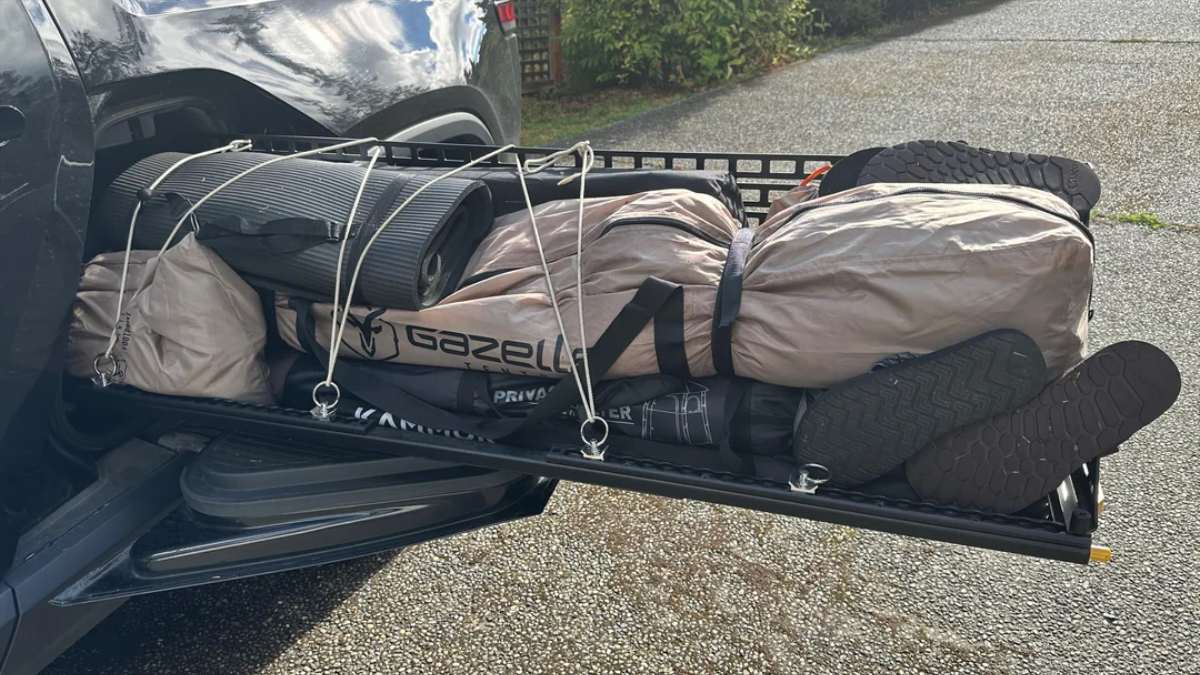
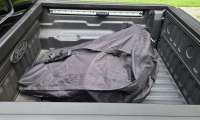
The Gear Tunnel storage still amazes me. Was able to get in a gazebo, camp table, shower tent, yoga mat, shoes, and some other assorted items.
RANs - Charged 5 times at 3 different RANs, ranging from 50 to 57 cents per kW. Each was as simple as plugging in and then starting to watch YouTube videos. There was at most one other person there while I was charging. The RANs in Aberdeen and Astoria have very little around them. The RAN in Lincoln City is at an Outlet mall with bathrooms and food very close. The last charge was at an Electrify America, where it refused to charge 3 times. Moved to a different charger and it worked fine. The EA was 55 cents.”
The much-talked-about Gear Tunnel proved its worth by swallowing everything from a gazebo to a shower tent.
Charging, often the elephant in the room for any EV road trip, was handled with equal ease. The Rivian Adventure Network (RAN) stations worked reliably between 50 and 57 cents per kWh. Plug in, watch a video, get back on the road.
Rivian R1T Options & Towing Capacity
- The R1T comes with battery options ranging from 105 kWh to 149 kWh, yielding EPA estimated ranges up to about 401 miles, depending on the pack and drivetrain
- With a maximum towing capacity of 7,700 lb and a payload capacity of nearly 1,984 lb, the R1T offers utility on par with many gasoline trucks
- Ground clearance up to nearly 14.9 inches, wading depth exceeding 43 inches, and selectable off-road modes make it a rugged EV ready for serious terrain
- Supports DC fast charging up to 210–225 kW (depending on battery), enabling rapid replenishment on the go
The Lincoln City RAN, located at an outlet mall with food and restrooms, showed how thoughtful placement can make a charging stop painless. Aberdeen and Astoria were more barebones, with one restroom hidden across the street, but they kept the truck moving all the same.
That difference in site design sparked conversation. “How did the RAN in Lincoln City compare to the other 2?” asked ElasticSpeakers. The owner explained that Lincoln City was far more convenient, while Aberdeen and Astoria offered little nearby. Importantly, the Tesla Superchargers in Lincoln City were full, so the RAN provided a needed alternative without clogging other networks.
Rivian R1T Charging Network
Local knowledge filled in the blanks. Sharp_Balance2854 pointed out that the Astoria RAN, though sparse at first glance, sits just steps from the Riverwalk and plenty of good food. “It takes just as long to walk around the outlet mall in Lincoln City, and the food options aren’t nearly as good” (source: r/Rivian). That detail highlights one of the side effects of EV travel: charging stops become small opportunities to explore, rather than just gas-and-go refueling.
Rivian R1T Owner Testimonials
- One owner reported zero loss of power even at 12,000 ft elevation after 20,000 miles, showcasing dependable high-altitude performance
- After years of ownership, users praised Rivian’s software updates and customer outreach for enhancing ride comfort and fixing leveling issues
- A 2023 R1T completed a journey across all 49 continental U.S. states in under one year, evidence of its range and reliability
- The new Tri-Motor Gen 2 models (850 hp) achieve 0‑60 mph in about 2.7 seconds, surpassing earlier Quad-Motor versions, refined for speed and efficiency
Even the one hiccup, an Electrify America station that balked three times, was resolved by simply moving to another stall. No tow trucks, no ruined trips. The R1T kept on trucking, which is exactly what matters. That sense of uneventful reliability is the highest praise an owner can give a vehicle designed for long journeys with family and gear in tow.
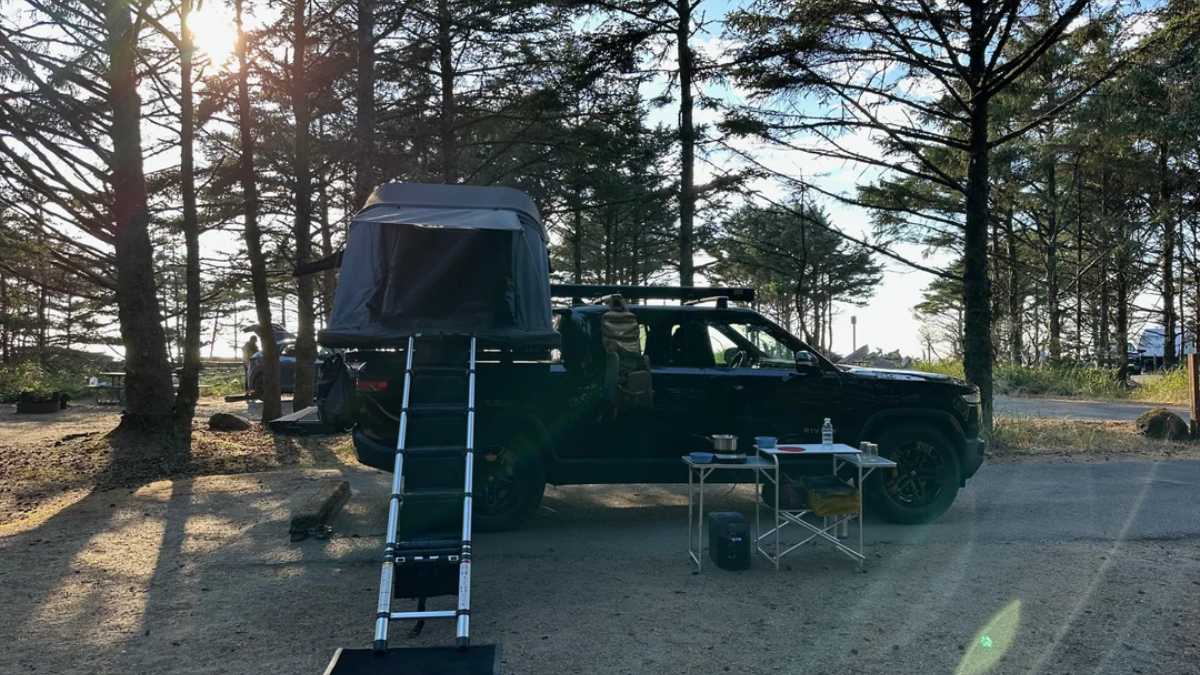
Where the Cybertruck pushes design boundaries and the Lightning leans on heritage, Rivian has quietly built a pickup that delivers the basics with competence and cleverness. For campers headed to the Oregon coast or adventurers loading up for the backcountry, that makes it the most important quality of all: dependable.
Image Sources: Rivian Media Center
Noah Washington is an automotive journalist based in Atlanta, Georgia. He enjoys covering the latest news in the automotive industry and conducting reviews on the latest cars. He has been in the automotive industry since 15 years old and has been featured in prominent automotive news sites. You can reach him on X and LinkedIn for tips and to follow his automotive coverage.
Set Torque News as Preferred Source on Google
Follow us today...



Comments
Now do the same thing from…
Permalink
Now do the same thing from Ohio to Michigan.
We drove our 2017 Tesla…
Permalink
We drove our 2017 Tesla Model X from Portland Oregon to San Francisco and back earlier this month. Charged at Tesla Superchargers. Total cost zero with free unlimited Supercharging. Drove our 2021 Model Y 600 miles in May, pulling a U haul trailer. Total cost about $90. Cost per KWH ranged from $.33 to $.41 per KWH.
I have started seeing…
Permalink
I have started seeing articles like this talking about the cost to drive an EV at distance, and it has been surprising how expensive it is! I have a Volt I use for commuting to work, and a diesel truck. From my research and the info in this article is looks like my diesel truck is about 4 cents per mile cheaper to drive than the rivian! If I was charging at home it would make much more sense, but I had always assumed the cost of charging at a public charger wouldn't be that bad...