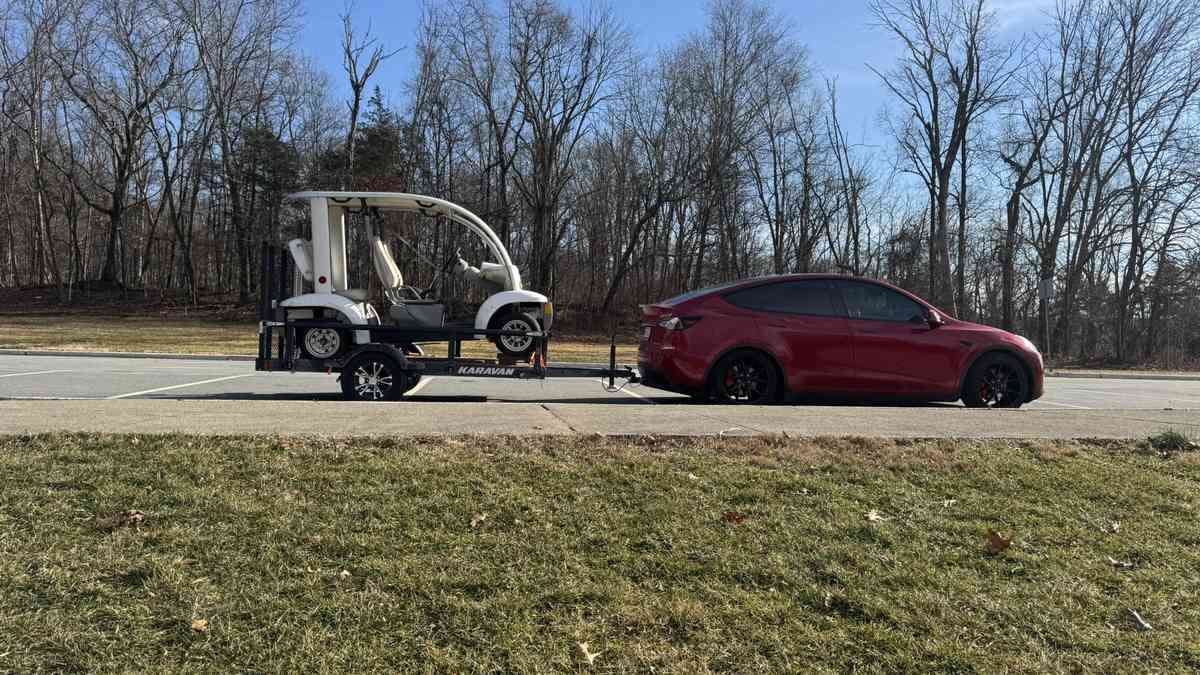

Long-distance towing remains one of the toughest challenges for electric vehicles, and one Tesla Model Y Performance owner says a recent round trip from Chicago to New York City made those limitations impossible to ignore.
The owner completed the trip towing an empty trailer eastbound and a loaded trailer on the return trip. While he says he still loves his Model Y Performance, the journey highlighted what he describes as a major flaw in Tesla’s efficiency, range estimation, and long-term battery degradation.
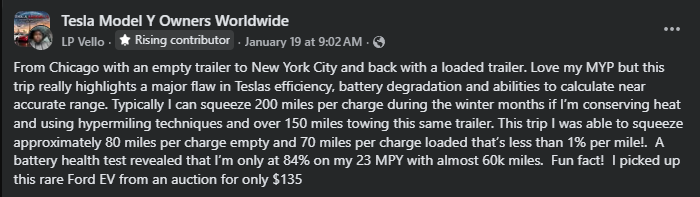
“From Chicago with an empty trailer to New York City and back with a loaded trailer. Love my MYP, but this trip really highlights a major flaw in Tesla's efficiency, battery degradation, and ability to calculate near-accurate range. Typically, I can squeeze 200 miles per charge during the winter months if I’m conserving heat and using hypermiling techniques, and over 150 miles towing this same trailer. This trip, I was able to squeeze approximately 80 miles per charge empty, and 70 miles per charge loaded, that’s less than 1% per mile!. A battery health test revealed that I’m only at 84% on my 23 MPY with almost 60k miles. Fun fact! I picked up this rare Ford EV from an auction for only $135.”
Under normal winter driving conditions, the owner reports he can typically achieve around 200 miles per charge using conservative driving techniques and limited cabin heat. When towing the same trailer on shorter trips, he usually sees roughly 150 miles of range. On this trip, however, those numbers dropped dramatically.
Tesla Model Y: Form Factor & Priorities
- The Model Y’s tall hatchback form factor prioritizes passenger and cargo space, making it more practical than many EV sedans while sacrificing some rearward visibility due to the tapered roofline.
- Driving feel is defined by immediate throttle response and firm suspension tuning, delivering confident control but a ride that can feel busy on rough pavement.
- Interior design minimizes physical controls, placing nearly all functions into the center touchscreen, which simplifies the cabin but increases reliance on software for routine tasks.
- Efficiency tends to be a core strength, with the vehicle’s relatively clean aerodynamics and EV powertrain delivering strong range-per-kWh results in everyday commuting.
With the trailer empty, the Model Y managed only about 80 miles per charge. Once loaded, that figure fell to roughly 70 miles per charge. By his calculation, energy consumption approached one percent of battery per mile, a figure far below Tesla’s range estimates and well outside what he expected based on prior towing experience.
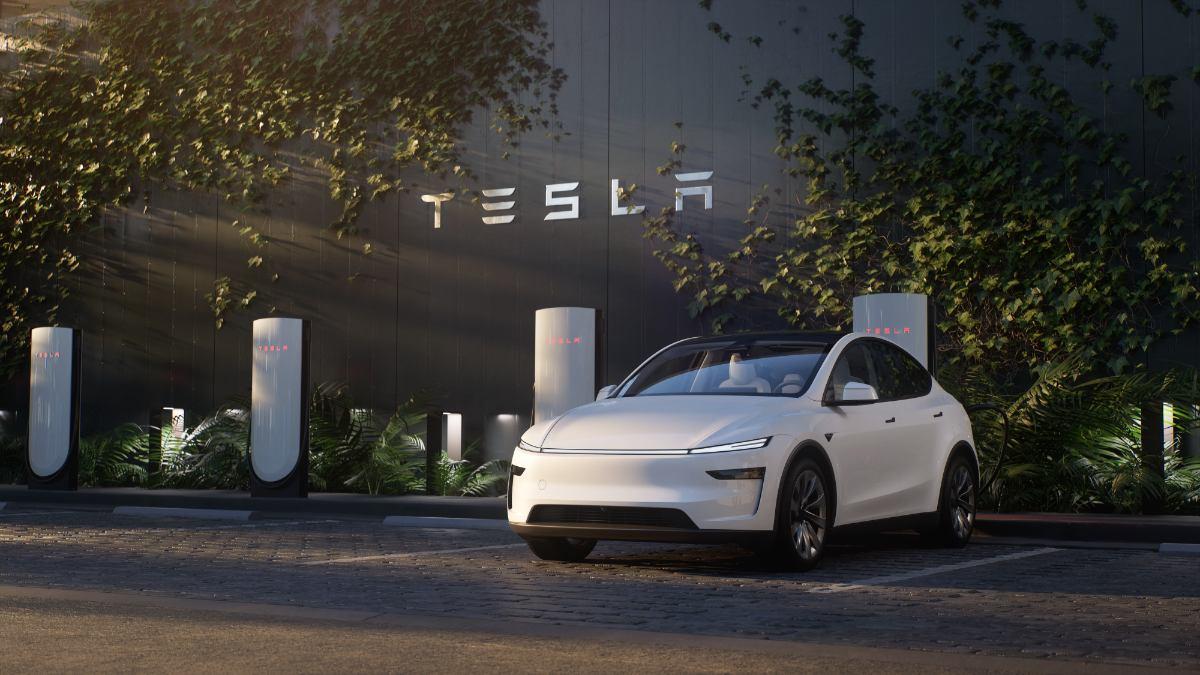
The extended charging requirements significantly altered the trip timeline. What should have been a 12-hour drive stretched into roughly 20 hours each way. The owner eventually accepted the slower pace and adjusted expectations, turning the trip into a series of scenic stops across Pennsylvania, including overlooks, local garage sales, and roadside attractions.
Adding to the frustration was the result of a battery health test conducted after the trip. The test showed the battery at 84 percent health on a 2023 Model Y Performance with nearly 60,000 miles. While some degradation is expected at that mileage, the owner believes it compounded the already steep range loss while towing.
Despite the criticism, the owner did not place all the blame on Tesla alone. Other drivers pointed out that towing dramatically reduces range in any vehicle, including efficient diesel cars. One commenter recalled towing a small motorcycle trailer with a Volkswagen TDI and seeing fuel economy drop by more than half, despite conservative speeds.
Aerodynamics and speed were also central to the discussion. Several commenters noted that trailers present massive aerodynamic drag, which increases exponentially with speed. Even modest reductions in cruising speed can yield significant efficiency gains, though that often comes at the cost of longer travel times.
Still, the owner’s experience underscores a reality that many EV buyers only fully appreciate after towing long distances. While the Model Y pulled the trailer without difficulty, range predictability suffered greatly, and Tesla’s remaining range estimates proved unreliable under sustained towing loads.
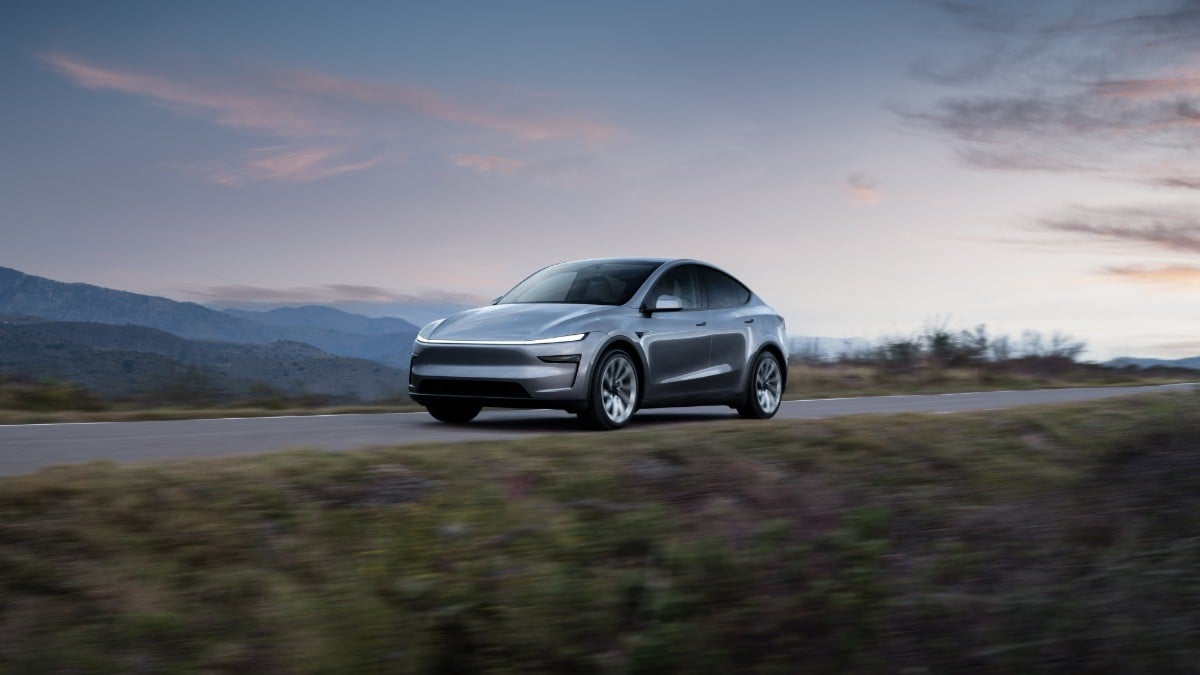
The trip did not sour the owner on EVs entirely, but it did force a recalibration of expectations. He ultimately chose to embrace the slower pace rather than fight it, acknowledging that EV towing demands a fundamentally different mindset than internal combustion travel.
For drivers considering towing with a compact electric crossover, the takeaway is not that it cannot be done, but that battery health, trailer aerodynamics, speed, and charging infrastructure all matter far more than EPA range figures suggest. When those factors align poorly, even experienced EV owners can find themselves planning around the charger rather than the road.
Image Sources: Tesla Media Center
Noah Washington is an automotive journalist based in Atlanta, Georgia. He enjoys covering the latest news in the automotive industry and conducting reviews on the latest cars. He has been in the automotive industry since 15 years old and has been featured in prominent automotive news sites. You can reach him on X and LinkedIn for tips and to follow his automotive coverage.
Set Torque News as Preferred Source on Google
Follow us today...