
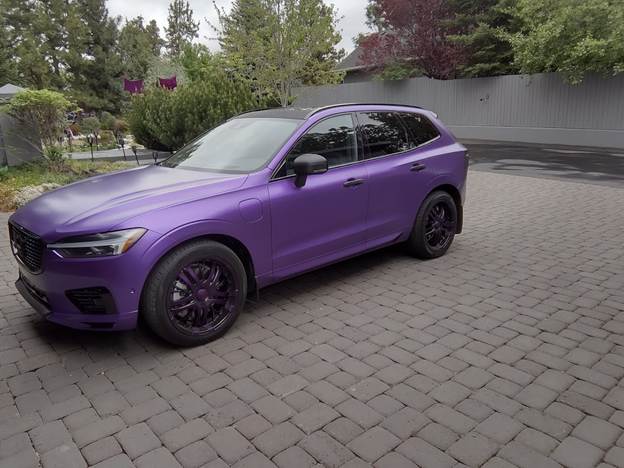
I have a bit of a bias when it comes to Volvo. My wife drives a Volvo XC60 Recharge plug-in hybrid, and to say she loves it would be an understatement. It’s her fortress of solitude—a beautifully designed, incredibly safe, and deceptively quick sanctuary on wheels which we had Wrapped in Purple.
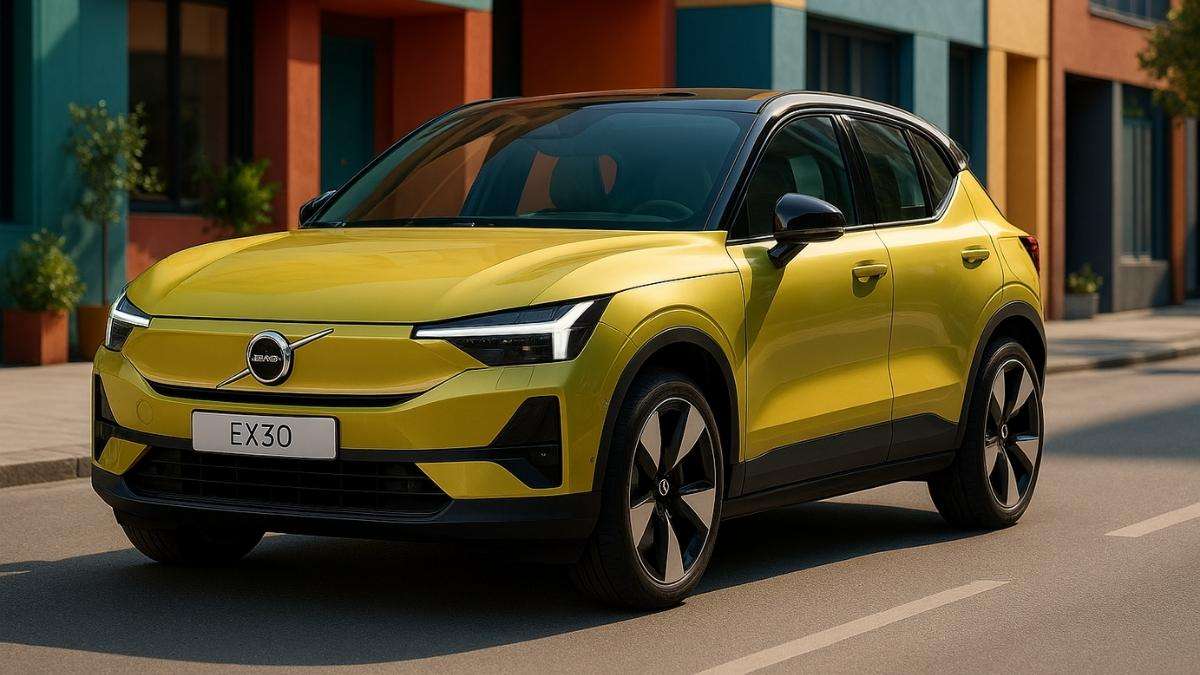
It represents modern luxury: understated, technologically advanced, and responsible. That vehicle has completely sold me on the brand's competence in the electrified era. So, when Volvo announced its smallest-ever SUV, the all-electric EX30, with a tantalizingly low starting price, my interest was piqued. Now, with the official launch of an even cheaper, single-motor variant, Volvo is making its boldest move yet into the mainstream market. It’s a brilliant, if slightly imperfect, Trojan horse designed to win over a new generation of buyers, and it’s a clear signal of the brand's quiet, confident march toward an all-electric future.
The Allure of the Almost-$35,000 EV
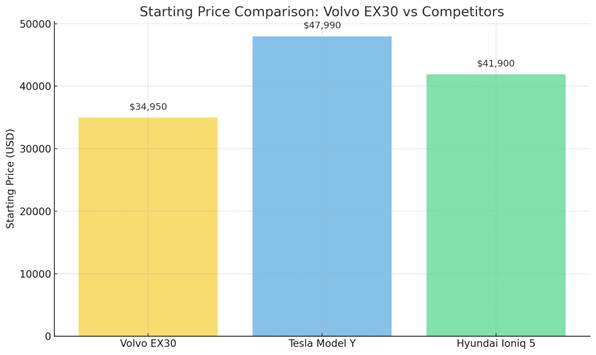
Let's address the price tag head-on. When the EX30 was first unveiled, the initial talk was of a starting price around $35,000, a magic number that would have made it a true mass-market disruptor in the U.S. The reality is that the new, cheaper single-motor version will likely land closer to the $38,000 mark before any incentives. While that's not the groundbreaking price some had hoped for, it is still a monumental achievement for a premium brand. This lower cost is achieved through smart engineering: a single rear-mounted electric motor instead of a dual-motor setup, and a more cost-effective (and cobalt-free) LFP battery pack. While it shaves off some range and performance, it lowers the barrier to entry significantly.
The importance of these lower price points cannot be overstated. The EV transition will not be won with $100,000 super-sedans; it will be won in the trenches of the sub-$40,000 market where the average family shops for a car. By offering a true Volvo—with all the safety, design, and premium feel the name implies—for the price of a well-equipped gas-powered crossover, the company is making a powerful value proposition. It’s a move that makes going electric a financially rational decision for a much broader audience.
An Instant Best-Seller
Any questions about whether this strategy would work have been answered with a resounding "yes." Since its launch, the Volvo EX30 has been a runaway success. In markets like Europe, it has shot to the top of the sales charts, frequently becoming one of the best-selling EVs on the continent. This isn't just a flash in the pan; it speaks to a massive, underserved demand for a compact, premium, and stylish EV that isn't a Tesla. Buyers are drawn to its minimalist Scandinavian design, its surprisingly potent performance (even in single-motor form), and, critically, the trust embodied by the Volvo badge. The EX30 proves that you don't need to be the absolute cheapest to win, you just need to offer the best value, and for many, a safe and beautiful Volvo at a reasonable price is the definition of value.
Broadening the Portfolio, Solidifying the Brand
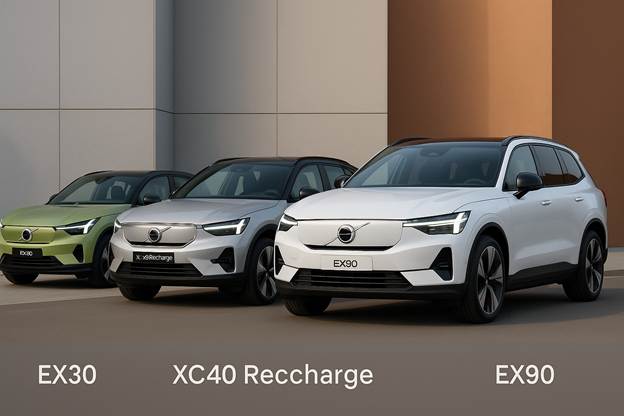
Volvo's overall health as a company is robust. The brand has seen steady growth in its global sales, with its Recharge models (both plug-in hybrid and full EV) making up a significant and growing portion of that success. The EX30 is the perfect addition to this lineup. It acts as an accessible entry point to the brand, complementing its larger and more expensive siblings like the XC40/C40 Recharge and the flagship EX90 three-row SUV. It gives Volvo a crucial weapon in the high-volume compact segment, allowing them to capture buyers early in their careers and build brand loyalty. The EX30 doesn't just add a model; it completes the foundation of their entire electric portfolio.
The Long Road to an Electric Future
Volvo's long-term prospects in the EV race look brighter than ever. The company has made a firm commitment to becoming fully electric by 2030, and it is backing that commitment with massive investments in technology and manufacturing. The EX30, built on Geely's sustainable experience architecture, is a showcase of how the company can leverage its parent company's scale to produce cost-effective yet premium vehicles. Furthermore, Volvo is making strategic moves like building its first EV-only plant in Slovakia, a clear sign that it is retooling its entire industrial footprint for an electric future. This combination of a strong product portfolio, a trusted brand, and a clear-sighted manufacturing strategy positions Volvo to be one of the long-term winners among the legacy automakers.
Wrapping Up
The new, more affordable Volvo EX30 is not the mythical $35,000 EV that will solve all of the market's problems. But it is something almost as important: a brilliantly executed, highly desirable, and realistically priced entry into a premium electric brand. It proves that safety, style, and sustainability don't have to come with a six-figure price tag. My wife's XC60 showed me that Volvo knows how to build a great electrified car. The EX30 shows me they know how to build a smart business, and it’s a vehicle that will undoubtedly introduce thousands of new fans to the quiet, competent, and compelling world of Volvo.
Disclosure: Images rendered by Scholar GPT4
Rob Enderle is a technology analyst at Torque News who covers automotive technology and battery developments. You can learn more about Rob on Wikipedia and follow his articles on Forbes, X, and LinkedIn.
Set Torque News as Preferred Source on Google
Follow us today...