
In the electric vehicle arena, where headlines are often dominated by bombastic CEO pronouncements and production-hell narratives, Polestar has been executing a masterclass in quiet competence. The Swedish electric performance brand recently posted a staggering 76% year-over-year increase in retail sales for the first quarter of 2025, a figure that would be the envy of any automaker, let alone one in the hyper-competitive EV space. What makes this achievement so remarkable is that Polestar has done it while deliberately sidestepping the traditional automotive playbook. By leaning into a potent combination of minimalist design, aggressive sustainability, and a complex but powerful relationship with its parent companies, Polestar is not just selling cars; it's solidifying its future and proving that a different path to success is possible.
Navigating the Service Labyrinth
One of the most significant hurdles for any new car brand is establishing a robust sales and service network. Polestar’s approach has been unconventional from the start. Instead of building sprawling, expensive dealerships, the company opted for chic, city-center "Spaces" that feel more like minimalist art galleries or tech showrooms than car lots. This digital-first, direct-to-consumer model was a gamble, and the service component has been a point of friction. While the user's premise that Polestars can't be serviced at Volvo dealerships isn't entirely accurate—the company leverages a network of authorized service points, many of which are connected to Volvo—the integration hasn't always been seamless for customers.
However, instead of being a fatal flaw, this slightly detached service model has been a feature, not a bug, for its target audience. Polestar buyers are typically tech-savvy early adopters who are comfortable with online purchasing and scheduling service through an app. The brand is now evolving this model, moving toward a "non-genuine agency" system that empowers its retail partners to be more proactive. This impressive sales growth, achieved despite the lack of a traditional, hand-holding dealer network, demonstrates that a premium experience can be delivered through thoughtful design and digital convenience, rather than just physical ubiquity.
Design and Materials as a Moat
A car is an emotional purchase, and Polestar’s aesthetic is a powerful differentiator. In a sea of amorphous EV blobs, Polestar vehicles are crisp, architectural, and unapologetically Scandinavian. This is no accident. The company is led by CEO Thomas Ingenlath, a designer by trade, and his purist ethos permeates every vehicle. The sharp creases, the signature "Thor's Hammer" lighting, and the clean, uncluttered interiors stand in stark contrast to the sometimes-austere functionality of a Tesla or the more ornate luxury of its German rivals.
This design-led identity is powerfully reinforced by an aggressive and transparent use of sustainable materials. This goes far beyond token vegan leather. Polestar is actively incorporating innovative materials like composites made from flax fibers, interior textiles woven from recycled plastic bottles, and carpets made from ECONYL, a fabric derived from reclaimed fishing nets. By making these materials a core part of its brand story, Polestar accomplishes two things: it gives environmentally-conscious buyers a tangible reason to choose their product, and it defines a new kind of "progressive luxury" that is less about opulence and more about thoughtful, responsible innovation.
The Geely-Volvo Safety Net
No EV startup can survive on design alone; it requires immense capital and industrial might. This is Polestar’s trump card. While it operates as an independent brand, its fate is intrinsically linked to its parent companies, Volvo Cars and the Chinese automotive giant Geely. This relationship recently evolved, with Volvo reducing its stake to 18% and Geely stepping in to provide more direct financial and operational support.
This structure provides Polestar with the best of both worlds. It maintains its unique brand identity and agility while gaining access to Geely's colossal supply chain, R&D, and global manufacturing footprint. It can share platforms and battery technology, drastically reducing development costs and accelerating its time to market—a luxury that capital-intensive competitors like Lucid and Rivian do not have. This backing is the industrial engine that allows Polestar's design and sustainability vision to become a mass-market reality, giving it a level of stability and scale that belies its age.
Solidifying a Bright Future
The Q1 2025 results are more than just a temporary spike; they are proof that the formula is working. The brand has achieved a positive gross margin, a critical milestone on the path to profitability. With the Polestar 3 SUV and Polestar 4 SUV coupe now ramping up production and joining the venerable Polestar 2, the company has a multi-vehicle portfolio that can compete in the market's most lucrative segments.
Looking ahead, the roadmap is clear and ambitious. The Polestar 5, a sleek four-door GT, and the Polestar 6, an electric roadster, are set to further elevate the brand's performance credentials. The recently announced Polestar 7 compact SUV will be built in Europe, diversifying its manufacturing footprint beyond China and the US. This global production strategy, combined with an expanding product line, transforms Polestar from a niche curiosity into a legitimate global player.
Wrapping Up
Polestar's impressive growth is the result of a disciplined and differentiated strategy. It has successfully cultivated a distinct identity built on the pillars of minimalist design, authentic sustainability, and a digital-first customer experience. While its service model has had growing pains, its core audience has proven willing to embrace it. Underpinning it all is the immense, yet strategically distanced, power of Geely and Volvo. By deftly balancing its unique brand proposition with the industrial might of its parents, Polestar has carved out a defensible and desirable space in the EV market and is no longer just a promising upstart, but a formidable force on the road to a more sustainable automotive future.
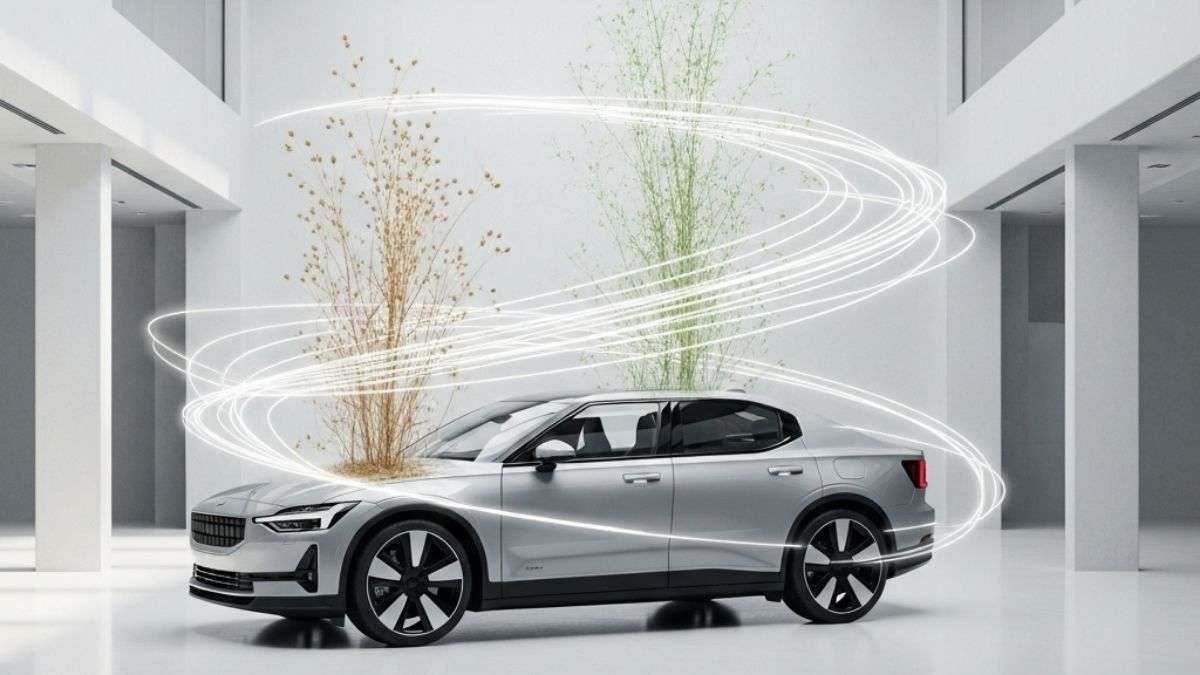
Disclosure: Image rendered by Gemini
Rob Enderle is a technology analyst at Torque News who covers automotive technology and battery developments. You can learn more about Rob on Wikipedia and follow his articles on Forbes, X, and LinkedIn.
Set Torque News as Preferred Source on Google
Follow us today...