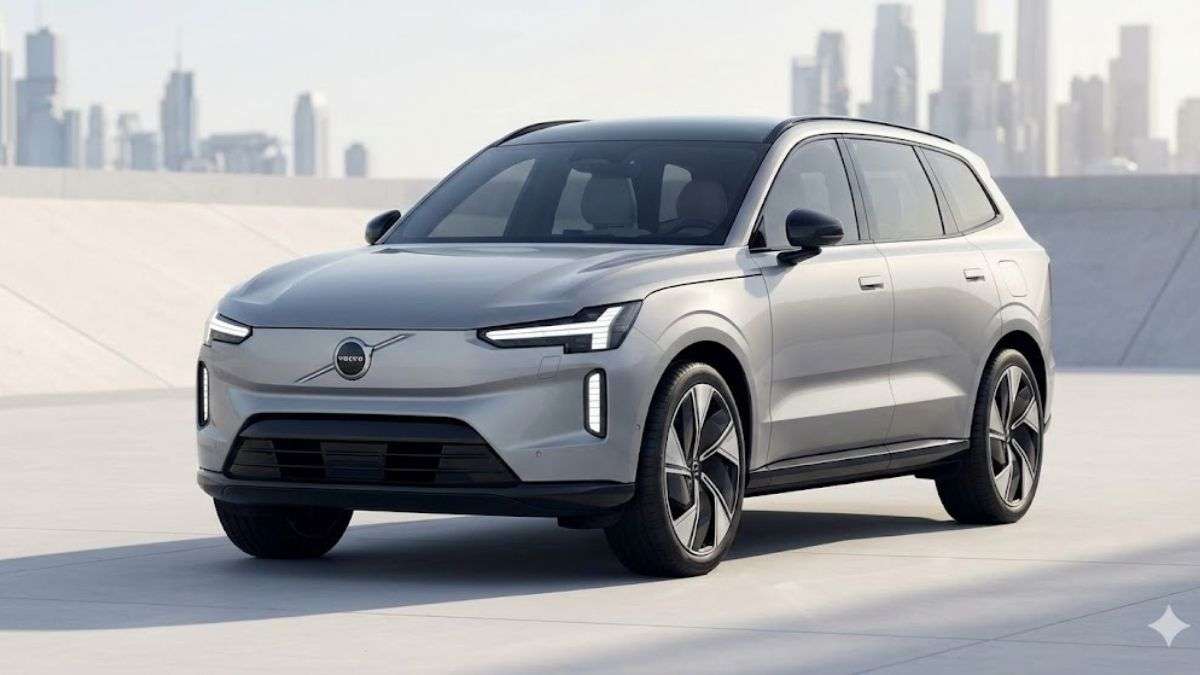

The global reveal of the 2026 Volvo EX60 has sent shockwaves through the automotive industry, signaling a definitive shift in the luxury SUV landscape. While the world has been waiting for a mid-size electric vehicle that balances premium comfort with "no-excuses" performance, Volvo appears to have delivered exactly that.
As a long-time observer of the brand's pivot toward electrification, I’ll admit to a bit of personal "buyer’s timing" conflict. I recently pulled the trigger and ordered a 2026 Volvo XC60 Recharge, the plug-in hybrid (PHEV) that has long been the gold standard for versatility. It is a phenomenal machine, offering 455 horsepower and a seamless blend of gas and electric power for those not yet ready to go full-BEV. However, looking at the specs of the all-electric EX60, I have to be honest: if this car were arriving in the U.S. just a few months sooner, my driveway would look very different. The EX60 isn't just an alternative to the XC60; it is a technological leap that makes even the best hybrids feel like a bridge to a destination we have finally reached.
The Evolution of a Legend: From XC60 to EX60
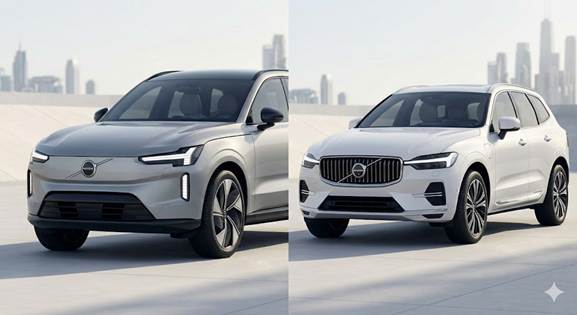
The XC60 has been Volvo’s global best-seller for years, and for good reason. My new XC60 Recharge offers about 35 miles of pure electric range—perfect for daily errands—with the safety net of a combustion engine for long hauls. It’s a masterclass in current-gen engineering.
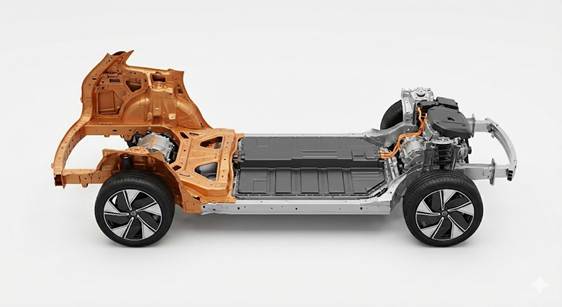
The EX60, however, is the debut of the future. While the XC60 sits on the proven SPA platform, the EX60 introduces the SPA3 architecture. This isn't just a battery swap; it’s a fundamental reimagining of how a car is constructed. The EX60 features mega-casting, a manufacturing process that replaces hundreds of individual parts with a single high-pressure die-cast component for the rear floor. This sheds significant weight and improves structural rigidity, which translates directly to better handling, quieter cabins, and higher efficiency.
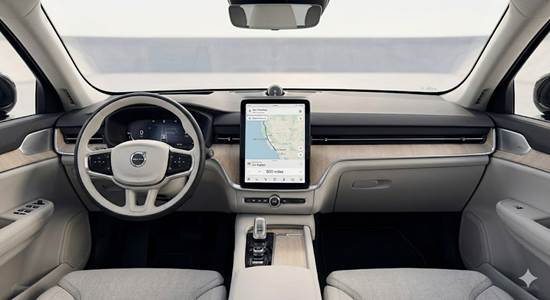
If you love the "Thor’s Hammer" LED signature and the serene "Scandinavian Sanctuary" interior of the current XC60, you’ll find the EX60 familiar but significantly elevated. It’s sleeker, with a lower drag coefficient, and an interior that replaces the traditional vertical tablet with a more immersive, AI-driven interface powered by a unified Core Compute system.
The 500-Mile Question: A True Industry Game Changer?
The headline-grabbing stat for the EX60 is the estimated 500-mile (810 km) WLTP range. Even when adjusted for the stricter U.S. EPA cycle (likely landing around 400–415 miles), this is a massive psychological and practical milestone.
Is it a game changer? Undoubtedly. Range anxiety remains the single greatest hurdle for EV adoption. By pushing toward 500 miles on the WLTP cycle, Volvo is effectively removing the "second car" requirement for many families. You can drive from San Francisco to Los Angeles or London to Edinburgh with a massive buffer.
But range is only half the story. The EX60 utilizes an 800-volt electrical system, allowing it to recoup hundreds of miles of range in just minutes when connected to a high-speed DC charger. When you combine a 500-mile ceiling with charging speeds that match a typical coffee break, the traditional arguments for internal combustion start to evaporate. This isn't just an EV for enthusiasts; it’s an EV for everyone.
Staring Down the Global Competition: The Chinese EV Wave
The mid-size luxury EV segment is becoming a crowded battlefield. The EX60 enters the ring to face off against the Tesla Model Y, the BMW iX3, and a surging wave of high-tech Chinese EVs like the Nio EL6 and Zeekr 7X.
Volvo’s advantage here is its heritage and global footprint. While Chinese brands are packing cars with incredible tech and competitive pricing, they often struggle with brand trust and established service infrastructure in the West. Volvo, backed by the manufacturing might of Geely but retaining its Swedish engineering soul, offers the best of both worlds.
Compared to the Tesla Model Y, the EX60 feels significantly more "premium." Where Tesla leans into minimalism (sometimes to the point of feeling sparse), Volvo leans into human-centric luxury. Think tailored wool blends, crystal gear shifters, and a cabin that feels like a high-end living room rather than a tech lab. Furthermore, Volvo's integration of Luminar LiDAR as a standard safety feature puts it leaps ahead of many competitors in the pursuit of truly safe autonomous driving.
The Brand Impact: Volvo’s Identity in the Electric Era
The EX60 is more than just a new model; it is the cornerstone of Volvo’s survival and growth strategy. The brand has committed to a fully electric future, and the EX60 is the "volume" car that must lead that charge.
By launching the EX60 on the SPA3 platform, Volvo is showcasing a "single technology stack." This means the software and hardware used in the EX60 can be scaled up to the EX90 or down to a future EX40 successor with ease. This efficiency is what will allow Volvo to remain profitable while competing with the aggressive pricing of the Chinese market.
More importantly, the EX60 reinforces Volvo's identity as the safety leader. Even in the EV age, safety remains their North Star. The integration of advanced sensors and the new AI-driven safety software ensures that while the powertrain has changed, the promise of the badge remains absolute. The EX60 doesn't just improve the lineup; it defines what a modern Volvo is.
Wrapping Up
The Volvo EX60 is the vehicle that bridges the gap between early adopters and the mass market. Its 500-mile potential and 800-volt architecture effectively kill the "range anxiety" ghost, while its SPA3 platform proves that Volvo can innovate as fast as any Silicon Valley upstart. While I will thoroughly enjoy my new XC60 Recharge—and its PHEV flexibility is still a great choice for many today—the EX60 is a reminder that the future is arriving faster than we think. For U.S. buyers, the wait until the car hits showrooms later this year will be a long one, but based on the specs we see today, it will be well worth it.
Disclosure: Images rendered by Artlist.io
Rob Enderle is a technology analyst at Torque News who covers automotive technology and battery developments. You can learn more about Rob on Wikipedia and follow his articles on Forbes, X, and LinkedIn.
Set Torque News as Preferred Source on Google
Follow us today...