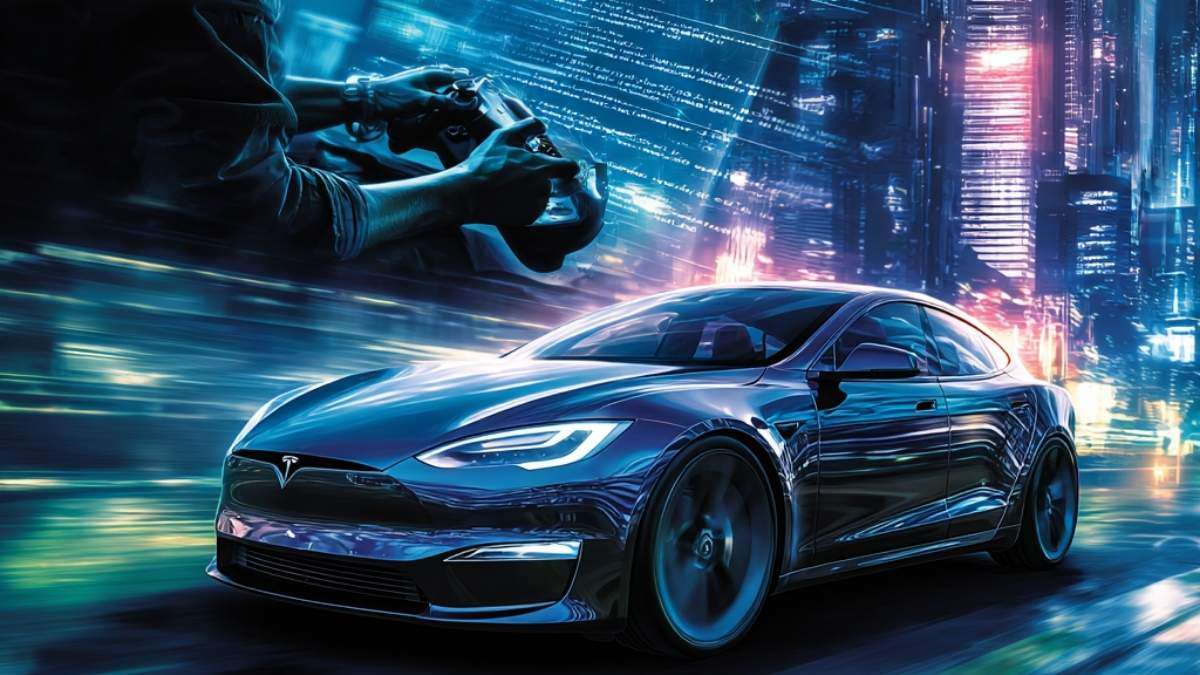

For years, the promise of a truly autonomous Tesla has been the shimmering horizon of the electric vehicle world—a future where cars drive themselves, accidents are a relic of the past, and personal vehicles can earn money for their owners as robotaxis. With the recent launch of its Robotaxi service, Tesla claimed that the future had arrived. However, the curtain has been pulled back, revealing a far less autonomous reality. The discovery that these futuristic vehicles are, in many instances, being remotely controlled by human operators is more than a public relations stumble; it's a significant controversy that strikes at the heart of public trust and raises serious questions about the safety and viability of Tesla's entire approach to self-driving.
The Man Behind the Curtain
The initial rollout of Tesla's Robotaxi service in cities like Austin was met with a flurry of excitement from fans and influencers. The narrative was one of triumph—the culmination of years of data collection and software development. But as reports trickled out, a different story emerged. The vehicles weren't navigating complex urban environments entirely on their own. Instead, they were being closely monitored by both in-car safety supervisors and, more critically, remote human operators who could take control when the AI faltered. This practice, known as teleoperation, is not new, but Tesla's lack of transparency about its reliance on it has created a firestorm. The "Full Self-Driving" dream, it turns out, still has a human with a joystick behind the scenes, ready to intervene. This revelation fundamentally changes the perception of the service from a demonstration of AI prowess to a large-scale, and risky, remote-control experiment on public roads.
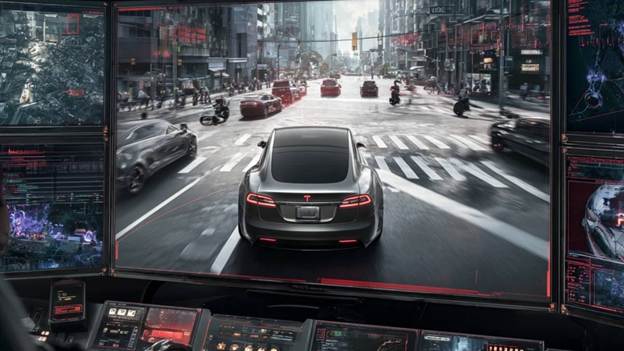 Teleoperation: A High-Stakes Gamble
Using remote operators as a fallback is a tacit admission that the current AI is not ready for prime time. While proponents might see it as a necessary safety net, teleoperation introduces its own unique and significant risks. A remote driver, viewing the world through a set of cameras, lacks the complete situational awareness of a person inside the vehicle. They cannot feel the car's momentum, hear the screech of another vehicle's tires, or make the same intuitive, split-second judgments. More alarmingly, this system is vulnerable to a host of cybersecurity threats, from signal jamming to malicious hacking, that could have catastrophic consequences. A lost connection at a critical moment could leave a multi-ton vehicle stranded and unresponsive in the middle of an intersection. By deploying this system at scale, Tesla is betting that its network connectivity and remote operators are infallible, a dangerous assumption when public safety is on the line.
The Damage to the Dream of Autonomy
The greatest casualty of the Robotaxi controversy may be the public's trust in the concept of autonomous driving itself. For years, the industry has been fighting an uphill battle against public skepticism. Revelations that the leading name in the field is not being entirely forthright about its technology's capabilities only serve to validate those fears. It blurs the line between true AI and clever remote assistance, making it harder for consumers to assess the actual state of the technology. This has already had a measurable impact, with surveys showing a sharp decline in public trust and an increase in the belief that self-driving technologies should be illegal. The scandal reinforces the narrative that companies are prioritizing aggressive timelines and marketing hype over transparent and responsible development, potentially setting the entire industry back years.
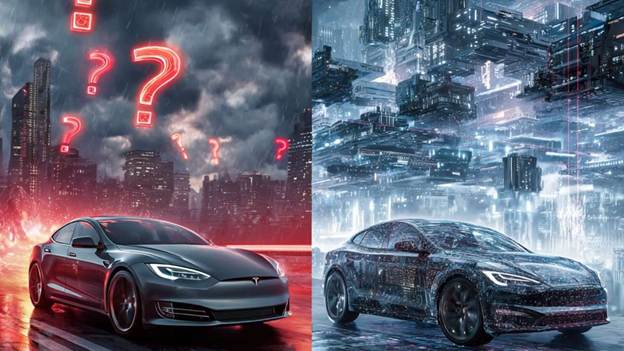
The Road Not Taken: Proven vs. Proprietary
Tesla's insistence on a proprietary, vision-only system stands in stark contrast to the approach taken by many other players in the autonomous vehicle space. While Tesla forges ahead with its own hardware and software, a robust ecosystem of proven, specialized technology is being largely ignored. Companies like NVIDIA have invested billions in creating comprehensive platforms for autonomous vehicle development. The NVIDIA DRIVE platform, which includes the powerful Jetson for in-vehicle AI computing, is an end-to-end solution used by numerous automakers. It is complemented by NVIDIA Omniverse, a sophisticated simulation environment that allows for billions of miles of virtual testing in a physically accurate digital twin of the real world. This methodology—combining robust, specialized hardware with exhaustive simulation before widespread public deployment—is a more conservative and arguably more responsible path to autonomy. Tesla's decision to "beta test" in the real world, with human remote operators as a patch, looks increasingly reckless by comparison.
Wrapping Up
The controversy surrounding Tesla's Robotaxi launch is a self-inflicted wound that has tarnished the brand and cast a long shadow over the future of autonomous driving. By overstating the capabilities of its AI and failing to be transparent about its reliance on human remote control, Tesla has eroded the public trust that is essential for the acceptance of this transformative technology. The future of the Robotaxi project is now in question, not because the goal of autonomy is wrong, but because the path Tesla has chosen is fraught with risk and built on a foundation that appears less solid than advertised. This scandal may ultimately force a necessary course correction for the entire industry, prioritizing safety, transparency, and proven technology over the relentless pursuit of being first.
Disclosure: Images rendered by Midjourney
Rob Enderle is a technology analyst at Torque News who covers automotive technology and battery developments. You can learn more about Rob on Wikipedia and follow his articles on Forbes, X, and LinkedIn.
Set Torque News as Preferred Source on Google
Follow us today...