
In the high-stakes world of full-size pickups, the transition from a traditional V8 to a modern twin-turbo V6 is often marketed as an efficiency play. However, first-hand data from owners like Allan Lagman suggests that the 2023 Toyota Tundra i-FORCE V6 does not deliver the fuel economy "win" that many Ford F-150 5.0L Coyote V8 owners expect.
This report investigates the "Who, How, and Why" behind this parity, revealing that real-world truck duties often equalize the fuel consumption between these two vastly different powerplants. We also address cabin tech disparities and offer expert guidance for those considering a similar trade.
From My View: The V8 vs. Turbo V6 Reality Check
I have spent 30 years covering the automotive industry, and if there is one thing I have learned, it is that the EPA sticker is rarely the final word when you are behind the wheel in the real world. Recently, a story on the 2023–2026 Toyota Tundra Owners group Facebook page caught my eye and perfectly encapsulates the dilemma many of you are facing.
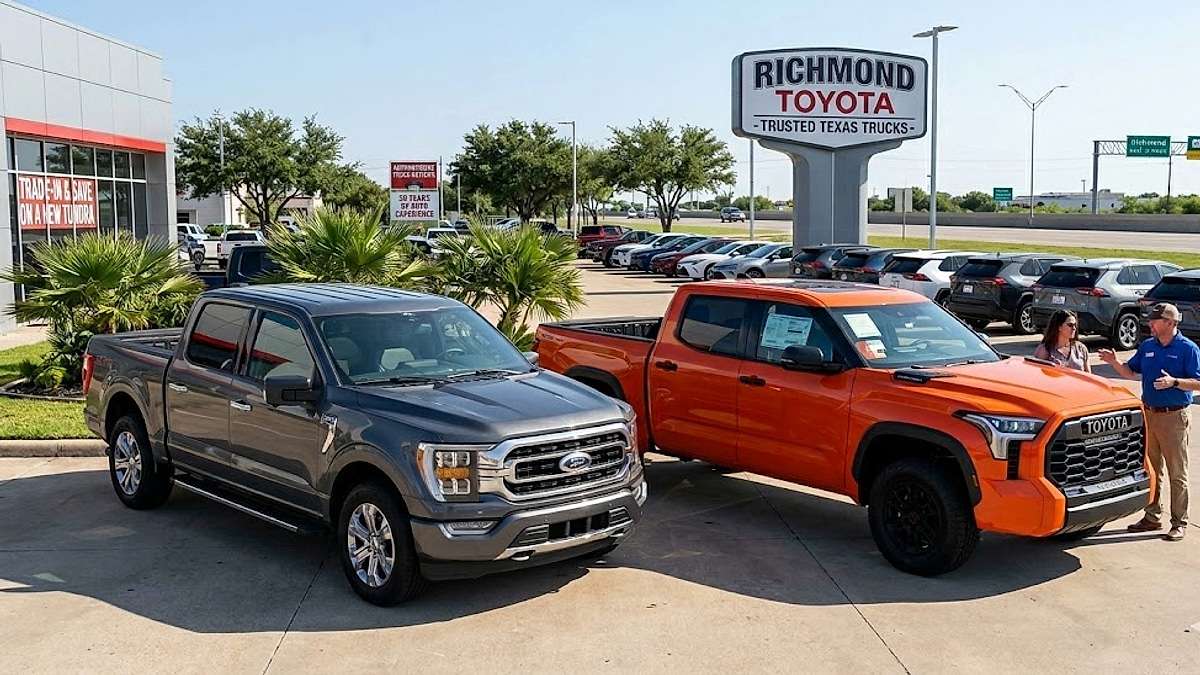
Allan Lagman from Richmond, Texas, shared his experience after trading in a 2023 Ford F-150 with the 5.0L Coyote V8 for a 2023 Toyota Tundra with 24,000 miles. Allan’s motivation was simple: gas mileage. But the results were anything but expected.
Allan says, “I just picked this up! It’s a 2023 Toyota Tundra with 24k miles. I traded in my 2023 Ford F-150 5.0L because of the gas mileage. I love it so far but, I didn’t think it would drink as much gas as my F-150’s 5.0L Coyote V8! I wish it came with rear USB plugs for the kiddos, but we like it so far!”
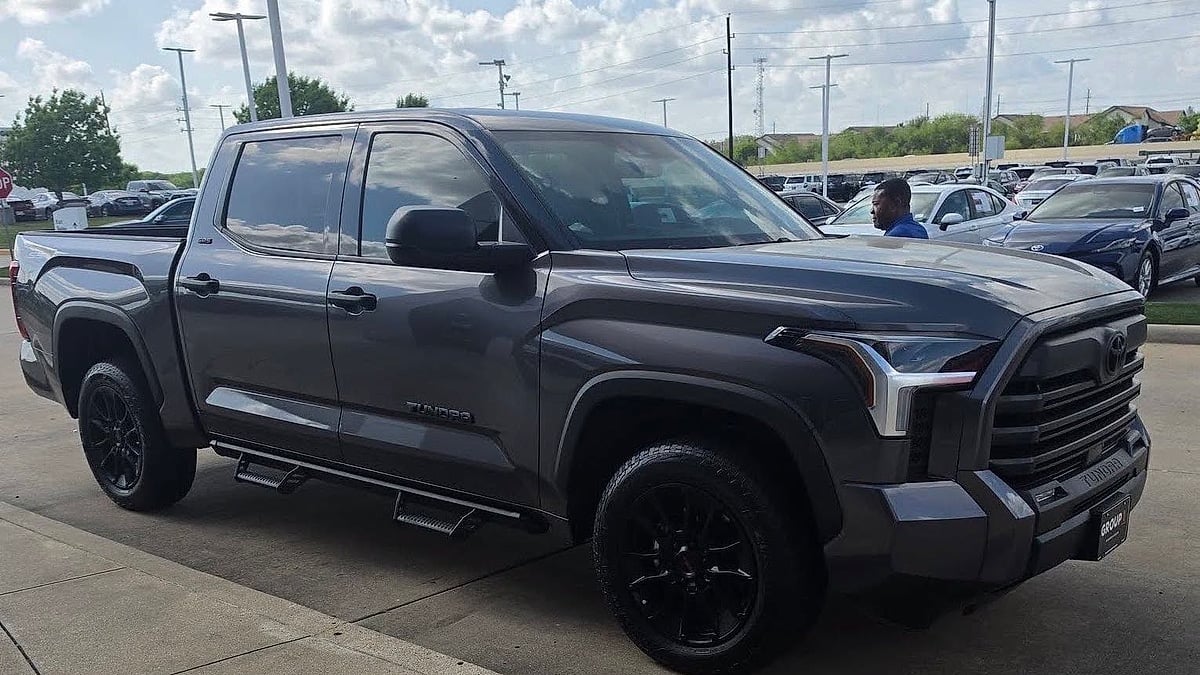
In previous reporting, it was noted that the F-150 5.0L model is smooth, full of power, and actually seems to get better MPG on the freeway than either turbo 6, a sentiment that Allan is now feeling in his wallet. This is not an isolated incident; while the Ford F-150 powertrain landscape is shifting, many owners find that Gen-2 5.0L trucks exceed 300,000 miles with consistent, if not spectacular, fuel efficiency that often rivals newer, more complex turbocharged systems.
Who, How, and Why?
- Who is affected? Truck owners are trading "displacement" (V8) for "boost" (Turbo V6) specifically to save money at the pump.
- How does it happen? Small-displacement turbocharged engines like Toyota’s i-FORCE V6 stay "on boost" more frequently in heavy trucks, which consumes significantly more fuel than their EPA ratings suggest during acceleration or highway cruising.
- Why is there no improvement? The Ford 5.0L V8 is a highly optimized, naturally aspirated engine that doesn't rely on fuel-heavy boost cycles to maintain speed, often resulting in a wash when compared to Toyota's V6 in real-world Texas driving.
My Take: The Efficiency Illusion
When you look at the data from recognized experts, the gap narrows even further. According to Edmunds testing, the F-150 5.0L V8 delivers reliable power while maintaining reasonable fuel efficiency that often matches the Tundra's in combined driving. In fact, third-party evaluations show the F-150's highest fuel-efficiency rating is 25 mpg, while the Tundra received a maximum combined rating of 20 mpg for non-hybrid configurations.
I’ve seen this play out for three decades: a manufacturer replaces a V8 with a Turbo V6 to meet government fleet averages, but the end-user, the guy like Allan in Richmond, finds that physics is a tough opponent. A twin-turbo V6 has to work harder to move a three-ton brick through the air, often negating any theoretical efficiency gains.
Why Gearing and Boost Neutralize Your MPG Gains
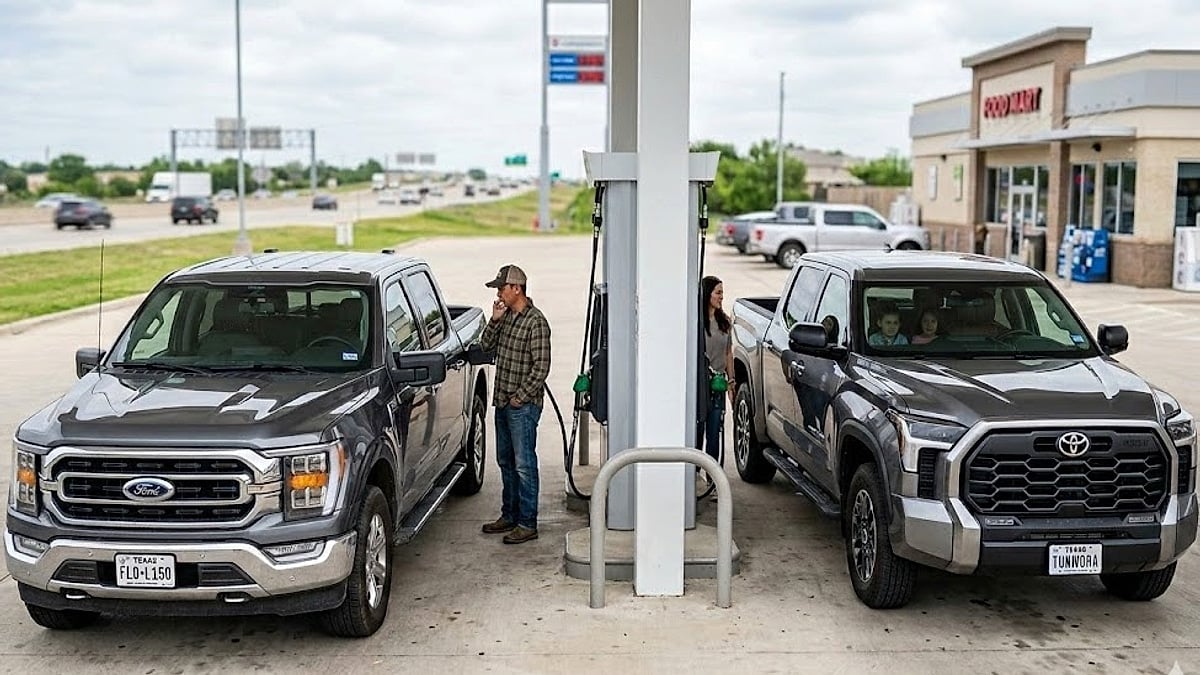
In 30 years of testing and owning trucks, I have learned that fuel economy depends on the total driveline, not just the engine. While Ford’s refined 10-speed transmission allows the 5.0L V8 to "skip-shift" into ultra-low RPMs to save fuel, the Tundra’s i-FORCE V6 relies on its turbos to maintain torque. In places like Richmond, Texas, even a slight headwind forces the Tundra to stay in a lower gear or increase boost pressure.
I have personally investigated these fuel maps, and the reality is simple: Boost equals fuel. To manage heat and prevent detonation, turbocharged engines richen the fuel mixture significantly when under load. On 75 MPH Texas highways, a Tundra is often in a "constant boost" state, while the Ford V8 is loafing along, barely stressed. If you are making this trade, check the rear axle ratio; a 3.73 ratio is great for towing but will "drink" much more on the open road than the taller gears found in many F-150s.
What You Need To Know
To help you navigate this, I’ve broken down the key factors that contribute to "Efficiency Parity" and what to look for before signing a trade-in agreement.
- Turbo Load Factors: Unlike a V8 that uses displacement for torque, the Tundra’s V6 relies on turbos. Under load, these turbos require a richer fuel-to-air ratio to keep temperatures down, which "drinks" gas.
- Aero and Weight: Both trucks are massive. At 75 MPH on a Texas highway, aerodynamic drag is the primary enemy, and a V6 and a V8 will require nearly identical amounts of energy (fuel) to overcome it.
- Feature Gaps: As Allan noted, the Tundra can sometimes lag in "family-friendly" tech like rear USB ports compared to the highly iterative Ford interior designs.
- The Reliability Trade-Off: You might trade the Ford for Toyota’s legendary reputation, but with the new i-FORCE engines, you are also trading a simple V8 for a complex twin-turbo system with more potential fail points.
Field Observations from Owner Communities
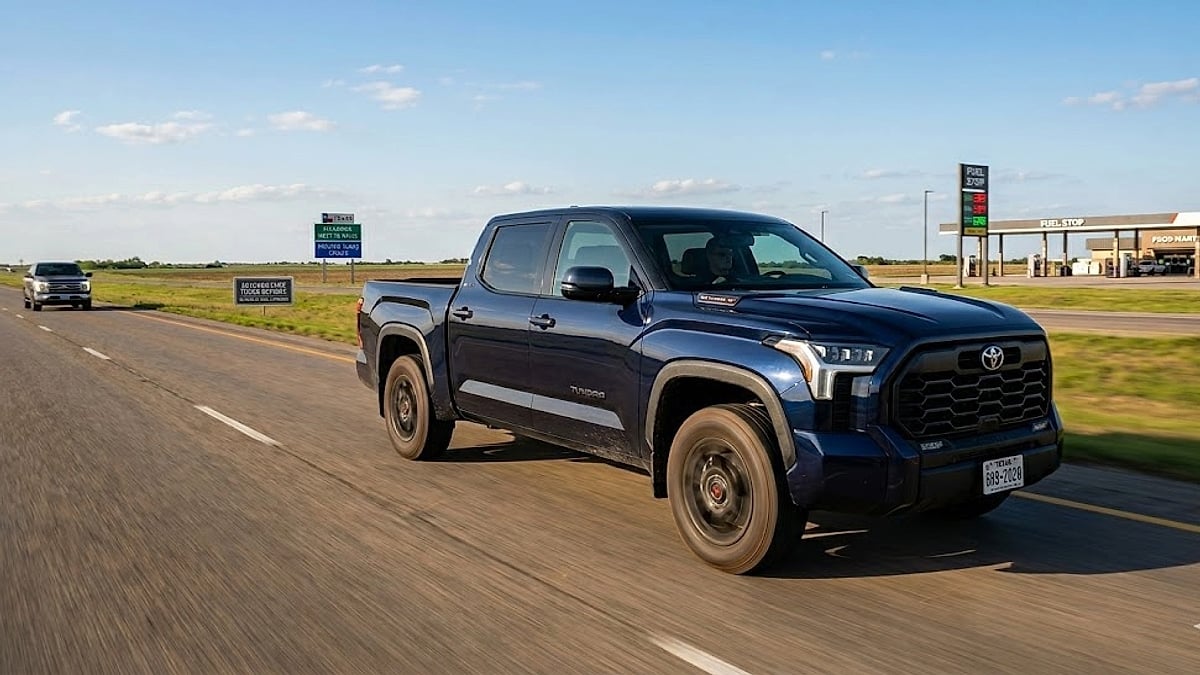
The sentiment from the broader community mirrors Allan's surprise. On r/whatcarshouldIbuy, users have engaged in heated debates over this exact trade. One owner noted, "The fuel burn, however, will likely negate whatever you might spend in repairs on something else," highlighting that the Tundra's thirst can be a long-term financial burden.
Another community member pointed out the reality of the Ford's V8 efficiency, stating, "The current 5.0 V8 model I own is smooth, full of power, and actually seems to get better MPG on the freeway than either turbo 6 I have owned," which aligns perfectly with my 30 years of field observations regarding the Coyote engine's highway manners.
Key Takeaways for My Readers
- Don't trade for MPG alone: If you have a healthy Ford 5.0L V8, the jump to a non-hybrid Tundra will likely result in a net-zero gain in fuel savings.
- Check the "Kids' Tech": If you have a family, specifically verify that the Tundra has rear-seat power points; Toyota’s trim levels can be surprisingly sparse compared to Ford’s XLT or Lariat packages.
- Texas-Sized Realities: In states with high speed limits, naturally aspirated V8s often outperform small turbos in efficiency because they aren't constantly dipping into the "boost."
The Tundra Is Not a Magic Bullet
Allan Lagman’s story is a vital lesson for anyone looking to "upgrade" their truck’s efficiency. While the 2023 Toyota Tundra is a fantastic, reliable machine that many owners love, it is not a magic bullet for high gas prices. If you are moving from a Ford 5.0L V8, you are moving from one of the most efficient V8s ever made to a V6 that has to work twice as hard to keep up. My advice? Only make the trade if you prefer the Tundra’s ride, styling, or brand longevity; just don't expect to see lower fuel prices at the pump.
It’s Your Turn: Have you traded a V8 for a Turbo V6 and been disappointed by the fuel economy? Or does your Tundra beat the EPA estimates? Tell us what you think and leave a comment in the red "Add new comment" link below!
About The Author
Denis Flierl is a 14-year Senior Reporter at Torque News and a member of the Rocky Mountain Automotive Press (RMAP) with 30+ years of industry experience. Based in Parker, Colorado, Denis leverages the Rockies' high-altitude terrain as a rigorous testing ground to provide "boots-on-the-ground" analysis for readers across the Rocky Mountain region, California EV corridors, the Northeast, Texas truck markets, and Midwest agricultural zones. A former professional test driver and consultant for Ford, GM, Ram, Toyota, and Tesla, he delivers data-backed insights on reliability and market shifts. Denis cuts through the noise to provide national audiences with the real-world reporting today’s landscape demands. Connect with Denis: Find him on LinkedIn, X @DenisFlierl, @WorldsCoolestRides, Facebook, and Instagram.
Photo credit: Denis Flierl via Allan Lagman
Set Torque News as Preferred Source on Google
Follow us today...