
Do you know the sinking feeling when you know you've made a big mistake?
I've got a fantastic story that hits right at the heart of the great electric transition happening in America's garages. It's a tale from the Tesla Model 3 and Model Y Owners Club Facebook post, shared by Tim Braucht, about how a simple trip abroad accidentally triggered a massive, immediate shift in his family's vehicle strategy.
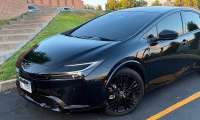
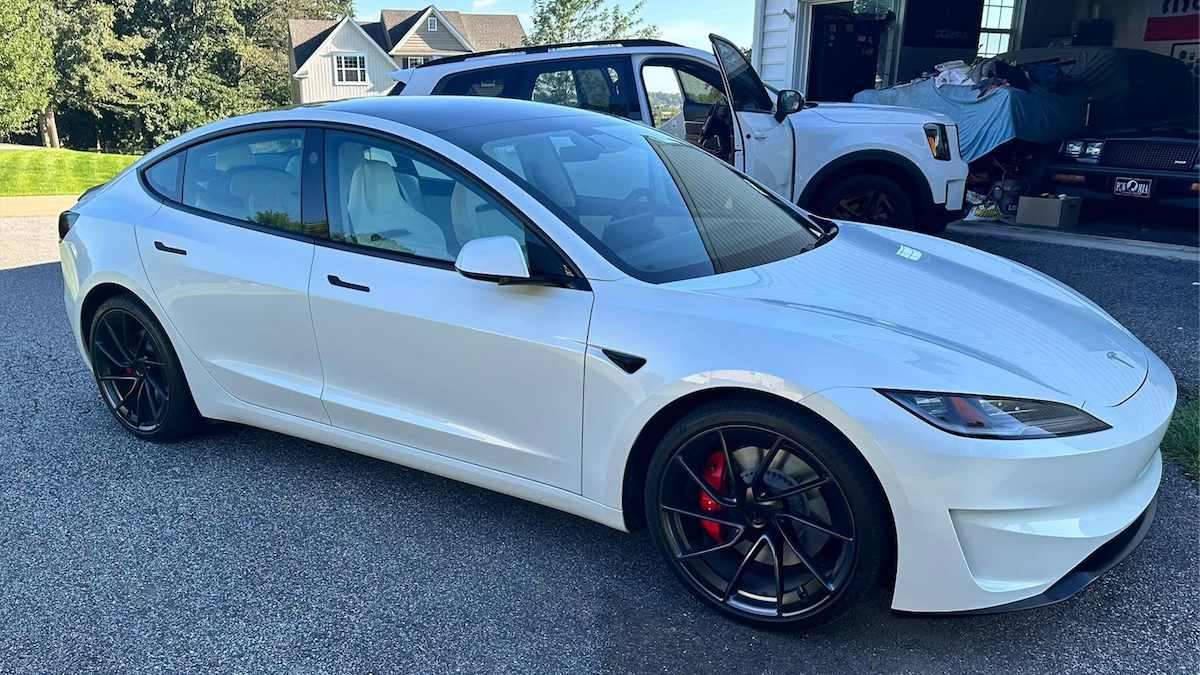
He thought he bought a new Tesla Model 3 Performance for himself; three weeks later, he realized he had bought two.
Tim's account is perfect: "So I bought a new Tesla Model 3 Performance, then I had to travel abroad for work for a couple of weeks, and I took my wife's Kia Telluride to park at the airport. So while I'm gone, she drives my new Tesla Model 3 Performance."
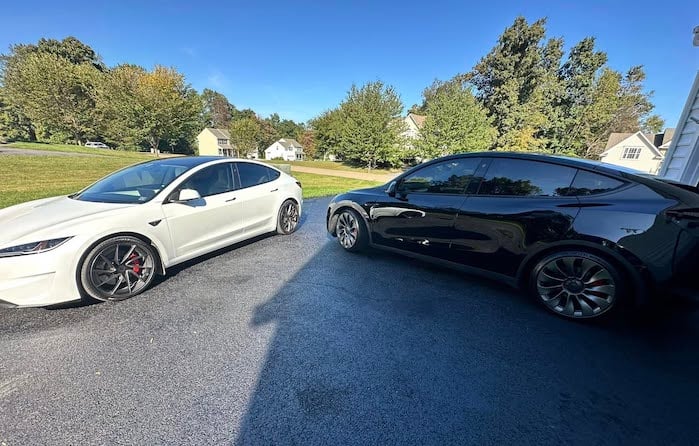
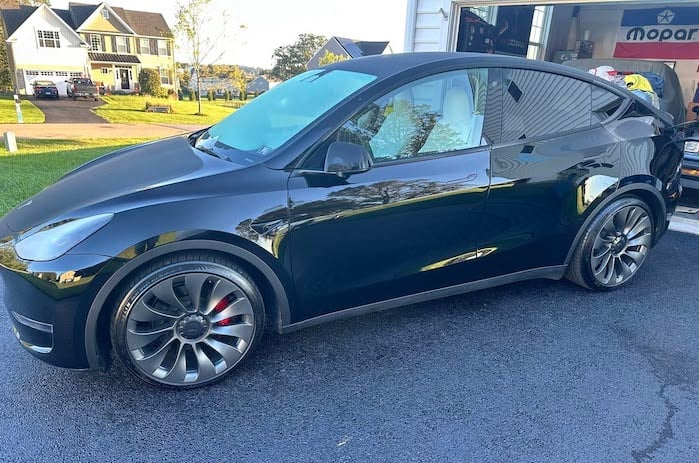
"What a mistake that was. Then I came home to find her saying she won't go back to Telluride and doesn't want to drive it anymore, so what do I do? Well, I get out of a year-old Kia lease and get her a Tesla. So, three weeks into Tesla ownership, we are already a two-Tesla family."
The "Tesla Domino Effect"
What is the core reason for the seismic shift to EVs? The driving experience.
Tim's wife didn't just drive an EV; she drove the Model 3 Performance. That is a pure adrenaline shot of 0-60 mph immediacy wrapped in modern tech. The comparison is not even close to the Kia Telluride. While it's a luxurious, three-row SUV, it can't compare to the experience of getting behind the wheel of the MP3.
The Telluride, with its naturally aspirated V6 and traditional 8-speed automatic transmission, cannot compete with the instantaneous torque and silent, single-pedal driving of the Tesla.
Once you experience that seamless acceleration, it locks in the "Tesla smile" driving experience factor. The driving experience is simpler, faster, and more responsive. The Kia Telluride vs Tesla Model 3 Performance family transition isn't just a switch from gas to electric; it's a switch from a utility appliance to a connected, thrilling piece of technology. The Telluride suddenly feels old, requiring gear hunting and waiting for power to arrive.
The result? Total vehicle rejection.
Tim's wife's refusal to "go back to the Telluride" highlights a significant shift in priority. When a driver transitions from an established, comfortable, large gasoline SUV—the traditional family car—to a modern electric sedan or compact crossover, their expectations for daily transportation are likely reset.
We are seeing this scenario play out in more and more: a family introduces one high-performance EV, typically driven by the "early adopter" (Tim, in this case), and the other spouse, initially skeptical or content with their current vehicle, becomes an immediate convert.
This explains why switching from an SUV to an EV sedan changes family driving habits so radically. Suddenly, the spouse realizes that the commute, errands, and even the simple trip to the grocery store can be performed with less effort, less noise, and it's more enjoyable.
Now, the Telluride's gas refueling and size feel inconvenient.
Breaking the Lease
Tim's quick decision to get out of a one-year-old Kia lease and get his wife a Tesla is the most complex part of this story and requires further analysis. When facing an early lease termination, you have three options, and Tim chose one of the more common routes in a strong used car market: the early buyout.
He likely executed a "lease buyout." Tim contacted the leasing company to determine the payoff amount for the Kia. Since the Kia Telluride holds value exceptionally well, Tim likely found that the market value of the used Telluride was close to, or even above, the residual value defined in the lease contract. Tim's local dealership was then able to purchase the Kia from the leasing company, using that trade equity toward the down payment on the new Tesla.
When executing a lease buyout, always check the residual value on your contract and compare it against the current wholesale market value (using reputable sources like KBB or Edmunds). If the market value exceeds the residual payoff, you have equity, and the transition becomes financially feasible.
The Brauchts are now part of a rapidly growing demographic. Once the technology is adopted, families rarely look back.
Wait, There's More to Consider
There are the unexpected and often overlooked financial implications of owning two Teslas. While the fuel savings are obvious (say goodbye to gasoline stations forever), the immediate costs involve the charging infrastructure.
Tim now needs to ensure his home charging setup (likely a NEMA 14-50 outlet or a dedicated Wall Connector) can handle two vehicles, perhaps requiring scheduled charging or a second installation.
Additionally, insurance costs need to be evaluated, as performance EVs sometimes command higher premiums, though the safety features may offset some of that.
For those planning the leap to two electric vehicles, considering the long-term viability of an all-electric two-car garage is crucial. Eliminating the Telluride now means relying solely on the electric grid, which involves home charging and understanding the Supercharger network for long-distance travel
Conclusion and Takeaways
Tim Braucht's story is the perfect example of how the sheer quality of the electric driving experience—especially in a Model 3 Performance—overrides all preconceptions about vehicle preference and even financial prudence. The family crossover (the Kia Telluride) was instantly relegated to history, and the household embraced the modern electric standard in a matter of weeks. The mistake wasn't letting his wife drive the Tesla; the mistake was thinking she'd ever willingly give it back.
The takeaway here is that if you are considering a single EV, be prepared for the likelihood of needing a second one sooner than you think. Evaluate your existing vehicle's equity—especially if it's a high-demand model like the Telluride—and use that value to smooth the financial jump into a two-EV future.
It's Your Turn
If you currently own a gasoline SUV like the Telluride, and your spouse drives your new Tesla for a week, what existing EV do you think they would demand as the replacement for the family hauler: the Model Y, the new Kia EV9, or something else entirely? Click the red Add New Comment link below and let us know.
Check out my Tesla Model 3 Performance story: I Was a Tesla Hater Saying It’s a Microwave, Has No Soul, and It’s Boring, But I Just Picked Up a Model 3 Performance, and Man I’ve Been Missing Out
I am Denis Flierl, a Senior Torque News Reporter since 2012. My 30+ year tenure in the automotive industry, initially in a consulting role with every major car brand and later as a freelance journalist test-driving new vehicles, has equipped me with a wealth of knowledge. I specialize in reporting the latest automotive news, covering owner stories, and providing expert analysis, ensuring that you are always well-informed and up-to-date. Follow me on X @DenisFlierl, @WorldsCoolestRides, Facebook, and Instagram
Photo credit: Denis Flierl via Tim Braucht
Set Torque News as Preferred Source on Google
Follow us today...