
Before you sign the paperwork on that new Honda, find out why a Master Tech is warning drivers to steer clear of the 1.5L engine if they plan on hitting 100,000 miles.
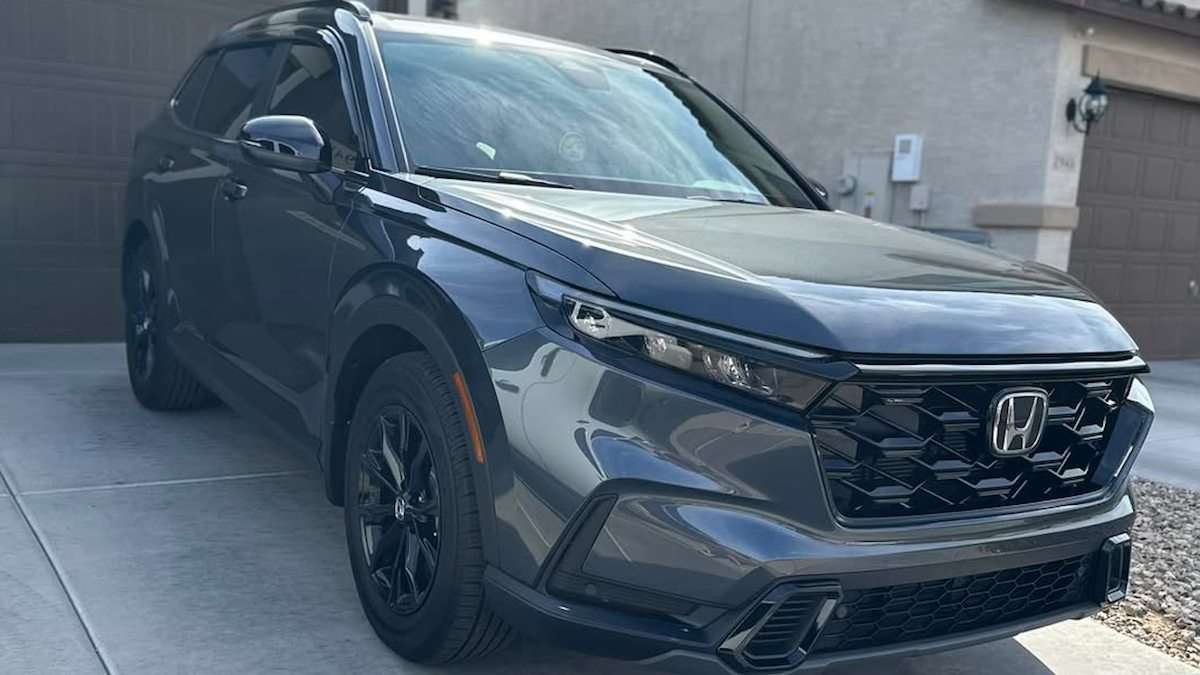
Imagine finally saving up for that shiny new Honda CR-V, expecting the legendary "bulletproof" reliability the brand is famous for, only to find yourself sitting in the dealer waiting room every few months while your mechanic shakes his head. A veteran Honda Master Technician is now warning that this nightmare is becoming a reality for far too many 1.5L turbo owners, who are seeing their engines fail long before the 100,000-mile mark.
Juono Meeh on the Honda CR-V 2023-2026 Discussion Club - 6th Generation Facebook page says,
“A Honda tech master friend of mine says he’s seeing so many 1.5L cars going in the shop, and all are 2016-2025 model years. Luckily, he did state that the 2.0L hybrid is one of their best and doesn’t work on many at all. If you are thinking of getting into a new Honda and want to keep it for a long time, maybe past 100k miles, he says, try to look into their hybrids or V6 models. (Yes, I know there are many people out there with a 1.5L that haven’t had any issues, but I’m talking about what this see Honda technician sees daily)."
The Hidden Reality of Honda’s 1.5L Turbo Reliability
In my 30 year involvement in the automotive industry, I have watched Honda evolve from a company that built simple, indestructible engines to one that is pushing the limits of small-displacement turbocharging. While the performance is snappy, the long-term data coming across my desk and the desks of Master Techs nationwide tells a sobering story. If you are looking for a vehicle to last fifteen years, the 1.5L VTEC Turbo might not be the horse to bet on.
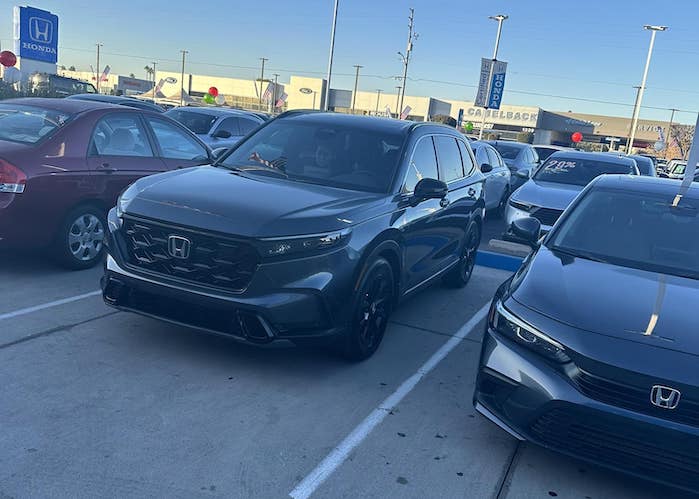
The 1.5L engine, found in the Honda CR-V, Civic, and Accord, was designed to balance fuel efficiency with power. However, the reality of high-pressure turbocharging on a small engine block has led to several documented "Achilles heels." We are talking about oil dilution, blown head gaskets, and fuel injector failures that often appear just as the powertrain warranty expires.
As I noted in my recent report, Honda Tech Warns CR-V 1.5L Owners, “Honda Designed a Garbage Engine, They Like To Eat Head Gaskets,” and Says, “Don't Use Honda Parts, Or You'll Be Back To See Me”, the pressure inside these small engines is immense. When you ask a 1.5-liter engine to move a heavy SUV like the CR-V, the stress on the head gasket is constant.
Why the 2.0L Hybrid and V6 Models Are the Smarter Buy
If the 1.5L is the "problem child," the 2.0L Atkinson-cycle engine found in the Honda CR-V Hybrid is the honor student. Because the Hybrid uses a naturally aspirated engine combined with electric motors, it avoids the high-heat and high-pressure issues that plague the turbo models.
For those who need even more muscle, the classic Honda V6 found in the Pilot, Passport, and Ridgeline remains a gold standard for longevity. These engines are under far less stress during daily driving. I’ve seen these V6 powerplants regularly log 200,000 miles or more with nothing more than basic fluid changes and a timing belt service.
In another deep dive, Toyota RAV4 Hybrid vs. Honda CR-V Hybrid: There's Only One That Will Last 300,000 Miles, I explain that the simplicity of the 2.0L non-turbo design is exactly why mechanics rarely see them for major repairs. The hybrid system actually protects the gasoline engine from the "stop-and-go" wear that kills traditional engines.
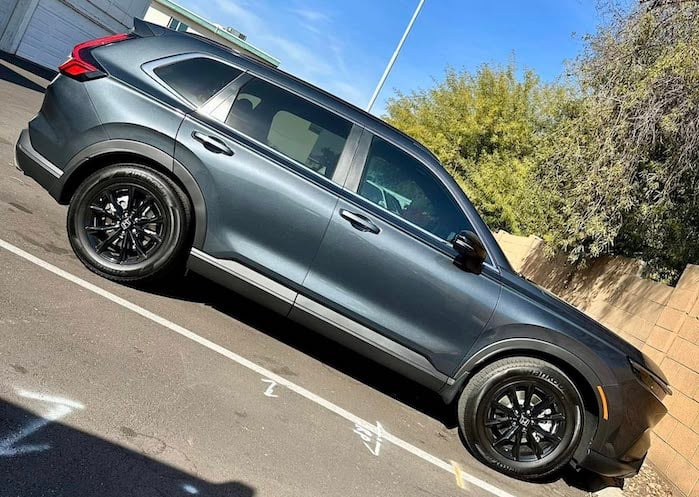
The 100,000-Mile Wall
When people search for Honda CR-V head gasket replacement cost or Honda 1.5L turbo oil dilution fix, they are usually already in trouble. The goal of my reporting is to help you avoid that $4,000 to $6,000 repair bill.
The technician's warning about "daily" shop visits for the 1.5L is consistent with the rising number of searches for Honda fuel injector recalls. These injectors are known to leak, leading to carbon buildup and, eventually, a "limp mode" condition that can leave you stranded.
I covered a similar heartbreak in I’m Selling My Unreliable Honda CR-V and Buying A Toyota, My CR-V With Only 68K Miles Already Needs New Injectors at a Cost of $2,000, where an owner felt forced to ditch a relatively new car because the repair costs were spiraling out of control.
Key Takeaways for Honda Buyers
- Avoid the 1.5L if you keep cars long-term: If your goal is 150,000+ miles, the turbocharger and high-pressure fuel system represent significant failure points.
- Choose the 2.0L Hybrid for Efficiency: It offers a smoother ride and far better long-term reliability than the gas-only CR-V.
- Stick with the V6 for Towing: The V6 models remain the most robust option for owners who need durability under load.
- Maintenance is Non-Negotiable: If you already own a 1.5L, change your oil every 5,000 miles, ignore the "Maintenance Minder" if it tells you to go longer.
What Honda Owners Are Saying
The sentiment on the street matches the view from the shop floor. Owners on Reddit have been vocal about their experiences with these specific Honda engines:
"Two of my co-workers... both well under 100k miles had a head gasket failure. It's definitely a big issue." r/accord
"My 1.5 had to have all the fuel injectors replaced at 32k, and Honda refused to pay any of it. After driving Hondas for 20 years, I'm over it." r/accord
"My 2019 CR-V went into limp mode... came to find that the engine is full of sludge. They said the engine needs to be replaced and quoted $17k." r/crv
Conclusion
Honda still makes some of the best vehicles on the road, but the "Golden Era" of the simple, indestructible gas engine has shifted toward its Hybrid technology. If you are a buyer who values peace of mind over a slightly lower sticker price, the 2.0L Hybrid or the tried-and-true V6 is the only way to go. Listening to the experts who turn the wrenches every day can save you thousands of dollars and years of frustration.
Tell Us What You Think
Are you an owner of a 1.5L Honda who has hit 100,000 miles without a hitch, or has your experience been more like the Master Tech described? Drop a comment below and let us know!
Next Up: A Honda owner is ditching his CR-V for a Subaru Forester because it's the last car he'll buy. Find out why one loyal Honda fan decided that even the Hybrid wasn't enough to keep him in the brand after years of reliability concerns. Read the full story here.
With over 30 years of industry experience, Denis Flierl brings an insider’s perspective to Torque News, where he has been a Senior Reporter since 2012. Before picking up the pen, Denis consulted for the automotive industry's biggest brands and honed his skills as a test driver. He cuts through the noise to deliver the latest auto news, compelling owner stories, and the expert analysis necessary to navigate today's changing automotive market.
Have a tip or question? Follow me on X @DenisFlierl and @WorldsCoolestRides, or connect with me on Facebook, Instagram, and LinkedIn.
Photo credit: Denis Flierl via Juono Meeh
Set Torque News as Preferred Source on Google
Follow us today...