
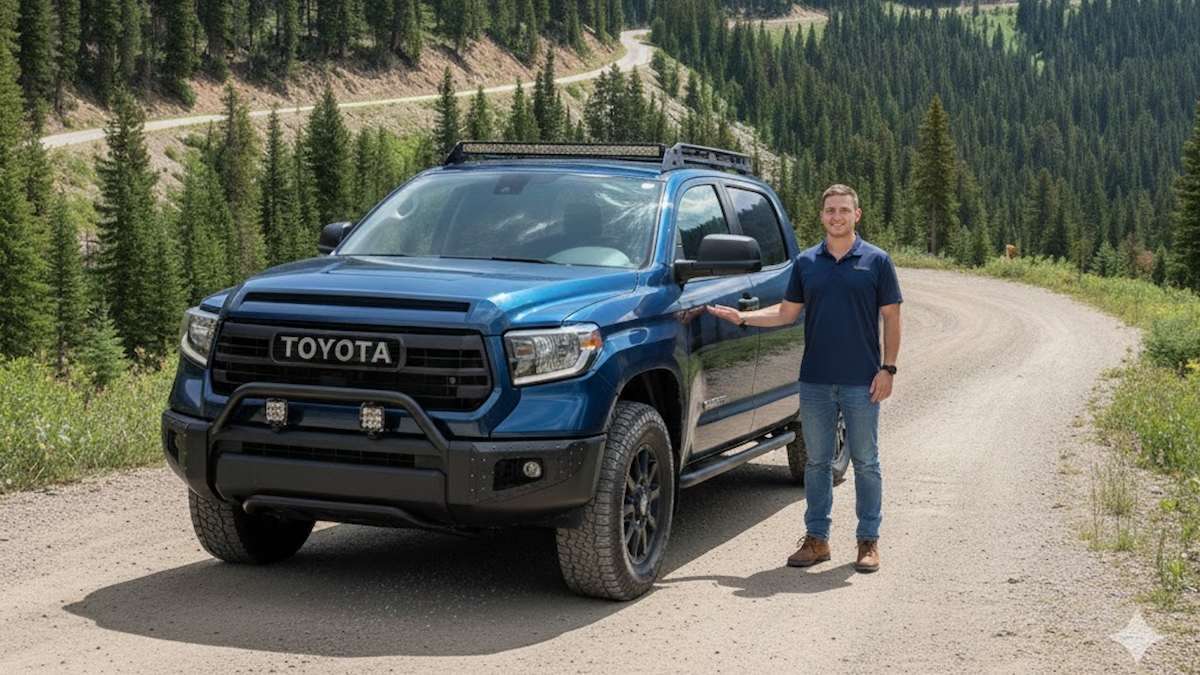

While the 3.4L engine recall dominates the headlines, one owner’s 37,000-mile journey underscores why he’s doubling down on Toyota loyalty with a custom-built SR5 that defies the current reliability narrative.
In my recent analysis of Toyota owner sentiment, I came across a standout report from Nick Chitwood from Georgia, who shared a refreshing perspective on the 2023-2026 Toyota Tundra Owners Facebook community about how his modified SR5 is successfully defying the reliability narrative.
Nick says, “Going to post something positive on here for a change! 2024 Toyota Tundra SR5 with 37K miles, and it has been my favorite truck to date. I’ve had them all, and even with the engine issues, I’d rather be in a Toyota than any other brand. My truck has: $70 1” Cornfed level, 275-65-20 Toyo RT Trail tires 6 ply (MPG is still good), Dobinson IMS rear shocks, $200 Gator low pro roll up cover, and custom diamond stitch leather interior. 5% ceramic over the factory tint in the back, 20% ceramic over the factory 20% in the front, and 50% on the front windshield.”
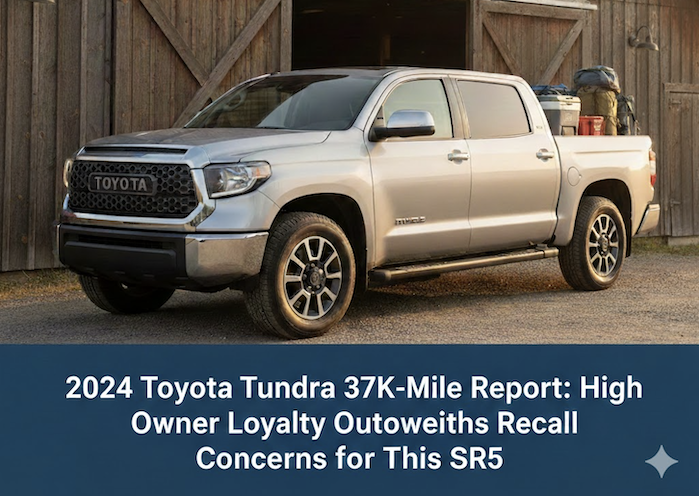
With over 30 years of experience in the automotive industry, I have seen brands rise and fall on the strength of a single engine launch. The current atmosphere surrounding the Toyota 3.4L twin-turbo V6 is undeniably tense. However, when I look at a truck like Nick’s, which has clocked 37,000 miles without a hiccup, I see a different side of the story that often gets buried under the weight of NHTSA filings and recall notices. I believe that real-world experience, what I call "boots on the ground" data, is just as valuable as a corporate press release.
My Take
When I recently examined this specific owner’s experience, the question isn't just whether the engine will fail, but who is still buying these trucks and why. The answer lies in brand loyalty earned over decades. Even with the specter of "machining debris" and main bearing failures, owners like Nick are voting with their wallets and their time.
I’ve spent the last few years investigating these issues, and I can confirm that the 2024 model year marks a pivotal moment for Toyota. I previously explored the anxiety many feel in my report on why a 2022 Tundra owner reported their engine giving out at just 37,000 miles, highlighting that even early adopters are hitting milestones that challenge the "doom and gloom" headlines.
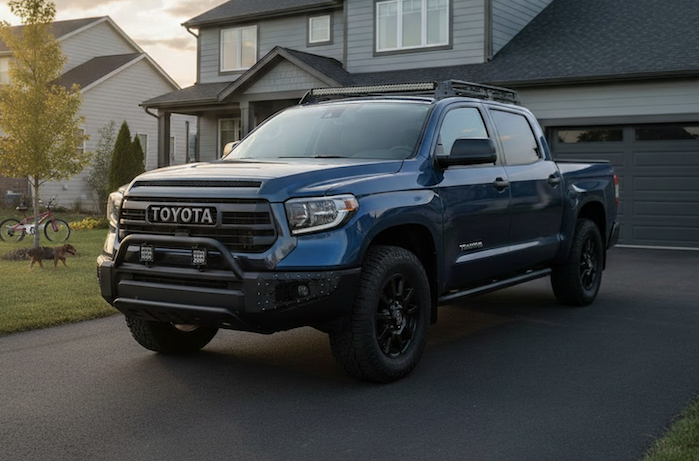
What You Need To Know
1. The 3.4L V6 Context: The V35A engine has been under scrutiny for machining debris left in the engine block during production, which could lead to catastrophic failure.
2. The 2024 "Safe" Zone: Many 2024 models were produced after Toyota implemented more stringent engine-cleaning procedures in Alabama.
3. Loyalty Factors: Owners prioritize the Tundra’s chassis, resale value, and the "peace of mind" that comes with Toyota's typically strong warranty, including full engine replacements.
The "How" and "Why" of Tundra Reliability in 2026
How can a truck with such a documented flaw maintain such high loyalty? It comes down to the total package. Nick’s SR5 isn't just a stock work truck; it’s a personalized machine. By spending $70 on a Cornfed level and upgrading to Dobinson IMS shocks, he’s refined the ride quality to exceed factory expectations. This ability to "build your own" reliability through aftermarket support is a huge part of the Tundra's appeal.
However, we cannot ignore the verified experts who are sounding the alarm. For instance, according to a recent analysis by Pickup Truck + SUV Talk, "Toyota completed its statistical analysis of the swatch contamination data collected from the Alabama plant and found engines produced during the period after those covered by the 24V-381 recall still contained higher counts of larger pieces of debris." This confirms that the risk, while diminished for some, still exists in the ecosystem.
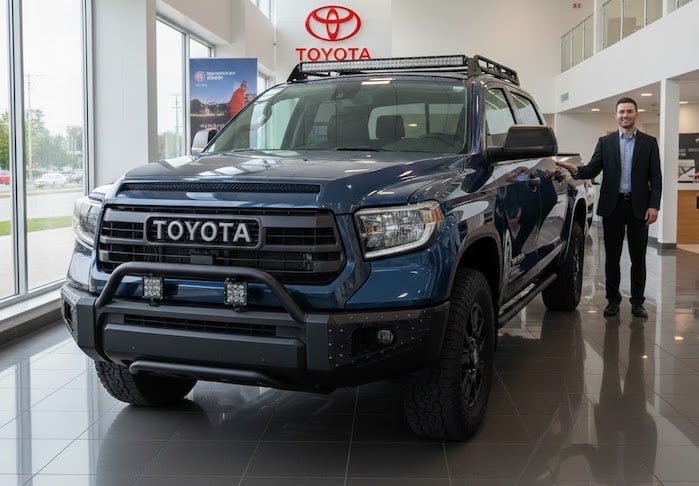
I also want to point out that Toyota's response has been unprecedented. In my recent investigation into massive engine failure recalls affecting the 3rd-generation truck, I noted that the sheer scale of the "make it right" campaign is actually reinforcing trust for some owners. They believe that if the worst happens, Toyota will provide a brand-new crate engine rather than just a patch.
Community Technical Feedback
The community remains divided, but the sentiment often leans toward "pick your poison." One user on Reddit noted the severity of the situation, stating, "My 24 Tundra with 29k miles just had an engine failure. Strangely, it wasn't part of the recall. I'm waiting for them to install a new engine now. I like hearing the zero issues stories, because that's what I'm hoping for with this second engine," which you can read in the full discussion here.
Another owner highlighted the vulnerability of the new design, noting, "The part that changed was mid 2024. Toyota themselves admitted it may have made things WORSE. Next fix to the engine factory comes in mid 2026," as reported in this Reddit thread.
Despite these concerns, data from organizations such as Consumer Reports suggest a recovery is underway, noting that the "improved reliability of the Camry, Tacoma, and Tundra... combined to propel Toyota back to the top spot" in their latest rankings. This macro-level improvement is evident in Nick's 37,000-mile success story.
Key Takeaways
- Mileage Matters: 37,000 miles is a significant "safe point" for many 2024 owners who escaped the initial production debris window.
- Modding for Joy: Simple suspension upgrades, such as Dobinson shocks and Cornfed levels, can significantly improve the driving experience without breaking the bank.
- Warranty as a Safety Net: Most owners stay loyal because they trust the 5-year/60,000-mile powertrain warranty to cover the "ticking time bomb" if it ever explodes.
- Beyond the Engine: Features such as custom diamond-stitch leather and ceramic tinting contribute to a high "smiles per mile" ratio that keeps owners in the seat.
As I’ve mentioned in my previous work, specifically regarding documented cases of Tundras reaching between 200,000 to 300,000 miles, the DNA of this truck is still built for the long haul. I believe that once we move past this manufacturing hiccup, the 3rd-generation Tundra will be remembered for its power delivery and chassis strength rather than just its rocky start.
Tundra Remains A Top Contender
While the technical hurdles of the 3.4L twin-turbo engine are real, the 37,000-mile success story of Nick’s 2024 SR5 serves as a powerful reminder that the Toyota Tundra remains a top contender for those who value long-term ownership and community support over short-term headlines.
How About You?
Are you currently driving a newer Tundra, or has the recent recall news kept you on the sidelines? I want to hear about your real-world mileage and whether your loyalty to the brand remains as strong as the owner's in this report. Please share your experience and leave a comment in the red “Add new comment” link below.
Denis Flierl is a 14-year Senior Reporter at Torque News and a member of the Rocky Mountain Automotive Press (RMAP) with 30+ years of industry experience. Based in Parker, Colorado, Denis leverages the Rockies' high-altitude terrain as a rigorous testing ground to provide "boots-on-the-ground" analysis for readers across the Rocky Mountain region, California EV corridors, the Northeast, Texas truck markets, and Midwest agricultural zones.
A former professional test driver and consultant for Ford, GM, Ram, Toyota, and Tesla, he delivers data-backed insights on reliability and market shifts. Denis cuts through the noise to provide national audiences with the real-world reporting today’s landscape demands.
Connect with Denis: Find him on LinkedIn, X @DenisFlierl, @WorldsCoolestRides, Facebook, and Instagram.
Photo credit: Denis Flierl via Nick Chitwood
Set Torque News as Preferred Source on Google
Follow us today...


Comments
I've commented before in…
Permalink
I've commented before in earlier articles you wrote.... I currently have 158k on my gen 3 tundra....purchased in jan 2022....around 130k I had my motor replaced as I was part of the recall (my motor did not fail, but I wanted to get the recall addressed)
Driven about 30k miles on the replacement motor, & all is good...thanks yoda!
Long gone are the days of…
Permalink
Long gone are the days of buying a Toyota for reliability. Now all you hear about is their warranty.
My 2024 1794 was my favorite…
Permalink
My 2024 1794 was my favorite until it spun the mains at 48k and destroyed the engine. Now it's the replacement 2026 Capstone lol. Time will tell if this one will last or not. Kind of missing my 2021 SR5.