
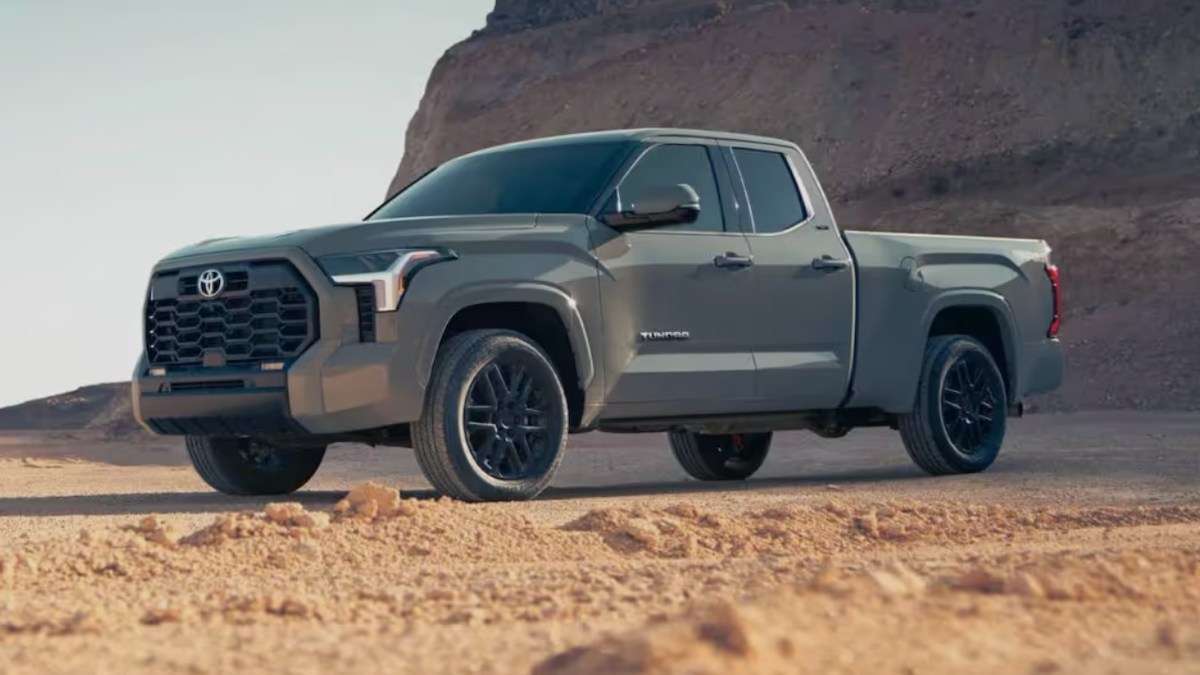

He traded a legend for a lemon, but is returning to Toyota a gamble when the "fix" is a whole new engine?
Imagine trading in a legendary truck that never missed a beat after 245,000 miles, only to find yourself plagued by anxiety with its replacement and longing for that old-school reliability. Patrick is facing this exact crossroads as he weighs the risk of jumping back into a new Tundra despite a massive engine recall that has shaken the truck world.
In a recent post shared with the 2023-2026 Toyota Tundra Owners Facebook community, Patrick Schmitt highlighted growing concerns about the reliability of the modern twin-turbo V6 and the difficult choice between trusting a recalled engine or returning to the proven V8 platform. He says,
“I had a 2010 Toyota Tundra, and sold it with 245k miles. It was crazy reliable. I bought a 2021 Ram, but I'm worried about its reliability. I want to buy a Tundra again, but I'm terrified of that V6. It's definitely not good. So, I’m heading back to Toyota for the last years of the V8 or for the same price buying a newer V6 under the Toyota motor recall. The question is, do you really think the V6 with replacement motors will match the V8 reliability? Is anyone with replacement motors having them blow up after they’ve been replaced?”
Toyota's Reputation Takes a Massive Hit
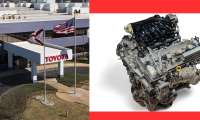
The shift from the legendary 5.7L V8 to the 3.4L twin-turbo V6 has been anything but smooth for Toyota. In my 30 years as an automotive reporter, I have never seen a manufacturer's "Quality, Durability, and Reliability" (QDR) badge take such a public beating as it has with the Toyota Tundra V6 engine recall problems. The industry's gold standard for truck longevity has been compromised by a manufacturing defect in which "machining debris may not have been cleared from the engine during production," which can lead to catastrophic main bearing failure, as detailed by Consumer Reports in its investigation into Toyota's massive engine recall.
I have covered this saga extensively, and the data suggests that for long-term owners like Patrick, the older V8 models remain the gold standard. In fact, my own analysis shows that the 2021 Tundra remains the last of the truly "bulletproof" trucks for buyers who cannot afford to gamble on a first-generation engine design.
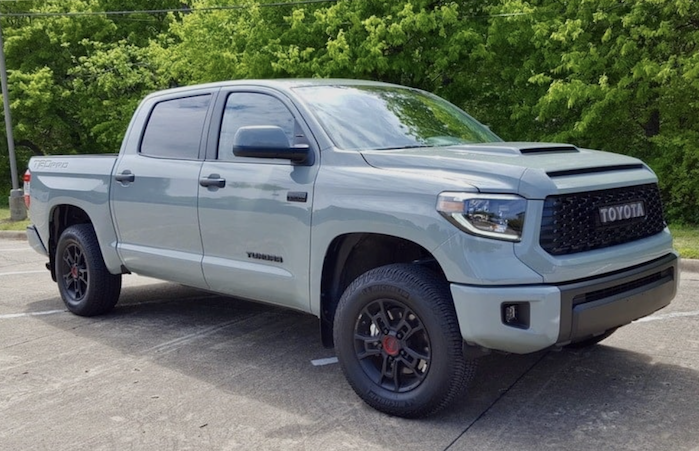
Our Personal Take: The "Replacement" Gamble
When a manufacturer replaces a "short block" under a recall of this magnitude, the expectation is that the truck will return to its former glory. However, a major concern for Toyota Tundra V6 reliability is that the twin-turbo setup's sheer complexity leaves little room for error. Industry experts have observed that "the recall is unusual because of its scale and the fact that it requires a full engine replacement," a sentiment shared by automotive journalists at The Drive, who emphasize the logistical nightmare this poses for dealerships.
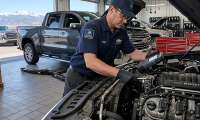
In my own research, I have uncovered disturbing accounts that suggest the "remedy" might not be foolproof. I recently shared the story of a Tundra owner whose engine blew up just 6,000 miles after a recall replacement, signaling that whether it is a factory defect or a dealership installation error, the risk remains significantly higher than it ever was with the 5.7L V8.
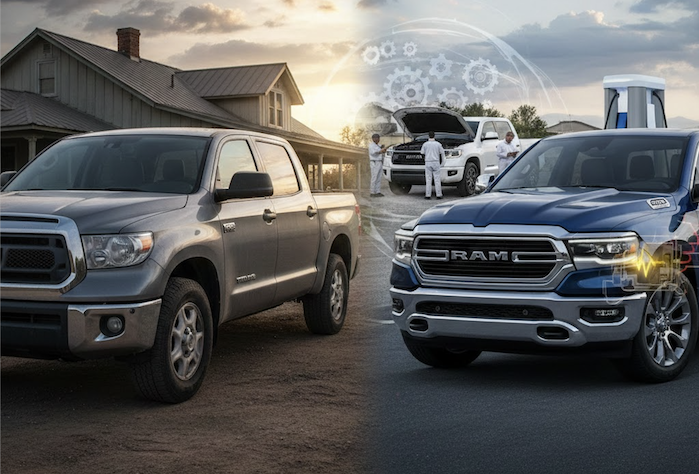
What I Tested: Ram 1500 vs. Toyota Tundra Reliability
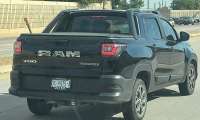
In my years of testing these two heavy hitters, I have found that they offer two completely different "flavors" of disappointment when they fail. The Ram 1500 is the undisputed king of the "showroom test." It has the best ride quality thanks to its link-coil rear suspension and an interior that feels more like a Mercedes than a work truck. However, the Ram's Achilles' heel has historically been "death by a thousand cuts." While the Tundra faces one massive, headline-grabbing engine disaster, the Ram often suffers from chronic electrical gremlins, Uconnect screen freezes, and the dreaded "Hemi tick" in older 5.7L models.
If you are looking at a used Ram 1500 vs. a Toyota Tundra, the math changes at 100,000 miles. My experience shows that the Ram's air suspension and complex active aerodynamics are prone to costly repairs as they age. On the other hand, the Tundra, specifically the V8 models, tends to stay mechanically sound even if the interior tech feels like it belongs in 2012. Patrick's move from a 245k-mile Tundra to a Ram likely felt like a massive upgrade in comfort, but that anxiety he feels is the trade-off for a platform that hasn't historically matched Toyota's "forever truck" reputation.
Furthermore, the resale value is a major factor I always tell my readers to consider. A Tundra will typically retain its value far better than a Ram. If you buy a Ram, you are paying for the experience of the drive today; if you buy a Tundra (at least a V8 one), you are investing in the truck's value ten years from now. With the current Tundra V6 engine recall, however, that gap is closing as buyers become wary of newer Toyota models.
V8 Simplicity vs. V6 Complexity
During my decades in the automotive industry, I have driven over 500 test cars, and the difference between these two generations of Tundra is night and day. The old V8 was under-stressed and over-built. The new twin-turbo i-FORCE V6 is highly efficient and powerful, but it relies on tight tolerances and high pressure. If you are searching for reliable used trucks, you have to decide if you value 20 MPG or the peace of mind that comes from a naturally aspirated engine.
For Patrick, the choice between a used 2021 V8 and a 2024 V6 is about more than just the price tag; it is about "starts every time" vs. "waiting for a loaner." If you go with the V6, you are essentially betting that Toyota's second attempt at building your engine is better than the first.
What Tundra Owners Are Saying
The community is deeply divided on whether to trust the new platform. One user on Reddit highlighted the anxiety of owning the new model, stating, "$60k is way too much to 'hope' your truck doesn't break down and leave you on the side of the highway," which you can read in the full discussion here.
Another owner shared a much more positive experience after their swap, mentioning, "New engine is smoother and idles better. Plenty of power. Didn't have any problems and now have a new engine," found in this Reddit thread.
Key Takeaways
- The V8 remains the reliability king: If you plan to keep your truck for 245,000 miles as Patrick did, the 2020-2021 models are the safest bet.
- Recall fixes are ongoing: While Toyota is replacing engines, the long-term durability of these "new" blocks is still unproven.
- Complexity matters: The twin-turbo V6 is a sophisticated machine; it requires more meticulous maintenance than the old 5.7L.
The Jury Is Still Out On the New Tundra
Patrick’s dilemma is one shared by thousands of Toyota loyalists. While the new Tundra offers better tech and fuel economy, it has yet to prove it can go the distance without a major internal failure. If you are someone who keeps a truck for a decade, that 2021 V8 is looking better every single day.
It's Your Turn: Have you had a Tundra engine replaced under the recall, and what was your experience with the replacement engine? Click the red link below to write your comment and join the community in sharing experiences.
Next Up: Check out how one owner is navigating the recall process with a surprisingly positive outlook on Toyota's customer service despite a total engine failure: Read the full story here.
Denis Flierl is a Senior Reporter at Torque News with over 30 years of hands-on experience in the automotive industry. Having served as a professional test driver and industry consultant for major automakers such as Chevrolet, Ford, Toyota, Honda, and Tesla, Denis provides a "boots-on-the-ground" perspective that goes beyond standard reporting. Since joining Torque News in 2012, he has specialized in cutting through market noise to deliver data-backed analysis and real-world owner stories. His work focuses on navigating the transition to EVs and the shifting automotive market.
Have a tip or question for Denis? > Engage with him directly on LinkedIn for industry analysis, or follow his latest updates on X @DenisFlierl and @WorldsCoolestRides. You can also find his latest car features on Facebook and Instagram.
Photo credit: Denis Flierl via Toyota and Ram
Set Torque News as Preferred Source on Google
Follow us today...


Comments
Ram gas trucks for 2026 have…
Permalink
Ram gas trucks for 2026 have 10 year/100k warranties. Plus, you can buy Ram's Hurricane engine with more hp and torque and towing then the V8. The Hurricane motor is fantastic! Stay with RAM.
20mpg?? Lol. Good luck on…
Permalink
20mpg?? Lol. Good luck on that.. more like 15mpg at best..
Yes, last fall and so far so…
Permalink
Yes, last fall and so far so good.
I find the new engine more responsive
I have a 2012 Tundra,…
Permalink
I have a 2012 Tundra, supposedly the worst year for the Tundra, it has 209k miles. I bought it with 96k. I have had no problems or issues with really just about anything on the truck. Until I had to replace the right rear axle because of the abs ring. (Easier to replace the axle shaft than to replace the hub with a new abs ring) I traded a 2013 Ram 1500 with the Hemi thay had 69k miles, it was the best thing I have ever done as far as my vehicles are concerned. I worked for a Toyota dealership at the time, and now work for a CDJR dealership as a service advisor. NO REGRETS at all even now with the newer Hurricane engines in the Rams.
Buy a Ford with either…
Permalink
Buy a Ford with either Ecoboost. If you tow moderate trailers the 2.7 Ecoboost is ultra durable and exceedingly reliable. The 3.5 tows heavy trailers with ease and is proven and nearly as reliable as the 2.7.
I want to upgrade to…
Permalink
I want to upgrade to something bigger from my loaded 23 Tacoma off-road 6mt, but every time I start to look, I get smacked in the face by something like this. Fortunately, I rarely drive it and it only has 20k miles on it
If you like to gamble, get…
Permalink
If you like to gamble, get the V6. If you want reliability, go with the 2014-21 5.7L. Seems like a no brainer to me….
Replacement took over 60…
Permalink
Replacement took over 60 days and then the gas tank vapor recover broke that waas2i not under warranty. Running ok now, but concerned about reliability.
I purchased a 22 tundra…
Permalink
I purchased a 22 tundra knowing id get a new engine for it it had 30k miles and I got it for 34k. Toyota is no longer attempting short block remedies. Toyota is sending dealerships whole new motors with both turbos being replaced as well. It is definitely difficult spending 60k on something that could blow up but I was more than happy getting a good deal which actually made me excited for the recall as I was spending 34k and eventually getting a motor with no miles on it
Toyo reliability???? I'll…
Permalink
Toyo reliability????
I'll keep my RAM
Bought a brand new 2022…
Permalink
Bought a brand new 2022 Toyota Tundra 2x4 Platinum model, (paid extra $500 for the "Supersonic Red" color). No problems with the engine during that time, but finally had the engine replaced at 39,000 miles during week of 5 - 12 Jan 2026 due to the factory recall and dealer service manager said it would be a complete "engine swap out". Not just a block, main bearing, crank shaft etc. Older recall repair took old engine apart and replaced what was needed after inspection I was told by other folks and could take 3 weeks or more. With full swap out had truck back in 1 week with new coolant and oil of course. Have less than 200 miles on new engine so far. Still runs great!
I have an 08 TRD SR5, it's…
Permalink
I have an 08 TRD SR5, it's been a fantastic truck. The only major thing with this truck was the AIP'S, which were replaced by Toyota. I am on the fence about a new one. I just might leave the Tundra all together for the Land Cruiser.
I have the even better 2nd…
Permalink
I have the even better 2nd gen 4.7 bullet proof engine with less than 100k on it. Id NEVER go with that V6. The REASON I got this truck and engine was reliability and it lasts a long time, and can drive well over 500k miles. So unless I stop caring about that(not going to happen!), the V6 would never be an option for me. I will buy a used one when this one reaches its limit, and never purchase a never one. Too many added junk to go wrong. Im sicknof car companies adding so much extra tech, its not want consumers want who buy the Tundra ir Tacoma. We want uninterrupted reliability! I swear thesr companies are just looking to gas us financially!
Traded in my 2010 Tundra for…
Permalink
Traded in my 2010 Tundra for the new V6 in 2022. Many people told me not to buy the new model in the first year, but I figured it might be a bumpy ride as Toyota got the kinks out of the new motor. Yes, hearing of the recall was shocking initially, but my truck got a brand new motor at 18k miles and it was in the shop for one day. Have put around 6k on the new motor and have had zero problems aside from a few recalls for small stuff here and there. I hate to say I love my 2022, makes me look like a zealot, but I do. It thinks for a second when you put the pedal down, but once it takes off you better be secure in your seat. Loved my 2010, wouldn't go back. Hope your experiences are as favorable as mine.
Looks exactly like my 2011…
Permalink
Looks exactly like my 2011 Silverado minus the rear window, grill.and headlights.
Ok...5.7 Tundra ONLY....You…
Permalink
Ok...5.7 Tundra ONLY....You Will Pay..Out Of Pocket With This V6 Twin Turbo New Version.....If You Decide On Ram...ONLY 6.4 Hemi 2500 Series...The Ram Hurricane Twin Turbo L-6 and 5.7 Hemi... another pay out of pocket....
I personally refuse to buy…
Permalink
I personally refuse to buy any vehicle built after COVID.
There is no longevity in a forced induction hamster engine from ANY manufacturer.
I bought a 2008 toyota…
Permalink
I bought a 2008 toyota tundra limited double cab 4wd and in 2016 bought another tundra limited double cab 5.7 4wd and it now has 135000 miles! I won't buy the new tundra double cab limited less room in the back seat and the interior plastic seams cheaper and above all the twin turbo V6 that may save you a few miles a gallon if it doesn't blow up! Maybe toyota should offer the old 5.7 engine as a replacement or as an option new! Personally I don't want a half ton pickup with a v6 in it!
I brought the Tundra 2022. …
Permalink
I brought the Tundra 2022. I have not had any issues. Followed all of the break in recommendations. I love the pulling capacity. I pull my boat about 3500 pounds on a regular basis. I have pull a full size U-Haul from SC to Tx, and back. Loved the way it handles.
Summer of 2025 Toyota replaced the engine. Never had any issues with the first and still nothing with the replacement. Dealer did a great job with the replacement. I could definitely feel the difference in the new replacement.
I've had a bunch of trucks…
Permalink
I've had a bunch of trucks of all makes and models and by far the most reliable one is my current 2013 Toyota Tundra with the 5.7ltr. It currently has over 210k miles and starts up every time, towns like any diesel and the 4 wheel drive has never let me down. No wonder the dealer offered me $9000 more than what I paid for it 5 years ago. Nope not selling 😁
Toyota reliability across…
Permalink
Toyota reliability across the board has been garbage for several years. I wouldnt consider buying anything they sell currently. Sadly many people still believe that they are the most reliable cars you can buy. That ship sailed a decade ago.
I bought a new 2014 Tacoma…
Permalink
I bought a new 2014 Tacoma that never had a single issue in the 4 years I owned it. I wanted something bigger, so I sold it in 2018 and planned on getting a Tundra.
After comparing prices of new trucks, I decided to go with the 2018 F150 with the V6 twin turbo. It was cheaper than a new Tundra and was more in my price point. At the time, the new V6 engines were just coming out. I had drivetrain/transmission issues right from the start. In 2025, the transmission finally went out right after the 60k warranty.
I decided to get rid of the F150, and I started looking at the Tundras. After seeing Toyota started using the same V6 engine and transmission that my F150 had, I said no way and decided to buy a used 2021 Tundra with the V8. I wish I would have done this back in 2018 and just paid more for a Tundra than the cheaper F150.
What would I pick? Another…
Permalink
What would I pick? Another brand. And I'm a 15 year toyota master tech with a lot of experience with these turds of a truck
It seems to me that Toyota…
Permalink
It seems to me that Toyota has and continues to create sabotage upon itself. Couldn’t they have massaged the V8 in the Tundra and the V6 in the Tacoma to be more efficient with more power as well as economical? The fact that a 4 banger turbo now resides under the hood of the Tacoma gives me huge anxiety and it’s the reason I won’t part with my hard earned dollars and buy one! The 4.0 in my older Taco just keeps on going and with only 100k miles on it I’ll drive it till the wheels fall off. I’ll take the ‘proven’ over the ‘let’s wait and see’ any day of the week!