
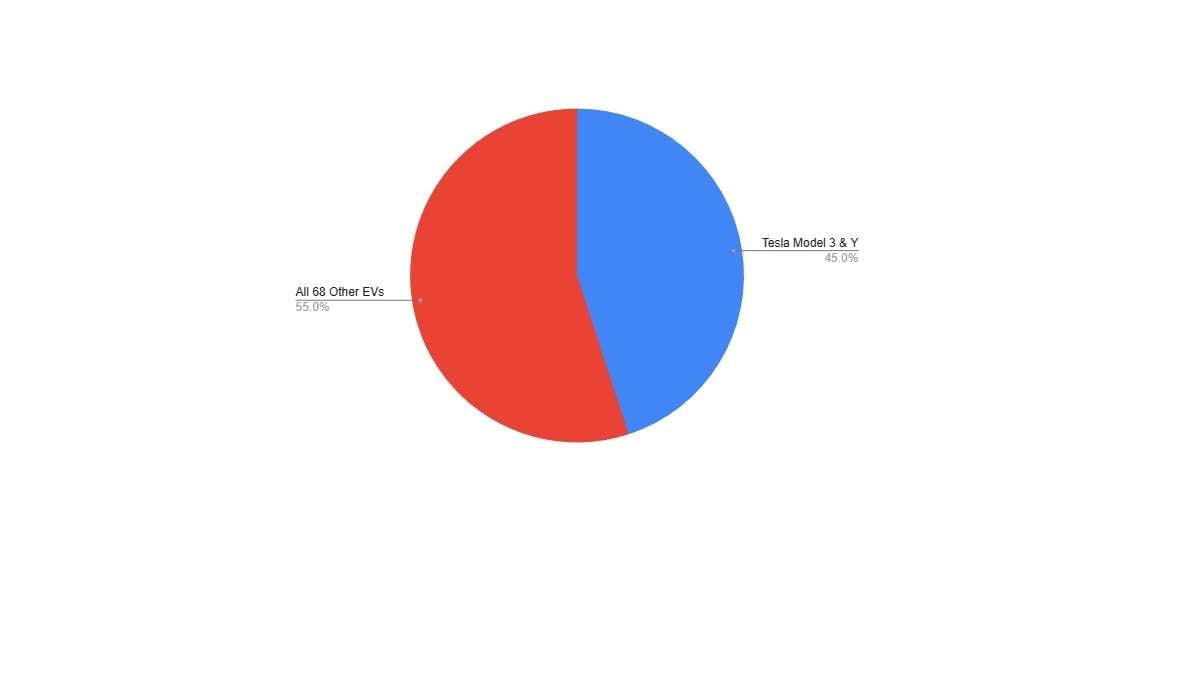

In the U.S. battery-electric vehicle “market,” there are only two successful vehicle models. They are the Tesla Model Y and the Tesla Model 3. Each is delivered by Tesla at mainstream volumes. They do quite well in comparison to vehicles like the RAV4, CR-V, Civic, and Camry, for example. Selling at volumes in the same approximate ballpark. By contrast, no other EV delivered by any other brand in America sells at what would be considered mainstream volumes. Here are some comparisons to check out, just so you can get a feel for the monthly delivery volumes.
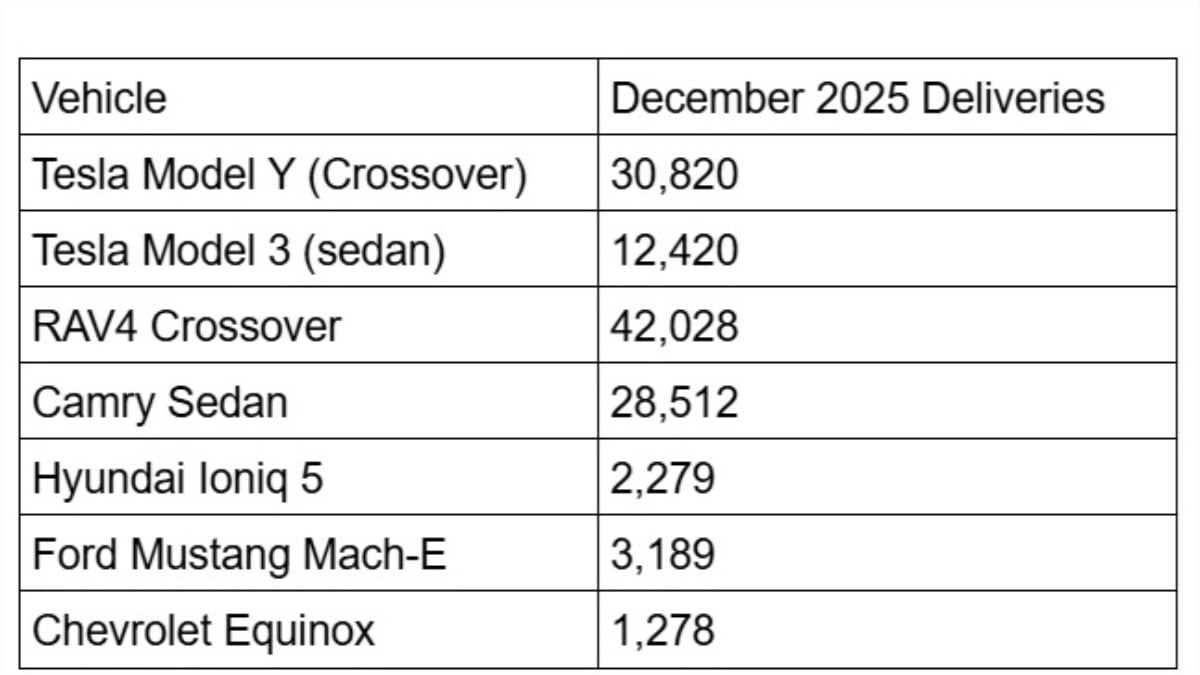
As you can see, the latest available monthly volume data shows that the Tesla Model Y outsells its competitors by roughly 10 to 1 or more. The Model 3 has no real direct sedan competitors, but sells more strongly than any other EV in America by a wide margin. Roughly 4 to one against the Mustang Mach-E. We chose the Ioniq 5 and the Mustang Mach-E because they are the two most consistent sellers aside from Tesla’s Model 3 and Y over the past few years. The Equinox is newer and lower volume, but we added it in anyway. For some of the models above, we took the quarter results and divided by 3 to get the number shown.
The importance of this comparison is that no manufacturer outside of Tesla has a successful EV model in America. At the volumes shown, any crossover would be canceled at these volumes. Need proof? Ford just canceled the Escape crossover, and its monthly delivery volume was a very consistent 8,000 units per month. Some specialty cars do sell at lower volumes, and they are kept by the brand for various reasons. However, daily drivers are sold in volumes of around 10,000 units per month, generally speaking.
It has been 30 years since GM’s EV-1, and 29 years since the first generation of the all-electric RAV4. This begs the question: When will EVs other than the Y and 3 finally succeed in America? It’s hard to say that the year will be 2026, since across the board, EV deliveries have been down considerably over the past months.
It’s not just every brand other than Tesla that has a failed EV model or two or three. Tesla has six vehicles. Of the six, only two have any volume to speak of. The rest are so far abject failures if you consider the extremely low volume at which they are delivered. Do the owners love them? Yes, dearly. But the problem is that there are so few.
Does the U.S. market need or want another EV model that looks like and drives like the Model Y? If so, there is no evidence to support this. Kia, Hyundai, Toyota, VW, Subaru, Nissan, and others have tried to replicate the Model Y’s success, and none have succeeded. Without question, the chances of any new sedan rivaling the Model 3 for delivery volume are nil. Most automakers are moving away from sedans, leaving Honda and Toyota to fill the diminished market demand.
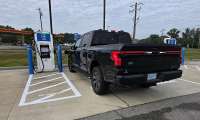
EV trucks have proven unsuccessful in the U.S. marketplace. No automaker can even sustain a monthly delivery rate of 2,000 units. Ford just canceled its EV truck, and it was the sales leader for most of the months it was available. Was it an amazing truck? For sure. But at its price point approaching 100K, few buyers wanted one.
Many EV advocates point to charging challenges, range anxiety, battery chemistries, price, and other factors as reasons why American-market EVs are failing, beyond just two models. While they are all topics worthy of discussion, the industry as a whole may wish to step back and ask itself why, after 30 years of efforts, only two models of EVs are selling at volumes that justify their existence. Ford seems to be doing just that with its "moonshot" low-cost EV truck. Slate seems to have a similar idea. Only time will tell if they succeed.
Tell us in the comments below if you see any new EV entering the U.S. market and selling at mainstream volumes high enough to justify its existence.
John Goreham is the Vice President of the New England Motor Press Association and an expert vehicle tester. John completed an engineering program with a focus on electric vehicles, followed by two decades of work in high-tech, biopharma, and the automotive supply chain before becoming a news contributor. He is a member of the Society of Automotive Engineers (SAE int). In addition to his fourteen years of work at Torque News, John has published thousands of articles and reviews at American news outlets. He is known for offering unfiltered opinions on vehicle topics. You can connect with John on LinkedIn and follow his work on his personal X channel or on our X channel. John employs grammar and punctuation software when proofreading, and he sometimes uses image generation tools.
Set Torque News as Preferred Source on Google
Follow us today...




Comments
And we've still never seen…
Permalink
And we've still never seen an auto enthusiast roll up in an EV, have we?