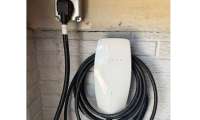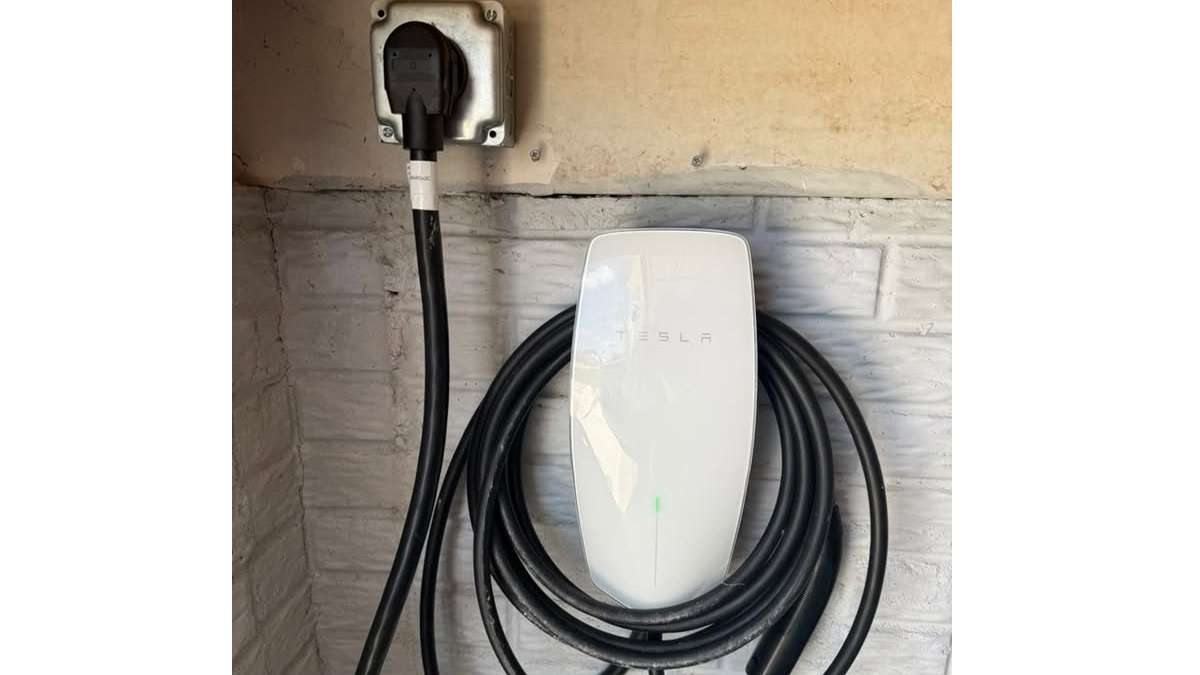

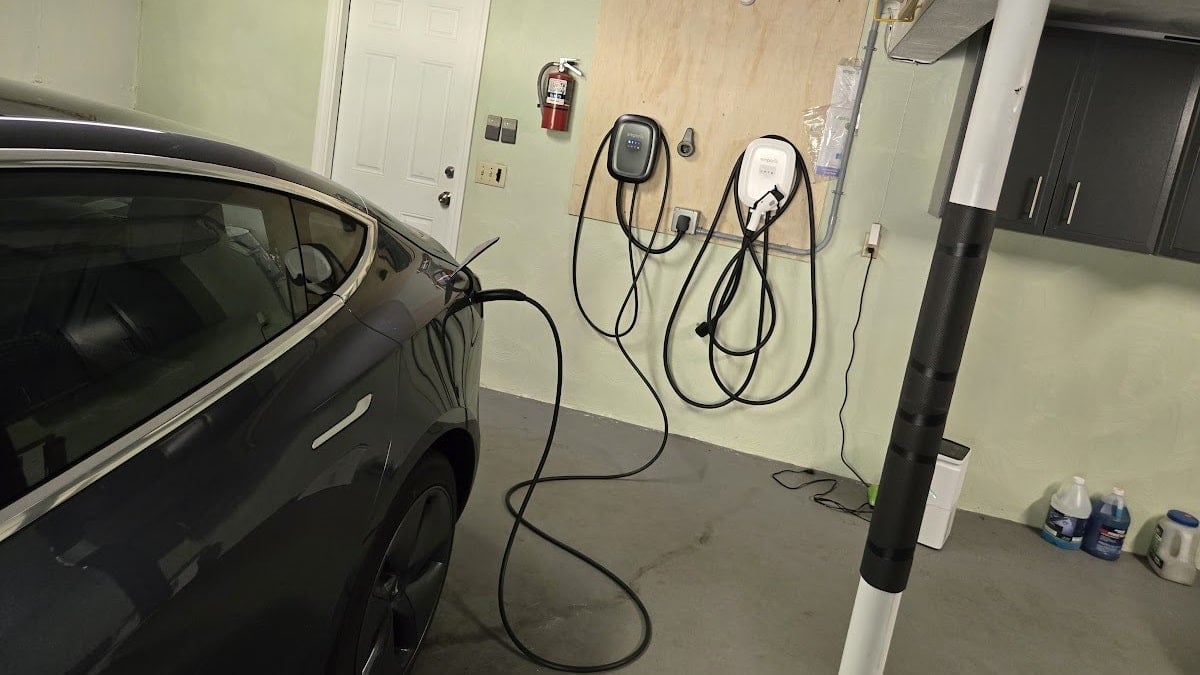
This week, a Tesla Model Y Juniper Owners’ Club Member reported a bad outcome for a Tesla Wall Connector installation. Rather than a 60-amp circuit hardwired to the Wall Charger, the customer was surprised and disappointed by the outcome. The electrician opted to add a NEMA 14-50 outlet and de-rate the Tesla charger instead of installing the proper circuit and hardwiring the unit. This is a poor outcome for many reasons, not just the lower charging speeds. Let’s look at how this happened and take some lessons away from this learning experience.
Before we begin, let us assure you that we communicated with the Model Y owner who created the original post. We will dive deeper into the issue and offer specific, succinct reasons why the outcome was not optimal, and make concrete suggestions on how to have the right outcome. I’m a decades-long EV tester who has tested and evaluated a dozen home chargers (EVSEs).
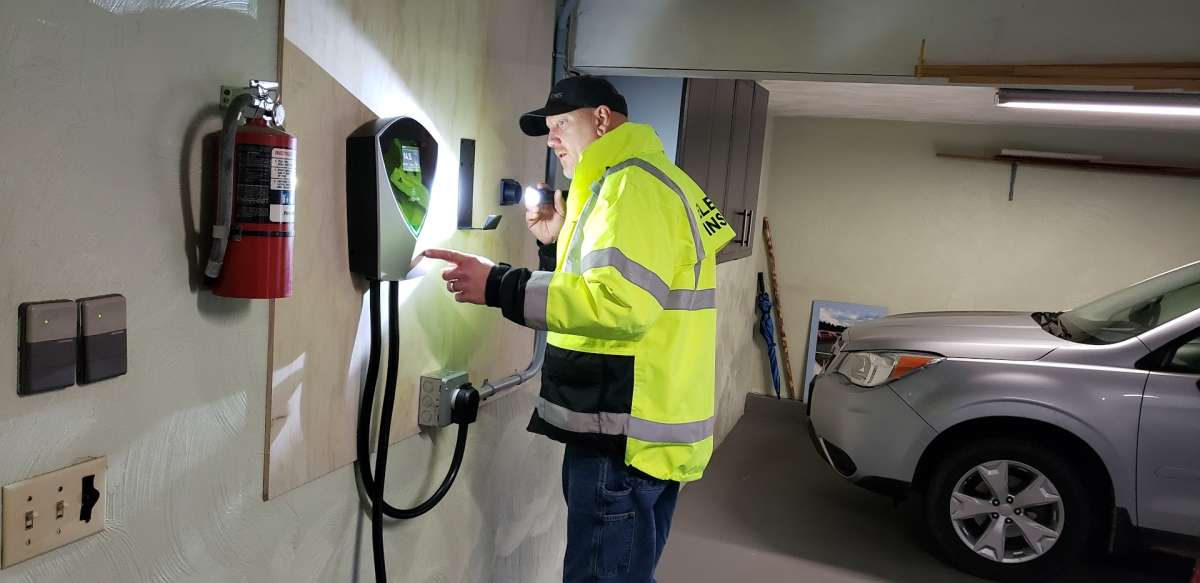
Always Begin Your Project With an Electrical Permit and End With an Inspection
Any time you add any circuit to your home, pull a permit at your local town hall. Your electrician may do it for you, but make sure it’s done prior to the work beginning. This is your second set of eyes on the job that helps ensure it gets done safely, and allows you to later sell your home to a buyer who has no worries about the quality of the work. After the job is completed, be on-site during the inspection and keep a copy of the inspection approval and report. Just working with a licensed electrician is not a guarantee or proof that the work was completed to code and using best practices.
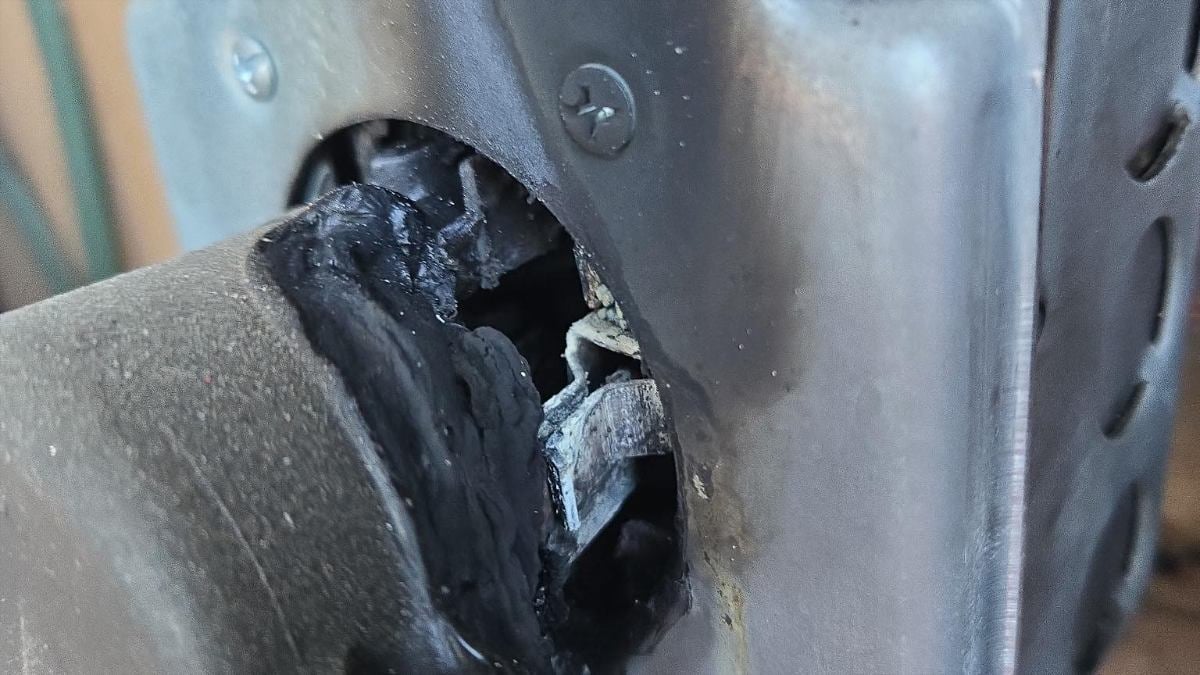
Three Reasons to Always Hard Wire Your Home EV Charger, Regardless of Brand
There is nothing wrong with using a mobile charger plugged into a proper outlet on a proper circuit. However, you’ll have a reduced charging speed when doing so. Mobile chargers are typically rated to operate at either 32 amps or 40 amps. A hard-wired wall charger with a proper 60-amp circuit can operate at 48 amps, boosting your charging speeds with vehicles capable of making use of that available current.
There's a second important reason to hard-wire your charger. It eliminates a possible problem spot. There are endless posts on EV social media clubs showing melted and burned NEMA 14-50 outlets. Don't be that guy. Eliminate that possible point of failure.
Third, if you opt to use an outlet in a garage or outside, you must use a GFCI breaker. That is OK in theory, and it may go well. However, nuisance trips are very common, and GFCI sensitivity failures are not limited to EV charging. Skip that hassle and hardwire the charger.
How This Installation Went Sideways
Our OP, whom we will call CF, seemed to make all the right moves. CF purchased a Tesla Wall Connector (which we call a charger) and then hired a "Tesla-certified" electrician to install it. Wall Connectors are designed to be installed using a hardwired circuit rated at 60 amps. The manual is pretty clear on this point. In fact, we’ve reviewed the manual, and it never shows the unit being modified to accept an outlet wiring bundle, which is often termed a “pigtail.” Simple job. But it went wrong three ways.
Here is part of what CF posted:
Scheduled a Tesla wall connector installation today with a Tesla-certified company. A 50-amp system instead of hard-wiring the charger directly to the breaker! I’m very frustrated with them. Their proposed fix is to swap for a 60-amp breaker. Can you believe a certified, licensed electrician would suggest this?
Let’s pause a moment and count the many things wrong here. First, the electrician added a NEMA 14-50 outlet, which was not part of the scope of work. Second, a de-rated 50-amp circuit was used. Here’s the worst part: After the mistake was realized, the electrician suggested using a larger breaker on a circuit designed to accommodate 50 amps. That can be downright dangerous.
Although a NEMA 14-50 outlet and a pigtail can work, are they of the correct quality for this continuous-duty job? How do we know? Why would we assume that they are? And what respectable electrician suggests adding a larger breaker to an existing circuit designed for lower amps?
How This Job Should Be Corrected
The solution here is simple. The circuit and breaker need to be installed to accommodate 60 amps. The Tesla Wall Connector should be hardwired, as the manual shows. The work should then be inspected by the town’s electrical inspector and the final sign-off retained by the owner. There is no acceptable alternative to doing this job properly. Tell us in the comments if you disagree.
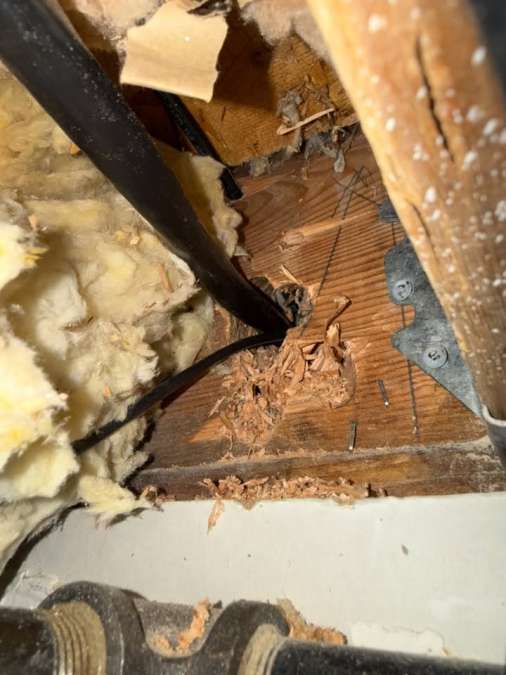
Other Issues and Red Flags
Like all smart homeowners, CF thought ahead on this project. “What else needs to be fixed or upgraded while I have an electrician on site?” CF asked. It turned out there was an improper 20-amp circuit in the panel that should be corrected. It was made part of the proposed scope of work. It wasn’t done. That would stop me cold. It’s a terrible red flag for a part of a job to be incomplete. It begs the question, “What other shortcut was taken?”
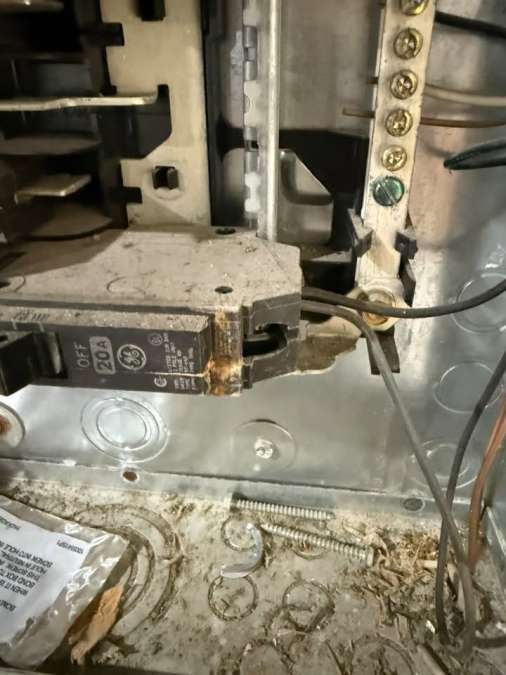
Finally, and this is just insult to injury, the electrician severed CF’s internet wiring while doing the job. Sloppy, rushed, and scary is how we would evaluate this work as described in the OP.
NEMA 14-50 Outlets Have Their Place
I’m not against NEMA outlets in general. In fact, as a decade-long EVSE tester, I use a NEMA 14-50 outlet to power EV chargers (EVSEs). I opted for the outlet because I test and evaluate multiple units per year. It saves me from having to hardwire them all. I have a 50-amp circuit and breaker, and the work was done professionally and then inspected. I have even had an electrician take a second look to ensure that all the connections were properly torqued and that there were no signs of hot spots. Don't be me. Hardwire your Tesla charger. Enjoy the added safety and the higher available charging speeds.
In conclusion, we want to thank CF for allowing us to use the images you see here and for letting us do a deep dive on the subject. We hope this article may help other Tesla owners who are considering adding a Wall Connector. Tell us in the comments below if we’ve missed anything. We are sure there must be a detail we overlooked and want to make the story stronger.
About the Author:
John Goreham is a 14-year veteran of Torque News. An accomplished writer and a long-time expert in vehicle testing, Goreham also serves as the Vice President of the New England Motor Press Association and has a growing social media presence. He’s also a 10-year staff writer and community moderator for Car Talk. Goreham holds a B.S. in Mechanical Engineering and an undergraduate Certificate in Marketing. In addition to vehicle and tire content, he offers deep dives into market trends and opinion pieces. You can follow John Goreham on X and TikTok, and connect with him on LinkedIn.
All images used with permission.
Set Torque News as Preferred Source on Google
Follow us today...