
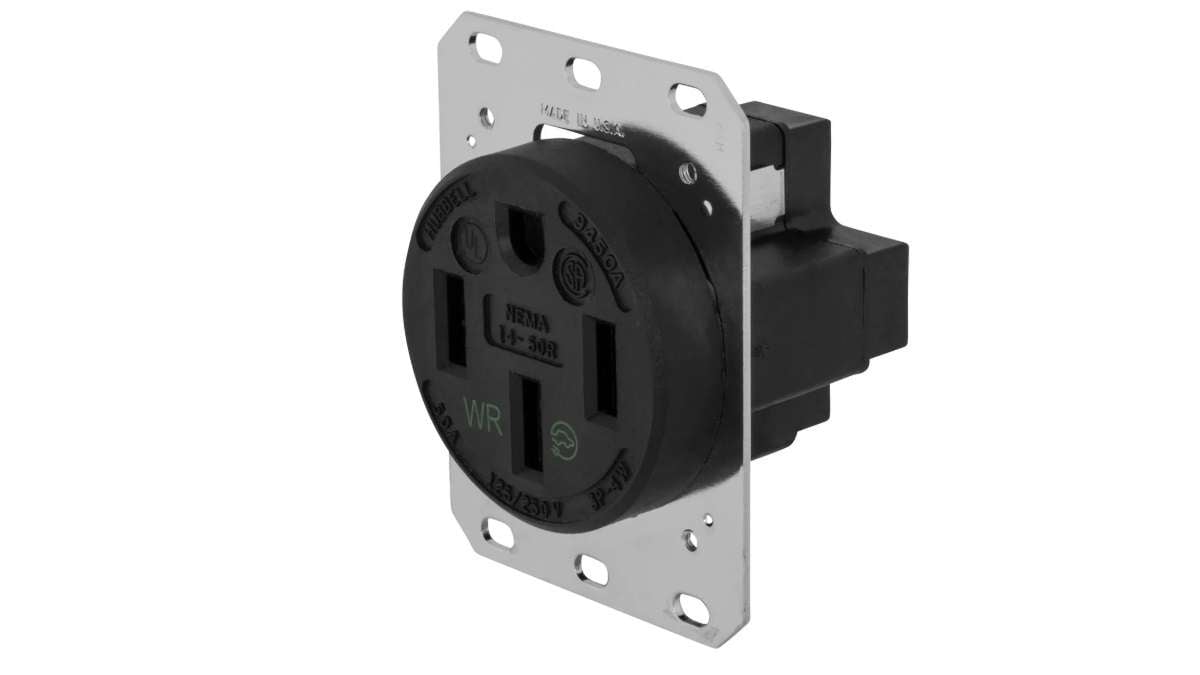

One critical element in any home electric vehicle charging setup is the outlet into which your Level 2 EV charger will plug. (EVSE for our word Karens). That outlet will be under continuous, maximum load of 80% breaker capacity for up to twelve hours per day in some cases. A standard dryer-style outlet may not be able to handle the load. Many EV owners post up images showing their inexpensive outlets melted and burn marks on the junction box. Here’s an image provided to Torque News with permission.
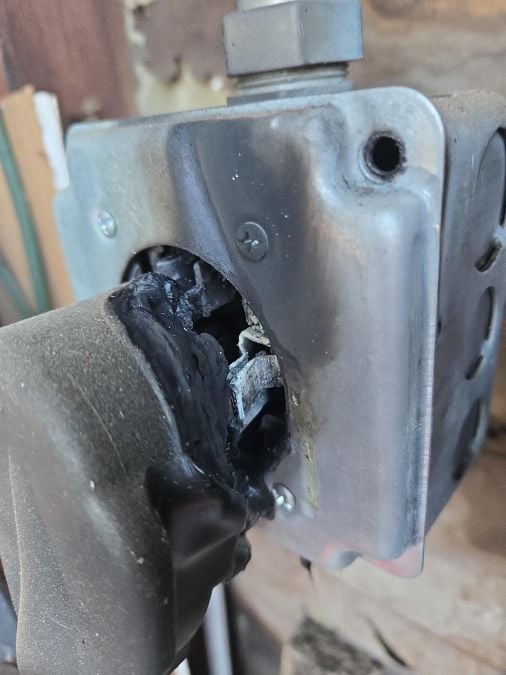
Avoiding Home EV Charger Hazards Such as Fire and Melted Parts
There are two good ways to ensure that the outlet for your Level 2 EV charger doesn’t cause you any problems. The first is to avoid it altogether. Buy a charger that can be hardwired directly to the circuit. That eliminates this entire issue. Every top brand making EV chargers will provide you with one ready for your electrician to wire.
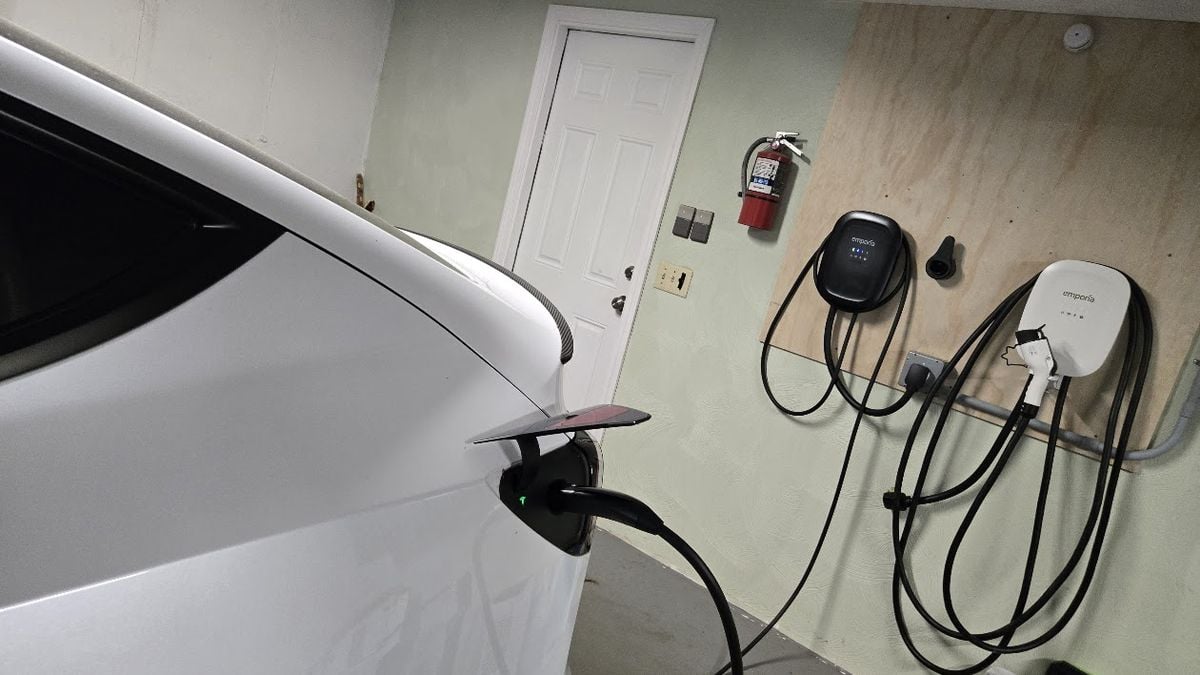
Some folks have their reasons for not wanting to go with a hard-wired unit. I’m one of them. In my case, I needed to have the ability to quickly swap out chargers that I test and report on. I also have two chargers from Emporia that I use day in and day out for EV testing. One is NACS and the other is J1772. So, for me, hardwiring was not practical. I am an outlier, but others have their own reasons, and we respect that.
A Great Reader Comment About EV Charger Safety
Under a recent Torque News story we posted helping to inform readers about best practices, we found a great comment placed by reader Mike B. Here’s what Mike B. posted:
Most electricians don't even know that EVs require a special outlet. A standard 240 outlet is not designed for the continuous heat buildup caused by the many hours needed for charging. They were designed for short use, like compressors or dryers, which do not stay on continuously for longer than one hour. Leviton makes a popular unit. A green EV symbol is usually on the face of certified outlets.
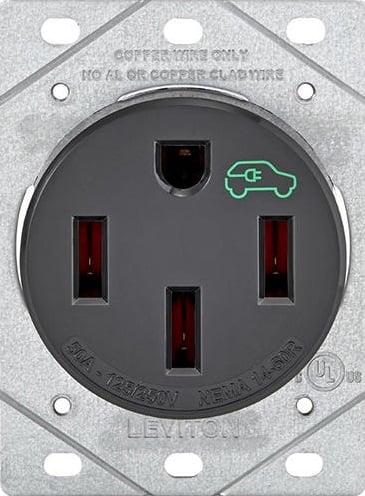
Mike B.’s comment spurred us to do some research into this new EV symbol showing up on EV-rated NEMA 14-50R receptacles. As Mike pointed out, Leviton makes one. This is a popular brand found in nearly every electrical supply store. As you can see from the image below, courtesy of Leviton, the little symbol is clear and it is green, making it easy to spot.
We are fans of the Hubbell brand of electrical products, and they make a unit with a green EV symbol as well. We used it as our top-of-the-page image. When we asked our electrician to source the very best receptacle he could find, he chose Hubbell, and we have been very happy with it thus far. Our electrician is also the electrical inspector for two Metro Boston towns where EVs are very popular. In addition, he is an electrical teacher at a local vocational school training electricians, so we trust his judgment on all matters related to this work. He knew just what we meant when we asked for a robust unit. He’s installed many EV charging systems.
What Makes EV-Specific Outlets Different?
Like any product, some receptacles are built to a higher standard than others. We found a good explanation on an electrician’s website that said:
Advertising
Some manufacturers, such as Leviton and Hubbell, produce EV-specific NEMA 14-50 and NEMA 6-50 outlets. These are built to withstand the thermal stress of EV charging. They feature heavier gauge metals, tighter connections, and better heat dissipation, which help reduce the risk of overheating or failure. When installing a home EV charger, ask your electrician about using a UL-listed, EV-rated outlet that meets your vehicle’s charging needs.
Electrical Technology.org also had a great explanation. Here is what this resource says about EV receptacles:
“Manufacturers such as Hubbell, Bryant, Leviton, Eaton, and others market upgraded “EV” or “Plus” versions of NEMA 14-50R and 6-50R outlets. While these are not a different NEMA configuration (they remain standard NEMA 14-50Rs), they are industrial-grade receptacles with critical enhancements. They have:
-Heavier contacts made of thicker brass/copper for better grip and lower resistance.
-Improved heat dissipation reduces the risk of overheating, failure, or fire under continuous high loads."
-Stronger terminal lugs that support larger gauge copper wires (#4, #6, or #8 AWG) with more secure torque.
-Durability for industrial/commercial use, designed for longer lifespans and frequent plug/unplug cycles.
-Some models carry “Extra Heavy-Duty” or “EV Ready” ratings, confirming suitability for continuous 40 A EV charging.
-UL-listed EV-grade versions are certified to handle 50-amp continuous loads for extended periods.
Torque News spoke to two electrical contractors, one in Massachusetts and one in New Hampshire. Both confirmed they are aware of the need for a proper outlet for EV use and would only use such an outlet, rather than a less expensive one. One suggested that a code change may occur with the next code update.
Best Advice On EV Charging Outlets - Let Your Electrician Do the Work
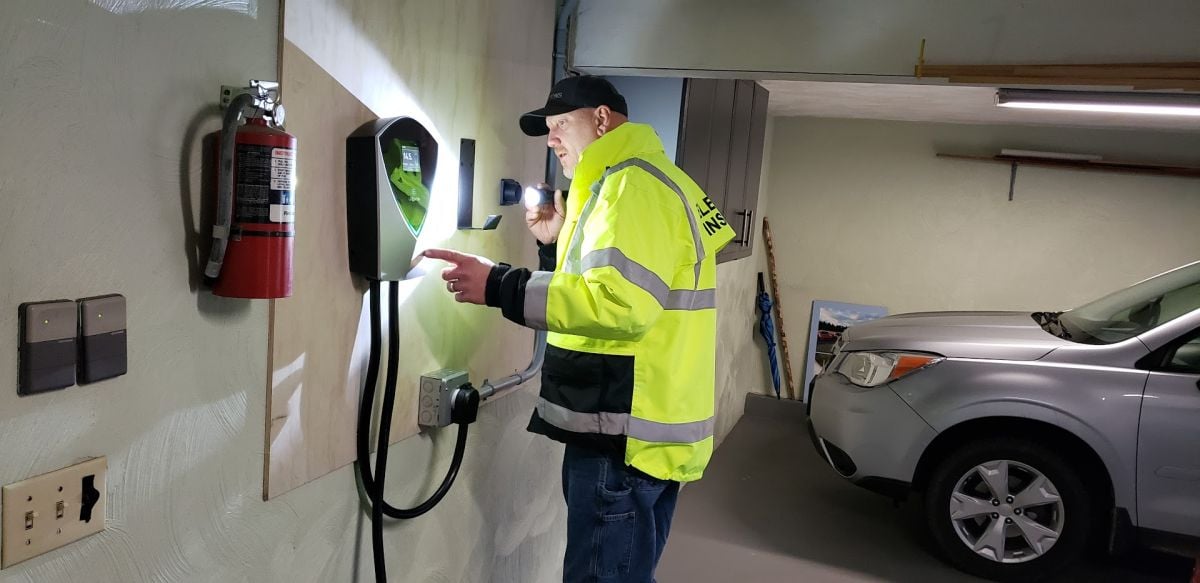
Stepping back for a moment, Torque News strongly recommends that homeowners do not source their own components for new circuits, and particularly for new EV charging circuits. Start by finding a highly-rated electrical contractor in your area. Discuss the project with them, and obtain a quote that includes them pulling an electrical permit from your town and having the work inspected and the permit closed out. Keep a copy of the inspection report for your records in case you have any issues or when you sell the property. The inspection offers a second set of eyes for the project to ensure it was done to code.
One Last Reminder - Skip the Outlet Altogether If Possible
As we mentioned above, we strongly advise those who will be getting a new EV charging setup installed to hardwire the Level 2 charger. Skip the outlet altogether and eliminate one more possible cause of failure. You’ll be safer, and the charger itself is only a small part of the cost of such a job. There is no need to worry about someday taking it with you if you move to a new home.
Has this overview proven helpful to you? Drop us a comment below and let us know. As you can see, we take reader comments very seriously and appreciate any input.
John Goreham is the Vice President of the New England Motor Press Association and an expert vehicle tester. John completed an engineering program with a focus on electric vehicles, followed by two decades of work in high-tech, biopharma, and the automotive supply chain before becoming a news contributor. He is a member of the Society of Automotive Engineers (SAE int). In addition to his fourteen years of work at Torque News, John has published thousands of articles and reviews at American news outlets. He is known for offering unfiltered opinions on vehicle topics. You can connect with John on LinkedIn and follow his work on his personal X channel or on our X channel. John employs grammar and punctuation software when proofreading, and he sometimes uses image generation tools.
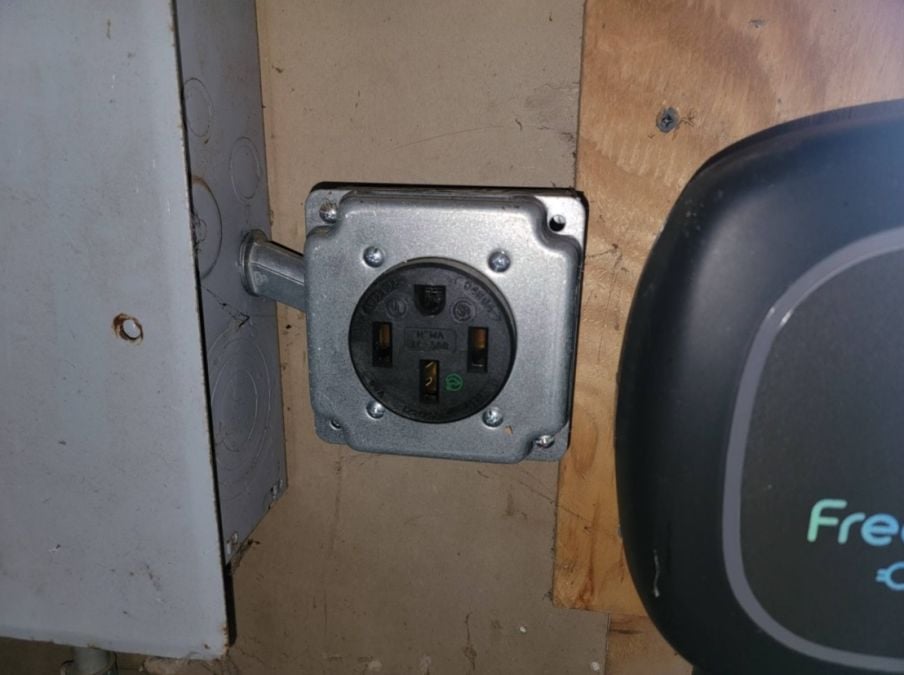
Hubbell Electric Vehicle Charger-rated NEMA 14-50R Receptacle image courtesy of Hubbell. Leviton image courtesy of Leviton. Image of melted charger courtesy of Chevy Bolt owner K.E.G. Other images by John Goreham. Image of EV receptacle mounted between breaker box and charger courtesy of Patrick Rall.
Set Torque News as Preferred Source on Google
Follow us today...





Comments
Just one question: Why is…
Permalink
Just one question: Why is there "no need to worry about someday taking it with you if you move to a new home[?]" Does that mean it is easy to disconnect the hard-wiring, or that you would just leave it behind?