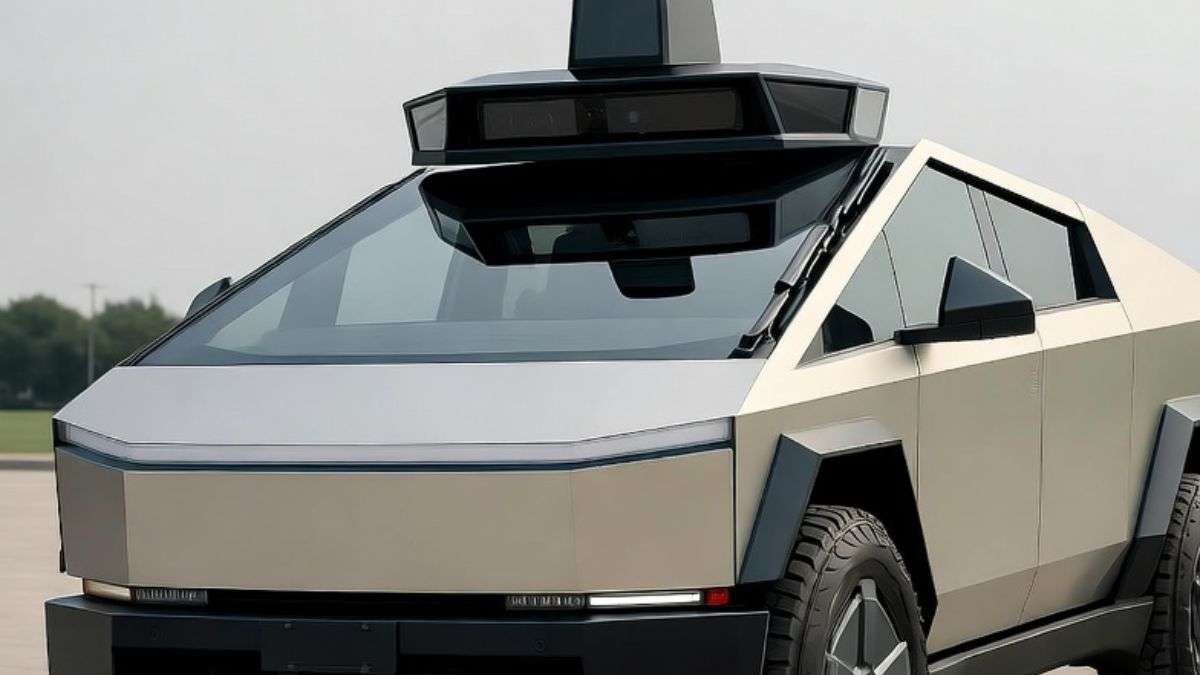

Today while scrolling through one of the largest Tesla Cybertruck Owners groups on Facebook, I came across a post that instantly caught my eye. It was written by an anonymous Cybertruck owner who just picked up his futuristic electric truck and discovered something surprisingly unpleasant about his financing. The story was unusual, even a little confusing, and raised an important question that many new Tesla buyers might not be thinking about. Who actually handles your payments when you buy a Tesla, and what happens if the communication is not clear?
“So I just got my Cybertruck last month, and I got a zero-interest loan by purchasing the FSD package. I thought I was supposed to make the monthly payments directly to Tesla, since I already added my bank account in the Tesla app, and I assumed Tesla would automatically deduct the payments. But it turns out that’s not the case, a few days ago, I suddenly received a letter from a credit union asking me to make payments to them. However, Tesla never informed us that payments should go to this credit union. What if this is a scam? How can I verify whether it’s real or not? Especially now that Tesla has stopped responding to me, how can I confirm that this is legitimate?”
That post exploded with reactions. It felt both unexpected and relatable, because most Tesla buyers assume that Tesla manages every step, from the app to the financing. The idea that someone could drive away with a six-figure truck and then not know who to pay is both alarming and revealing. It shows how modern car buying, especially in Tesla’s direct-to-consumer world, has created a new layer of confusion for even the most tech-savvy owners.
Who Handles Tesla Financing and Why Payments Go to Banks Like Wells Fargo
One of the first responses came from Steven Shaw, who quickly added clarity to the thread. He wrote, “Mine went to Wells Fargo. You get a letter from them telling you your balance and payments. I had to set up a login with them and they auto debit every month.” His comment helped many people realize that Tesla doesn’t always handle your financing directly. Instead, Tesla partners with major lenders who then own and manage the loan.
Another Cybertruck owner, MiGi Buuhat, jumped in to confirm Steven’s experience. “Mine is thru Wells Fargo as well. Before purchase, the Tesla app informed me that I would be financing through Wells Fargo. So I knew already before I fully purchased the truck. Then Wells Fargo confirmed everything via email.”
These responses began to form a pattern. Tesla often acts as the intermediary that originates your loan but immediately sells it to a partner bank or credit union. This process is normal in the automotive industry, but Tesla’s sleek, minimal communication style sometimes leaves new buyers in the dark.
James Ibanez pointed this out perfectly: “Very common for years. Company A will sell loans in bulk to company B. It’s how Tesla probably got the 0 percent.” That comment was key. Tesla doesn’t have its own financing bank; instead, it relies on institutions like Wells Fargo, Santander, and U.S. Bank. The appeal of the zero-interest loan is made possible by selling the loans in bulk to these lenders who take over the debt servicing.
Danny Tam’s advice added some practicality to the discussion: “Check your documents from the time you were in the loan process. You will see the creditor that funded your loan. Wells Fargo and Santander are the most common institutions.” His point is critical because it shifts the responsibility back to the buyer. Even though Tesla makes the process seem fully digital and automated, your documents always identify the lender.
Then came a longer and very useful explanation from Emilio J. Marmol, who has clearly been around the Tesla financing process a few times. “It’s a little concerning you don’t know who your loan is with. You had to sign 3 different documents with that info before receiving your vehicle. Not trying to put you down but you need to look at what you are signing, this will save you a lot of grief down the road specially with big purchases. You should have 45 days (from when you signed) until the first payment and your lender will send you the paperwork with your account to register and log in for your account to set up automatic payments. I am on my third Tesla and they all have been about the same process and timeline. If you haven’t received anything in the mail and it’s about 30 days or more, look at the documents folder in the app and call whomever is listed as your lender. (Usually Wells Fargo or U.S. Bank).”
That was the turning point in the thread. Emilio’s comment wasn’t just helpful, it was a quiet lesson about modern digital purchases. It’s so easy to click “accept,” “confirm,” and “sign” without reading the details because Tesla’s design makes it feel frictionless. But friction, in this case, is your friend. Reading your contract might be boring, but it protects you from misunderstandings like this one.
And finally, John Joohn summed up the industry reality: “Tesla does not do financing. They sell cars and banks pick up the loan. This is normal.”
How to Verify Tesla Loan Documents and Avoid Unexpected Scams
So why did this post strike such a nerve among Cybertruck owners? It’s because it touches the nerve of trust. Tesla has built its entire ecosystem around convenience, automation, and control through a single app. You unlock your car, schedule service, monitor charging, and even update software through that app. So when a customer suddenly gets a letter from a third-party credit union asking for payments, it feels suspicious. It feels like something unchecked has slipped through.
This brings us to the bigger question: how can Tesla improve this experience, and what can buyers do to protect themselves?
First, always confirm the lender before you finalize your purchase. Tesla lists the financing terms in your contract, usually accessible through the documents section in the app. Before you take delivery, make sure you know which bank or credit union is handling your loan. If you do not see it clearly, ask your delivery advisor or financing specialist directly. Never assume that payments go through the Tesla app just because your account is connected.
Second, remember that Tesla, like most car companies, often sells loans after they are approved. This is how the company keeps interest rates low and frees up liquidity. It is a standard practice in the industry, but it creates confusion when buyers are not properly notified.
In many ways, this confusion mirrors what has happened with Tesla’s Full Self Driving software, which is often misunderstood by new owners. As I discussed in this detailed piece on why I used to question Tesla FSD’s safety, Tesla’s communication about how its software and services work has not always been transparent. Buyers often assume more autonomy or simplicity than what the product truly delivers.
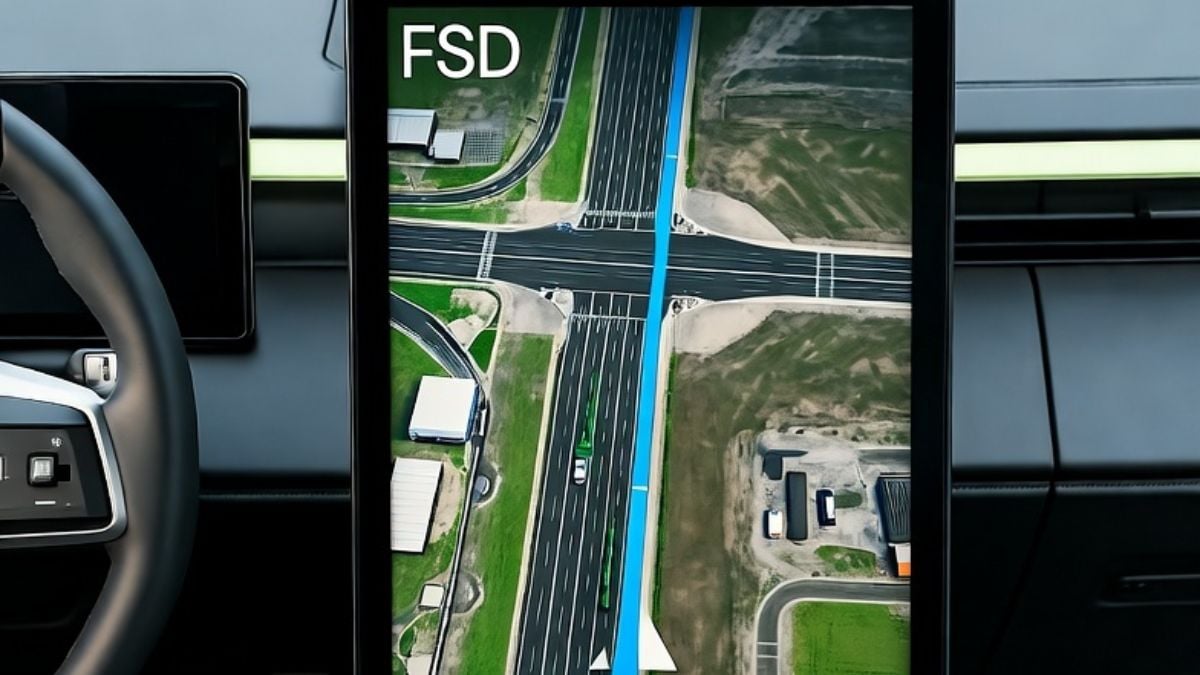
The Cybertruck story is a financial version of that same misunderstanding. Tesla’s user experience is designed to make ownership simple, but some parts of the process, like financing or understanding how FSD subscriptions work, remain surprisingly complex.
When I read this Facebook post, I could not help but think of another recent story where a Tesla owner shared that his Model Y’s FSD drove him across three states with zero interventions, even through rain. That story, like this one, shows two sides of Tesla’s world. On one hand, there is innovation so advanced that it borders on science fiction. On the other hand, there are human misunderstandings that make you realize technology alone cannot replace proper communication.
The Moral Behind Tesla’s Digital Financing Experience
If you are a new Tesla buyer, you might be wondering how to avoid this situation. Here is what you can do. Before taking delivery, go through your financing documents line by line. Make sure you know who the lender is and keep their contact information handy. When you get your loan approval, set up your online account with the lender right away. If you do not receive a confirmation within two weeks, call Tesla’s financing department and ask for clarification.
You should also be aware that some products can help you manage such complex digital purchases. For example, there are budgeting and account aggregation tools that can track multiple loans and payments across different banks. These types of products were designed to solve exactly this kind of confusion in modern digital financing. They help consumers verify payments, track balances, and set up reminders. The underlying need here is for financial transparency in a world where automation has made it too easy to lose sight of where your money goes.
Tesla’s approach to direct sales is revolutionary, but it also highlights a deeper issue in the auto industry. As car buying becomes increasingly digital, the human oversight that traditionally came with sitting across from a dealer finance manager is disappearing. This is not entirely bad, but it demands that buyers become more proactive. The digital process gives you speed and simplicity, but it also transfers the burden of understanding onto you.
This brings us to an ethical question. Should companies like Tesla make the financial process more transparent, or is it enough that they provide the documents and leave the rest up to the consumer? I believe Tesla could do better. Transparency should not be optional when customers are signing loans worth tens of thousands of dollars. The company could easily add a simple notification in the app saying, “Your financing is with Wells Fargo. Expect your first payment letter within 10 days.” That single update would prevent confusion like this entirely.
Still, the moral lesson from this story is about personal responsibility. Whether you are buying a Cybertruck, financing a Model Y, or testing FSD for the first time, always double-check what you are signing. Technology can make you feel safe, but your best safeguard is still awareness. As a buyer, you owe it to yourself to slow down, ask questions, and read everything. It is not about distrust, it is about being informed.
As I reflected on this story, it reminded me of something I wrote earlier this year in my article about selling a Tesla Model Y after one year and offering advice to new buyers. I said that Tesla ownership teaches you patience, awareness, and adaptability. This Cybertruck post proves that lesson once again. The Tesla experience is full of surprises, some delightful, some unlikeable, but every one of them teaches you to become a more careful and informed owner.
In the end, the anonymous Cybertruck owner’s concern was not a scam. It was simply a misunderstanding rooted in unchecked assumptions. Tesla sold his loan to a credit union, as they do with most financing deals. But the experience left him, and many others, with a powerful reminder. Even when buying the most advanced vehicle in the world, old-fashioned diligence still matters.
So here is a thought for every Tesla buyer or anyone making a big digital purchase: do not confuse simplicity with clarity. The app might be elegant, but the fine print is still where the truth lives.
What about you? Have you ever experienced an unexpected issue after financing a new vehicle, especially through a digital process? And if you own a Tesla, how has your experience with financing or FSD communication compared to your expectations? Let me know your personal story in the comments below.
Armen Hareyan is the founder and Editor-in-Chief of Torque News. He founded TorqueNews.com in 2010, which since then has been publishing expert news and analysis about the automotive industry. He can be reached at Torque News Twitter, Facebook, Linkedin, and Youtube. He has more than a decade of expertise in the automotive industry with a special interest in Tesla and electric vehicles.
Images by Grok.
Set Torque News as Preferred Source on Google
Follow us today...