
Imagine counting down the weeks for your new car and then getting a phone call that changes everything. A Toyota RAV4 buyer in Belgium named Onara did exactly that. He placed his order in January and had April 20th circled on his calendar. Then his dealer called. If you want to know how the RAV4 shortage is still affecting buyers around the world, and what you can actually do about it, this story is one you need to read to the end. Owners who have navigated the frustrating wait for their Toyota RAV4 hybrid and faced unexpected Toyota dealer delivery delays have shared strategies that actually work. And before we get to those strategies, you need to understand just how widespread and deep this problem really goes, especially now that the sixth generation is here and supply chains are being reshuffled once again.
What Onara Wrote That Stopped the Group Cold
About an hour ago, Onara posted in the 2026+ 6th Generation Toyota RAV4 Club Facebook group. His words were direct and raw. "Today I received news that you would never want to hear from your car dealer," he wrote. "The estimated delivery date of April 20th for my Rav4 ordered in January in Belgium will be delayed until DECEMBER. It is unimaginable and not reasonable at all."
That is not a typo. April to December. Nearly eight months of additional waiting, with no real explanation from his dealer. His RAV4 is the standard model, built in Japan, not a Prime or a hybrid variant. And yet here he is, staring at the back of a very long line. Many readers will instantly recognize this feeling. It is a gut punch that Toyota buyers in multiple countries have experienced for years now.
This Is Not New, But It Keeps Happening
Here is the part that will either comfort you or frustrate you even more. This kind of delay is not a surprise for people who follow the RAV4 closely. Buyers who were tracking the wait time for their 2022 Toyota RAV4 Prime and grew frustrated by how long Toyota was taking to deliver vehicles across North America learned the hard way that estimates from dealers are just that, estimates. They are not guarantees. They are not contracts. Toyota controls the production schedule and the allocation, not the dealer sitting across the table from you.
The problem is even more complex now. Toyota dealerships recently sold through their remaining 2025 RAV4 inventory with no new shipments of the 2026 models available in the near future, leaving dealers facing a supply drought as factories complete the transition. That production transition affects global buyers, not just those in America. Onara in Belgium is caught directly in that crossfire.
Why Belgium? Why December?
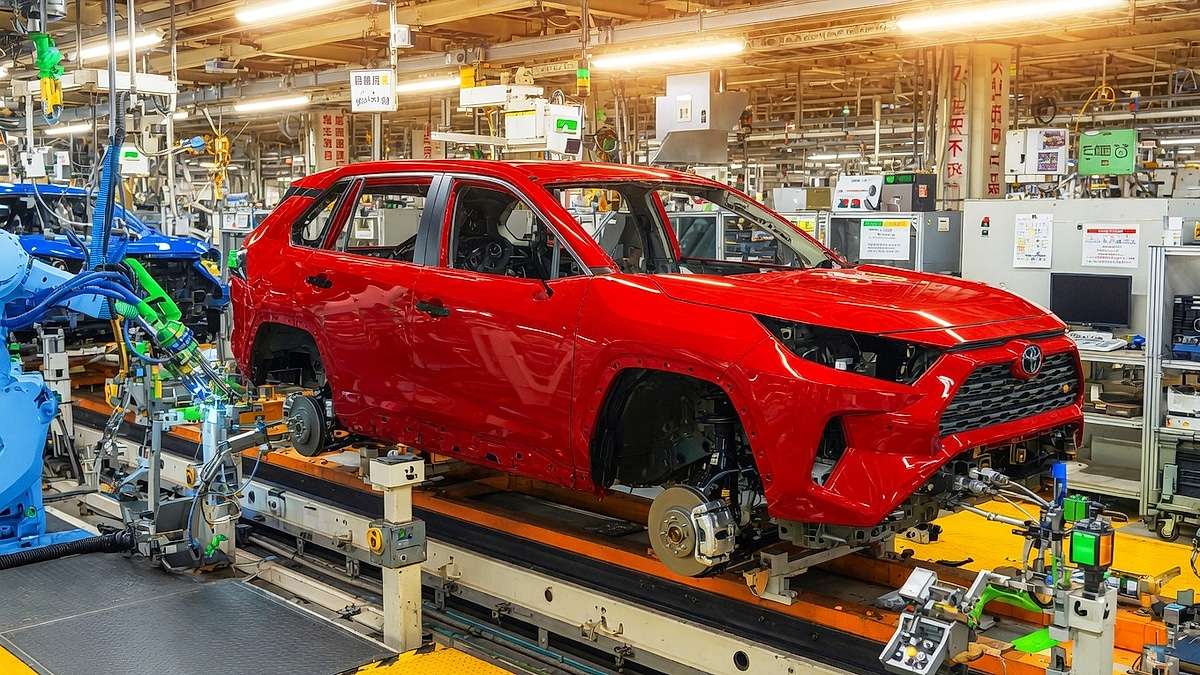
When you buy a RAV4 that ships from Japan, you are dependent on Toyota's Japanese production schedule and international shipping logistics. The sixth generation RAV4 is a completely redesigned vehicle. Toyota is staggering the changeover to the new model across its four plants to avoid a total production freeze, which means supply will be limited and unevenly distributed in the early months. A buyer in Belgium ordering a Japan-built unit is near the end of a very long priority list during a factory retooling period.
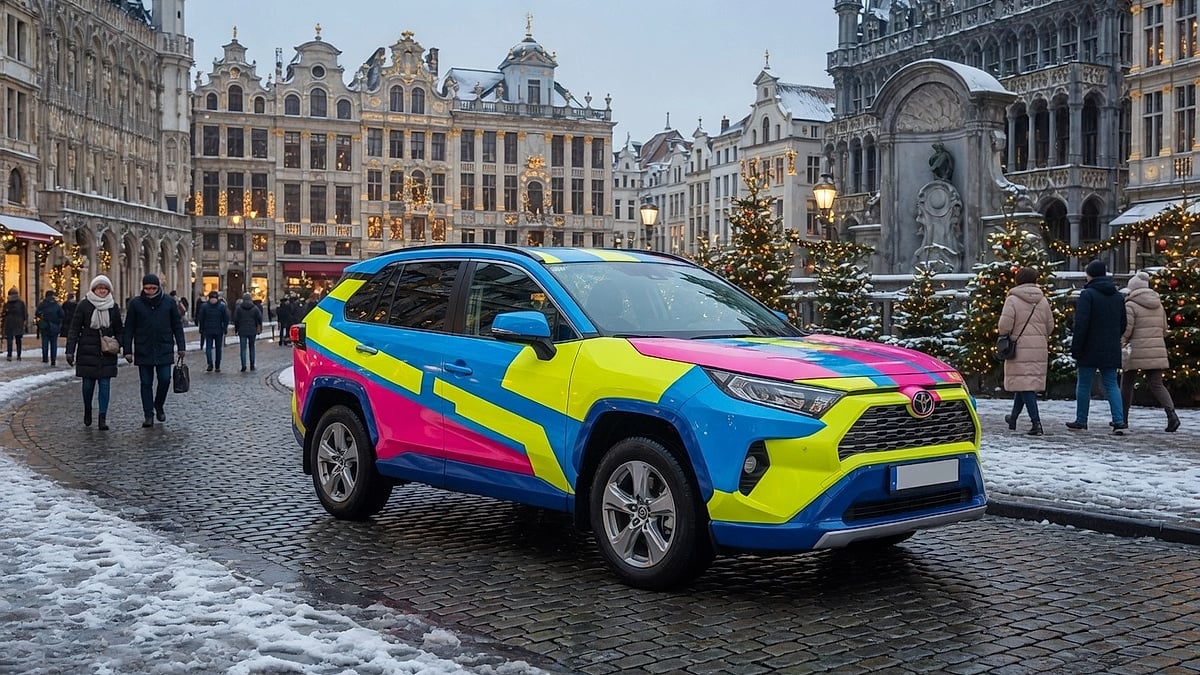
Readers who have been following the situation around the new generation on Torque News already know that the 2026 Toyota RAV4 became a hybrid-only model, which is a significant shift from everything that came before. There are now only two powertrain options, the standard hybrid electric vehicle and the plug-in hybrid electric vehicle. A non-hybrid RAV4 simply no longer exists in the sixth generation lineup. This is important context, because Onara referred to ordering "the normal one." In the 2026 world, the standard hybrid is the normal one.
What Other Group Members Said, and Why It Matters
Two community responses to Onara's post stood out. One member who has navigated the RAV4 reallocation process successfully explained what worked in the United States. "I saw on this site that someone canceled their deal and reallocated. The new reallocation came before the original. In the USA we can build the vehicle on the Toyota website then check inventory also on the website. You may have to travel a distance to get your vehicle choice or see if your dealer will arrange the allocation for you."
That is genuinely useful advice. A dealer that currently holds an allocation slot for an incoming RAV4 can sometimes transfer that slot to you, even if it means traveling to a different city or even a different state. Buyers who put in the effort to understand Toyota dealer allocation strategies and how to work the system rather than passively waiting have come out ahead. That lesson applies in Europe too, even if the dealer network and Toyota allocation system works somewhat differently there.
The second response came from a female member in Canada. Her message was sobering. "It can take 2 years for customers to get a PHEV RAV4 in some parts of Canada. This is normal for the RAVs in Canada."
Two years. Let that sink in. And she called it normal. For context, the wait time situation in Canada around RAV4 deliveries has been documented extensively, and it is one of the most dramatic examples of how Toyota's allocation system works against buyers in certain markets. Toyota has historically allocated more RAV4 Prime units to European and American markets than to Canada, leaving Canadian buyers in a particularly difficult position.
Your Real Options Right Now
So what should Onara do? What should you do if you are in a similar situation? Here are the real choices, with no sugarcoating.
Option one is to wait and use the time wisely. Eight months sounds like a lot, but if Onara is committed to this exact vehicle and this exact configuration, patience is the path. The car is coming. Use the time to research your financing, review your insurance options, and set aside funds. Buyers who kept their orders intact during past shortages and refused to panic generally ended up with exactly what they wanted, even if it took longer. This is also the moment to read everything you can about what owners experienced while waiting years for the Toyota RAV4 hybrid and whether the end result was worth every difficult week.
Option two is to explore reallocation. Contact your dealer and ask directly whether another allocation is available that could be fulfilled sooner. Ask whether a different trim or color in the same generation is already in production and closer to shipping. Ask whether the dealer can reach out to Toyota or a partner dealer to find an incoming unit. The system is not perfectly transparent, but dealers who are motivated and well connected can often find paths that the customer alone cannot see. Stories of buyers who avoided outrageous dealer markups on their RAV4 by being proactive rather than passive are common in owner communities.
Option three is to cancel and look at current inventory. This is a legitimate choice. Canceling your reservation is always an option, and there is no shame in it. Some automotive analysts suggest that shoppers may be better served by purchasing a 2025 model rather than waiting for the 2026 RAV4 and potentially dealing with fierce competition, dealer markups, and new tariff pressures, according to CarsDirect. A slightly older model that you can drive today may serve your actual transportation needs better than a new one that exists only on paper for the next eight months.
The Broader Supply Picture in 2026
It is worth zooming out for a moment. The RAV4 has been one of the best-selling vehicles on the planet for years. Toyota has consistently struggled to match production to demand, even before the sixth generation transition. Buyers who have been trying to buy a 2025 Toyota RAV4 hybrid and found none available at dealers found that this shortage is not random. It is structural. The factories are running at capacity, but the demand from global buyers simply exceeds what Toyota can produce and distribute evenly.
This matters for Onara because his December date may not even be firm. Delays can compound. A production snag, a shipping problem, a port delay, or a sudden surge in allocations going to a different region could push things even further. On the other hand, conditions can improve. Production ramps up, shipping lanes normalize, and sometimes a car arrives weeks ahead of the revised estimate. The lesson here is to keep your relationship with your dealer active and ask for updates at least monthly.
The Moral Hidden in This Story
Here is something worth sitting with. Onara's frustration is completely understandable. But the buyers who handle these situations best are the ones who refuse to let the wait define their mood or their decisions. They gather information. They stay flexible. They ask the right questions without burning bridges with the dealer. The people who panic, cancel impulsively, or take out their frustration on dealer staff often end up worse off, either paying more for a competitor's vehicle or losing their place in line for no real gain.
Patience combined with active problem solving is not weakness. It is the skill that helps you come out ahead in situations you cannot fully control. That applies to car buying. It applies to most things in life. The buyers who read this story and recognize that this kind of delay is a feature of high-demand vehicles, not a personal insult, will make better decisions. Readers who want to see how similar situations played out for buyers navigating the entire process of purchasing a 2021 Toyota RAV4 when inventory was scarce and emotions were running high will find that the pattern repeats, and the outcomes depend heavily on how the buyer responds.
Two Questions for You
Have you ever experienced a dealer pushing back your delivery date by several months, and how did you handle it? Were you able to find a faster path to your vehicle, or did waiting it out turn out to be the right call?
Share your experience in the comments section below. Other readers facing the same situation as Onara right now need your real-world advice.
About The Author
Armen Hareyan is the founder and Editor-in-Chief of Torque News and an automotive journalist with over 15 years of experience writing car reviews and industry news. Now based in the Charlotte region (Indian Land, SC, he founded Torque News in 2010, which since then has been publishing expert news and analysis about the automotive industry. He can be reached at Torque News on X, Linkedin, Facebook, and Youtube. Armen holds three Masters Degrees, including an MBA, and has become one of the known voices in the industry, specializing in the landscape of electric vehicles and real-world stories of actual car owners. Armen focuses on providing readers with transparent, data-backed analysis bridging the gap of complex engineering and car buyer practicality. Armen frequently participates in automotive events throughout the United States, national and local car reveals and personally test-drives new vehicles every week. Armen has also been published as an automotive expert in publications like the Transit Tomorrow, discussing how will autonomous vehicles reshape the supply chain, and emerging technologies in vehicle maintenance.
Set Torque News as Preferred Source on Google
Follow us today...