
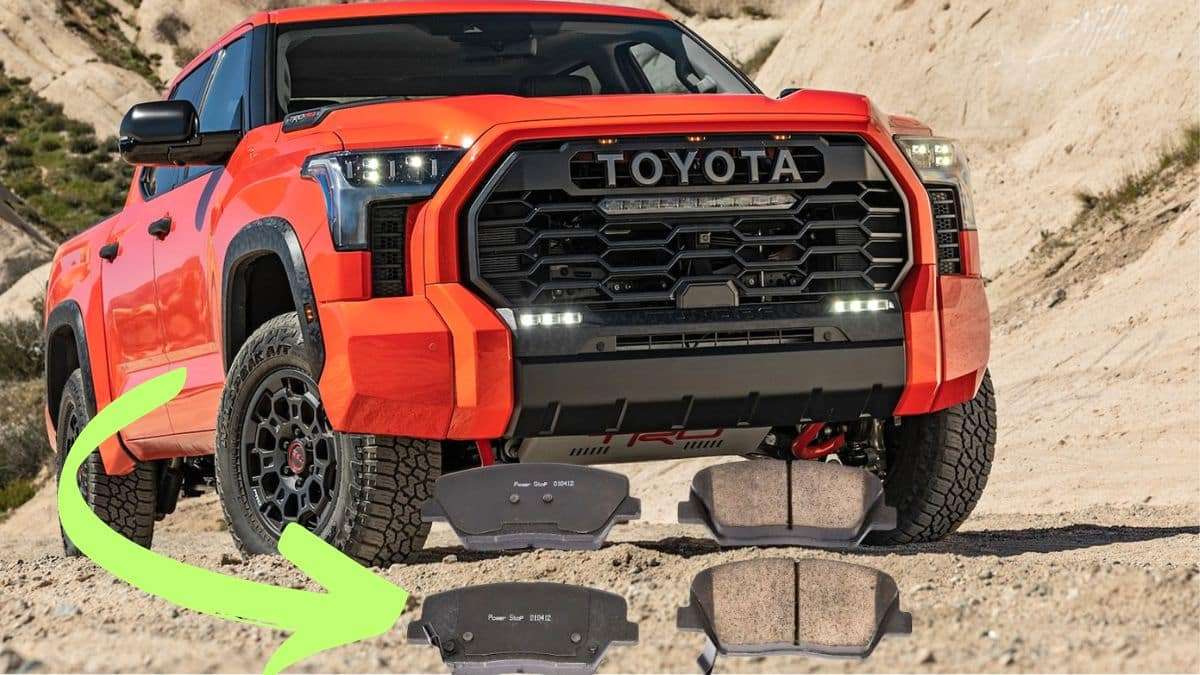

It is not every day you hear about a dealer telling a Toyota Tundra owner that their brake pads are “plant-based.” That kind of phrase immediately makes you stop and wonder what in the world is happening in the world of automotive maintenance. Are dealers really switching to eco-friendly brake pads? Or is it just another way of saying “cheap parts” without saying it? Today’s story started from a Facebook post that caught my attention, and it opened a surprisingly interesting conversation about what happens when environmental policy meets mechanical reliability.
“Anyone else having to replace brake pads after 1 year? I am not pulling much with my Toyota Tundra, mostly in city driving and not driving hard either. The dealer said they were using plant-based brake pads due to government regulations. Thoughts?” wrote Andy McAfee in the 2023-2026 Toyota Tundra Owners group.
That one paragraph opened a storm of curiosity. A lot of people paused, rubbed their eyes, and read that again. Plant-based brake pads? It sounded both unexpected and unlikeable. And yet, as I dug into it, there is actually more truth to the statement than you might first think.
Dominic Levesque jumped right in and asked the question on everyone’s mind. “Plant-based brake pads? What does that even mean?” he wrote. Good question, Dominic. Because if you own a modern Toyota Tundra or any truck that does towing or heavy use, hearing that your dealer replaced your heavy-duty brake pads with something made from fibers and resins that sound like they belong in a vegan grocery aisle can feel unsettling.
But yes, there is such a thing. Plant-based brake pads, sometimes called organic brake pads, are a real product category. They are made using natural materials like glass fibers, rubber, and even cellulose or other renewable fibers bonded together with resin. The idea is to reduce the use of metals like copper, which can cause environmental contamination when brake dust washes into waterways. Some states, such as California and Washington, have already placed restrictions on the use of certain metals in brake pads, which has pushed automakers and suppliers toward organic materials.
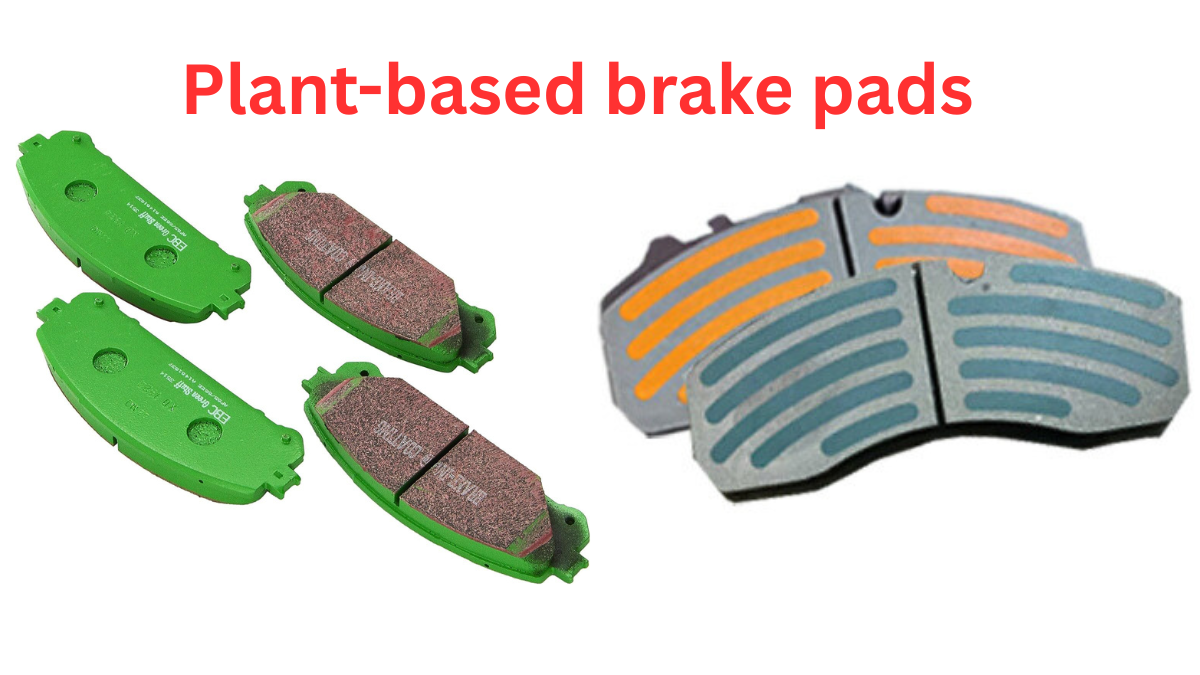
While that sounds like an eco-friendly move, there is a tradeoff. Organic brake pads tend to wear out much faster than semi-metallic or ceramic pads. They also perform worse when hot, meaning they can fade during heavy braking or towing. This can lead to longer stopping distances and more frequent replacements. That aligns perfectly with what Andy and several other Toyota Tundra owners are experiencing.
If you are curious about how brake pad composition affects your truck’s safety and long-term cost, it is worth reading about the truth about aftermarket brake pads where we explored how different materials can change your stopping power, sometimes in ways that mechanics never tell you.
Ryan Oliver, another Tundra owner, chimed in with his own experience. “My rotors are warping at 17,000 miles on my 2025 Toyota Tundra. My nephew’s 2023 Tundra warped at 20k miles. My wife’s Highlander warped at 15k, replaced them with OE from Toyota and warped again in 10k. Put Napa premium on there and they are doing great 30k miles later,” he said. That is a pattern worth noting. It suggests that whatever compound is being used on some of these newer Toyota brake setups might be wearing faster than expected, and in turn transferring heat unevenly to the rotors.
Heat is the silent killer of brake components. When a pad cannot handle temperature swings, it causes microscopic cracks and uneven wear. Over time, that leads to the “pulsing” feeling when braking. It is the same phenomenon discussed in our earlier story about six brake issues and what they mean, including cost to repair them. Understanding those basics helps you have an intelligent conversation with your mechanic instead of just nodding when they say “your rotors are warped.”
Kevin Thompson took a calmer approach. “I have a 2024 Tundra. Probably 80 percent highway driving and it has 45k miles on it. At the last service I was told they look like new. ‘Plant-based brake pads?’ Sounds odd.” Kevin’s comment is actually valuable. It reminds us that how you drive plays a big role in how long your brake pads last. Highway driving requires fewer braking events than city traffic, so your pads stay cooler and cleaner. That may explain why some owners are replacing pads every 15k miles while others are going 45k or more without issue.
Then came a practical insight from Dave Franceschini: “Seems fishy, but if it’s the rear brake pads and you use adaptive cruise, it only uses rear brakes to slow down.” That statement sparked an interesting side discussion. Many newer trucks, including the Toyota Tundra, use electronic control systems for adaptive cruise and lane keeping that selectively engage the rear brakes. That means the rear pads might be doing more work than before, especially on long drives where the system constantly adjusts speed to maintain distance. If you combine that with softer organic pad material, the wear can accelerate even more quickly.
Joel VandeKrol added, “Mine are warped, 11 months and 20k miles from 12-hour round trips.” Again, the theme repeats. High mileage, heat buildup, and early wear.
So what can owners do about it? This is where we shift from just storytelling to problem-solving.
If your dealer is using organic or plant-based pads, ask them specifically what type they are installing. The words “organic” or “plant-based” do not mean “bad,” but they might not be right for your driving style. For heavy trucks like the Toyota Tundra, semi-metallic or ceramic pads usually perform better under load and heat. You might pay a little more upfront, but they will last longer and maintain consistent braking performance.
When you hear that your rotors or pads need to be replaced, it is a good idea to ask your service advisor whether they have actually inspected them. Many readers might remember our coverage of a story where a mechanic told a Honda CR V owner they needed new rotors without even looking at the car. That kind of unchecked assumption happens more often than people realize. Sometimes, it is easier for a shop to replace parts than to properly diagnose why the original ones failed early.
This also ties into a deeper question about how regulations influence our maintenance experiences. There is a growing trend toward environmentally friendly vehicle components, from tires to fluids to brake materials. It is a positive direction for sustainability, but it can create unexpected consequences for owners who rely on consistent performance, especially in work trucks or vehicles used for towing. The same mindset led to the rise of hybrid braking systems that use regenerative braking to extend pad life. In fact, as discussed in our review of a Chevy Bolt EV that went 35k miles with the same brake pads, regenerative braking can dramatically reduce wear when designed correctly. But not every system balances eco responsibility and mechanical durability equally well.
High-Friction Ceramic Pads For Toyota Tundra
Now, let us talk about the kind of product that helps in these situations. If you often drive a truck like the Tundra, you might consider high-friction ceramic pads that are built to handle heat better while generating less brake dust. They are not perfect, but they strike a solid balance between longevity, environmental responsibility, and consistent performance. The key is to understand what problem you are solving. If you want quieter braking and less dust, organic or ceramic pads might work fine. If you want durability under load or towing, semi-metallic is your friend. That is how you make an informed decision instead of simply accepting whatever your service advisor installs.
This topic also reminds me of a broader conversation about the hidden dangers truck owners face when towing boats and ignoring mechanic advice. Sometimes, what starts as a small maintenance choice leads to much bigger issues. Soft pads can overheat, cause rotor warping, and even reduce trailer braking stability. When you are hauling thousands of pounds, every inch of stopping distance matters.
When Dealers Quietly Switch To Eco Parts
There is also an ethical side to this. When dealers or automakers quietly switch to eco materials for compliance reasons without clearly telling customers, it creates confusion and distrust. Transparency matters. Drivers deserve to know what parts are being used, how they differ, and whether the change is driven by cost savings, regulations, or genuine innovation. Open communication builds trust, and it allows customers to make decisions aligned with their needs.
If you want to explore the economics of brake work further, I also recommend reading about what happened when a driver got an expensive quote from a local Midas to replace both rear brake calipers, rotors, and pads. That story reveals how pricing and parts choices vary wildly, and why understanding what is being replaced is more important than ever.
What this whole conversation about Andy’s post teaches us is something much deeper than brake pads. It is about how change often sneaks in quietly. Sometimes, a part that worked perfectly fine for decades suddenly gets reengineered in the name of progress, and we only find out about its side effects after living with them. It makes you think about the value of questioning, of not taking every “factory” recommendation as gospel truth. Asking questions is not being difficult; it is being responsible.
And here is the moral I took from this story. Being an informed driver is one of the most respectful things you can do for the machine you rely on. Every decision, from brake pads to oil choice, reflects how much attention we pay to the details that keep us and others safe on the road. It is not about being skeptical of everything, but about understanding enough to ask the right questions.
If You Face an Early Brake Pad Replacement
If you ever find yourself facing an early brake pad replacement, remember to pause before saying yes to the quote. Ask what material they are using. Ask how it compares to your original setup. And if you are ever told something as unusual as “plant-based pads,” do not be afraid to dig a little deeper. You might uncover an entire world of changing automotive technology hiding under your wheels.
For readers who want to compare materials and longevity across different Toyota models, our piece on the three best options when replacing brake pads on a Toyota Prius offers a clear breakdown of which compounds perform best under different conditions. It applies the same principles that Tundra owners can use when deciding their next brake service.
1. How to Know When to Replace Brake Pads on a Toyota Tundra
One of the most common questions Tundra owners ask is how to tell when their brake pads really need replacement. The truth is, there is no single mileage rule that fits everyone. Some Tundra owners go 15,000 miles before their first replacement, while others make it past 45,000. What matters most is how you drive and what kind of pads are installed. Organic or plant based brake pads, for example, can wear faster under heavy braking or towing because they handle heat differently. If you hear squealing, feel vibration, or notice your truck pulling slightly when stopping, those are early signs your pads are wearing unevenly. Ignoring those signs can lead to rotor damage and higher repair costs down the road.
For anyone who wants to understand the costs and timing of brake maintenance, it helps to review six brake issues and what they mean, including repair costs. Knowing those details allows you to speak the same language as your mechanic. The goal is not to replace parts too soon, but also not to wait until your stopping distance becomes unsafe. Regular inspections, ideally every 10,000 miles, give you a realistic view of your brake health, especially on modern trucks that use adaptive cruise and automated braking systems.
2. The Difference Between Organic, Ceramic, and Semi-Metallic Brake Pads
When choosing new brake pads for your Toyota Tundra, understanding the differences between materials is key to saving money and ensuring performance. Organic or plant-based pads, sometimes called non-asbestos organic, are made of natural fibers and resin. They are softer, quieter, and produce less brake dust, which makes them good for light-duty vehicles. However, their shorter lifespan makes them less ideal for trucks that tow or drive in mountain regions. Ceramic pads, on the other hand, are known for stability, long life, and clean operation. They resist heat better than organic ones, though they can be more expensive. Semi-metallic pads are the toughest and best for towing, but they can create more dust and noise.
Many truck owners do not realize that material choice can also affect how the brake system interacts with rotors. Soft pads wear faster but protect rotors longer. Harder pads last longer but can wear rotors more quickly if the compound is too aggressive. That balance is what makes selecting the right pad such an important maintenance decision. To explore these trade-offs in depth, readers can visit the truth about aftermarket brake pads, where we break down how material science plays a bigger role in performance than most owners realize.
3. How to Avoid Premature Brake Pad Wear on a Truck
Premature brake wear is one of the most frustrating issues Tundra owners face, especially when it happens after just one year. Many factors contribute to it, including driving habits, brake pad material, and maintenance practices. If you drive mostly in stop-and-go traffic, your pads naturally wear faster. But there are ways to slow it down. Avoid resting your foot on the brake pedal during coasting, use engine braking when descending hills, and be gentle with your pedal pressure when coming to stops. These small habits can extend your brake pad life significantly. Another tip is to keep your rotors clean and smooth. Dirty or uneven rotors can grind down new pads faster than expected, even if the pads themselves are high quality.
If you want a detailed explanation of what causes these issues and how to fix them before they become expensive, take a look at our analysis of truck owners and mechanics’ warnings about towing and brake wear. It shows how towing or hauling heavy loads without properly warming up or cooling down your brakes can accelerate wear, leading to warped rotors and inconsistent stopping power. Understanding these principles helps you save on future brake replacements and ensures your Tundra’s braking system stays reliable for years.
So, the next time your service advisor mentions a “new eco-friendly” brake pad, think of Andy’s story. It might sound surprisingly pleasant in theory, but unchecked assumptions can lead to unexpected costs. Understanding what goes into your vehicle is not just mechanical knowledge, it is an act of self-care and responsibility.
Now I want to hear from you. Have you ever been told that your vehicle had to use “plant-based” or organic brake pads? How often have you had to replace your pads or rotors on your Toyota or other trucks? Share your experience in the comments below and let’s keep the conversation going. Your story might help the next driver avoid the same surprise.
Armen Hareyan is the founder and Editor-in-Chief of Torque News. He founded TorqueNews.com in 2010, which since then has been publishing expert news and analysis about the automotive industry. He can be reached at Torque News Twitter, Linkedin, and Youtube. He has more than a decade of expertise in the automotive industry with a special interest in Tesla and electric vehicles.
Set Torque News as Preferred Source on Google
Follow us today...







Comments
There is a Technical Service…
Permalink
There is a Technical Service Bulletin (TSB) for Tundra brakes by the way. Warping easily causing vibration.
Dan, that's always been an…
Permalink
In reply to There is a Technical Service… by Dan Patterson (not verified)
Dan, that's always been an issue with Tundra brakes. lol.