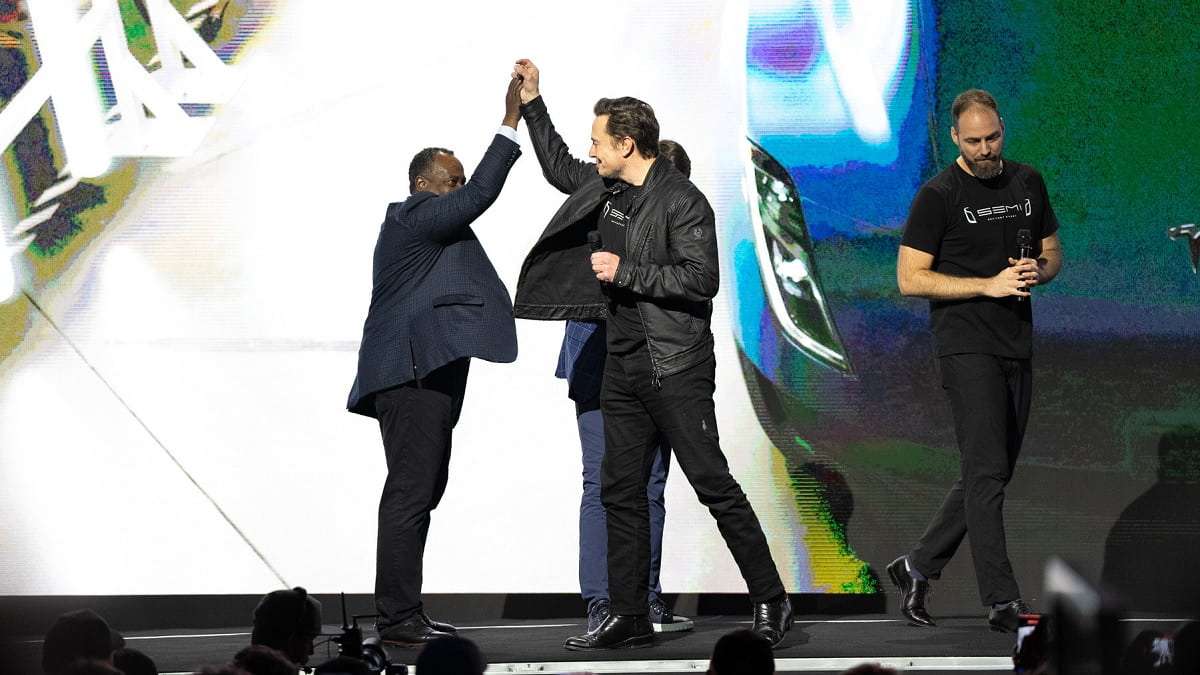

Tesla’s long-awaited entry into the Indian market sparked a wave of excitement, but that enthusiasm quickly gave way to frustration, mostly turned on Indian government tariff policy. The launch of the Model Y at Tesla’s first showroom in Mumbai was expected to mark a milestone for electric vehicles in India. However, the drastic price difference between the Indian and U.S. markets has left many potential buyers disheartened. In the United States, the Model Y sells for $37,490 after tax credits. In India, the same vehicle starts at nearly $73,000, largely due to import duties. The price gap ignited a storm of reactions online, raising broader questions about taxation, infrastructure, and the value Indian consumers receive for what they pay.
Here’s a recent viral post on Twitter/X by Sumit Behal about the Tesla Model Y launch in India.
“Tesla has launched the Model Y in India at a price of $73,000. This model sells at $37,490 in the USA.
You will be paying $29,000 in tax to the Indian government during the purchase. Thank you for your contribution in India’s growth story.”
Akash Deep Singh turned frustration into motivation:
“There’s a big opportunity here. If we can build better EVs at lower prices than Tesla, India could lead. But we need to invest in education, support our youth, and think bigger.”
Kunal emphasized the importance of local manufacturing:
“This is how it starts. Once there is demand, they will get the necessary approvals from Indian govt to build it locally and prices will come down. It was same with iPhones. They cost double till they were locally manufactured like in China and Germany”
Some users shifted the discussion to high taxes:
“it is not just that the taxes are painful, but the lack of value we receive in return. With crumbling roads, failing infrastructure, and frequent waterlogging, the whole situation feels like a repeating nightmare.”
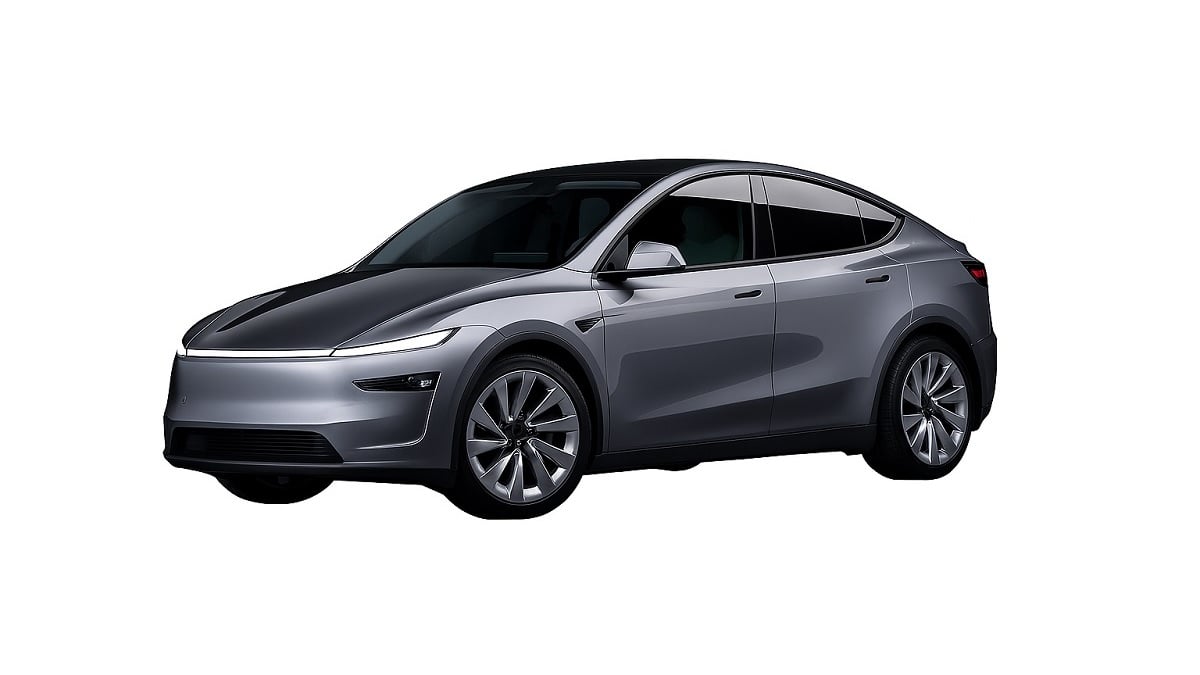
Because of tariffs, regulations, and manufacturing location, the price of a Tesla Model Y can vary wildly. In the U.S., the price of the Model Y is about $37,490 after tax credits. In Germany, it is about $55,000, and in China the Model Y has a price of about $37,500.
The Tesla Model Y is significantly cheaper in China and Germany compared to India primarily because Tesla manufactures the vehicle locally in those countries. Local production allows Tesla to avoid the steep import duties that India imposes on fully assembled vehicles. In contrast, every Model Y sold in India is imported as a completely built unit (CBU), which triggers tariffs of up to 100 percent, dramatically inflating the final price. Without a local manufacturing facility in India, buyers are left paying nearly double what consumers in Germany or China pay for the same vehicle.
Manufacturers Use a Variety of Tactics to Strategically Avoid Tariffs
India’s high tariffs are among the steepest in the world. To incentivize local production and to create jobs, many other countries in the less developed world charge high tariffs. For example, before Tesla built a local manufacturing facility (Shanghai Gigafactory), China imposed a 25% import duty on foreign cars, plus additional fees like VAT and consumption taxes. In Brazil, tariffs on imported cars can be up to 35%, and when combined with industrial product taxes (IPI), ICMS (state tax), and other fees, the total tax burden can exceed 70%.
Manufacturers like automakers use a variety of tactics to strategically enter protectionist markets while complying with local trade policies. Trade and tariff policies are typically broken into different “levels of production” based on how much labor is used locally. Vehicles imported as Completely Built Units (CBUs) face the highest taxes, while Semi-Knocked Down (SKD) and Completely Knocked Down (CKD) kits, which are assembled locally, benefit from lower duties. CKD assembly typically enjoys better tax treatment than SKD, as it involves more local labor. Companies that invest in full local manufacturing or deep localization (producing most components domestically) can avoid import duties entirely and often qualify for additional subsidies or incentives. Anything other than CBU, takes significant investment, but help foreign automakers enter protected markets more competitively.
Telsa’s primary global competitor is Chinese EV automaker BYD. They don’t manufacture electric vehicles in India, but they assemble some of their models locally through a semi-knocked down (SKD) or completely knocked down (CKD) process. In this way, they are already ahead of Tesla in the Indian market. Local assembly helps BYD avoid India’s steep 70–100% import tariffs, making their EVs somewhat more affordable than the fully imported Tesla Model Y. BYD has previously expressed interest in setting up a full manufacturing plant in India, but faced regulatory pushback and geopolitical scrutiny due to its Chinese ownership.
Developing Nations Use Tariffs, Often Causing Uncertainty and Stagnation
India’s 100% import tariff on completely built vehicles is meant to protect domestic manufacturers and support job creation, but it’s increasingly seen as a barrier to progress. Instead of encouraging innovation, import tariffs are driving the price of world-class products, like Tesla’s Model Y, out of reach for most Indian consumers.
In contrast, countries like China and Brazil began with high tariffs but gradually shifted toward encouraging local production partnerships and foreign investment. It is clear that this is one reason why China has developed much faster than India over the last 30 years. Progressive and stable (i.e. not changing every month) import policies made advanced vehicles more accessible while still protecting local interests. As India trys to electrify is transportation system to reduce smog and polution, the question grows louder. Are protectionist policies serving the country, or is it now stifling the very innovation it hopes to inspire?
Unless there is a serious shift in policy or manufacturing, Tesla might remain a symbol of what’s possible, but not what’s practical, for millions of Indian drivers.
Please Drop Your Thoughts in the Comments Below
Are India's high import tariffs helping build a stronger economy or just punishing consumers?
With smog choking Indian cities, is it time for the government to rethink its EV strategy?
Chris Johnston is the author of SAE’s comprehensive book on electric vehicles, "The Arrival of The Electric Car." His coverage on Torque News focuses on electric vehicles. Chris has decades of product management experience in telematics, mobile computing, and wireless communications. Chris has a B.S. in electrical engineering from Purdue University and an MBA. He lives in Seattle. When not working, Chris enjoys restoring classic wooden boats, open water swimming, cycling and flying (as a private pilot). You can connect with Chris on LinkedIn and follow his work on X at ChrisJohnstonEV.
Image sources: Tesla media kit, AI
Set Torque News as Preferred Source on Google
Follow us today...