
As 2025 sales data rolls in, we are waiting for the final nail in the Cybertruck’s coffin. It is being compared to historic flops like the flammable Ford Pinto and the homely Pontiac Aztek.
Cybertruck sales struggles have been a hot topic on social media for years, but now they are getting real and completely indefensible. A good thread posted by mafco on the r/energy subreddit captures the vibe:
“Tesla’s Cybertruck is turning two. It’s been a big flop. CEO Elon Musk once described the Cybertruck as Tesla’s ‘best ever’ product, but demand for the controversial pickup truck has dried up. Ford CEO Jim Farley stated that Ford builds trucks for ‘real people who do real work’.”
DreadpirateBG pointed out what is too often not mentioned in the media:
“Elon Musk made the truck a flop with his own opinions and antics. Would it still have been a flop? Maybe, but I would argue not as much as it is now. Thanks to his idiocracy.”
Mintberrycrunch mentioned the Cybertruck could have changed the world:
“It’s a shame because that could have been the car that forever changed pickups and spurred their transition to full electric.”
DeltaV-Mzero responded by discussing the exterior design:
“It looks like this sick car I drew in kindergarten days but without the lasers, rocket engines, deployable wings, or my bff big bird.
2/10 not sure what they were thinking.”
MultiGeometry pointed out huge hurdles like price, and what actually shipped versus the prototype shown during the 2019 reveal:
“The Cybertruck came in 60% over the initial goal price. The paneling was not an exoskeleton like it was originally advertised, but rather sheets of metal that were poorly glued on. Then once released, Elon dedicated his existence to making our lives miserable and fleecing the taxpayers to enrich the lives of billionaires. All this happened at exactly the moment in EV’s trajectory that there was real competition against Tesla.”
Why An Electric Pickup Made Sense
In the United States, pickup trucks dominate the sales charts, regularly making up half of the top ten best-selling vehicles. For example, the Ford F-Series (including the F-150) consistently sells vastly more units than any sedan, with annual sales often exceeding 700,000 units, while top sedans like the Toyota Camry sell around 300,000 annually. Against that backdrop, an electric pickup looked like an obvious next step for Tesla after having launched two sedans and two SUVs. When the Cybertruck was revealed, Tesla was already selling the world’s best-selling EV and positioning itself as a company that needed a truck to complete its sustainable energy mission.
A Polarizing Design and Big Promises
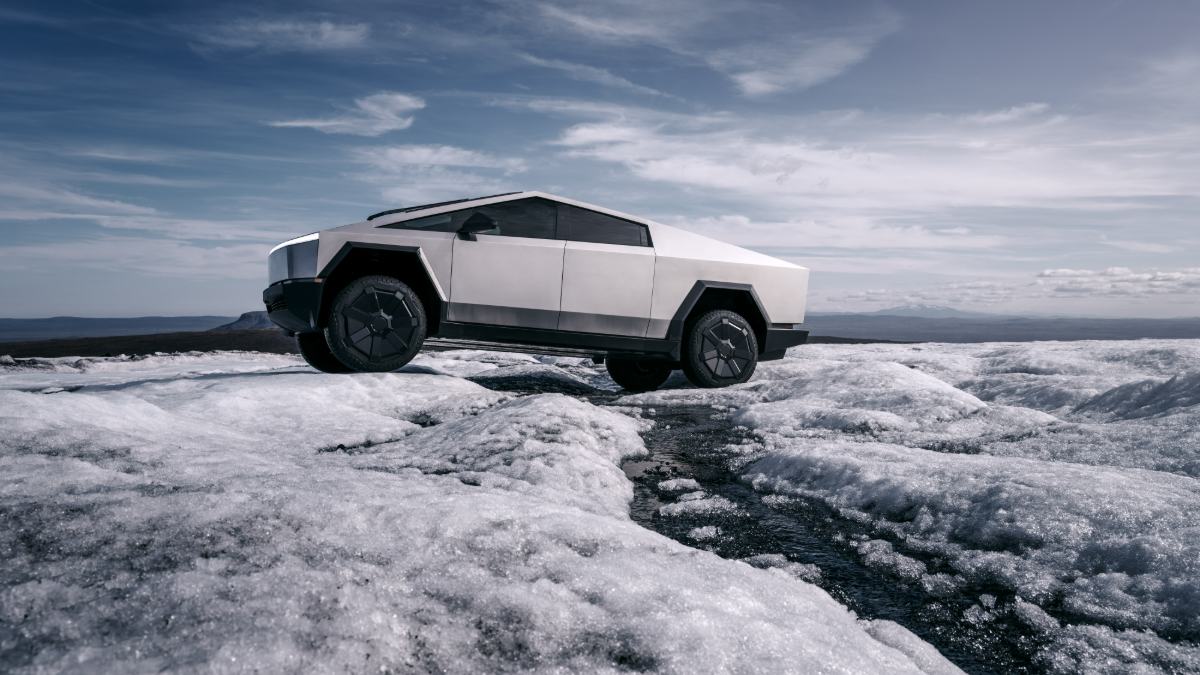
From the start, the Cybertruck’s design split opinions. A minority of people loved the stainless steel, sci fi look, while others thought it was a joke. Alongside the bold styling came even bolder promises. Tesla claimed class leading towing, payload, acceleration rivaling sports cars, and a starting price under $40,000, all of which helped fuel massive early interest.
Reservations Versus Reality
Tesla said more than one million people placed reservations, suggesting overwhelming demand. However, reservations did not translate into purchases at anything close to that scale. Only a fraction of those reservation holders followed through, and reports began to surface of unsold trucks sitting on lots.
Specs and Pricing Fell Short
As production versions arrived, many headline numbers changed. Prices rose sharply, towing and payload ratings dropped, and real-world range landed far below the originally promised 500 miles. For buyers who planned to use the truck for work, these gaps mattered, especially given the Cybertruck’s high cost.
Sales Slowdown and Incentives
Cybertruck sales peaked briefly in the third quarter of 2024 before falling off. Tesla shortened production shifts, offered incentives like free Supercharging, and eventually discounted early models. Despite being the best-selling electric pickup for a short time, sales declined as competition increased and demand proved smaller than Tesla projected.
Owner Experiences Are Mixed
Some owners genuinely enjoy the Cybertruck, praising its driving feel, software updates, air suspension, and unique features like steer by wire. Others reported repeated service visits, quality issues, and frustration over canceled plans such as the range extender. In some cases, Tesla repurchased vehicles under lemon laws.
Quality Issues and Recalls
The Cybertruck faced about seven recalls issued by the NHTSA in its first model year, including problems involving body panels and accelerator pedals. These problems reinforced concerns about Tesla’s tendency to overpromise and rush products to market before ironing out production issues.
A Tough Market for Electric Trucks
Electric pickups remain a small slice of the overall truck market. Traditional truck buyers tend to value practicality, familiarity, and proven capability. Rivals like Ford, GM, and Rivian now offer electric trucks that more closely resemble conventional pickups, and those designs appear to resonate with more buyers.
Public Perception and Politics
Some owners report negative reactions tied to Tesla’s public image and Elon Musk’s political controversies. For certain buyers, the attention and backlash associated with driving a Cybertruck has become an unexpected downside and enough for them to sell their Cybertruck.
What Comes Next for Tesla Trucks
The Cybertruck story reflects Tesla’s broader challenges as competition intensifies and early novelty wears off. Tesla executives have hinted at a smaller pickup in the future, which could require more conservative styling and a lower price to succeed.
Given the Cybertruck’s novel design with features like in industry first 48-volt architecture and stainless-steel body panels, Tesla probably could have designed two new vehicles for the investment made to design the Cybertruck. This is a huge opportunity cost of a company in the hypercompetitive automobile industry. This comes at a time when Tesla is already being criticized for having a stale product lineup with four familiar vehicles, the oldest of which is 13 years old.
Bottom Line
The Cybertruck arrived with unprecedented hype, striking design, and ambitious promises, but reality proved more complicated. While some owners love the truck and would buy it again, many others were deterred by price increases, reduced specs, quality issues, and limited real world usefulness. The result is a vehicle that found its audience quickly, then struggled to expand beyond it, leaving Tesla to rethink how it approaches the electric pickup market going forward.
What Do You Think?
Did the Tesla Cybertruck fail because of the truck itself, or because Tesla overpromised and underdelivered?
Can Tesla separate its vehicles from its CEO’s public persona at this point?
Chris Johnston is the author of SAE’s comprehensive book on electric vehicles, "The Arrival of The Electric Car." His coverage on Torque News focuses on electric vehicles. Chris has decades of product management experience in telematics, mobile computing, and wireless communications. Chris has a B.S. in electrical engineering from Purdue University and an MBA. He lives in Seattle. When not working, Chris enjoys restoring classic wooden boats, open water swimming, cycling and flying (as a private pilot). You can connect with Chris on LinkedIn and follow his work on X at ChrisJohnstonEV.
Photo credit: Provided by author, Tesla media kit
Set Torque News as Preferred Source on Google
Follow us today...