
When it comes to electric vehicles, today’s seniors are showing surprising curiosity and adaptability. They are finding that switching to an EV isn’t about chasing the latest technology, it’s about choosing comfort, savings, and peace of mind. After a lifetime of driving gas cars, many retirees are realizing that EVs fit their current lifestyle perfectly. EVs are surprisingly affordable, especially as used models become more plentiful. For older adults who value reliability, safety, and sustainability, EVs are no longer a futuristic concept, they’re a practical, everyday solution that aligns with both financial sense and personal values.
We’ve noticed a lot of discussion across social media about older folks buying EVs. Here’s a good thread from Facebook Electric Vehicles group. Lee Hetrick posted:
“I bought my first EV at 70. In my time I’ve driven most everything on wheels from two to 18, and an EV is just another car. Except, if you’re planning on doing longer distances. Then you’re going to need to plan a little more than you might have with an ICE car. Charging station infrastructure is still being built out and it takes longer to charge up than to fill up. There are techniques and strategies to mitigate this, and they’re well documented, so it’s not insurmountable and readily learned.
If you’re staying within the range of your vehicle then just invest in a Level 2 charger and you’re good to go. I’m on my second EV now, and have a deposit on another one for 2026, at which point I’ll be 75.
I’m never going back.”
Lena Anderson Bradford agreed:
“I got mine at 75. My other car was a 2005 Hylander Hybrid with NO current bells and whistles so I had a bit of a time getting used to the braking system along with all the bells and whistles. I LOVE IT!”
Alex McLeod
“I am 73 and love my electric Toyota BZ4X. It drives like any other car except it is quick, smooth and quiet. It was an easy transition. Plug it into the charger every night and the next morning it is ready to go.”
Affordability and Cost Savings for The Over 70 Crowd
Electric vehicles have become increasingly affordable, making them a smart choice for seniors on fixed incomes. Used EVs, often supported by incentives, can now be found for less than many older gas cars. Beyond the initial purchase price, they also help drivers save significantly on fuel and maintenance costs. With no need for gas and fewer parts to repair, seniors can enjoy predictable, lower expenses, adding peace of mind to their retirement budgeting.
Simplicity and Low Maintenance
It can take a minute to switch mindset from a gas-powered past, but many seniors find that EVs are ideal for those who prefer a simple and stress-free driving experience. EVs contain far fewer moving parts than gas vehicles, which means fewer breakdowns and less upkeep. Owners no longer have to worry about oil changes, spark plugs, or transmission failures. This reliability makes electric cars perfect for seniors who value dependability and want to avoid the fear of being taken advantage of by a dealer service center or auto repair shop.
Range and Everyday Use
Concerns about range have faded as modern EVs routinely deliver 300 to 400 miles per charge. Considering that most seniors drive less than 40 miles a day, these vehicles easily cover weekly driving needs. Home charging provides additional convenience, eliminating the need for regular trips to gas stations. For seniors who primarily use their cars for errands, appointments, or visiting friends, an EV can handle everything with ease.
Environmental Impact and Legacy
Driving an electric vehicle allows seniors to contribute positively to the planet’s future. EVs produce fewer emissions, helping to combat air pollution and climate change. By choosing an EV, older adults set an example for younger generations, showing that practical, environmentally conscious choices can also be rewarding. Many find personal satisfaction in knowing their driving helps create a cleaner world for their grandchildren.
Safety and Insurance Benefits
EVs stand out for their safety. Their design provides a low center of gravity, which improves stability and reduces rollover risk. They also score highly in safety tests and include advanced driver-assist systems like automatic braking and lane-keeping. Because of these features and their lower repair needs, insurance premiums are dropping, making ownership even more affordable.
Addressing Common Myths
Seniors who have adopted EVs are helping dispel long-standing myths in their communities. Some assume EVs are no better for the environment because electricity comes from fossil fuels, yet drivers EV owners note that gasoline also requires vast energy to extract, refine, and transport. Others worry about battery production, but research and experience show that EVs have a lower lifetime environmental footprint and that battery materials are increasingly recyclable. Concerns about range and charging are also fading as drivers point out that most people naturally stop to rest or eat long before their EVs need recharging.
Advocacy and Education
Older EV owners are becoming advocates, sharing firsthand experiences with peers to encourage adoption. Presentations by seniors and sometimes senior couples help others see that EVs are convenient, affordable, and easy to drive. They also emphasize the need for more government incentives, charging stations, and stronger efficiency standards to make EVs even more accessible.
The Toyota bZ4X
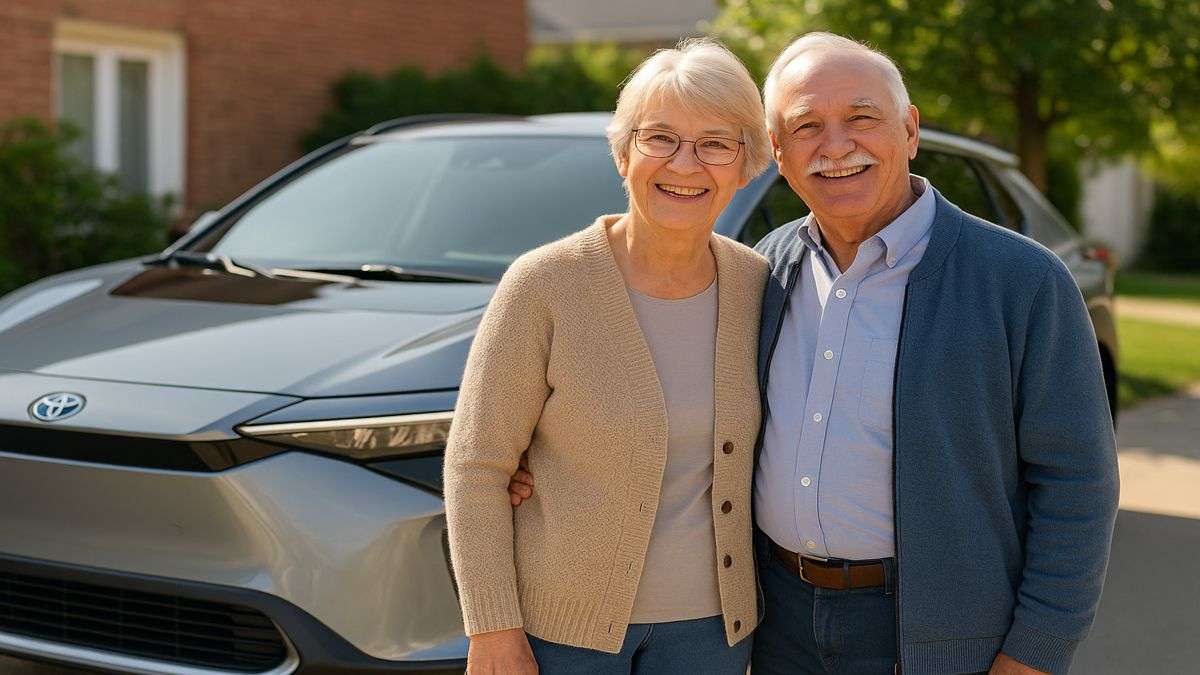
Toyota delivered it first bZ4X models in 2022 after being introduced as part of Toyota’s “bZ” (beyond zero) electric vehicle family. It stands out because it combines Toyota’s reputation for reliability with modern EV technology, making it an appealing choice for many buyers. It features strong safety credentials, refined styling, and the kind of build quality loyal Toyota drivers expect. With Toyota’s brand trust behind it, many long-time Toyota owners felt comfortable stepping into an EV, which helped boost the Toyota bZ4X’s sales momentum. For the 2026 model year the vehicle is rebranded simply as “bZ,” simplifying its name and signaling Toyota’s commitment to the electric era.
Bottom Line
Electric vehicles check nearly every box for today’s seniors. They’re affordable, simple to maintain, safe, and environmentally responsible. The growing number of older advocates challenging myths and sharing real-world experiences shows how EVs align with both practical needs and personal values. For many retirees, switching to electric driving isn’t just a smart financial move, it’s a meaningful choice that reflects care for future generations.
What Do You Think?
Have you or someone you know over 60 made the switch to an electric vehicle yet? How was the learning curve?
Do you think EVs really save money for retirees living on a fixed income?
Chris Johnston is the author of SAE’s comprehensive book on electric vehicles, "The Arrival of The Electric Car." His coverage on Torque News focuses on electric vehicles. Chris has decades of product management experience in telematics, mobile computing, and wireless communications. Chris has a B.S. in electrical engineering from Purdue University and an MBA. He lives in Seattle. When not working, Chris enjoys restoring classic wooden boats, open water swimming, cycling and flying (as a private pilot). You can connect with Chris on LinkedIn and follow his work on X at ChrisJohnstonEV.
Photo credit: Generated by author
Set Torque News as Preferred Source on Google
Follow us today...