
For years, Hyundai has been working hard to position itself as a brand that can go head-to-head with more established automakers. From bold designs to tech-heavy interiors and even performance trims, Hyundai has pulled in plenty of new fans. But when a major reliability problem strikes, all that goodwill can quickly evaporate, especially when dealer support only makes things worse. That’s the situation one Hyundai Santa Cruz owner found themselves in while I was recently scrolling through the “Hyundai Santa Cruz” group on Facebook. There, I came across a comment by Stace Gordon who explained that their 2022 Limited DCT failed at just 35,000 miles, and the first replacement transmission didn’t even make it 10 miles before failing again. Now, after 10 weeks of waiting, they’re still stuck without a proper fix and growing increasingly frustrated with Hyundai’s dealer support and repair process.
Here’s how Stace put it: “My ‘22 limited DCT failed at 35k miles 10 weeks ago. First replacement transmission failed within 10 miles. Waiting on 2nd replacement. Porsche makes a DCT they call their PDK tranny which is bulletproof. Hyundai ruined it. The design is solid. My big concern is how problematic this DCT is and how horrible the dealer network is at solving the issue. Every step has been a mess getting parts easily and techs that have a clue how to fix things beyond brake pads or an oil change. I was such a Hyundai fan until now.”
A Broken Promise in Reliability
When an owner describes their journey as going from being a huge fan to feeling completely let down, that’s powerful. Hyundai’s dual-clutch transmission has always been pitched as a way to bring better performance and fuel economy, but reliability concerns like this only highlight how important execution is. A DCT may be a solid design on paper, but if the real-world implementation is plagued by failures, the ownership experience collapses as we keep seeing here.
One detail Stace mentioned really deserves a mention though: Porsche’s PDK is often considered the gold standard for dual-clutch transmissions, praised for both durability and performance. Hyundai clearly set out with the same intentions, but what good is a strong design if it can’t hold up in the hands of everyday drivers? For some, these stories feel all too familiar. We’ve seen similar frustrations from Hyundai owners facing engine issues, like those who regretted trusting their Hyundai Kona after an engine failure.
Dealer Support Adding Problems
What makes this story worse is how much Stace emphasizes the role of the dealer network. When repairs drag out for weeks on end, parts are delayed, and technicians seem unprepared to handle anything beyond routine maintenance, it’s no wonder owners lose confidence. This isn’t just about the DCT anymore, it’s about whether Hyundai is equipping its dealers to truly support its customers.
We’ve sadly seen too many familiar frustrations from other Santa Cruz drivers. In fact, this is exactly where I first came across Stace’s comment. It was in my article on Hyundai’s questionable warranty denials. When warranty support becomes inconsistent and confusing, owners lose faith in both the brand and the people meant to help them.
Community Reactions
Other owners in the Santa Cruz community were quick to share how this affected their own view of the truck.
Jim Bellso said: “My son just changed his mind on Santa Cruz. He wants to like it, but decided he's too young for issues on a car that’s 'new.'”
Comments like Jim’s show how these stories don’t just affect current owners, as they ripple out to future buyers. A younger or new driver shouldn’t have to worry about a brand-new truck leaving them stranded with transmission failures.
Brian Yuhnke Sr. added: “This just helped me make the decision. Santa Cruz is out. Too bad as I really liked it. A 100k warranty is no good if they don't honor it.”
This touches on a huge point. Hyundai leans heavily on its long warranty as a selling tool, but when it doesn’t seem to deliver meaningful reassurance, it loses its value. We've, again, seen situations where even long warranties don’t protect owners from catastrophic failures, like in the case of a Hyundai Sonata owner whose engine seized without warning.
Finally, Anthony Debo Debellonia chimed in with a reminder: “There is a law against that unless they can prove your after modifications are a cause of the problems.”
Anthony is correct here to an extent. Many state-level protections require dealers to prove that an aftermarket part directly caused the failure before they can deny coverage. States like California and Massachusetts are especially clear on these rules, giving owners strong legal standing when disputes like this arise.
Why DCTs Are Such a Risky Bet
Dual-clutch transmissions are an engineering balancing act. They promise lightning-fast shifts and better efficiency, but they’re also more complex than traditional automatics. When everything works as intended, they can make a vehicle feel far sportier. But when components fail, or when software isn’t tuned properly, issues can multiply fast. For Hyundai, this has become a recurring theme, and it's one that keeps surfacing across different models and leaving owners frustrated.
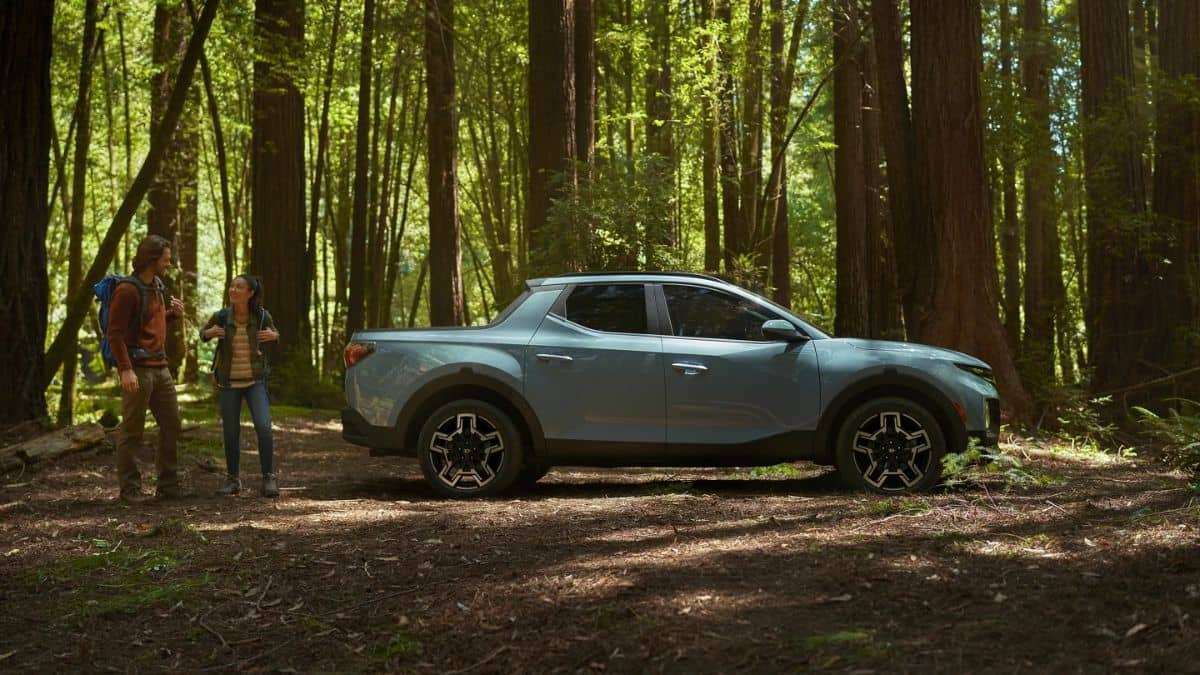
As someone who follows these stories closely, I think the most frustrating part is the mismatch between Hyundai’s ambitions and its execution. On paper, the Santa Cruz is a brilliant little truck. It's stylish and versatile aimed at a growing market. But stories like Stace’s reveal how a single weak point, especially something as critical as a transmission, can unravel years of brand trust. What really concerns me is how the dealer network seems unprepared to handle these challenges, leaving owners waiting weeks for fixes or facing questionable warranty denials.
Key Takeaways
- Reliability matters more than marketing: flashy features don’t mean much if critical components like the transmission can’t hold up.
- Dealer support is everything: a long warranty only works if dealerships have the parts, expertise, and willingness to stand behind it.
- Know your consumer protections: in many states, aftermarket parts cannot void your warranty unless they directly cause the failure.
- Brand loyalty is fragile: one bad ownership experience can outweigh years of positive impressions.
Your Turn to Share
Have you ever had a dealer experience that made you lose confidence in a brand you once trusted?
And if you’ve owned a Hyundai with a DCT, did it live up to your expectations or did it let you down in the long run?
Let me know what you think in the comments below.
Aram Krajekian is a young automotive journalist bringing a fresh perspective to his coverage of the evolving automotive landscape. Follow Aram on X and LinkedIn for daily news coverage about cars.
Image Sources: Hyundai's gallery.
Set Torque News as Preferred Source on Google
Follow us today...