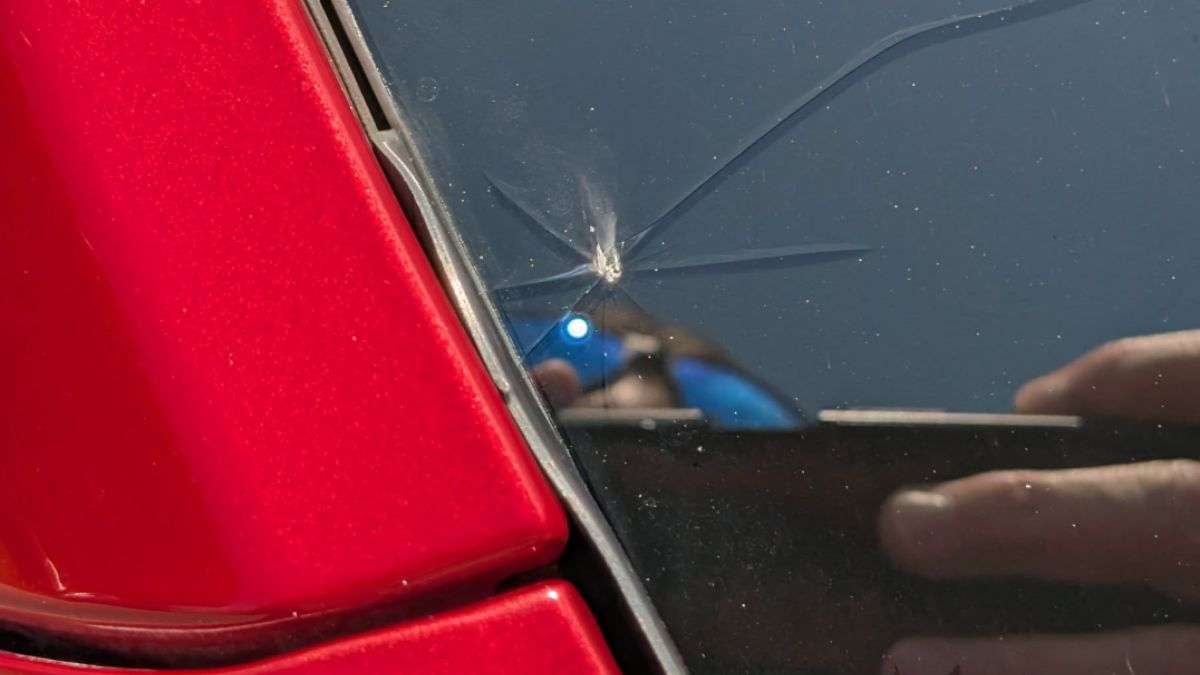

Windshield damage is one of those headaches that lots of drivers face, but for Tesla owners, what should be a straightforward repair can quickly become complicated and expensive. The combination of high-tech driver assistance systems and limited repair options often leaves owners paying far more than they expect. That’s exactly what happened to one Model Y driver named Scott Moore, who shared in the “Tesla Model 3 and Model Y Owners Club” group on Facebook how a simple rock chip on his windshield turned into a much bigger ordeal.
Safelite first quoted him $650 to only later raise the price to $1,450 after adding a $750 camera calibration fee. To make matters worse, after deciding to go through insurance, he dropped off his car only to learn the replacement glass was defective, leaving him waiting another two weeks for a new one.
Here's him describing the frustration: “A rock hit my Model Y front window. I checked Safelite and was quoted $650. My deductible is $1,000 so I made an appointment. The day before my appointment I got a call telling me it's now $1,450 because they have to calibrate the cameras and charge me an additional $750. I said no thanks. I will do it on my own. They advised they have to do it. So I decided to use my insurance and save $450. I went for my appointment today and asked the guy at the counter how often they have to calibrate Tesla after a window replacement. He said all the time so I then said you should put that on your website to include it. Anyway, I got a call after an hour of dropping it off and they said the new window they got in was defective and now I have to wait 2 weeks for another one.”
Why Calibration Costs Matter
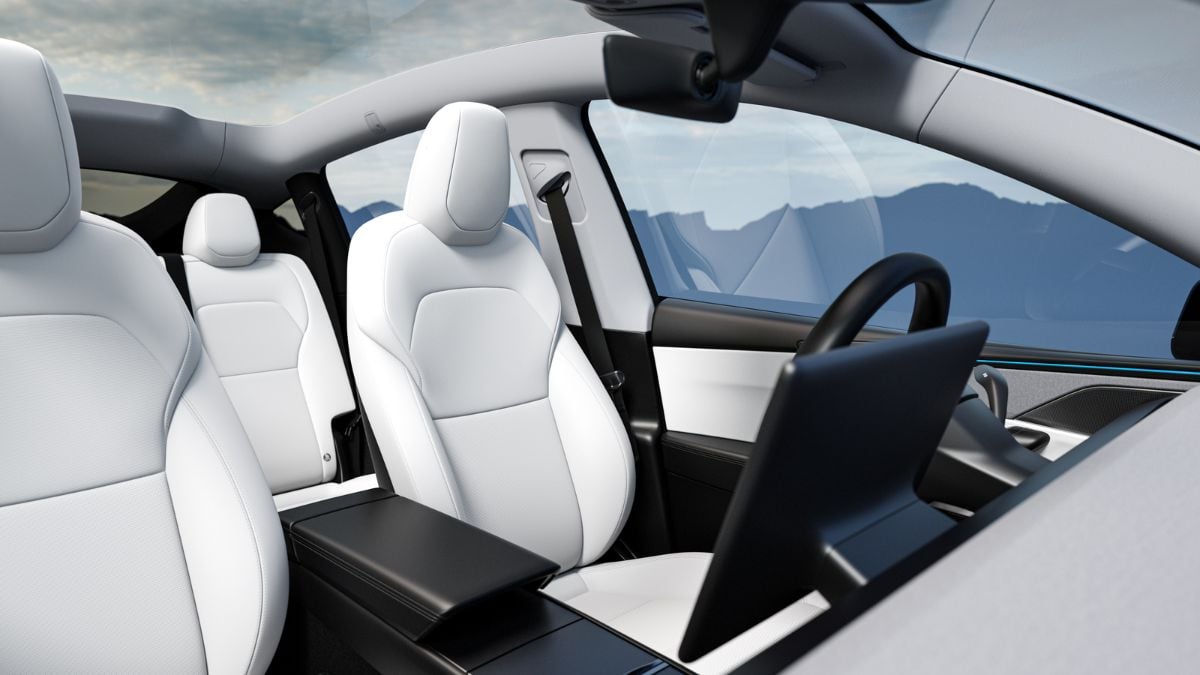
Stories like Scott’s aren’t rare. Tesla owners often face higher-than-expected costs not only for bodywork but also for glass repairs, since Autopilot and FSD cameras must be precisely aligned after a windshield swap. The calibration isn’t optional because even a slight misalignment could impact driver assistance features, but the real issue is that companies like Safelite don’t clearly state this upfront when quoting a job.
We’ve seen this same lack of transparency before, like when one Tesla Cybertruck owner was hit with a a $2,000 repair bill after a simple hit-and-run because the damage involved bodywork and sensors most shops aren’t equipped to handle. What seems like a small fix can snowball when advanced technology is involved.
What Other Owners Are Saying
Scott’s frustration over the calibration charge was echoed by other owners who chimed in under his post.
Chris Hess didn’t hold back in his criticism: “I had this happen too. 5 replacements and I’ve never once required a ‘professional calibration’. Especially one that costs $750 when all you have to do is click a button and drive 10 minutes. This should be illegal. Shame on Safelite. Boycott!”
Chris’ perspective highlights a growing debate. Are these calibration fees justified, or are they inflated beyond what’s reasonable? Tesla’s own system often recalibrates automatically after service or delivery, so hearing $750 for something that takes minutes feels like a cash grab to many owners.
Ajinkya Thakare broadened the discussion by noting that these kinds of issues aren’t exclusive to Tesla: “Same thing happened with my BMW 330i! The initial quote was around $1,300, but then they kept delaying it saying the parts for the new glass were missing or that the replacement glass was defective. It turned into a long wait with constant excuses. It’s super frustrating how common this seems to be across different cars.”
This shows that while Tesla often gets the spotlight for expensive repairs, the entire auto repair industry struggles with delays and opaque pricing when dealing with newer vehicles that rely heavily on sensors and specialized equipment.
Michael Durr, who worked in the glass industry, added another important perspective: "I hate hearing this. I used to work for a glass company and we never charged to calibrate a Tesla because the owner can do it on their own. For example, when you take delivery the cameras are still calibrating. And even for other vehicles we always include the calibration price and it wasn’t over $150. We were also using a system called Autel, which is one of the best pieces of equipment on the market. I would go with someone local and reliable with good reviews.”
Michael’s insight is particularly valuable because it points to the fact that not all shops handle calibration the same way. Some independent shops are transparent about including calibration in the quoted price, and when they do charge, it’s usually nowhere near $750. This raises real questions about whether large chains are overcharging simply because they can.
When Delays Add to the Frustration
What makes Scott’s case especially frustrating is that after agreeing to use his insurance to help offset the cost, he was hit with another setback. Waiting weeks for a new windshield is a problem on any car, but it’s particularly stressful with a Tesla since a cracked windshield can impact the car’s cameras and overall safety systems.
These repair experiences add another layer to the Tesla ownership conversation. On one hand, many owners absolutely love their cars, praising everything from their fun driving experience to overall efficiency gains that keep them recommending the brand. On the other hand, the frustration around repair costs and delays is very real, and it’s a theme that comes up often in owner forums and groups.
To put this in perspective, another Tesla owner shared how they were quoted about $4,000 to fix comparable Model Y Juniper damage, while their insurance valued the same damage at under $1,000. It shows just how wide the gap can be between what shops charge and what seems fair to customers.
Looking at the Bigger Picture
When I read stories like Scott’s, I see them as part of a picture that comes with owning high-tech vehicles. Tesla’s advanced driver assistance systems are amazing on the road, but they create a repair ecosystem where simple jobs suddenly demand "special treatment." I don’t think calibration itself is a bad thing as it’s necessary, but I do think owners deserve transparency from repair shops.
If calibration is always required, then it should always be included in the initial quote, not sprung on someone the day before an appointment. Even with all of these issues though, I can’t help but think of how owners who have put tens of thousands of miles on their cars still emphasize Tesla’s long-term performance and efficiency, showing why many are willing to put up with these frustrations in the first place.
Key Takeaways for Readers
- Calibration fees are common after Tesla windshield replacements and can dramatically increase the cost, often over $1,000.
- Transparency is lacking. Shops like Safelite may not clearly state the need for calibration in their online quotes.
- Parts quality and availability matter. Defective or delayed glass can leave owners without their car for weeks.
- Independent shops may be cheaper and more transparent when it comes to calibration and installation.
- This isn’t just a Tesla issue. Other modern cars with systems face similar hidden costs and long waits.
Tell Us What You Think
Have you ever been surprised by hidden costs during a windshield or glass replacement?
How do you think shops should handle calibration fees? Bundled into the quote or optional for the owner to decide?
I'd love to hear your opinion in our comments below.
Aram Krajekian is a young automotive journalist bringing a fresh perspective to his coverage of the evolving automotive landscape. Follow Aram on X and LinkedIn for daily news coverage about cars.
Image Sources: The “Tesla Model 3 and Model Y Owners Club” public Facebook group and Tesla’s gallery, respectively.
Set Torque News as Preferred Source on Google
Follow us today...