
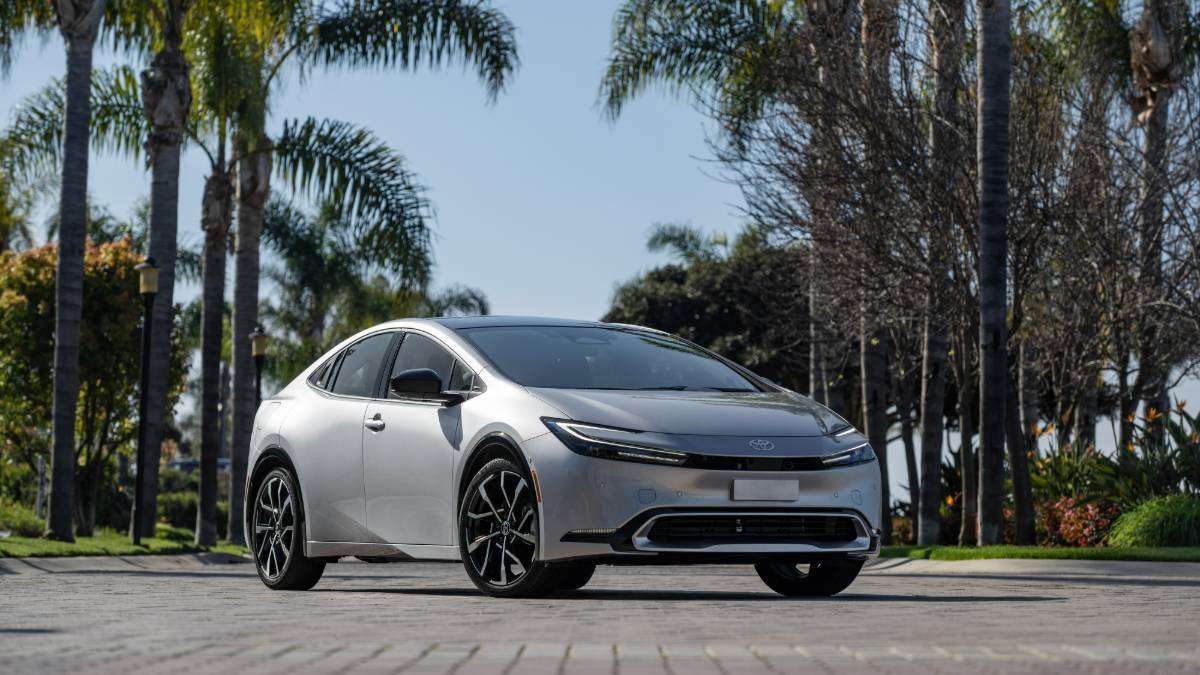

The fifth-generation Toyota Prius continues to pull off something that once seemed unlikely: winning over buyers who were not shopping for a Prius at all. A recent post in the Toyota Prius 5th Gen Club captures that shift perfectly, with a new 2025 Prius LE owner describing the car less like an economy appliance and more like a modern tech-forward daily driver that happens to return excellent fuel economy.
The owner’s enthusiasm centers on two things that define the latest Prius. First is the technology. Compared to earlier generations, the current car feels decisively contemporary, with driver assistance features, digital interfaces, and a general sense that Toyota finally stopped apologizing for the Prius and started leaning into what it could be. The comment that it feels like a “step sibling” to a Tesla is telling, not as a comparison of powertrains, but as an acknowledgment that the Prius now plays in the same conversation when it comes to everyday tech experience.
“Bought a 2025 Toyota Prius LE a few days ago and am absolutely loving the tech and the mpg”s in this thing !! I’ve never driven a Tesla, but I’d bet this could be considered itsstep-siblingg. It basically dries itself. The only thing I don’t care for is the horrible wheel covers, but for the price I paid for it with only 16k miles on it, I’m ok with buying real wheels for it. Oh, and those windows are getting tinted ASAP. 5% all the way around with 70% on the window.”

Then there is the fuel economy, which remains the Prius’ calling card even as its priorities broaden. Owners chimed in with real-world numbers that would have seemed optimistic not long ago. One driver reports nearly 49 mpg while cruising at 80 mph over a 200-mile round trip in Texas, praising the car’s stability and composure at speed. Others note lower figures in hillier terrain, but even those numbers land comfortably above what most compact sedans manage under similar conditions.
Toyota Prius: The Engineering Behind It
- The Prius is engineered around efficiency-first priorities, with its low nose and tapered rear profile shaped to reduce drag rather than maximize rear visibility.
- Hybrid power delivery is calibrated for smooth, incremental acceleration, favoring predictability in traffic over rapid response when merging or passing.
- Interior layout emphasizes clarity and ease of use, with key information presented prominently and physical controls retained for frequently adjusted functions.
- Suspension tuning focuses on ride comfort and composure, absorbing daily road imperfections while keeping handling responses conservative and stable.
What stands out in these responses is how often handling and driving enjoyment come up. With 196 horsepower on tap, the current Prius no longer feels underpowered, and multiple owners describe it as genuinely fun to drive. That is a meaningful shift. Past Prius generations earned respect for efficiency but rarely for dynamics. The new car’s lower center of gravity and stiffer structure have clearly changed that perception.
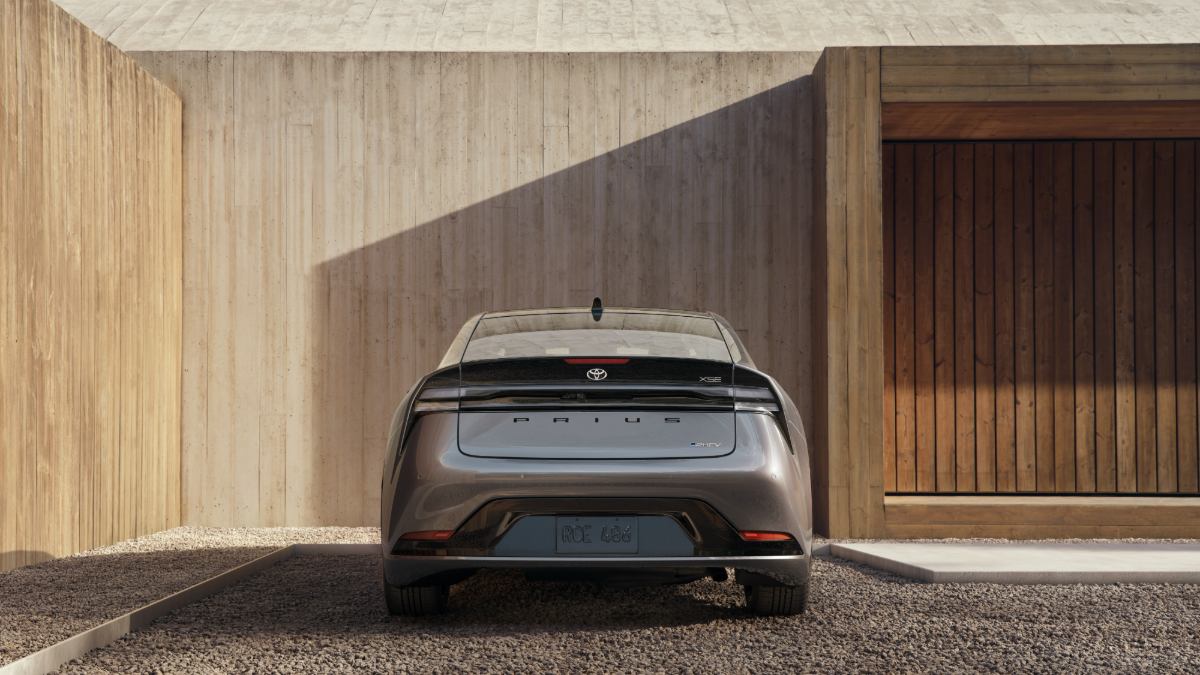
Of course, not everything is perfect. The original poster calls out the factory wheel covers as the car’s weakest aesthetic point, a complaint echoed frequently among LE owners. The good news is that Toyota hid alloy wheels underneath, a fact another commenter was quick to point out. Removing the covers and adding center caps is a simple visual upgrade, though it comes with a small tradeoff in efficiency. Those covers are functional aero pieces, and owners can expect a modest 2 to 4 percent drop in mpg without them.
That tradeoff highlights an interesting tension in the new Prius. It is more style-conscious than ever, yet still unapologetically optimized. Toyota clearly expects some buyers to prioritize efficiency over looks, while others will happily give up a mile or two per gallon for wheels they actually like. The platform is flexible enough to accommodate both, which is part of its appeal.
Value also plays a major role in this particular story. The owner notes paying an attractive price for a low-mileage example, making upgrades like wheels and window tint feel reasonable rather than indulgent. Tinted glass, especially aggressive setups like 5 percent with a lighter windshield strip, has become almost a rite of passage for new Prius owners, a visual signal that this is not the meek hybrid of old.
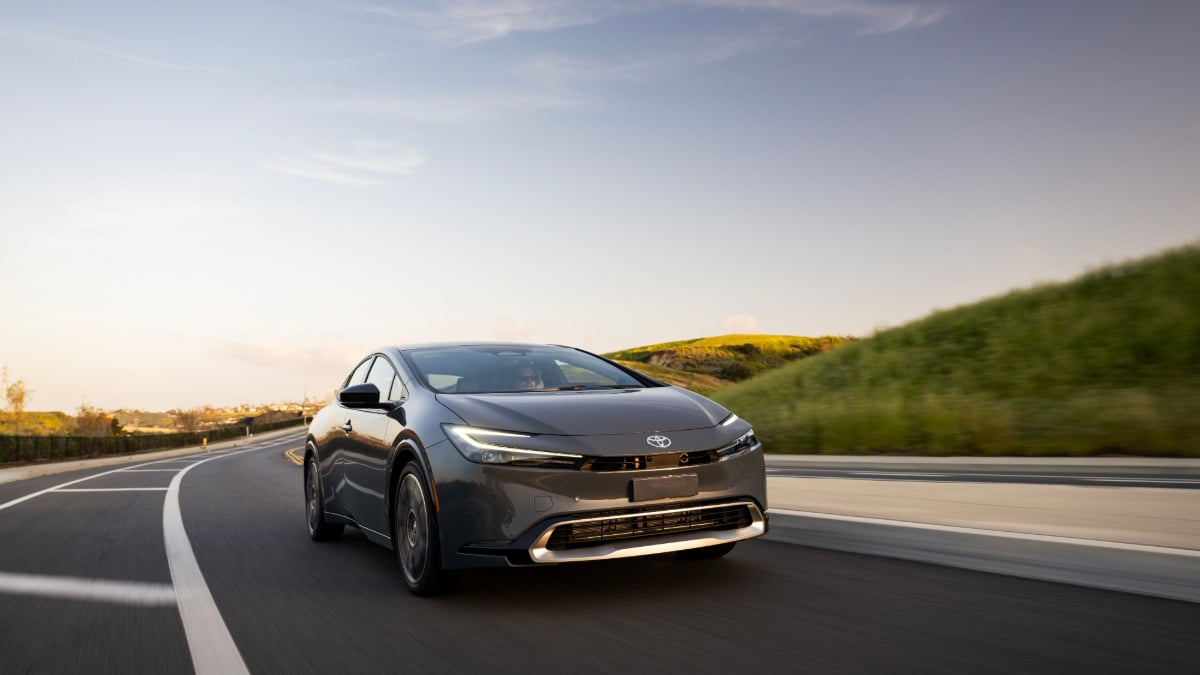
Taken together, these reactions paint a clear picture of where the Prius now sits. It is still the efficiency benchmark, but it is no longer defined solely by that trait. Owners talk about speed, handling, tech, and customization with the same casual confidence once reserved for sport compacts and entry-level EVs.
The most telling detail may be how little defensiveness appears in the discussion. No one feels compelled to justify buying a Prius anymore. Instead, they are comparing mileage at highway speeds, debating wheel aesthetics, and planning upgrades. That quiet confidence suggests Toyota has succeeded. The Prius is no longer trying to prove it belongs. It simply does.
Image Sources: Toyota Media Center
Noah Washington is an automotive journalist based in Atlanta, Georgia. He enjoys covering the latest news in the automotive industry and conducting reviews on the latest cars. He has been in the automotive industry since 15 years old and has been featured in prominent automotive news sites. You can reach him on X and LinkedIn for tips and to follow his automotive coverage.
Set Torque News as Preferred Source on Google
Follow us today...




Comments
I bought a grey 2023 AWD Xle…
Permalink
I bought a grey 2023 AWD Xle Prius. Same color as yours. And I had my windows tinted and it looks amazing ! You’ll love yours when it’s done. Also I had a tint visor put on my windshield while they were tinting the car.
I sold my Model 3 for the…
Permalink
I sold my Model 3 for the Prius Prime.
Hardly a sibling. More an…
Permalink
Hardly a sibling. More an totally unrelated cousin by marriage. They both use batteries.