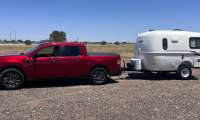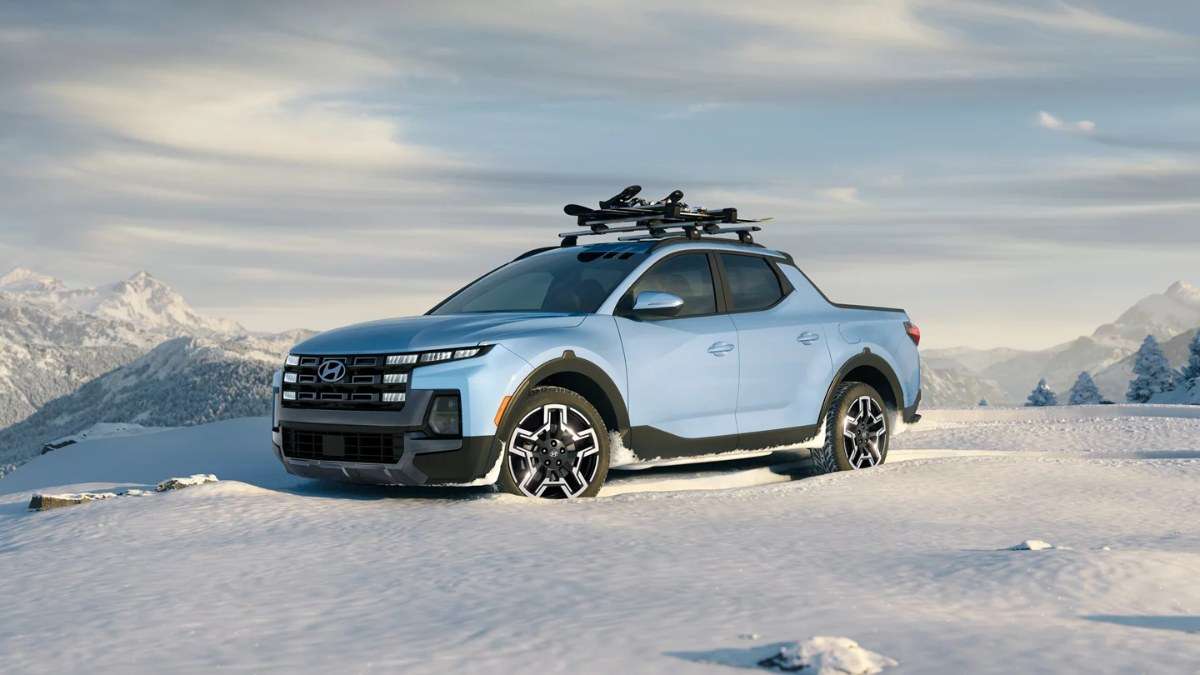

The compact truck segment represents one of the most intriguing developments in the modern automotive landscape. With only a handful of players and growing consumer interest, vehicles like the Hyundai Santa Cruz occupy a unique position between traditional pickup trucks and crossover SUVs. For many buyers, these vehicles promise the best of both worlds: truck-like utility with car-like maneuverability and efficiency. However, as one Reddit user discovered during his year-long ownership experience, the reality of living with a first-generation compact truck can be more complex than the marketing materials suggest.
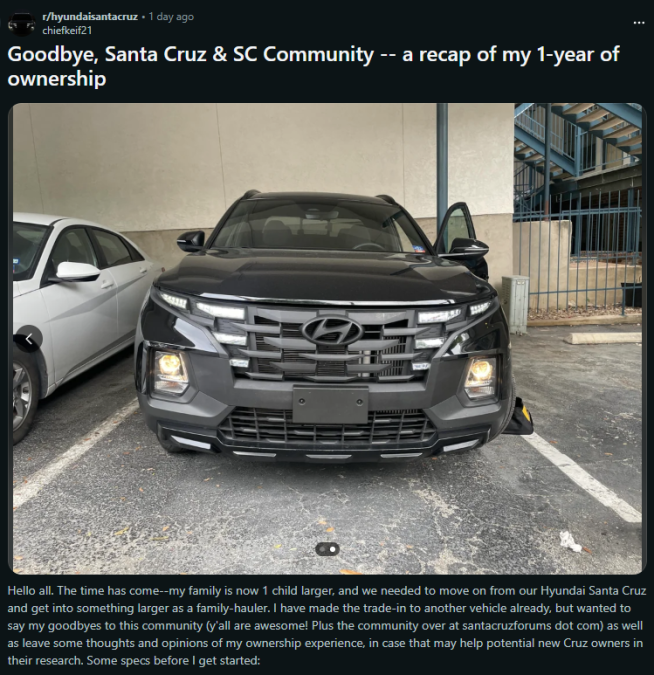
The owner, known as chiefkeif21, recently bid farewell to his 2023 Santa Cruz Night Edition after a year of ownership that included both genuine appreciation and significant frustration. His decision to move on wasn't driven by a single catastrophic failure, but rather by the accumulation of issues that ultimately made the vehicle unsuitable for his growing family's needs. His detailed review provides valuable insights for anyone considering the Santa Cruz or similar compact trucks.
“Hello all. The time has come, my family is now 1 child larger, and we need to move on from our Hyundai Santa Cruz and get into something larger as a family-hauler. I have made the trade-in to another vehicle already, but wanted to say my goodbyes to this community (y'all are awesome! Plus the community over at santacruzforums dot com) as well as leave some thoughts and opinions of my ownership experience, in case that may help potential new Cruz owners in their research. Some specs before I get started:
2023 Santa Cruz Night Edition (2.5L Turbo engine, DCT)
Bought pre-owned in 2024 with around 26k miles, still under most Hyundai second-owner warranties. Ended ownership around 37k miles.
Completely stock EXCEPT for GTR 2.0 ULTRA LED headlights, replacing the factory halogen headlights.
Let's get into the pros and cons after a year and some change of ownership:
PROS
Mad quick acceleration. The ~280hp turbo 4 cylinder Smartstream engine in the Santa Cruz can really push you back into the seat, and you don't even have to floor it to feel that. Simply pushing the accelerator down a little past halfway will absolutely launch you; it was joyful doing so, especially turning left/right from a dead stop and losing little to no traction, thanks to the AWD HTRAC system.
Unique styling and presence. While I didn't get stopped by any passersby asking about the Cruz like some other owners have said, some friends and family complimented it and said they hadn't seen anything like it, and they loved the supposed utilitarian + style combo. I particularly love what Hyundai did with the rear-end styling.
The bed. Yes, it's mad short. Yes, you'll have trouble hauling huge sofas/safes/appliances with the gate up and the tonneau cover retracted, as the cover casing takes up a sizable amount of volume. However, if you understand these limitations, you can truly throw just about everything else, especially dirty stuff, in the bed and lock it up with the cover and have a truly worry-free "trucking experience. I had taken the Cruz as our camping vehicle to a few state parks, and fitting all of our gear, while not *easy*, was doable and ended up being very practical.
The overall footprint. The Cruz is very "planted" and "grounded", basically never losing traction despite heavy acceleration. Plus, since it is much smaller than your typical mid- or full-sized pickup, it is incredibly easy to dive in and out of turns and wiggle into parking spots.
Some technology bits. Wireless Apple CarPlay & Android Auto were great. The wireless charging pad seemed to overheat my iPhone quite often, but it was still enough charging to hold my iPhone battery steady while using it to run CarPlay, Maps, and Music, so it works well enough IMO.
CONS
The transmission. The Dual Clutch Transmission (DCT) that comes with the turbo engines (MY 2021-2025) is simply not the correct transmission for this type of vehicle. I was sure that I wanted a DCT going into the original purchase of the Cruz, having come from a 6-speed manual Mustang GT--I was wrong. DCTs may be great in smaller, performance-oriented vehicles, but the Cruz is not that. While it does "behave like a manual" (snappy shifts at higher speeds paired with some shuddering at low speeds (1-5mph), falling backwards when on a hill and not using hill assist, etc, etc), the automated fashion with which this transmission attempts to computerize the manual shifts just does not work out in practice. Expect this transmission to get confused on which gear to downshift into, to 'jerk' when you vary your accelerator input, to 'lurch' when operating the accelerator at parking lot speeds, and overall just not be a great experience. (Thankfully, the 2026 model drops the DCT in favor of a traditional torque converter transmission!)
Material quality (interior and exterior). Inside, expect megatons of hard plastic. Plastic dashboard, plastic door panels, plastic everything. Hard plastic isn't necessarily a bad thing, but in my Cruz, it led to quite a few rattles and squeaks. The cloth seats that come with the Night edition quickly got scuffed and deteriorated, seemingly because I got in/out of the vehicle with abrasive pants...or something. The car seat itself provides average comfort, but shortly after purchasing the Cruz, I noticed a vertical, metal bar protruding from underneath the cloth on the driver's seat back support, which made reaching over to the passenger side a painful (literally) experience. Exterior: overall sheetmetal used was of decent quality; however, the rear side panels (the panels that connect to the brake light housing) have insane amounts of flex to them. Poke it with your finger, and you can easily push it over an inch inwards. The front fascia is also very prone to chipping from road debris, scuffing the 'blacked out' look on my Night Edition.
Advertising
MPG. It's not great. Overall, I averaged about 21 MPG (regular fuel, infrequent acceleration spikes/launches, stock tires, 60/40 city/highway driving). This really should be better; my buddy's F-150 gets 20 MPG easily. A hybrid option or, even better, a BEV/fully electric version would be incredible for the Cruz. Sadly, the 2.5L turbo likes to chug fuel if you drive with anything other than a granny foot.
Limited car seat compatibility. Like I mentioned, we have a growing family, and attempting to fit a rear-facing child seat in the Cruz was an exercise in patience. We could fit it in on the passenger side eventually, except that it meant pushing the front passenger side seat up so far as to create a safety hazard. Essentially, no one could ride in the front passenger seat as their knees were up to the dashboard. Families, be warned; this is a smaller passenger car and as such has very limited space for bulky car seats.
(minor) The front-end styling. Take it or leave it, this is pretty modern Hyundai styling up front, especially the DRL and the whole front fascia. While I loved the backend of the Cruz, the frontend simply looks weird and too busy to me.
Miscellaneous issues, including: catalytic converter died at about 35k miles for "using poor quality fuel" (Hyundai essentially blamed me for this but they eventually covered it under warranty after a lot of arguing), a "fuel pump priming" noise that whines every time you open a door (supposedly normal, but very annoying), the rear shocks needed to be checked & replaced twice (both times at a Hyundai dealership; apparently the self-leveling shocks and their associated struts have some issues, also covered under warranty).
Last but not least, the dealership experience. Many times over the course of the year of ownership and at 2 different Hyundai dealerships, they originally blamed me for issues and quoted me thousands in repairs for items that are obviously under warranty (catalytic converter, shocks & struts, even the tonneau cover froze and refused to retract). They eventually agreed to repair these items at no cost to me, but not before arguing with them for days on end. They even tried to charge me for a loaner vehicle while my Cruz was in their service shop for 2 weeks (!)...
Overall, I do love the concept of this vehicle. I'm enamored by the "city/adventure light truck" idea Hyundai has pushed forward. However, I truly think that if Hyundai wants to garner more attention and respect for this segment, they really need to address some of the concerns and issues from above. The top priorities I have would be instituting a hybrid powertrain or going full electric, fixing the quirks that any first-generation vehicle has (squeaks & creaks, inconsistent material quality, etc), and finally, please, Hyundai, I plead, have your dealerships better trained to handle customer issues and complaints.
That's all for now, folks. Enjoy your Cruising!”
The Promise and the Problems
The Santa Cruz's appeal is immediately apparent in the owner's praise for its acceleration, unique styling, and practical bed. The 280-horsepower turbocharged engine provides genuinely impressive performance, while the all-wheel-drive system delivers confidence-inspiring traction. However, it's the transmission that emerges as the vehicle's most significant weakness, a problem that has plagued multiple Hyundai models equipped with dual-clutch technology.
The Dual Clutch Transmission (DCT) that comes with the turbo engines (MY 2021-2025) is simply not the correct transmission for this type of vehicle. I was sure that I wanted a DCT going into the original purchase of the Cruz, having come from a 6-speed manual Mustang GT—I was wrong. DCTs may be great in smaller, performance-oriented vehicles, but the Cruz is not that. While it does "behave like a manual" (snappy shifts at higher speeds paired with some shuddering at low speeds), the automated fashion with which this transmission attempts to computerize the manual shifts just does not work out in practice.
This transmission criticism isn't isolated to this particular owner. The DCT has been a source of widespread complaints among Santa Cruz owners, with some experiencing multiple transmission failures requiring complete replacement. The good news is that Hyundai has acknowledged these issues, with the 2026 model year switching to a traditional torque converter automatic transmission.
Another owner, CharliesRatBasher, echoed similar sentiments about the overall ownership experience, highlighting both the vehicle's appeal and its shortcomings.
I love and hate mine, but I'm too deep in now. It is a sharp, fun vehicle to drive at the end of the day but there's a lot left to be desired. And Hyundai dealers are abysmal. They wouldn't change my headlights for me because the aftermarket ones could mess with the wiring?? I called them on their bullshit cause other year models have LED headlights. I can't see jack squat at night in that truck. The headlights point way too low for their position on the grille.
This comment captures the conflicted feelings many Santa Cruz owners experience. The vehicle has genuine appeal and capability, but the ownership experience is marred by quality issues and poor dealer support. The headlight problem he mentions is particularly frustrating, as it affects basic safety and usability while highlighting the arbitrary nature of some dealer service policies.
The Family Factor and Practical Limitations
One of the most telling aspects of the original owner's experience was Santa Cruz's inability to accommodate his growing family's needs. The compact dimensions that make the truck maneuverable in urban environments become a liability when trying to install child safety seats.
Like I mentioned, we have a growing family, and attempting to fit a rear-facing child seat in the Cruz was an exercise in patience. We could fit it in on the passenger side eventually, except that it meant pushing the front passenger side seat up so far as to create a safety hazard. Essentially, no one could ride in the front passenger seat as their knees were up to the dashboard. Families, be warned; this is a smaller passenger car and as such has very limited space for bulky car seats.
This limitation highlights a fundamental challenge with compact trucks: they're designed to appeal to buyers who want truck capability without truck size, but physics ultimately imposes constraints that can't be engineered away. For buyers with young families, this space limitation can be a deal-breaker, regardless of how well the vehicle performs in other areas.
Key Santa Cruz Strengths
- The turbocharged engine delivers genuinely impressive acceleration and power delivery that exceeds expectations for the segment.
- The styling and concept fill a genuine gap in the market between traditional trucks and crossover SUVs.
- The compact footprint makes parking and city driving significantly easier than with full-size trucks.
- The lockable bed with tonneau cover provides weather-protected cargo space that's more secure than open truck beds.
The Trade-In Decision and Market Reality
When the time came to move on, the owner's choice of a 2022 Mazda CX-9 reveals his priorities: space, reliability, and a more traditional ownership experience. His trade-in value of $24,000 for a vehicle purchased with 26,000 miles and sold with 37,000 miles suggests reasonable depreciation, though he acknowledged that a private sale would have yielded more money.
An enthusiast named ineedhelpXDD offered a perspective on the CX-9 choice, highlighting the evolution of Mazda's reliability.
“Used to have a Mazda CX-9 2008 with a nice flat-looking key fob slab. It was a great SUV till a lady merged onto my lane and totaled it long ago. Heard they are even better now in reliability since it's 100% Mazda motors and not some Ford partnership, which tanks reliability. You'll enjoy it for sure.”
The move from Ford-influenced designs to purely Mazda engineering has indeed improved the CX-9's reputation, offering the kind of dependable family transportation that the Santa Cruz couldn't provide.
The Santa Cruz represents both the promise and the growing pains of the emerging compact truck segment. While the concept is sound and the execution shows flashes of brilliance, the reality of first-generation vehicle ownership includes compromises that not all buyers are prepared to accept. For Hyundai, the challenge moving forward will be addressing the known issues while maintaining the unique character that makes the Santa Cruz appealing. The switch to a conventional automatic transmission for 2026 addresses the most significant complaint, but questions about build quality and dealer support remain. As the compact truck segment continues to evolve, with Toyota and other manufacturers preparing their own entries, the Santa Cruz's early adopters have provided valuable lessons about what works and what doesn't in this promising but challenging market segment.
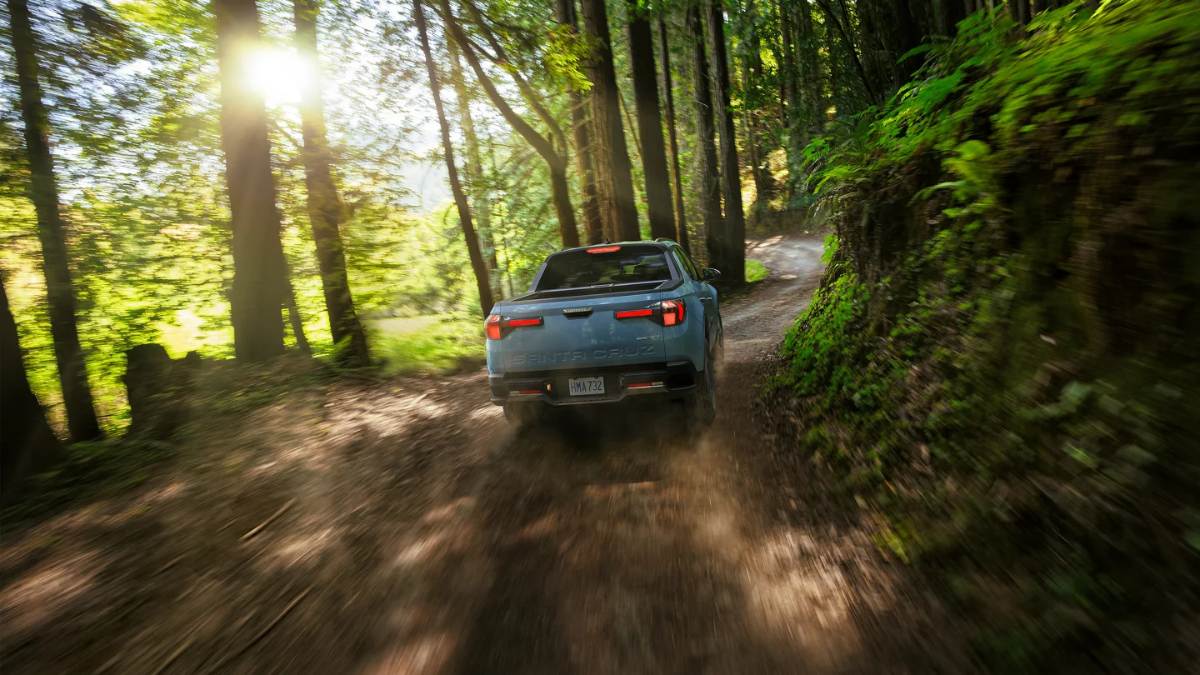
The owner's experience serves as a reminder that even innovative vehicles require solid execution and support to succeed in the long term, and that transmission reliability remains crucial for customer satisfaction regardless of how compelling the overall package might be.
Have you considered a compact truck like the Santa Cruz for your family? What factors would be most important to you in choosing between truck utility and family practicality? Share your thoughts on the compact truck segment in the comments below.
Noah Washington is an automotive journalist based in Atlanta, Georgia. He enjoys covering the latest news in the automotive industry and conducting reviews on the latest cars. He has been in the automotive industry since 15 years old and has been featured in prominent automotive news sites. You can reach him on X and LinkedIn for tips and to follow his automotive coverage.
Set Torque News as Preferred Source on Google
Follow us today...