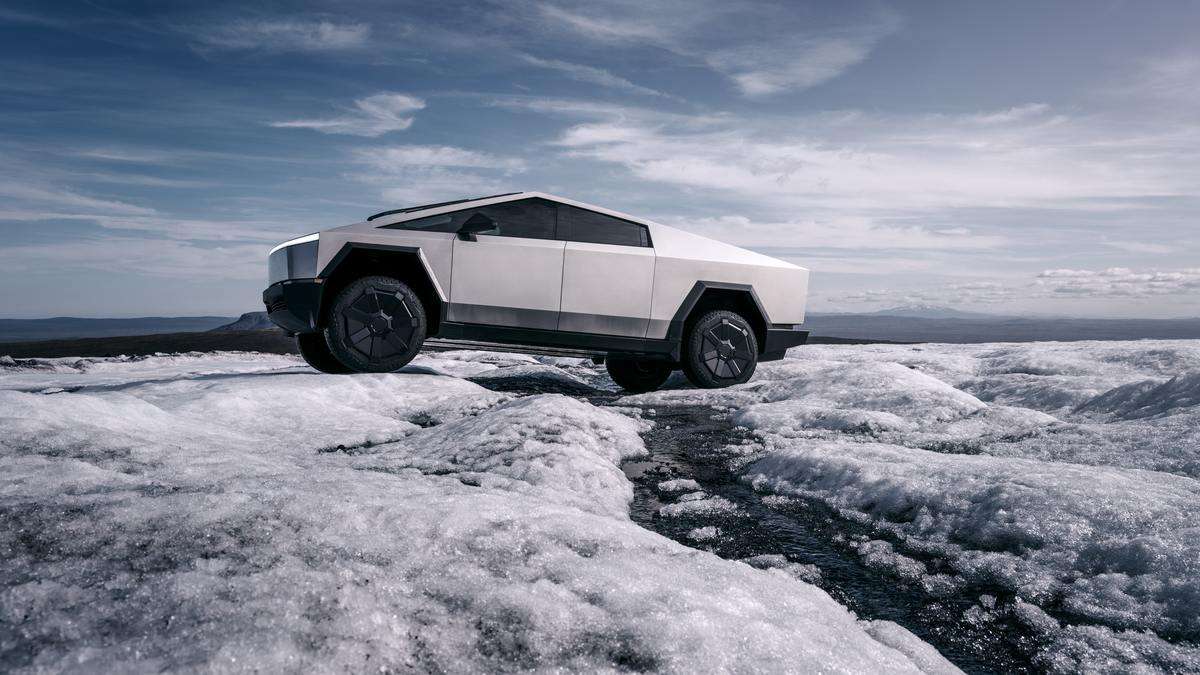

The honeymoon phase of exclusive Tesla Supercharging may be over. A recent anonymous post in a Cybertruck owners group illustrates the new friction emerging at once-exclusive charging stations now open to non-Tesla EVs.
According to the post, a Tesla Cybertruck owner was attempting to reverse into a stall at the busy Summerton, SC Supercharger around 11:00 a.m. on the Saturday after Christmas, only to watch a Ford EV driver pull into the adjacent stall and grab the charging cable from the very stall the Cybertruck was backing into, effectively tying up two chargers on a crowded holiday weekend.
“Saturday after Christmas at about 11:00 in the morning. I am working to line up with the charger at Summerton, SC. Ford zooms up and pulls in to the next stall, and the driver takes the charger cord out of the stall I am backing in to and puts it in his truck. This ties up two stalls on a busy morning. Why are Tesla owners, who have supported Tesla with their dollars, having to wait for this poorly mannered gentleman?”

Whether you're driving a Model S or a fresh-off-the-lot Cybertruck, it's a scenario that can make blood boil: supporting a brand, investing early, and then having your access to infrastructure complicated by drivers outside the ecosystem. The post wasn't just a complaint about inconvenience; it was a lament about what feels like an erosion of an ownership privilege, the kind that many early adopters considered part of the value proposition of owning a Tesla.
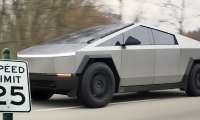
Tesla Cybertruck: Stainless Body, Turning Radius, and Cargo Security
- The Cybertruck’s stainless steel body panels eliminate paint and resist minor cosmetic damage, but their flat geometry limits shaping flexibility and can complicate alignment and repair work.
- Steer-by-wire and rear-wheel steering reduce turning effort for a vehicle of its size, though the steering feel differs from conventional pickups and may require an adjustment period.
- Interior design is intentionally sparse, with nearly all controls routed through a central touchscreen, simplifying the layout while reducing access to dedicated physical inputs.
- The enclosed, powered bed emphasizes security and weather protection, trading the open accessibility of traditional pickup beds for a more controlled cargo environment.
The comments lit up, predictably, with both support and backlash. One user, LJ Martin, offered a more confrontational angle: “You should take that up with him like a man instead of an anonymous participant. Lol.” It was echoed by others who didn’t seem entirely sympathetic to the anonymous poster’s tone or choice to air the issue behind a screen name. Still, under the sarcasm, there’s a deeper tension: how do we navigate shared resources in a rapidly expanding EV ecosystem?
Other Tesla owners chimed in with familiar frustrations. Andy Sprich lamented, “I wish they went back to Tesla exclusive... others always make a mess of parking,” reflecting a growing divide between Tesla loyalists and the new EV entrants benefiting from Tesla’s now-shared Supercharger network. Chad Hensley responded with a dose of reality: “Never going to happen.” And he’s right. Tesla has made it clear that opening its network is part of its long-term strategy and part of its agreement to receive federal charging subsidies.
But while Tesla as a company moves toward broader inclusion, some owners feel left behind. The infrastructure, particularly at older stations, was never designed with all EVs in mind. Charging cables were placed specifically for Tesla ports. Parking designs favored Tesla wheelbases and charge port locations. When a Ford F-150 Lightning or a Rivian R1T tries to share a station, things can get awkward fast, especially when EV owners have to stretch cords across stalls or park diagonally just to plug in.
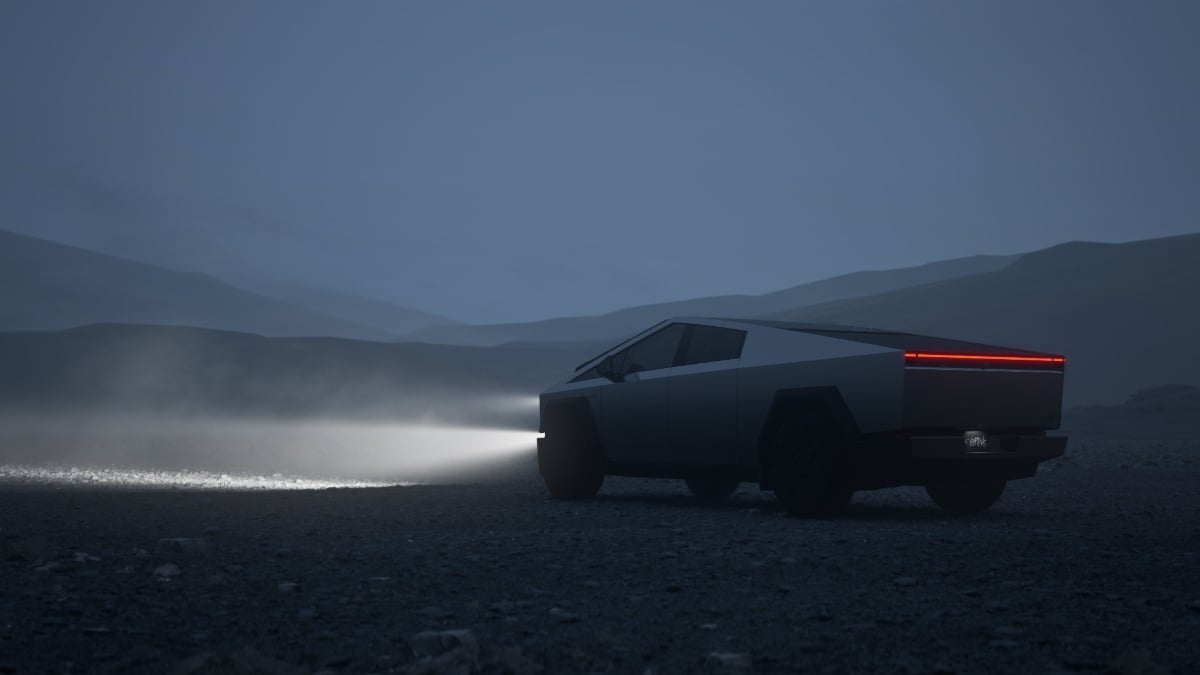
Sergio Rodriguez wasn’t buying the story, questioning the post’s accuracy: “It is so busy….. why were 2 stalls available? Stop the lies. I see why you posted anonymously, scared.” This skepticism speaks to how charged, pun intended, these interactions have become. The growing pains of a maturing EV network are more than technical; they’re cultural. What was once a closed community is now an open territory.
Lauren Shearin brought it back to the business end of the equation: “He supports Tesla, too, by charging. Tesla wants his money, so take it up with them.” She has a point. Tesla’s bottom line benefits from every Ford or Hyundai that plugs into a Supercharger, and with the network expanding across the U.S., these cross-brand conflicts may become routine. The pressure may be on Tesla to redesign its stations or implement clearer etiquette guidelines that reflect this new, open-access reality.
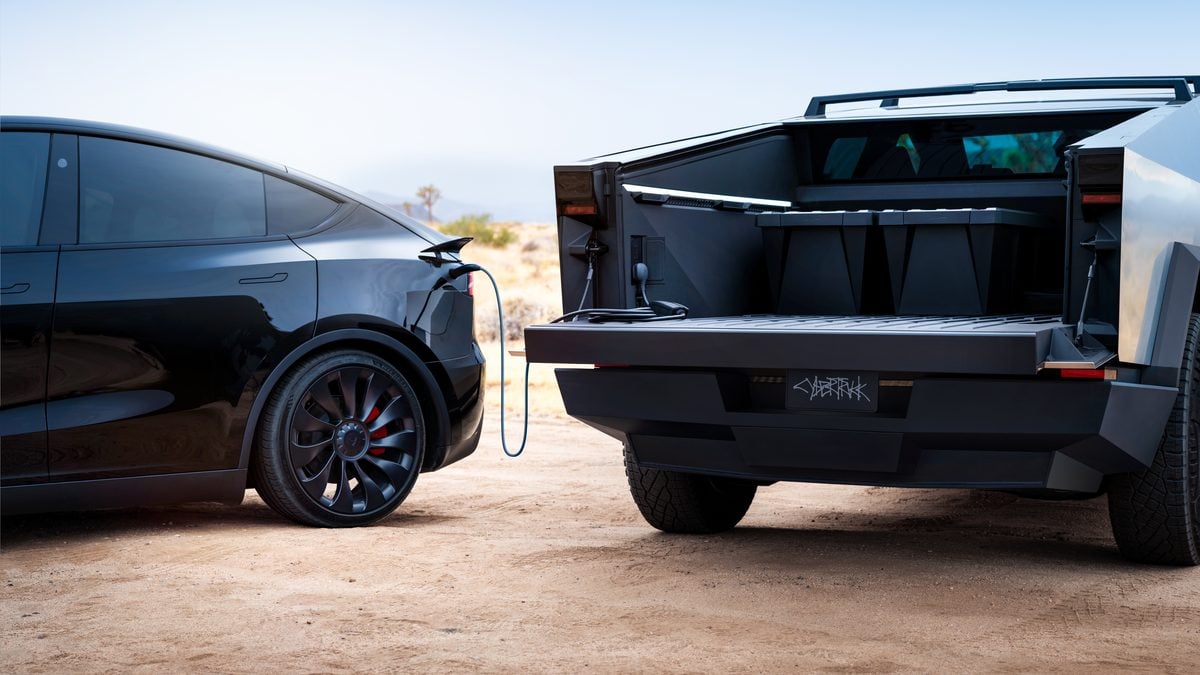
The Summerton incident may seem small, but it encapsulates a broader issue. As electric vehicles flood the market and legacy automakers lean into Tesla’s infrastructure, the old norms of Supercharging are being rewritten in real time. For now, good behavior, common sense, and mutual respect may be the best tools available until the physical layouts and access protocols catch up to the diversity of the EV landscape.
Tesla owners may need to let go of the idea of exclusivity. The charger you backed into a thousand times before might now serve anyone with a CCS adapter and a Tesla app. It's not betrayal. It’s an expansion. And like any growing family, the bigger it gets, the more important manners become.
Image Sources: Tesla Media Center
Noah Washington is an automotive journalist based in Atlanta, Georgia. He enjoys covering the latest news in the automotive industry and conducting reviews on the latest cars. He has been in the automotive industry since 15 years old and has been featured in prominent automotive news sites. You can reach him on X and LinkedIn for tips and to follow his automotive coverage.
Set Torque News as Preferred Source on Google
Follow us today...