
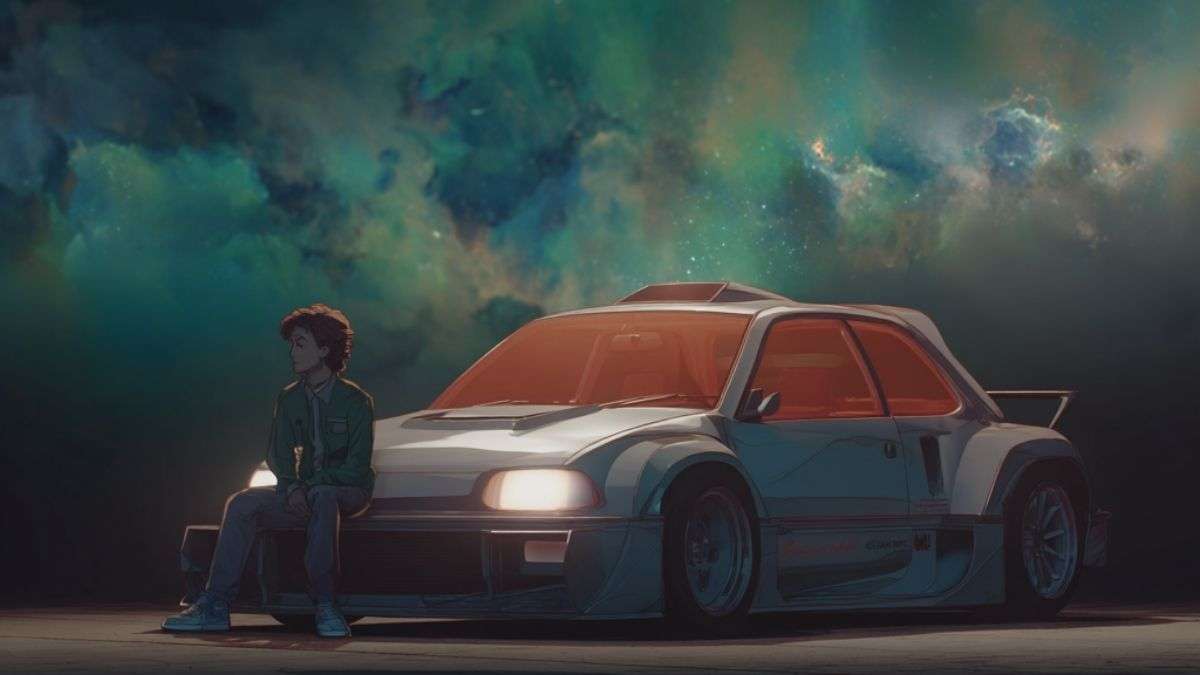

In the often-predictable world of automotive concepts, Hyundai has seemingly unleashed a wild card: the Insteroid. More than just a design study, this vehicle, reportedly inspired by a media source, has the potential to redefine what a "halo product" can be. Forget the traditional supercar; the Insteroid could become a magnet, drawing a new generation of enthusiasts into Hyundai dealerships, not just to buy, but simply to behold.
A Unique Halo Product: Drawing the Crowds
Traditionally, a halo car is a high-performance, often exotic, vehicle designed to showcase a brand's engineering prowess and elevate its image, even if sold in limited numbers. Think of a Ferrari or a high-end Porsche. The Insteroid, however, could achieve this effect through sheer, audacious uniqueness. Its design, reportedly derived from a digital or media source, suggests a vehicle that breaks free from conventional automotive aesthetics. This unconventional origin could make it an instant conversation starter, a physical manifestation of digital cool. People, especially younger, digitally native audiences, might flock to dealerships just to see if this "thing" from their screens is real. This foot traffic, even if not immediately converting to sales of the Insteroid itself, could expose them to Hyundai's broader lineup, fostering brand loyalty and curiosity.
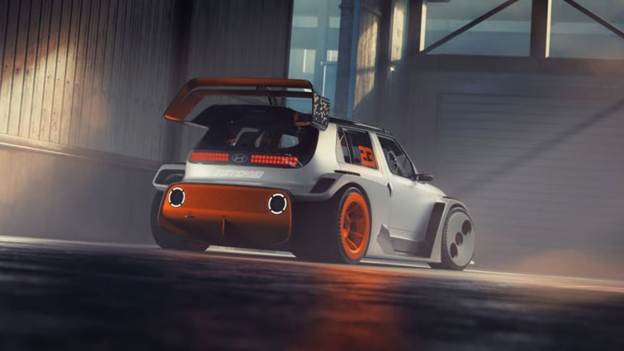
From Media Source to Mainstream Appeal: Attracting Younger Customers
The concept of designing a car from a media source, whether it's a game, a graphic novel, or a virtual reality experience, is revolutionary. It taps directly into the cultural zeitgeist of younger generations who are immersed in digital worlds. This approach offers a direct, relatable entry point to automotive interest, bypassing traditional marketing channels. Instead of trying to convince young people that cars are cool, Hyundai could simply present them with a car that is cool because it originates from their own cultural landscape. This authenticity could resonate deeply, making Hyundai a brand that "gets it." Such a strategy is far more agile and potentially more impactful than traditional, costly advertising campaigns, directly speaking to an audience that values originality and digital fluency.
An Affordable Alternative to Costly Supercars?
For decades, the dream car was synonymous with the exotic, the unattainable supercar. Ferraris, Lamborghinis, and high-end Porsches captured imaginations but remained financially out of reach for most. The Insteroid, by leveraging a unique design and potentially more accessible underlying platform (perhaps related to Hyundai's existing EV architecture), could offer a visually arresting experience without the multi-million-dollar price tag. Imagine a vehicle that turns heads with the same intensity as an exotic, but at a fraction of the cost. This democratization of "cool" could open up the dream car experience to a much wider audience, making high-impact automotive design accessible and exciting for a new generation of enthusiasts who might otherwise be priced out of the traditional performance car market.
Rekindling the Excitement of Exotics from the 1960s and 1970s
As someone who grew up in the 1960s and 70s, I remember the thrill of seeing cars that pushed boundaries: the Lamborghini Countach, the Ferrari Daytona, the original Porsche 911. These weren't just cars; they were statements, sculptures on wheels that embodied raw power and futuristic design. They sparked an unadulterated passion for automobiles. The Insteroid, with its radical departure from conventional design, has the potential to evoke that same visceral excitement. It's not about horsepower figures alone; it's about the sheer audacity of its form, the "what is that?" factor that makes you stop and stare. It’s a design that feels unconstrained, almost rebellious, reminiscent of the era when automotive design was less about aerodynamics and more about artistic expression. This kind of vehicle could reignite a widespread fascination with car design, drawing in not just enthusiasts but anyone who appreciates bold, innovative aesthetics.
Countering the Chinese EV Influx
The global automotive landscape is rapidly shifting, with Chinese manufacturers increasingly dominating the affordable, high-performance EV segment. Brands like BYD and Nio are offering compelling electric vehicles with impressive technology and aggressive pricing. Countering this influx requires more than just competitive specs; it demands unique brand identity and emotional appeal. The Insteroid could be Hyundai's answer. By offering a vehicle that is visually distinct and culturally resonant, Hyundai could carve out a niche that transcends mere price or performance. It's about creating a desire for something truly different, something that Chinese competitors, despite their technological prowess, might struggle to replicate in terms of sheer design audacity and cultural integration. This could be a powerful differentiator in a crowded market.
Disclosure: Images rendered by Midjourney and supplied by Hyundai
Rob Enderle is a technology analyst at Torque News who covers automotive technology and battery developments. You can learn more about Rob on Wikipedia and follow his articles on Forbes, X, and LinkedIn.
Set Torque News as Preferred Source on Google
Follow us today...






Comments
Looks like a late 80’s Honda…
Permalink
Looks like a late 80’s Honda civic with a body kit. Awesome!