
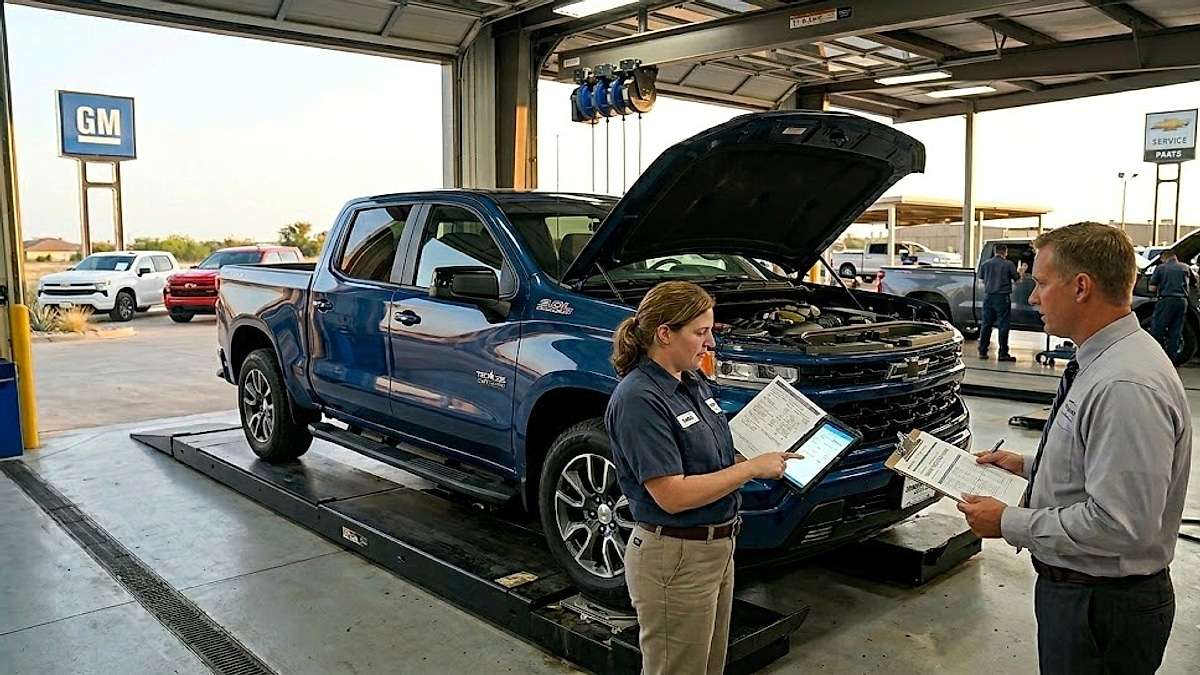

General Motors is facing a critical crossroads in 2026 as long-term owner data reveals a stark reliability gap between its three primary half-ton powerplants. While the 6.2L V8 faces a federal probe over catastrophic crankshaft failures and the 3.0L Duramax diesel struggles with thrust bearing wear, the veteran 5.3L V8 has emerged as the "least-worst" option for truck buyers.
This investigative report analyzes firsthand owner testimony from Texas, cross-references recent National Highway Traffic Safety Administration (NHTSA) actions, and provides actionable mechanical advice for owners of 2019 through 2026 Silverado and Sierra models to avoid five-figure repair bills.
The Warning from Knippa, Texas
I have spent 30 years in the automotive trenches, and if there is one thing I have learned, it is that folks in Texas know their trucks better than anyone. When a message pops up from the heart of truck country, I listen. Michael Burke from Knippa, Texas, recently took to the 2019 - 2026 Chevy Silverado & GMC Sierra Owners Facebook group to drop a truth bomb that is currently reverberating through the entire GM community.
“My Chevy Silverado 5.3L engine is the only decent engine in the entire GM half-ton segment. Even it has its problems. The 3.0L and 6.2L engines are utter garbage. GM should be embarrassed.”
As a senior reporter who has tracked these powertrains since their inception, I can tell you that Michael isn’t just venting. He is identifying a systemic shift in GM's quality control. I recently explored how deep this rabbit hole goes in my report, Chevy Silverado Owner Says, “My 2019 5.3L Engine Is Toast at 130K Despite 3K Oil Changes”, where even religious maintenance couldn't save a 5.3L from the dreaded lifter failure.
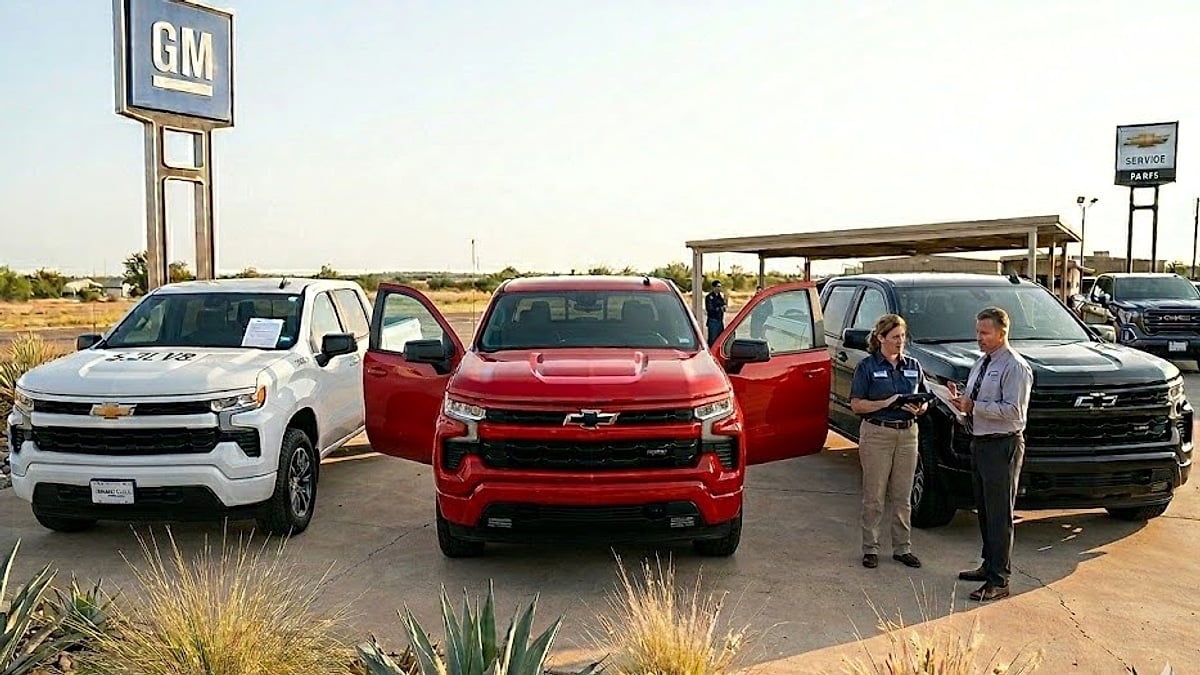
The Three Pillars of the GM Engine Crisis
To understand why this is the top story for March 31, 2026, we have to look at the Who, the How, and the Why.
Who is affected? Owners of 2019 through 2026 Chevrolet Silverado 1500 and GMC Sierra 1500 models. Specifically, those who opted for the "premium" 6.2L L87 V8 or the "efficient" 3.0L LZ0 Duramax diesel.
How are they failing? The 6.2L is experiencing a "main bearing seizure," which can cause the engine to lock without warning. The 3.0L Duramax is experiencing premature "crankshaft end play," a condition in which the crankshaft moves axially, shredding internal thrust bearings.
Why is this happening? It boils down to a combination of manufacturing debris in the blocks and the mechanical strain of Dynamic Fuel Management (DFM). Experts at Consumer Reports have increasingly flagged the 2025 Chevy Silverado 1500 V8 engines for causing significant reliability concerns, specifically citing the lifter issues that continue to plague the lineup.
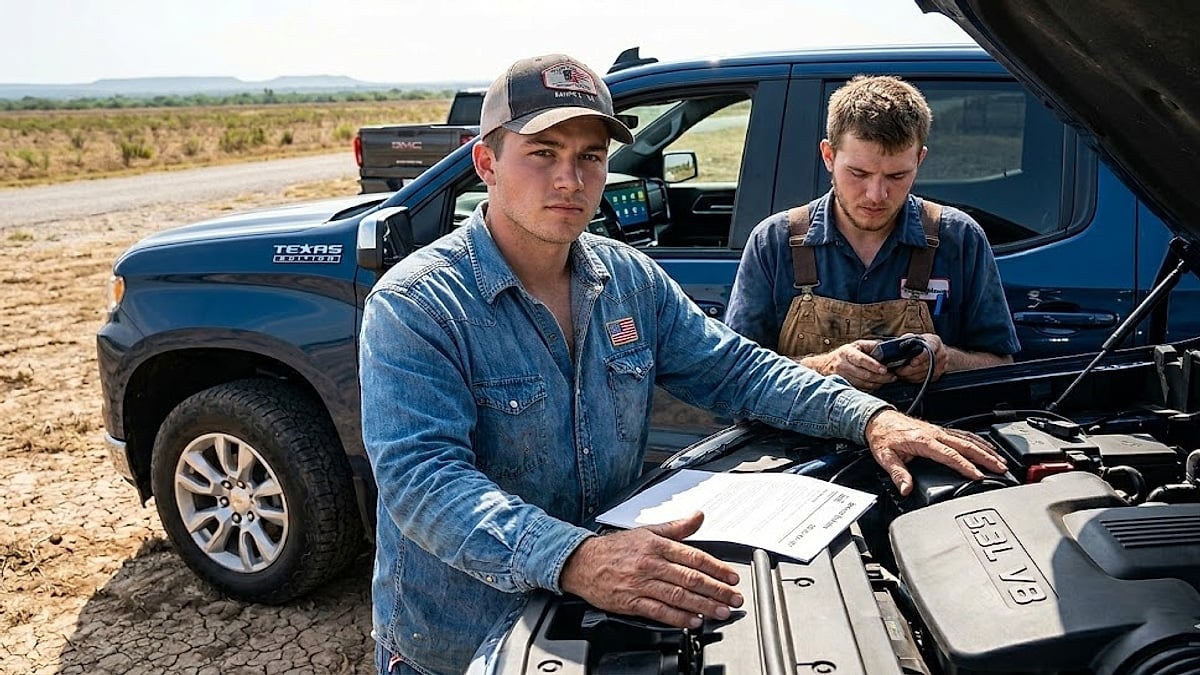
From My View: The 6.2L "Gold Standard" Has Lost Its Luster
For years, the 6.2L V8 was the engine everyone wanted. It was the powerhouse of the High Country and Denali trims. But my experience tells a different story lately. On January 30, 2026, the NHTSA opened a query into GM V-8 engine failures after a 2025 recall of nearly 600,000 units failed to stop the "catastrophic engine failures without warning" reported by owners. You can read the full NHTSA investigation details here.
When you pay $80,000 for a truck, you expect the engine to last longer than a set of tires. I’ve seen reports of these 6.2L engines "grenading" at 12,000 miles. GM’s fix was to use a higher-viscosity oil, but as any mechanic will tell you, thicker oil is just a band-aid for poor tolerances.
My Take: Is the 3.0L Duramax an "Oil-Thirsty Trap?"
Many of my readers switched to the 3.0L diesel to escape the V8 lifter issues. It seemed like a safe haven, but 2026 has brought the "Thrust Bearing Crisis" to the forefront. General Motors issued Service Bulletin 25-NA-307 to address mechanical noise from the bellhousing and DTC P06DD codes. According to legal experts tracking the LZ0 Duramax issues, this crankshaft movement can lead to erratic oil pressure and total engine destruction.
In my 30 years of covering the automotive beat, I have seen a lot of “fixes” come and go, but the recent wave of 2025 Chevy Silverado owners taking matters into their own hands by documenting these failures is a new level of consumer advocacy.
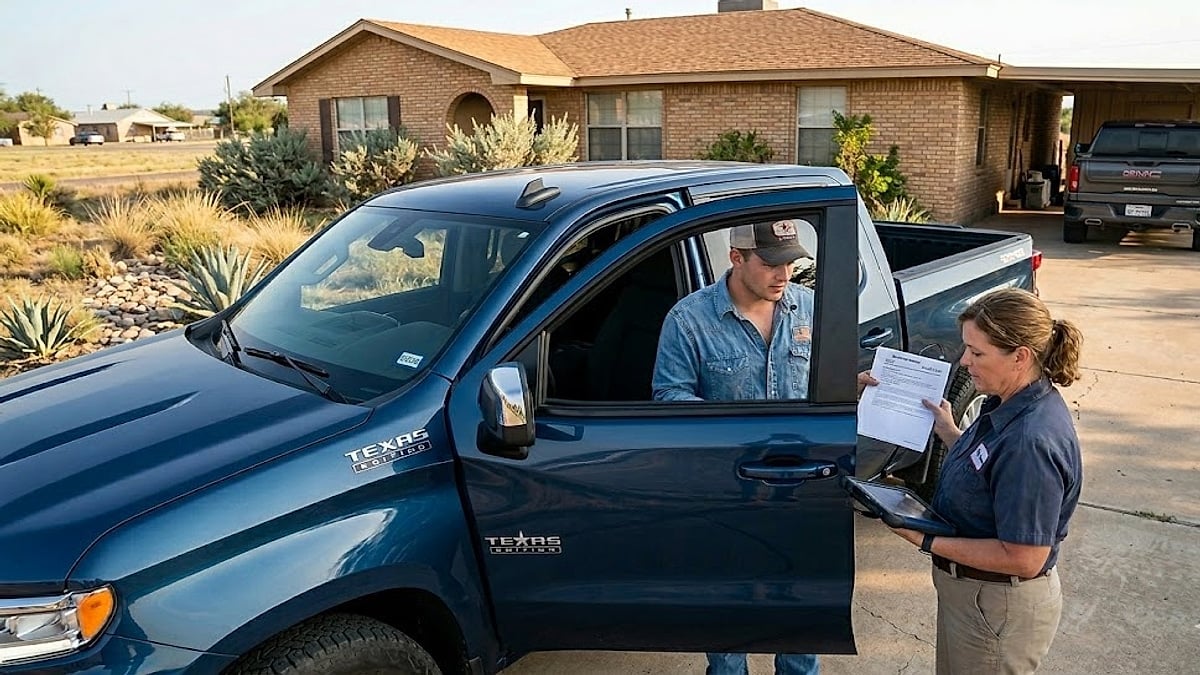
What You Need To Know
If you are shopping for a GM truck or currently own one, here is the technical breakdown of what is actually happening under the hood.
- The 5.3L V8 Reality: It still uses Dynamic Fuel Management (DFM), which can cause lifter collapse. However, because it is a lower-compression, less-stressed engine than the 6.2L, the bottom end (crankshaft/bearings) tends to hold up much better.
- The 6.2L V8 Danger Zone: The primary issue is bearing damage caused by "sediment and debris" left over from the manufacturing process, alongside crankshaft dimensions that were "outside of engineering specifications."
- The 3.0L Duramax "Squeak": If you hear a rattling or clunking noise near the transmission tunnel at idle, do not ignore it. This is the hallmark of the thrust bearing failing.
- Maintenance Myth: GM suggests 7,500-mile oil changes. In my professional opinion, if you want these engines to survive past the 100,000-mile mark, you must drop that to 4,000 miles.
Field Observations from Owner Communities
I don't just rely on manufacturer PR; I go where the real work happens, the forums and subreddits. The feedback there is consistent with what Michael from Texas is saying.
In a recent technical discussion on r/Silverado, several owners noted that the P0606 code often appeared after a low-voltage battery event. Based on my 30 years of experience, this aligns with how sensitive GM's Powertrain Control Modules are to voltage drops during the start cycle, as detailed in the full discussion here.
Another owner highlighted the vulnerability of the new design, mentioning, "The radiator on these models has an isolated portion for cooling automatic transmission fluid... if it's not cooling it, bad things happen," found in this Reddit thread. These cooling failures often exacerbate the heat-related bearing issues we are seeing in the 6.2L and 3.0L engines.
Key Takeaways for Silverado and Sierra Owners
- Document Everything: If you hear a "ticking" or "clunking," get it to the dealer and ensure the repair order mentions TSB 25-NA-307 (for diesels) or the 6.2L recall query.
- The 5.3L is the "Safe" Bet: If you must buy a GM half-ton today, the 5.3L is the most serviceable and has the largest aftermarket support for "lifter delete" kits once the warranty expires.
- Avoid the "Limp Mode": If your oil pressure light flickers, stop immediately. These newer engines have zero tolerance for oil starvation.
- Check Your VIN: Regularly check the NHTSA database for your specific VIN, as the March 2026 Broad Core Update has pushed more transparency in recall reporting.
Next Question: Is General Motors offering a buyback or extended warranty for these engine failures?
As of March 2026, General Motors has not initiated a universal buyback program, but the intensifying NHTSA Engineering Analysis (EA25-007) into the 6.2L V8 and the release of Service Bulletin 25-NA-307 for the 3.0L Duramax have forced a shift in dealership posture. While a standard powertrain warranty remains at 5 years or 60,000 miles, many owners experiencing "catastrophic failure without warning" are successfully negotiating Goodwill Assistance or component-specific warranty extensions, provided they have documented service records proving oil changes at or before the manufacturer's recommended intervals. To satisfy the latest federal transparency requirements, owners should check their VIN monthly via the official NHTSA Recall Lookup Tool, as it has accelerated the timeline between reported "main bearing seizures" and official safety recalls.
Too Harsh?
Michael Burke’s blunt assessment from Knippa, Texas, may sound harsh, but it is grounded in a reality that GM is struggling to contain. Between the NHTSA investigations into the 6.2L and the service bulletins on the 3.0L Duramax, the 5.3L V8, despite its own well-known lifter flaws, remains the only engine in the lineup that isn't currently facing a "catastrophic" existential crisis. As an investigator and a friend to the truck community, my advice is simple: if reliability is your north star, stick with the 5.3L or be prepared to keep a very close eye on your oil pressure and service records.
Tell Us What You Think
Are you a Silverado or Sierra owner who has dealt with these engine issues? Do you agree with Michael that the 5.3L is the only decent engine left, or have you had a flawless experience with your 3.0L Duramax? Leave a comment in the red "Add new comment" link below!
See the follow-up on the this article: My 4.8L Lasted 25 Years, I Don't Know How They Expect Me to Spend $80,000 on a New Sierra.
About The Author
Denis Flierl is a 14-year Senior Reporter at Torque News and a member of the Rocky Mountain Automotive Press (RMAP) with 30+ years of industry experience. Based in Parker, Colorado, Denis leverages the Rockies' high-altitude terrain as a rigorous testing ground to provide "boots-on-the-ground" analysis for readers across the Rocky Mountain region, California EV corridors, the Northeast, Texas truck markets, and Midwest agricultural zones. A former professional test driver and consultant for Ford, GM, Ram, Toyota, and Tesla, he delivers data-backed insights on reliability and market shifts. Denis cuts through the noise to provide national audiences with the real-world reporting today’s landscape demands. Connect with Denis: Find him on LinkedIn, X @DenisFlierl, @WorldsCoolestRides, Facebook, and Instagram.
Photo credit: Denis Flierl.
Updated on April 11, at 12:48 PM EST.
Set Torque News as Preferred Source on Google
Follow us today...







Comments
He’s kinda got a point…
Permalink
He’s kinda got a point. Haven’t heard a lot of issues with the turbo max either but the rod bearing, cam/lifter issues on the L87 and thrust bearing on the 3L Duramax would push me away .
I am driving a 5.3L in a…
Permalink
I am driving a 5.3L in a 2020 suburban with 255k miles, all original. Maintenance is a key. Too bad the 6.2 have such problems and can’t be saved with good maintenance. The 5.3 is a nice balance of good power and FE but it lacks the punch of the 6.2.
FYI, the 5.3 and 6.2 are…
Permalink
FYI, the 5.3 and 6.2 are basically the same engines. The 5.3 has smaller pistons and smaller valves.
Sad but probably true. 5.3…
Permalink
Sad but probably true. 5.3 is the least or no problem one!
Unlike manufactures like…
Permalink
Unlike manufactures like Toyota who make gradual improvements, most American companies introduce largely untested major components such as transmissions. The end result are recalls and customer dissatisfaction. Overly complex computer/sensor engineered vehicles just adds to our pains.
Why would you need to delete…
Permalink
Why would you need to delete the AFM after spending $70,000 on a truck with high payments . You should never have to do that. Spending that kind of money should be peace of mind. Quit buying I GM that's the only way they will stop and make them better.
My LZO 3.0 Duramax has been…
Permalink
My LZO 3.0 Duramax has been reliable with no problems so far. Mine is a '23, a first year LZO. I believe the thrust bearg issues showed up in later production engines.