
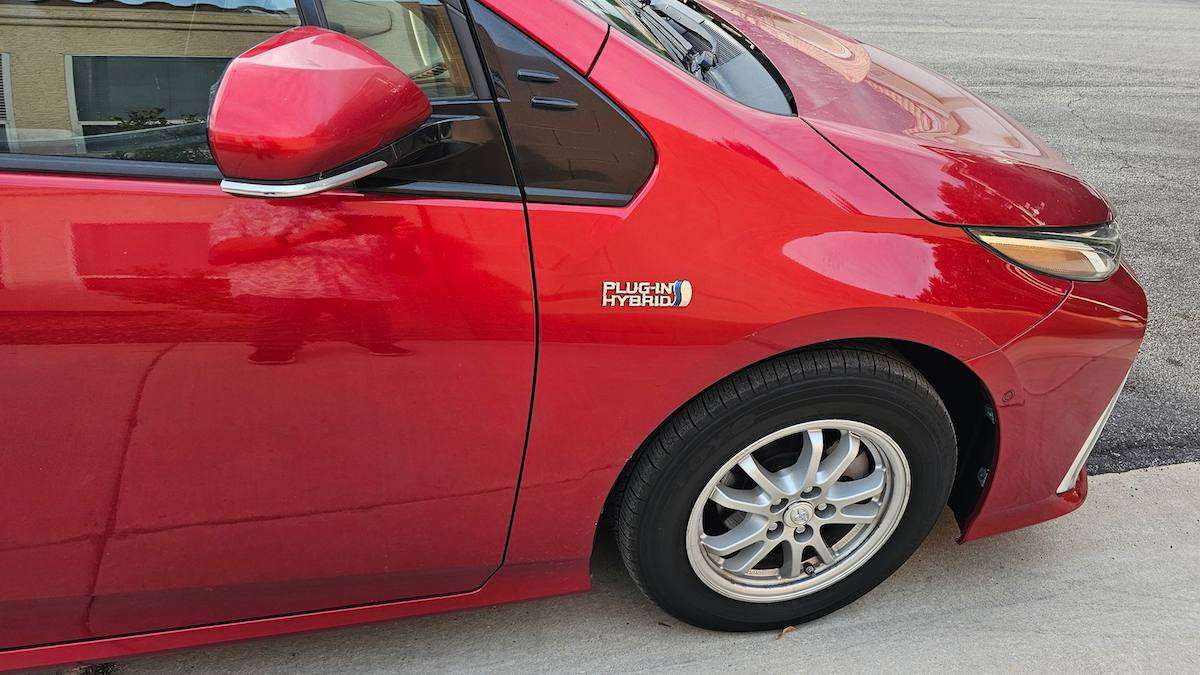

What one driver failed to realize is that those "useless" Prius 42 miles are the secret reason many Prime owners haven't had to stop for gas in months.
While researching the widespread confusion regarding vehicle electrification, I found a telling post by Jason Lara on the Toyota RAV4 discussion group that perfectly illustrates the problem. He questioned the utility of a 42-mile electric range, admitting he assumed hybrid owners "pretty much never had to buy gas again," highlighting a fundamental misunderstanding of the technology.
I have spent the last three decades involved in the automotive industry, witnessing the shift from carbureted V8s to the silent hum of electrification. Yet despite the massive marketing push, I still see significant confusion among buyers about how these technologies actually fit into their lives. A recent post caught my attention that perfectly encapsulates this misunderstanding.
Jason Lara on the Toyota RAV4 Discussion Group 2019-2025 - Gas + Hybrid + Prime Facebook page says, "My sister was given a Toyota Prius recently. An older one. She says it will get 35 miles on a 6-hour charge. I was like 'That's all? Why even have a hybrid then?"
It is a fair question if you look at the numbers in a vacuum.
If you are expecting a vehicle to replace gasoline entirely, 35 miles sounds paltry. However, the magic of a Plug-in Hybrid Electric Vehicle (PHEV) like the Prius Prime or RAV4 Prime is not in replacing the engine completely, but in optimizing it to near irrelevance for daily tasks.
Understanding The Three Levels of Electrification
To clear up the confusion, we have to define what we are driving. A standard Hybrid (HEV), like the regular Prius, never plugs in; it generates electricity from braking and the gas engine to boost MPG. A Battery Electric Vehicle (BEV) runs solely on electricity. The vehicles Jason is discussing are Plug-in Hybrids (PHEVs), which sit comfortably in the middle.
Jason continues his thought process: "I figured it was because it was older. But I looked up the RAV4's range, and it says 2025s get 42 miles per charge and 2026s get 52 miles per charge. What am I missing?"
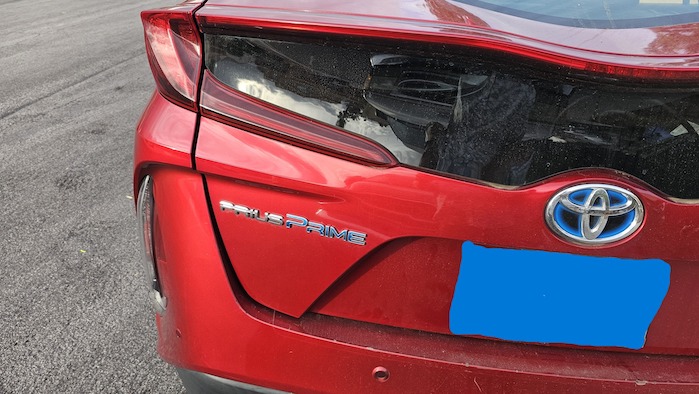
What is often missed is that the Toyota RAV4 Prime's electric range is designed to cover the average American's round-trip commute, which is roughly 32 miles. By covering that specific distance on electricity, you handle 90% of your driving with zero emissions, while still retaining a gas engine for weekend road trips without range anxiety.
In our report, Owners Report "Real World Toyota RAV4 Prime Electric Range – Wow, we detailed how owners are often exceeding these EPA estimates. Many drivers find that a 42-mile rated range often stretches to 50 miles in favorable weather, meaning the vehicle over-delivers on its promise, effectively allowing them to drive weeks without visiting a gas station.
The "Useless" Range Myth
Jason goes on to say, "I guess I thought electric/hybrid vehicles used a lot more electricity than fuel. Thirty-five miles is useless to me if I drive over 20 miles to work."
Here is where the math gets interesting. If you drive 20 miles to work (40 miles round trip) and your car offers 35 to 42 miles of electric range, you are not "useless." You are actually in the sweet spot. You might burn gas for the last 2 or 3 miles of your commute. That means instead of burning two gallons of gas a day, you are burning a teacup's worth.
We discussed the nuances of these powertrains in an article Tale of the Tape: 2021 Toyota RAV4 Prime vs RAV4 Hybrid, where we broke down why the Prime's ability to plug in makes it a superior choice for commuters who have access to an outlet. The difference between hybrid and plug-in hybrid powertrains is that the latter gives you the option to be an EV driver during the week and a hybrid driver on the weekend.
Why Have A Hybrid Then?
Jason's skepticism is rooted in a common belief: "I honestly thought those with these types of vehicles pretty much never had to buy gas again."
The reality is, many of them don't, at least not frequently. The benefits of plug-in hybrid electric vehicles lie in their versatility. You do not have to buy gas again for months if you stay within that electric bubble. But when you do need to drive 400 miles to see family, you can.
I recently highlighted a story that answers Jason's question perfectly in my report on the Prius, which addresses "Why even have a hybrid then?" Because you get the efficiency of an EV without the logistical headache of public charging infrastructure on long trips.
Looking To The Future
Jason mentioned looking up specs for newer models: "...it says 2025s get 42 miles per charge and 2026s get 52 miles per charge."
Toyota is indeed pushing the envelope. As battery technology improves, we are seeing incremental gains that make the Toyota Prius Prime's daily driving range even more practical for longer commutes. The goal is not necessarily to reach 300 miles of range, which requires a massive, heavy, and expensive battery, but to cover the 99th percentile of daily driving needs.
For those interested in what is coming next, I covered the rumors and facts in the 2025 Toyota RAV4 Prime: It took $600 in mods to make it stand out from all the other boring RAVs on the road. We expect the 2025 Toyota RAV4 Prime battery range to maintain its class-leading status, possibly edging higher as efficiency improves.
Key Takeaways
- PHEVs are meant for commutes, not cross-country EV driving: The 40-mile range covers the vast majority of daily American driving habits.
- Gasoline is a backup, not a primary fuel: For many Prime owners, the gas engine only turns on during aggressive acceleration or long highway trips.
- Efficiency is cumulative: Even if you drive 50 miles a day on a 42-mile charge, your MPG average will be in the triple digits because you are barely using gas.
- Flexibility is King: You avoid the "range anxiety" of a full EV while gaining the cheap operation of electric driving for city miles.
What RAV4 Prime Owners Are Saying
Owners who have lived with these vehicles often tell a different story than the spec sheet suggests.
On Reddit, user pnw_r4p shares their experience with the RAV4 Prime: "My R4P is the best car I've owned. I generally get 40-ish miles of range in the winter and 50-ish in the summer. It's enough for all my usual errands and driving around town."
Another owner on YouTube commented on the practicality, noting: "I think for most people this is unnecessarily complicated, but for now the Rav 4 Prime is an excellent family car, and it does its job really well."
Conclusion
Jason's confusion is understandable, but 35 or 42 miles of range is far from useless. It is a calculated number designed to eliminate gasoline usage for your daily grind while eliminating the fear of being stranded for your weekend adventures. It is the bridge between the past and the future, and for many drivers, it is the smartest financial decision they can make.
Tell Us What You Think
Does a 42-mile electric range cover your daily commute, or would you need more to make a Plug-in Hybrid worth the investment? If so, click the red Add New Comment link below and let us know.
I'm Denis Flierl, a Senior Torque News Reporter since 2012, bringing over 30 years of automotive expertise to every story. My career began with a consulting role for every major car brand, followed by years as a freelance journalist test-driving new vehicles, equipping me with a wealth of insider knowledge. I specialize in delivering the latest auto news, sharing compelling owner stories, and providing expert, up-to-date analysis to keep you fully informed.
Follow me on X @DenisFlierl, @WorldsCoolestRides, Facebook, Instagram and LinkedIn
Photo credit: Denis Flierl via Jason Lara
Set Torque News as Preferred Source on Google
Follow us today...







Comments
Our 23 model y gets 35 miles…
Permalink
Our 23 model y gets 35 miles per hour.