
The $12,000 F-150 Engine Gamble
In this investigative analysis, Senior Reporter Denis Flierl breaks down a high-stakes mechanical failure involving a 2020 Ford F-150 that suffered a catastrophic engine collapse at just 86,000 miles. Despite meticulous 4,000-mile oil change intervals and climate-controlled storage, the vehicle required a complete powertrain replacement. The investigation highlights a massive win for the consumer: a $4,200 Ford extended warranty covered the entire $12,000 repair bill, resulting in the installation of a brand-new, zero-mile crate engine rather than a remanufactured unit. This report serves as a critical case study for used truck buyers navigating the current reliability landscape of modern turbocharged powertrains.
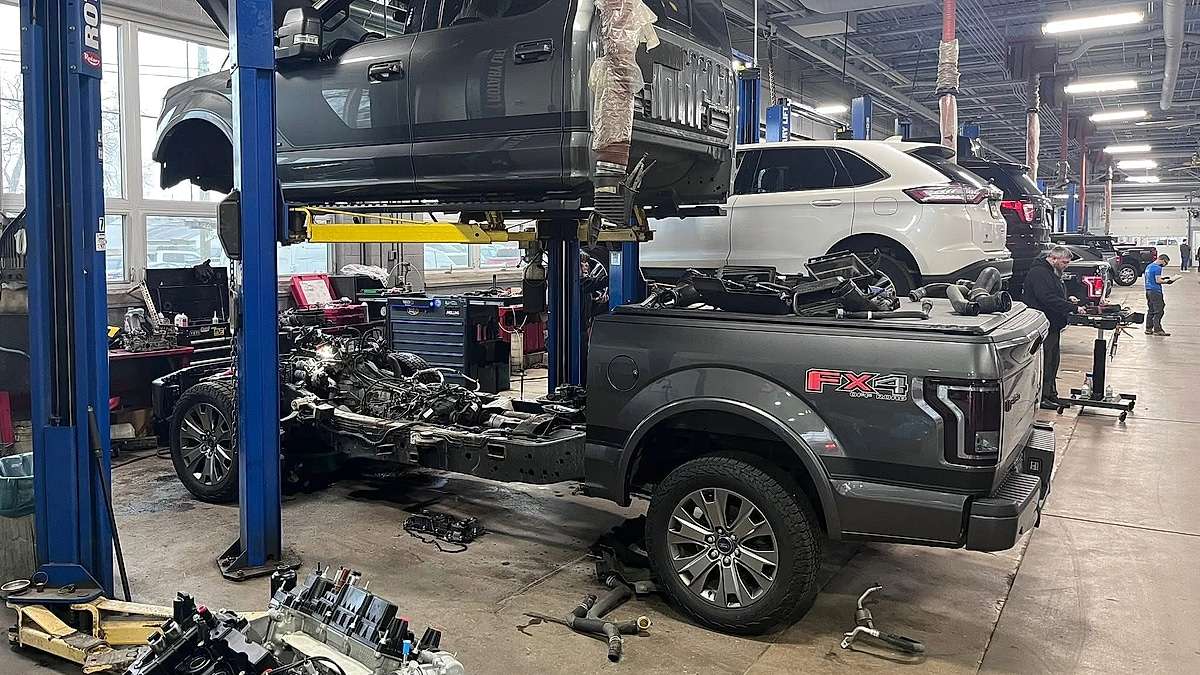
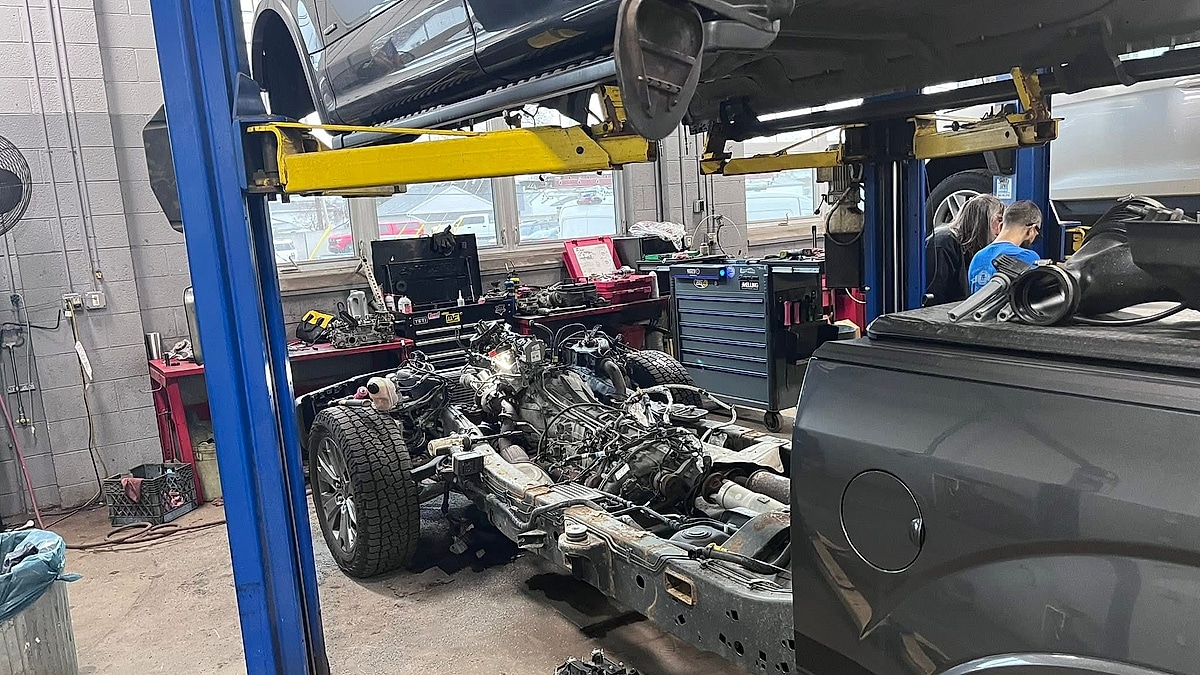
I have spent decades in the automotive trenches, and if there is one thing I know for certain, it is that a "clean" truck on the outside does not always mean a healthy heart under the hood. Recently, Kenneth Sylvester Jr. from Southeast Michigan shared a story on the Ford F-150 Owners Facebook page that perfectly illustrates why the modern pickup truck market has become a minefield for the unprepared. Kenneth’s 2020 Ford F-150, a truck he kept in a garage and maintained religiously with oil changes every 4,000 to 6,000 miles, suffered a complete engine failure at only 86,000 miles. Most owners would be looking at a $12,000 nightmare, but because Kenneth spent $4,200 on a Ford extended warranty, he walked away with a brand-new engine and zero out-of-pocket costs for the mechanical hardware.
We are seeing a trend where even the most disciplined maintenance schedules cannot overcome internal component fatigue in these high-output engines. Kenneth noted that after a month and a half in the shop, his truck is back with a motor that is not a remanufactured unit but a "brand new, fresh one with zero run time." He paid $4,200 for peace of mind, and that single repair saved him a staggering $7,800 in net savings. His advice to anyone buying a used truck is simple: pay the money for the extended warranty because it could save you a ton of money.
The Maintenance And Bulletproof Half-Ton Myth
When I look at Kenneth’s situation, the most alarming detail is the maintenance history. For decades, I have told my readers that frequent oil changes are the best insurance policy. Yet, here we have an owner who did everything right, changing the oil nearly twice as often as the manufacturer suggests. The reality of the 2020 model year F-150 is that technical complexities, ranging from cam phaser issues to oil consumption in the 5.0L Coyote and carbon buildup in the EcoBoost variants, have created a landscape where "well-maintained" is no longer a guarantee of longevity.
Expert analysis from Consumer Affairs confirms that these major engine overhauls are becoming more frequent as vehicles reach the 80,000- to 100,000-mile mark. In their deep dive into modern truck reliability, the organization noted that major engine problems, like the one Kenneth experienced, can be financially devastating for owners without coverage. Specifically, the report emphasizes that major engine issues "can cost between $5,000 and $15,000 to repair," as noted in their full reliability breakdown.
Why Zero Run Time Matters For Your Truck's Future Value
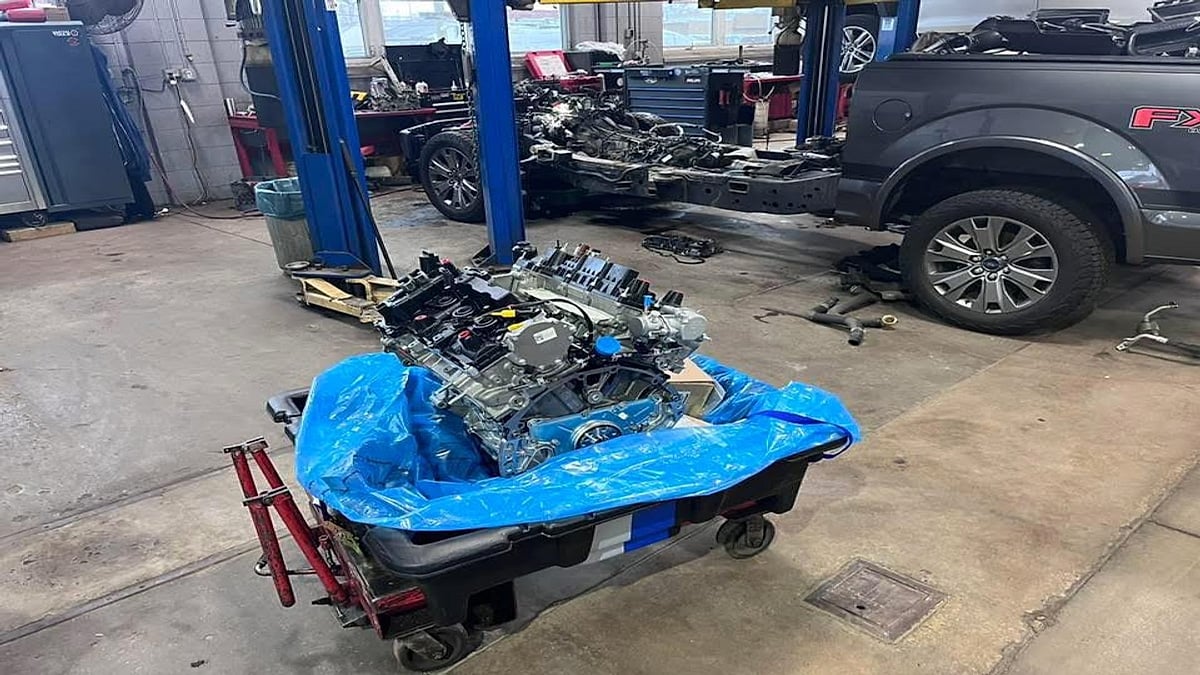
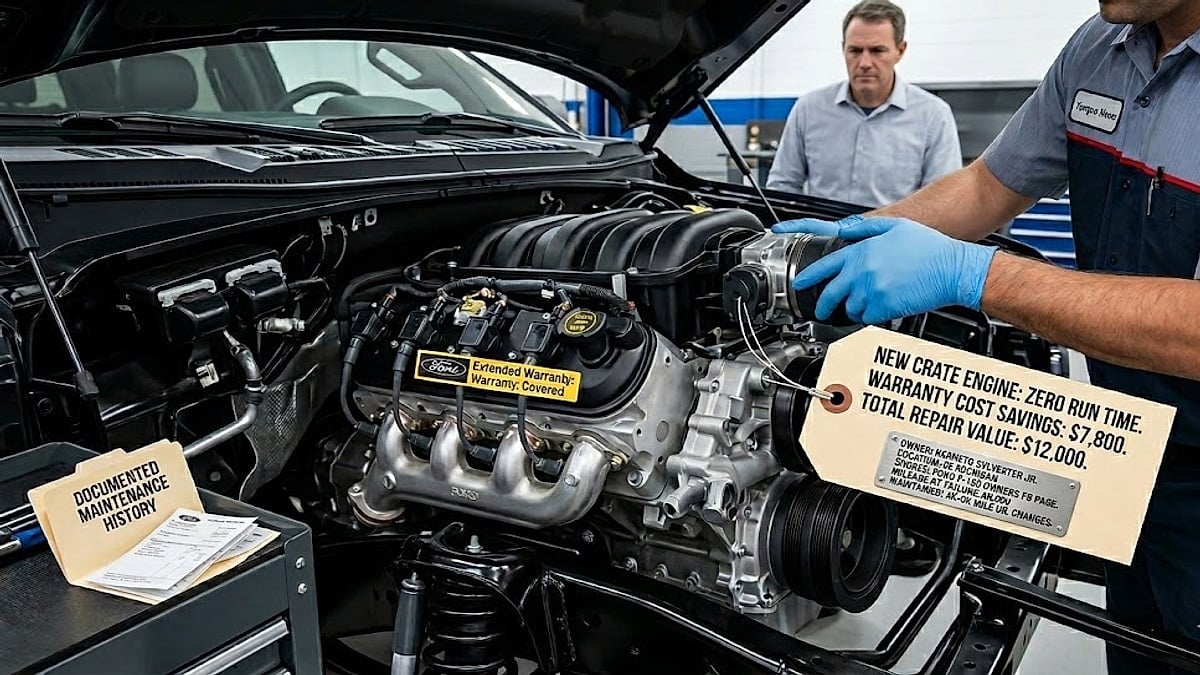
One aspect of Kenneth’s win that I want to highlight is the nature of the replacement engine. Often, warranty companies will push for a "reman" or remanufactured engine to save costs. These units are used engines that have been cleaned and fitted with new wear parts. However, Kenneth secured a brand-new crate engine. In my experience, the difference in resale value between a truck with a "remanufactured" engine and one with a "new" engine is thousands of dollars.
By getting a zero-hour motor, Kenneth essentially reset the clock on his 2020 F-150. He now has a six-year-old truck with a brand-new heart. This is what I want you to take away: when negotiating a warranty claim, always fight for the new assembly. This specific engine, as Kenneth mentioned, is "fully updated with all the latest parts available," meaning Ford has likely addressed the minor engineering flaws that caused the original 86,000-mile failure.
Investigative Insight Into Modern Ford Powertrain Fragility
We must look at the broader context of why these engines are failing prematurely. Investigative reporting by the team at CarComplaints indicates that the 2020 F-150 has been a focal point of owner frustration over powertrain durability. Their data shows that engine problems often peak around the 80,000-mile mark, which matches Kenneth’s experience exactly. One specific investigative report mentions that "engine failure is among the most severe problems reported by F-150 owners," often requiring a total replacement rather than a simple top-end fix, as detailed in their comprehensive database here.
From my two decades as an automotive journalist, I can tell you that the move toward lighter-weight oils and higher internal pressures for fuel economy has thinned the margin for error. Even if your frame is "black and clean" like Kenneth’s, the internal bearings and timing components are under more stress than ever before. If you are driving a 2018 through 2021 F-150, you are in the "red zone" for these types of mechanical failures.
Field Observations From Owner Communities
The sentiment Kenneth shares is echoed across the technical forums where the most honest data resides. I spent some time digging through recent owner discussions to see if his experience was an outlier or a new standard. In a recent technical discussion on r/f150, one owner detailed the stress of a similar failure, stating, "My 2020 5.0 just started knocking at 75k miles, and without the ESP (Extended Service Plan), I’d be looking at a $10k bill that I just can't afford right now," which you can read in the full discussion here.
Another owner highlighted the specific value of the Ford-backed warranty over third-party options, mentioning, "The rental car coverage alone while they swapped my block saved me $1,200 over three weeks," found in this Reddit thread.
My Analysis of Community Feedback
My analysis of these community reports is that the "Peace of Mind" factor has a quantifiable dollar value. When I see owners on Reddit debating the cost of a $4,000 warranty, they often overlook the "downtime cost." Kenneth was without his truck for a month and a half. If he had to pay for a rental out of pocket while also coming up with $12,000 for a motor, he might have been forced to sell the truck for scrap. My three decades of experience suggest that we are entering an era where the warranty is no longer an "extra," it is a core component of the vehicle's total cost of ownership.
Navigating The Politics Of Warranty Approvals
I want to offer you some advice if you find yourself in the service bay with a dead engine. Kenneth was successful because he had a documented maintenance history. Even though the oil changes didn't prevent the failure, they prevented the warranty company from denying the claim. I have seen countless claims denied because an owner could not produce a receipt for a single oil change from two years prior.
We must be diligent. Keep a physical folder in your glovebox. If you change your own oil, keep the receipts for the oil and filters, and take a photo of the odometer reading. Kenneth’s truck was "garage kept" and "well maintained," and that visual condition likely influenced the inspector who came out to authorize that $12,000 expenditure. A clean truck suggests a responsible owner, and in the world of warranty claims, perception is reality.
Should You Keep Or Sell After An Engine Replacement?
The very next logical question you might have is: "Now that I have a new engine, is the truck reliable, or should I trade it in before something else breaks?" The answer depends on the rest of the drivetrain. While Kenneth has a brand-new motor, his transmission, transfer case, and differentials still have 86,000 miles of wear. In the 2020 F-150, the 10R80 10-speed automatic transmission is also a known weak point. My expert recommendation is to check if your extended warranty also covers the transmission for the next 40,000 miles. If it does, keep the truck and enjoy the "free" engine. If your warranty is about to expire, now is the perfect time to trade the vehicle while it has a "zero-mile" engine as a selling point.
My Final Take On The High Cost Of Modern Ownership
We are living in an era where the mechanical complexity of our trucks has outpaced the reliability of the components. Kenneth’s story is a triumphant one, but it is also a warning. A $12,000 repair on a truck with less than 100,000 miles should not be the norm, yet the data suggests it is becoming a common reality. I believe every used-truck buyer should factor in a $4,000 warranty as a non-negotiable item in their budget. It is the difference between a minor inconvenience and a financial catastrophe that could take years to recover from.
The Strategic Value Of Protecting Your Automotive Investment
The lesson here is that being a "lucky" owner is actually about being a prepared owner. Kenneth was not lucky by accident; he was lucky because he made a calculated financial decision when he bought the truck. As a senior reporter who has seen the evolution of the F-Series for 30 years, I can tell you that the trucks are more capable than ever, but also more fragile. Protect yourself, document your maintenance, and never underestimate the value of a factory-backed extended warranty.
How About You? Have you ever had an extended warranty save your skin, or did you pass on the coverage and regret it when the repair bill arrived? Tell Us What You Think in the comments section below! Please leave a comment in the red Add new comment link below.
About The Author
Denis Flierl is a 14-year Senior Reporter at Torque News and a member of the Rocky Mountain Automotive Press (RMAP) with 30+ years of industry experience. Based in Parker, Colorado, Denis leverages the Rockies' high-altitude terrain as a rigorous testing ground to provide "boots-on-the-ground" analysis for readers across the Rocky Mountain region, California EV corridors, the Northeast, Texas truck markets, and Midwest agricultural zones. A former professional test driver and consultant for Ford, GM, Ram, Toyota, and Tesla, he delivers data-backed insights on reliability and market shifts. Denis cuts through the noise to provide national audiences with the real-world reporting today’s landscape demands. Connect with Denis: Find him on LinkedIn, X @DenisFlierl, @WorldsCoolestRides, Facebook, and Instagram.
Photo credit: Denis Flierl via Kenneth Sylvester Jr.
Set Torque News as Preferred Source on Google
Follow us today...