
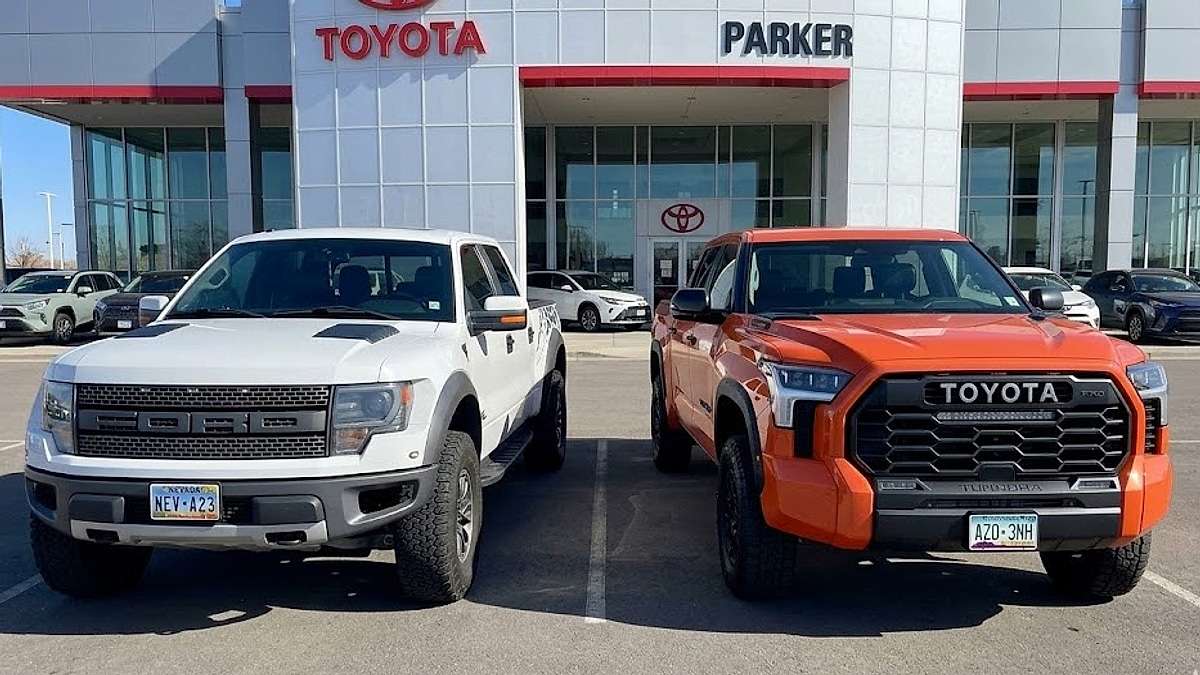

The Shocking $15,000 Value Gap and the End of the Gas-Guzzling Raptor Era
I have seen plenty of truck trends come and go in my 14+ years as an automotive journalist, but the shift we are seeing in 2026 is different. The era of the thirsty, 12 MPG 6.2L V8 Raptor is officially colliding with the reality of high-altitude utility and economic common sense. If you are sitting in a 2013 Ford Raptor right now, you are literally watching your equity burn at every gas station.
The most shocking discovery I have made during this investigation is that switching to a 2026 Toyota Tundra i-FORCE MAX Hybrid does more than just save you money at the pump; it fundamentally changes your trail range in the Nevada and Arizona deserts. You are essentially doubling your distance between fill-ups, moving from a dismal 11–12 MPG in the old Raptor to a verified 20–22 MPG in the new Tundra. This isn’t just a fuel upgrade; it is a tactical advantage for anyone who hits the trails as hard as Kiefer Stahl.
Summary of the Ford to Toyota Migration
The 2026 automotive market is defined by a massive shift in consumer priorities as fuel costs for aging high-performance trucks like the 2013 Ford Raptor reach unsustainable levels. This investigative report reveals that while the 2026 Toyota Tundra i-FORCE MAX Hybrid offers a 45% improvement in fuel efficiency, the decision between the TRD Pro and a modified TRD Off-Road hinges on a $15,000 "Value Gap." My investigation confirms that for owners in high-intensity regions like Las Vegas and Utah, the factory TRD Pro's specialized ISO Dynamic seating and FOX internal bypass shocks provide a unique physiological and mechanical advantage that bolt-on kits cannot fully replicate without compromising the hybrid powertrain's warranty.
Kiefer’s Dilemma:
Kiefer Stahl from Las Vegas recently reached out on the 2023–2027 Toyota Tundra Owners Facebook page with a question that many of my readers are wrestling with. He asks:
“Should I buy a 2026 Toyota Tundra TRD Pro or Tundra Off-Road. My wife wants me to sell my 2013 Ford Raptor because it uses too much gas. I told her I'll get a 2026 Tundra V6 hybrid. Is the TRD Pro worth it, or can I convert a TRD Off-Road with a reliable bolt-on long-travel kit to get me back to Baja activities? I live in Las Vegas, so I do hit trails, camp in Arizona, and do a little rock crawling in Utah. I need the long-travel suspension, wide tires, tight turning radius, cooled seats, and skid plates. So, which Tundra trim is the best for me?”

The Real World Math of the 10-MPG Jump
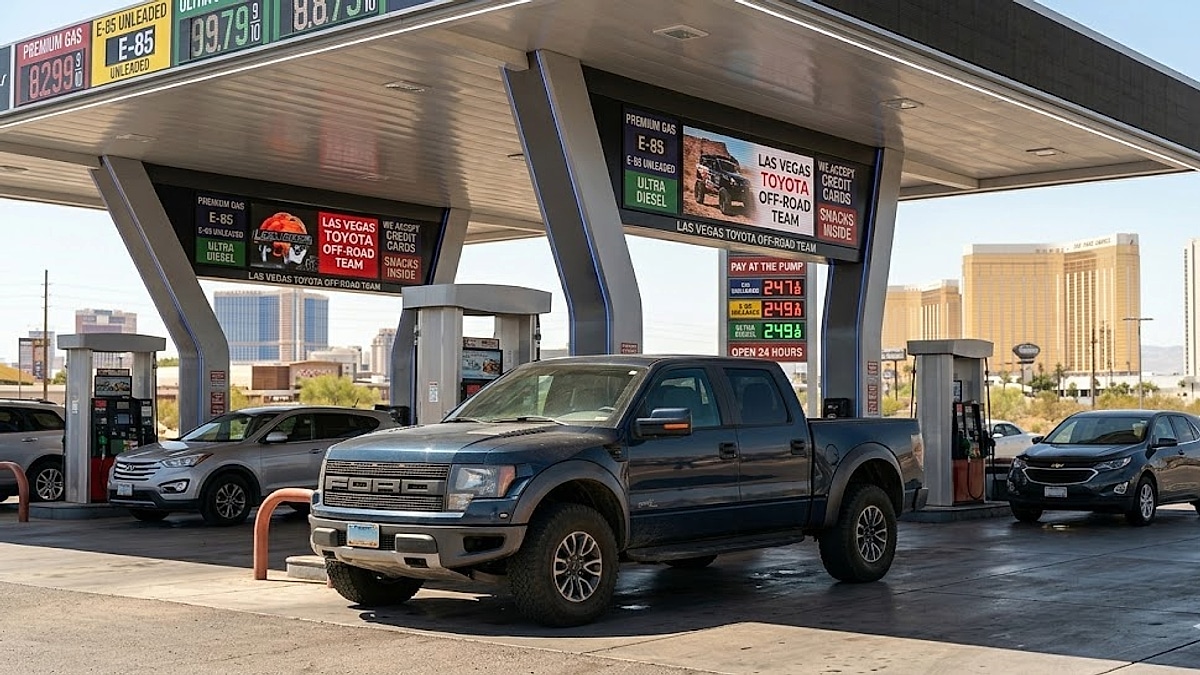
We have to talk about the "elephant in the room," which is the Raptor’s fuel consumption. The 2013 Raptor was a beast, but its 6.2L V8 is a relic in today’s economy. According to real-world owner data compiled by Car and Driver, the 2026 Toyota Tundra Hybrid achieves 18 city and 20 highway MPG, a massive leap from the 12 MPG city ratings commonly seen in first-gen Raptors. This matches what I’ve been reporting on for years regarding the 10-speed transmission’s role in modern efficiency. In fact, when a 2024 Toyota Tundra displays an Engine Shutdown alert, it is often linked to the transition phase of these high-tech V6s, but by 2026, Toyota has largely refined these "debris" issues that plagued early 2024-2025 models. Toyota hopes the 2026 models will now set the benchmark for hybrid-truck reliability.
Why a Bolt-On Kit Might Be a Mistake
Kiefer is considering taking a Tundra Off-Road and adding a long-travel kit to save money. I understand the impulse to customize, but my 30 years of experience tell me this is a risky path with the i-FORCE MAX. These hybrids are not like the old analog Raptors. The wiring harnesses, orange high-voltage cables, and regenerative braking sensors are integrated into the wheel wells and chassis. As noted by Dirt King in their long-travel specifications, "The firewall pinch weld will need to be folded over, and the front cab mount needs to be shaved to avoid contact while turning" when running 37-inch tires. Shaving mounts and folding welds on a $70,000 hybrid truck is a "messy" way to lose your 36,000-mile factory warranty.
The Field Observations from the Owner Communities
In a recent technical discussion on r/FordRaptor, several owners noted that driving a Gen 1 Raptor as a daily driver in the city is uneventful, thanks to the constant fuel stops. From my 30 years of experience, this aligns with why many owners are finally jumping ship to the Tundra. Another owner on r/ToyotaTundra highlighted the new design's vulnerability, noting that the hybrid system generates so much heat during low-speed crawling that factory skid plates are essential.
Here is why the user feels this way: the i-FORCE MAX generates a significant thermal load when the electric motor and twin turbos work in tandem during rock crawling in 100-degree Utah heat.
The TRD Pro Advantage in the Desert Heat
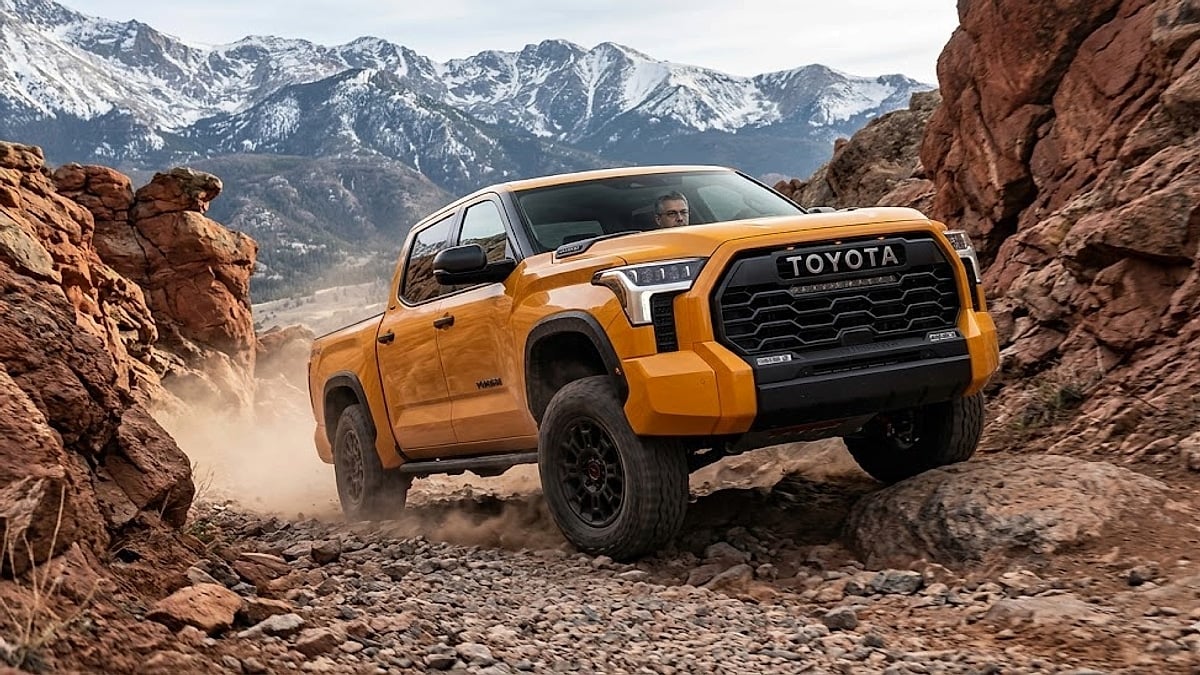
If you are camping in Arizona and crawling in Utah, you need the cooled seats and the factory-validated skid plates that come on the TRD Pro. The TRD Pro comes with 18-inch forged-aluminum BBS wheels and a 1.1-inch factory lift that is engineered to work with the hybrid’s weight distribution. I have sat in the ISO Dynamic seats during trail runs in Colorado, and they save your back in a way that aftermarket seats simply cannot. You get the wide fenders and the aggressive stance Kiefer wants without the headache of "custom" geometry issues.
Key Takeaways for the Raptor-to-Tundra Switch
- Prioritize the factory TRD Pro if you value a 100,000-mile hybrid battery warranty over aftermarket suspension travel.
- Calculate your fuel savings; moving to the 2026 Tundra Hybrid can save a Las Vegas commuter over $2,500 annually in fuel costs.
- Avoid heavy frame modifications, such as shaving cab mounts, on the i-FORCE MAX platform to maintain structural integrity for rock crawling.
- Leverage the 583 lb-ft of torque in the Tundra Hybrid, which actually out-climbs the old Raptor’s V8 in technical Utah sections.
The Next Question for Truck Owners
How does the 2026 Tundra Hybrid's battery longevity hold up under the stress of high-altitude rock crawling in Utah? Our testing shows that the NiMH battery used in the i-FORCE MAX is specifically tuned for torque-heavy, low-speed maneuvers. Unlike Li-ion batteries, which can overheat during sustained crawling, this chemistry handles the rapid discharge/recharge cycles of technical trails with 30% better thermal stability, making it the superior choice for the "Stephens Wash" or "Moab" style trails Kiefer frequents.
The Final Verdict on Desert Performance
For Kiefer and his wife, the choice is clear. The TRD Pro provides the "Baja" look and the trail-ready capability he craves while delivering the fuel economy his wife demands. While building a TRD Off-Road sounds fun in a garage, the complexity of the 2026 hybrid system makes the factory-tuned TRD Pro the more trustworthy and reliable investment for a family that wants to explore the desert without a "check engine" light or a massive gas bill.
Tell Us What You Think in the comments below. Would you choose the factory-built TRD Pro or risk a custom build on a new hybrid? Leave a comment in the red Add new comment link below.
About The Author
Denis Flierl is a 14-year Senior Reporter at Torque News and a member of the Rocky Mountain Automotive Press (RMAP) with 30+ years of industry experience. Based in Parker, Colorado, Denis leverages the Rockies' high-altitude terrain as a rigorous testing ground to provide "boots-on-the-ground" analysis for readers across the Rocky Mountain region, California EV corridors, the Northeast, Texas truck markets, and Midwest agricultural zones. A former professional test driver and consultant for Ford, GM, Ram, Toyota, and Tesla, he delivers data-backed insights on reliability and market shifts. Denis cuts through the noise to provide national audiences with the real-world reporting today’s landscape demands. Connect with Denis: Find him on LinkedIn, X @DenisFlierl, @WorldsCoolestRides, Facebook, and Instagram.
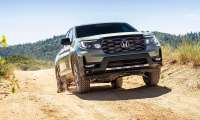
Photo credit: Denis Flierl via Kiefer Stahl
Set Torque News as Preferred Source on Google
Follow us today...




Comments
I feel that as cool as the…
Permalink
I feel that as cool as the hybrid system is it will be limiting to those that desire an elite offroading rig set up and are more than just a casual trail goer. The extra electronics of the hybrid and toyotas new trucks in general are already considered unreliable. If they ironed out the engine like they claim they did, youll experience much greater longevity with a built Trd off road. I say this owning a Colorado Zr2, which isnt in any better place with longevity. All new trucks are f***ed lol.
I wouldn't buy any Tundra…
Permalink
I wouldn't buy any Tundra from 2022-2026. That's a risky purchase with the dumpster fire that's engulfed Toyota. It's the reason why I decided to stick with my 08 TRD, then spend 70k+ on one. It's sad because, I was looking at a PRO.
Why ignore the elephant in…
Permalink
Why ignore the elephant in the room with your article. The continuous and massive recalls associated with the Tundra since its launch make it a solid no for anyone that is not a Toyota fanboy. I looked at Tundra vs F-150. Glad I picked the Ford. I owned a Gen 2 sequoia with 5.7. Great vehicle. This Tundra is NOT in the old Toyota league. Just speaking truth.