
This week in Boston, commuters were reminded of the challenges that electric vehicle fires pose for firefighters. A 2024 Chevrolet Equinox battery electric vehicle reportedly struck an object in the roadway that caused the vehicle to catch fire. News reports say that a Massachusetts State Trooper who arrived on the scene quickly rushed to use a fire extinguisher to slow the small fire that had initially resulted. That fire would eventually cause a massive delay for drivers. It took many fire vehicles and many hours to make safe.
Here is part of what the Equinox EV driver told local news media:
I didn't have enough time to react or swerve safely. It was a pretty harrowing experience, I would say, because there were multiple vehicles passing by as well. So I didn't have the opportunity to exit the vehicle right away. But you know, thankfully, people caught on to the fact that the car was on fire, and a few minutes later, I was able to get out of the vehicle. I think I'm just very lucky to be fairly unscathed today. It was terrifying, you know, I think at the moment you don't realize the amount of danger you're in. We're just grateful that we're safe, everyone is safe.
Boston Fire Department District Chief Robert Counihan offered comments that help shed some light on why electric vehicle fires are different from conventionally-powered vehicle fires to NBC10. Here is a summary of his overview:
A regular car fire you can put out in like five to ten minutes…but electric vehicle fires are a totally different animal…Electric vehicle fires are always a difficult operation. It's a battery…You can put it out and the battery will still hold a charge, and it will keep on firing, and it will reignite….We're still learning about electric vehicle fires as they become more prevalent. No one really has a great way of putting them out.
Chief Counihan also offered some insight on why expressway fires can sometimes be tricky to manage, saying, "When it's on the highway, there’s no hydrants to be found," Counihan said. "The engines only carry about two to three minutes of water in them, so you go through the water pretty quick on an electric vehicle fire when you’re trying to put it out."
The driver, Brian, said to NBC 10, “I’m very apologetic for the traffic fiasco I caused this morning.” It’s not Brian’s fault. Multiple other vehicles that were not electric also struck the same object and it did not cause any other fires in those conventional vehicles.
The reason this happens is well known to any EV designer. Tesla vehicles had similar fires when the Model S debuted about twelve years ago. The batteries for most EVs are under the floor. They are super heavy, often weighing over 1,000 pounds. Designers place the batteries low to help lower the car’s center of gravity, which improves handling compared to having the batteries higher up. However, that puts them at risk of being damaged by debris strikes and terrain impacts.
Tesla modified the Model S design to include shields for its battery pack. These were helpful in reducing the problem, and it satisfied a NHTSA probe into the vehicle's design. However, as we see from this newly introduced model, the general EV design flaw still exists and can still result in fires under adverse circumstances.
Our take is that this is an isolated event. Chevrolet makes some of the best electric vehicles on the market today. The Equinox EV is a big hit for GM, affordably priced, and the third-best-selling EV in America today. We’re confident that Chevy’s design team will analyze this incident to determine if the Equinox requires any additional protection for its battery pack. Our guess is that it does not. After all, the driver was able to exit and also to assist an elderly passenger without being harmed by the fire. He even waited for passing traffic to allow for a safe exit.
All vehicles have pluses and minuses. As of now, EVs are not more prone to vehicle fires, but the fires that do sometimes happen are very different from the fires in conventional cars, as the Boston Fire Chief pointed out. Luckily, this incident happened in open air and firefighters were able to tap into a local fire hydrant on an adjacent street. If this car fire had happened inside one of the Big Dig’s many narrow two-lane tunnels, the situation may have been much more difficult for emergency crews to handle.
Do you think that electric vehicle fires are a cause for special concern, or will this issue eventually be manageable?
Click the red Add New Comment link below and share your thoughts with us.
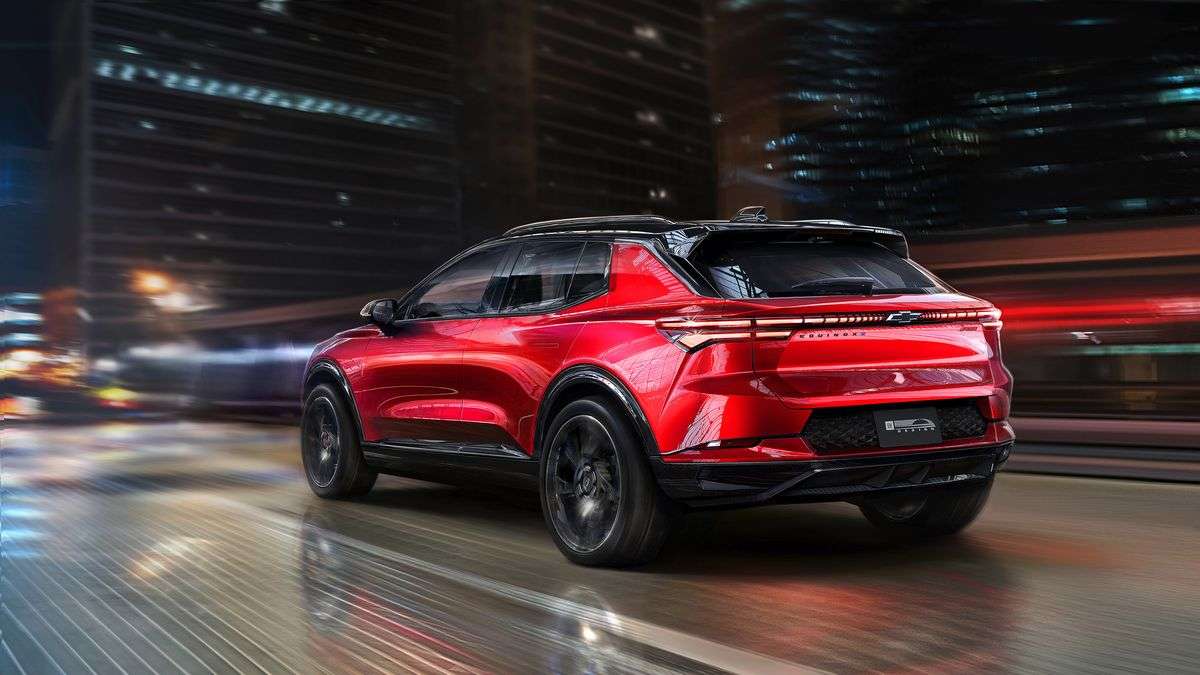
Image note: Torque News has used a media image from GM rather than an image of the Equinox EV on fire in order not to sensationalize this story. If you wish to see images and video of the fire, simply click any of the links in the story.
John Goreham is a long-standing member of the New England Motor Press Association and an expert vehicle tester. John completed an engineering program with a focus on electric vehicles, followed by two decades of work in high-tech, biopharma, and the automotive supply chain before becoming a news contributor. He is a member of the Society of Automotive Engineers (SAE int). In addition to his eleven years of work at Torque News, John has published thousands of articles and reviews at American news outlets. He is known for offering unfiltered opinions on vehicle topics. You can connect with John on LinkedIn and follow his work on his personal X channel or on our X channel. Please note that stories carrying John's by-line are never AI-generated, but he does employ grammar and punctuation software when proofreading and he also uses image generation tools.
Set Torque News as Preferred Source on Google
Follow us today...