

Let me tell you a quick story that starts with something simple, a routine oil change, and ends with a question many truck owners wrestle with: Who should you really trust to work on your vehicle?
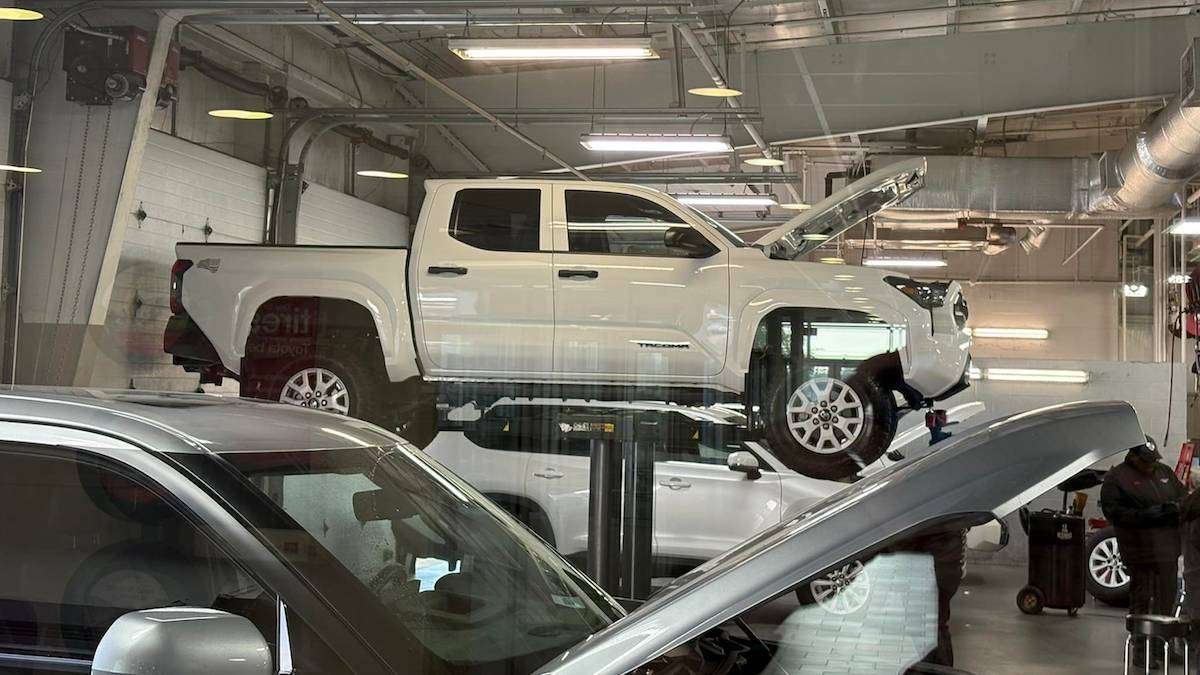
Three hours before I started writing this, Howard Loggins, a member of the “2016 Thru 2023 Toyota Tacoma Owners” Facebook group, shared an experience that caught my attention. Howard brought his Toyota Tacoma to the dealership for an oil change. Basic service. In and out, right?
Not exactly.
The lube tech came out and told him they couldn’t remove the oil filter housing because it had been tightened too much during the previous service. The only way to get it off was to break it.
And here’s the twist: the dealership admitted it. They didn’t hide it. They fixed it. No extra charge.
Howard wrote, “Just got done getting oil change for my Toyota Tacoma at the dealer. Lube tech came out and told me that someone tightened the housing to tight last time. He couldn’t get it lose and had to break it off. You know they are the only people that have worked on the truck. Thought’s on this? At least they didn’t hide it. I would have never known it happens. No extra charge for fixing it.”
Now, that sounds simple. But the comments that followed? That’s where it gets interesting.
The Toyota Tacoma Oil Filter Housing Issue: Tightened Too Much Or Something Else?
If you own a 2016–2023 Toyota Tacoma, you already know the truck uses a cartridge-style oil filter with a plastic oil filter cap. And that design has sparked debate for years.
One commenter, James Mullane, said, “Can't be mad at honesty. As long as they fix it no harm.”
Fair point.
But then James Buentello, who says he works at a shop, chimed in with something more technical:
“They all get stuck. It’s not really a tightening issue. The issue is the vacuum pressure that builds up over time and gets those oil filter caps stuck. Then they used a plastic cap at that. Next time you go for service, tell them you want the updated metal oil filter cap.”
Now we’re getting somewhere.
If you’ve ever tried removing a Toyota cartridge-style oil filter housing that hasn’t been serviced in a while, you know it can feel welded on. But here’s the key distinction:
- Over-torquing can cause damage.
- Vacuum pressure and heat cycles can make removal difficult even when torqued correctly.
- Plastic housings are more prone to rounding off or cracking under stress.
That’s why some Tacoma owners are switching to the updated aluminum oil filter housing. Noah Magnifico put it simply: “Buy the aluminum housing and have them put it in on the next visit. Well worth the $45 upgrade.”
And that’s advice worth considering.
In one Tacoma owner’s experience, a seemingly simple first oil change on a 2018 Tacoma led to an unexpected hissing noise and a no‑start condition, underscoring how even basic service can have surprising consequences.
Why the Aluminum Oil Filter Cap Might Be a Smart Upgrade
Let’s slow this down for a second and talk practically.
The plastic oil filter housing on many Tacoma models works fine until it doesn’t. Repeated heat cycles, oil exposure, and technician error can weaken it over time. If a tech uses the wrong tool or over-tightens it, you can end up in Howard’s situation.
The aluminum housing:
- Handles torque better
- Resists cracking
- Is less likely to round off during removal
- Provides peace of mind during future oil changes
For about $45, as Noah pointed out, it’s a low-cost insurance policy.
If you plan to keep your Tacoma long-term - and many Tacoma owners do - this is one of those small preventive upgrades that can prevent unexpected headaches later.
But the bigger story here isn’t just about a plastic cap.
It’s about trust.
The Dealership Trust Issue May Be an Honest Mistake or Pattern of Problems
Howard’s dealership admitted what happened and fixed it at no charge. That transparency matters. In a world where service departments sometimes get labeled as unlikeable or profit-driven, honesty counts.
But not everyone in the comments shared the same calm perspective.
Taylor Nicole wrote:
“I haven't taken my truck to the dealership since I bought it unless it was something I knew the dealer would do for free. They were honest, but it's always something with them and I don't trust them for a minute.”
One owner shared the frustration of waiting nearly four hours for a dealer oil change only to discover they hadn’t actually completed the service, a reminder that long wait times don’t always guarantee quality work.
And then came Dave Beam’s story, and this one is hard to ignore.
He described five dealer visits:
- 7k miles: Axle recall visit resulted in a dented hood.
- 10k miles: Oil overfilled by 2 inches above the dipstick mark.
- 15k miles: Wheels scratched and center caps damaged during tire rotation.
- Previous truck: Drain bolt snapped off in the oil pan during service.
He concluded that he has had more issues with dealer work than with any other service provider.
That’s not a minor complaint. Overfilling engine oil can cause foaming, increased crankcase pressure, and long-term wear. Snapping a drain bolt? That’s a costly mistake.
Then Mike Beats added:
“I stopped taking mine to dealer. It was something every time. Their main job is to find things for the customer to pay to fix! Find you a good independent mechanic and take there.”
Another Tacoma owner reported a massive oil spill immediately after a 10K mile dealer service on a 2024 Tacoma, highlighting that even dealer‑performed maintenance can sometimes result in messy outcomes.
Now we’re deep in the age-old debate: Dealership service vs independent mechanic.
Dealership vs Independent Mechanic: Which Is Better for Your Tacoma?
Let’s break this down like we’re talking in the garage.
Why some people prefer dealerships:
- Factory-trained technicians
- Access to Toyota-specific tools and technical bulletins
- Warranty coverage protection
- OEM parts
Why others prefer independent shops:
- Often lower labor rates
- More direct relationship with the mechanic
- Less pressure to upsell
- Flexibility in parts choices
But here’s the thing people don’t always say out loud: both can mess up.
Dealership techs are often entry-level lube technicians handling oil changes. Independent shops may vary widely in skill and oversight. The logo on the building doesn’t guarantee perfection.
The real differentiator?
Accountability.
Howard’s dealer admitted the issue and corrected it without charging him. That matters.
If something goes wrong, what you want is transparency, not excuses.
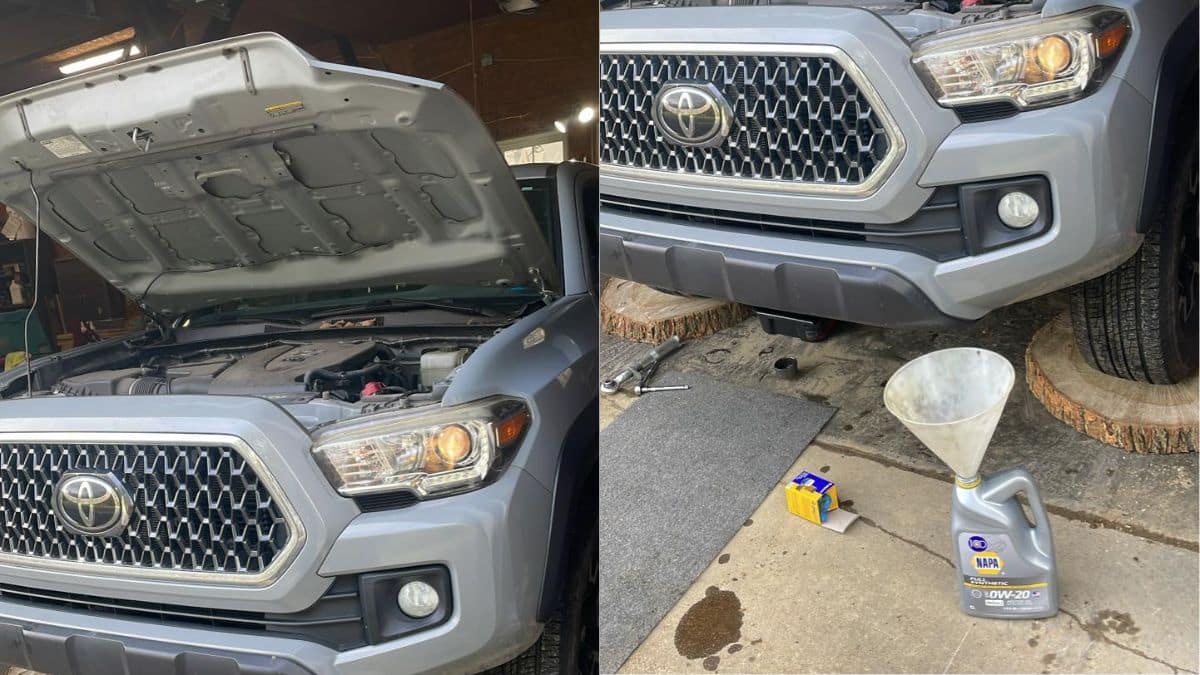
Some owners stick to a 3,500‑mile oil change schedule regardless of Toyota’s longer interval recommendation, which sparks debate about OEM service intervals versus owner peace of mind.
Dealership's Transparency Builds Long-Term Trust
Here’s where I want to shift this from mechanics to mindset.
Howard’s situation could have turned into something worse. The dealership could have replaced the housing quietly and said nothing. Instead, they told him exactly what happened.
That honesty softened what could have been an unlikeable situation.
In life, and in automotive service, mistakes happen. What defines a person or a business isn’t the absence of error. It’s how they respond when something goes wrong.
If you own a Toyota Tacoma, a Silverado, a Ford F-150, or any vehicle, the moral is simple:
- Don’t assume perfection.
- Don’t assume bad intent either.
- Ask questions calmly.
- Document your service history.
- Upgrade weak components when practical.
And most importantly, build relationships - not just transactions - with the people servicing your vehicle.
When you treat service advisors and mechanics with respect, you often get respect back. Not always. But often.
That makes you a better decision maker. A more informed owner. And someone who doesn’t react out of emotion alone.
If the Dealer Was the Only One Touching the Truck, How Did This Happen?
Here’s where the story shifts from a simple oil change mishap to something that deserves a closer look. If the Toyota dealership was the only place servicing Howard’s Tacoma, then the over-tightened oil filter housing didn’t happen randomly. It likely happened during a prior visit. That raises a fair question: what internal safeguards are in place to prevent something as basic as improper torque during routine maintenance? Oil filter housings have torque specs. Toyota publishes them. The tools exist. So where’s the disconnect?
In my experience covering dealership service departments, the issue isn’t always negligence, it’s volume and process. Many oil changes are handled by entry-level lube technicians working under time pressure, often flat-rate pay. Quality control may involve a quick visual check by a senior tech, but not every bolt gets re-verified with a torque wrench. That doesn’t excuse the mistake. It explains how something small can slip through. If dealers want long-term trust, transparency isn’t enough. There needs to be visible accountability and consistent process control, especially on routine jobs that customers assume are foolproof.
Quick Q&A: What Toyota Tacoma Owners Are Probably Wondering
Q1: Is the plastic oil filter housing a known Toyota Tacoma design issue?
Toyota has used plastic cartridge-style oil filter housings on many models for years, and they generally perform well when torqued correctly. However, enough owners have reported cracking or removal difficulty that Toyota has updated the design in some applications with metal housings.
Q2: Could an over-tightened oil filter housing cause long-term engine damage?
In most cases, no. The damage is usually limited to the housing itself. The real risk occurs if threads are stripped or if the O-ring is compromised and causes an oil leak that goes unnoticed.
Q3: Should owners check their oil level after every dealer service?
Yes. It takes less than two minutes and can catch overfill or underfill issues immediately. Even at reputable shops, human error can happen.
Q4: Will using an independent mechanic void my Toyota warranty?
Under the Magnuson-Moss Warranty Act, you can use an independent shop without voiding your warranty. Just keep detailed service records and ensure OEM-spec parts and fluids are used.
Q5: Is this really a dealership problem, or a lube tech training issue?
Often, it’s a training and workflow issue rather than a brand-wide failure. High-volume quick-service environments increase the chance of small but costly mistakes.
Q6: Should Tacoma owners proactively replace the plastic housing with aluminum?
If you plan long-term ownership, the aluminum upgrade is inexpensive insurance. If your housing has never shown issues, it’s optional but worth considering at your next oil change.
Q7: How common is oil overfill at dealerships?
It’s not rare across the industry, especially in high-throughput service lanes. Overfill usually results from rushing or misreading refill capacity charts.
Q8: Is this kind of service issue unique to Toyota dealerships?
No. Similar stories surface from Ford, Chevrolet, Honda, and nearly every major brand. The pattern reflects industry-wide service pressures more than one manufacturer alone.
Obviously, This Story Isn’t About an Oil Filter
It’s about something bigger.
A simple oil change revealed the tension between trust and skepticism in the automotive world. Some owners defend transparency. Others are tired of recurring issues. Both perspectives are valid.
But the goal isn’t to become cynical.
The goal is to become informed.
Howard asked, “Thought’s on this?”
So now I’ll ask you.
Have you experienced problems with dealership oil changes, or have they treated you fairly when something went wrong?
And if you own a Toyota Tacoma, have you upgraded to the aluminum oil filter housing, or are you still running the factory plastic cap?
Share your experience in the comments below. Your story might help the next truck owner make a better decision.
Set Torque News as Preferred Source on Google
Follow us today...







Comments
Just another reason why the…
Permalink
Just another reason why the previous generation of Tacomas is so much more superior than the new ones.
Totally agreed, 2nd Gen…
Permalink
In reply to Just another reason why the… by C (not verified)
Totally agreed, 2nd Gen Tacomas are far superior than new ones!!!
If you need the dealership…
Permalink
If you need the dealership to change your oil, you probably need your wife or your girlfriend to change your panties also.
I am willing to bet whoever was trying to take that filter housing off. Probably forgot to remove the retaining clip and didn't know which direction is loose.
Have you always been a…
Permalink
In reply to If you need the dealership… by R garcia (not verified)
Have you always been a douche bag or did you learn? I've been working on cars professionally for 40 years I've never said anything so stupid as that.
Be careful with the aluminum…
Permalink
Be careful with the aluminum housings. They have a spring loaded cartridge in the center. There's a toyota mechanic channel and the showed how when that spring fails it doesnt lift the filter up into place. They had a 4runner with engine failure because of this filter cup
Never let anyone change my…
Permalink
Never let anyone change my oil on my 08 Tacoma v6. A lot to be said for good ole spin-on filters. Also fill with oil before installing it so engine gets fresh oil as soon as I hit the key.
If you fill the filter with…
Permalink
In reply to Never let anyone change my… by Charles Daniel… (not verified)
If you fill the filter with oil before putting it on doesn’t it spill out when you tip it upside down to install it on the filter housing? I’ve got an 09 TRD and that’s exactly what would happen. BTW, I’ve been changing my own oil every 7000 kilometers with Mobil 1 full syn and a Mobil 1 filter since the day I drove it off the lot. Zero issues!
I am a parts manager for a…
Permalink
I am a parts manager for a Toyota dealership, and to the best of my almost 11 years of working there, I know of only one variant of that cap in metal as a factory part, though I don't remember exactly what vehicle it was designed for. I believe it was a Scion model and I it required modification to work on the customer's 4Runner. All other metal ones are aftermarket and while the MMA will not outright void your warranty, it does allow for voiding the portion that is affected by said non-OEM part, so that if that cap fails and causes the engine to seize, your engine would not be covered by the factory warranty like it would with a factory cap.
The filter housing wasn't…
Permalink
The filter housing wasn't stuck LOL the filter itself was you need to get that right. They only remove the filter not the filter and housing unit. It's an N1 filter for that tacoma, fairly common to have them over tightned by a lube tech you just grab an oil filter wrench with teeth, poke a hole in it to drain the fluid and reduce pressure then remove it. If they couldn't do it then they couldve grabbed a certified tech
My father was a registered…
Permalink
My father was a registered mechanic.
Showed me at 16 years old 50 years ago cartridge oil changes: Take them off with wrench - tighten by hand!
I never had a problem! Off or On!
You have the right to repair…
Permalink
You have the right to repair.
I have had warranty work done at 3 different dealerships. First dealer left the wire harness off the door key pad.(ford f150).grease all in the interior. The second replaced the oil pan 2 twice and it leak even worse before I brought it in. In the end its who is working on it. Plus they dont pay the mechanic well on warranty work.
Yes I’ve had a problem …
Permalink
Yes I’ve had a problem getting my 1st oil change on my new Camaro at my dealer picked it up found mechanic spilled oil on car and under hood also left greasy finger prints in interior .i called them next day all they offered to do was speak to the technician lol !