
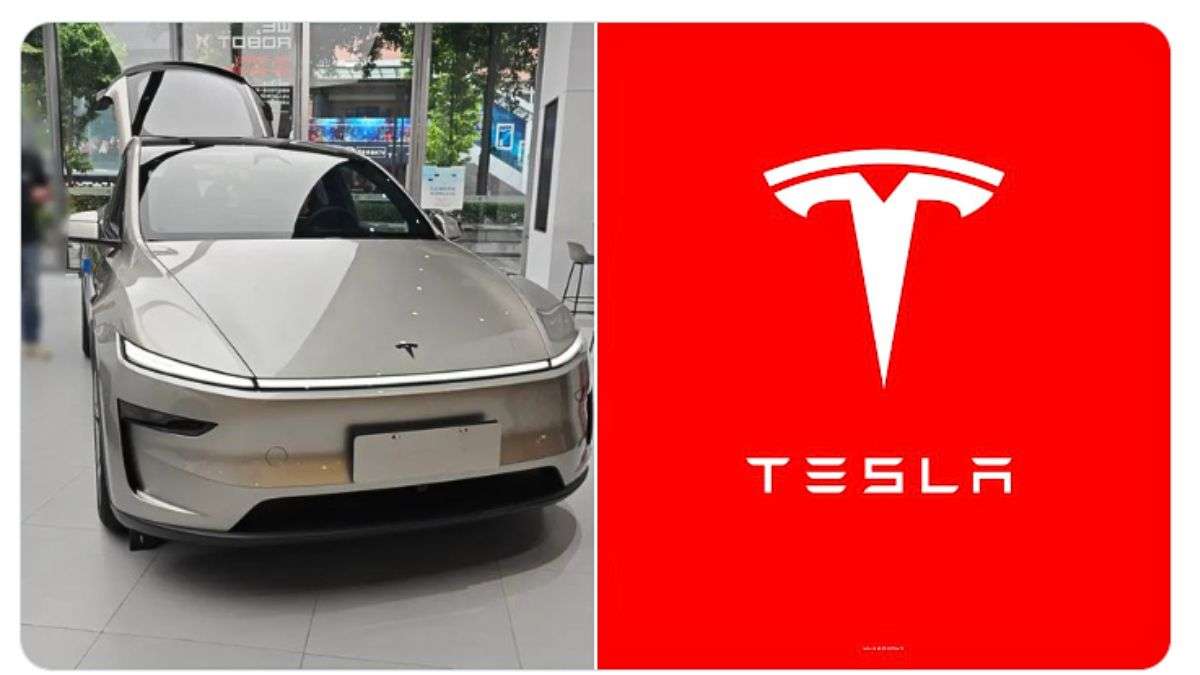

Hey there, EV enthusiasts and curious readers! If you’ve been keeping an eye on the electric vehicle scene, you’ve probably seen the buzz around Tesla’s latest offering: the six-seat Model Y L. Launched in China on August 19, 2025, with deliveries kicking off early September, this new variant has already shaken things up. According to a recent post from @muskonomy on X, this family-friendly model helped Tesla’s Shanghai factory hit a new yearly high of 90,812 vehicle deliveries in September: a solid 2.8% jump from the same period last year. Priced at 339,000 yuan (around $47,700 USD), it’s a hefty 30% more than the base Model Y, yet it’s driving demand like crazy, with September retail sales for the Model Y climbing 6.16% year-over-year to 51,173 units. That’s a big deal in a market as cutthroat as China’s EV landscape!
🚨NEWS: Tesla’s six-seat Model Y L helped boost Shanghai factory deliveries to a new yearly high.
The model, priced at 339,000 yuan about 30% higher than the base version drove strong September demand. pic.twitter.com/dhri01ziZM— Muskonomy (@muskonomy) October 14, 2025
But here’s where it gets interesting: while Tesla’s total Shanghai deliveries through September reached 606,364 units (down 10.3% year-over-year), this six-seat variant is a bright spot amid growing competition from heavyweights like BYD. So, what does this mean for Tesla, its rivals, and even you as a potential EV buyer? Let’s dive into the news and explore the potential consequences - some exciting, some challenging - that could ripple through the industry. Whether you’re searching for “Tesla Model Y L review,” “EV market trends 2025,” or “Tesla China sales impact,” this article’s got you covered with a conversational take on what’s next.
The Scoop: What’s Driving the Model Y L Success?
First off, let’s break down why this six-seat Model Y L is turning heads. With its 2+2+2 seating configuration - think two front seats, a middle row, and a third row for the kids or extra cargo space - it’s clearly targeting families who want the sleek Tesla experience without sacrificing practicality. The timing couldn’t be better, as China’s middle class continues to grow, and more households are looking for spacious, tech-packed EVs. The Shanghai factory, Tesla’s global production powerhouse, ramped up to meet this demand, and the numbers speak for themselves: 90,812 vehicles delivered in September alone, outpacing August’s 83,192 by 9.2%.
The price tag, though? That’s where things get spicy. At 339,000 yuan, it’s a premium play, and Tesla’s betting big that Chinese car-buyers will shell out for the added luxury and space. So far, it’s working. Those 51,173 Model Y sales in September show the strategy’s paying off. But as we’ll see, this success could have a domino effect on the broader EV market. If you’re wondering “Is the Tesla Model Y L worth it?” or “How will Tesla compete in 2025?,” stick around as we’re about to unpack the fallout.
Consequence #1: A Wake-Up Call for Competitors
Let’s start with the obvious: Tesla’s move is putting pressure on its rivals. Companies like BYD, Li Auto, and NIO have been gaining ground in China, where Tesla’s market share in the battery-only EV segment slipped from 11.7% in 2023 to 10.4% in 2024. The Model Y L’s success could force these players to rethink their game plans. Imagine BYD rolling out a cheaper six-seat rival or Li Auto doubling down on its family-oriented EVs. Suddenly, the competition heats up, and we might see a price war brewing.
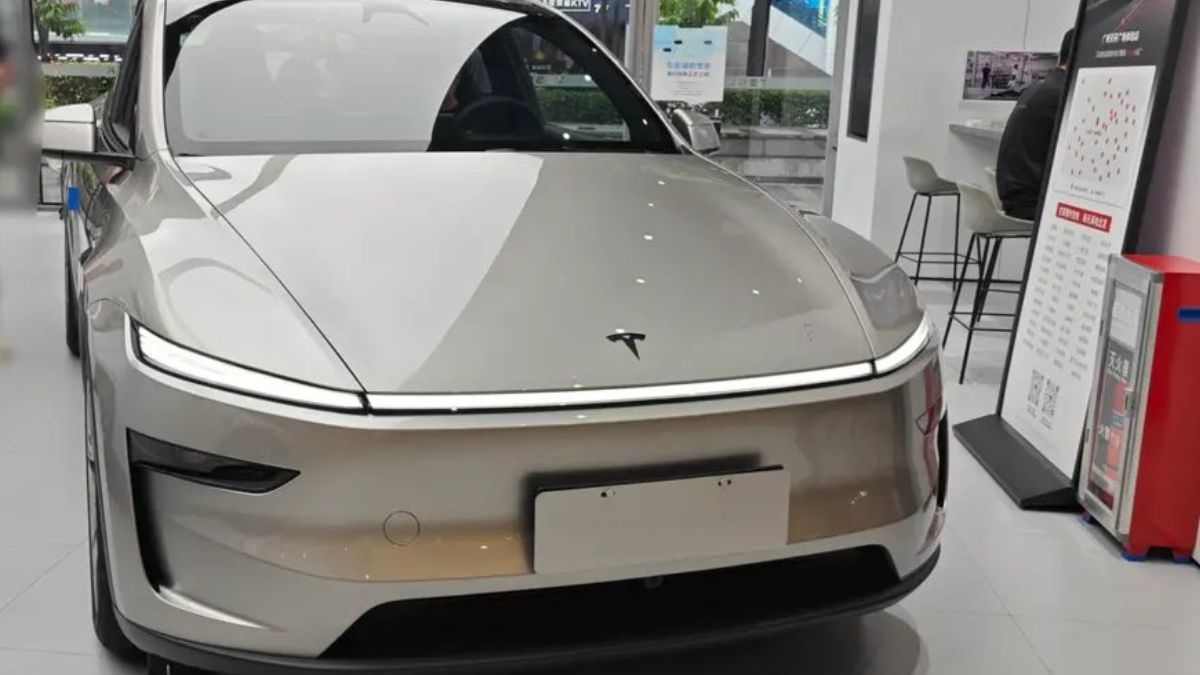
For you as a car buyer, this could be a win. Lower prices or better features might hit the market sooner than expected, especially if Tesla’s rivals scramble to keep up. But here’s the flip side: if margins get squeezed, some brands might cut corners on quality or innovation, which could affect long-term reliability. Keep an eye on “EV price wars 2025” or “Tesla vs. BYD competition” headlines. Those will give you a clue about how this plays out. Tesla’s bold pricing might just light a fire under the industry, for better or worse.
Consequence #2: Supply Chain Stress Test
Now, let’s talk about the factory floor. That 2.8% year-over-year increase in Shanghai deliveries sounds great, but it’s putting Tesla’s production muscle to the test. The Shanghai Gigafactory, with a capacity of over 750,000 vehicles per year, is already Tesla’s largest production hub. A sudden surge in demand for the Model Y L could strain supply chains, especially if component shortages - like those pesky semiconductor issues from years past - rear their heads again.
What does this mean for you? If you’re eyeing a Model Y L, delays could be on the horizon, particularly as Tesla pushes toward year-end targets. Quality control might take a hit too. Tesla's rushed production can lead to glitches or recalls, something Tesla’s faced before. On the plus side, if Tesla nails this scaling act, it could set a new standard for EV manufacturing efficiency. Search “Tesla Shanghai production updates” or “EV supply chain 2025” to stay in the loop. Those updates will reveal how well Tesla juggles this growth spurt.
Consequence #3: A Shift in Car-Buyer Preferences
Here’s where it gets fun: the Model Y L’s success might signal a broader shift in what EV buyers want. That six-seat layout is a hit with families, and if other automakers follow suit, we could see a wave of multi-seat EVs flooding the market. Think of it like the SUV boom of the early 2000s. Once one brand proves the concept, everyone jumps in. This could leave single-seat or smaller EVs like the Model 3 or Nissan Leaf looking less appealing to the average buyer.
For you, this might mean more options if you need extra space, but it could also drive up prices across the board as manufacturers invest in redesigns. If you’re into “family EV trends 2025” or “best multi-seat electric cars,” you’ll want to watch how this evolves. Tesla’s gamble could redefine the EV market, pushing practicality over pure performance, and that’s a conversation worth having at your next car-shopping trip!
Consequence #4: Profitability on a Tightrope
Let’s zoom in on that 30% price premium. The Model Y L’s higher cost is a double-edged sword. On one hand, it boosts Tesla’s revenue per vehicle, which is music to investors’ ears, especially as overall Shanghai deliveries are down 10.3% year-over-year. On the other hand, if demand softens (say, due to economic slowdowns or competitor moves), Tesla might need to offer discounts or incentives, eating into those profits.
This tightrope act could influence Tesla’s global strategy, too. With sales dipping in Europe and the U.S., China’s success is a lifeline, but over-relying on a premium model risks alienating price-sensitive buyers. For you, this might mean waiting for deals if the Model Y L’s popularity wanes, or seeing Tesla pivot to a lower-cost variant (rumors suggest one’s in the works for 2025). Check “Tesla profitability 2025” or “Model Y L pricing strategy” for the latest scoops. Those will hint at Tesla’s next chess move.
Consequence #5: Global Ambitions Under the Spotlight
Finally, let’s think big picture. The Model Y L’s triumph in China could accelerate Tesla’s plans to roll it out globally, as some X users like @ATro83807529 have clamored for. Producing it in Europe and North America (as hinted by Reuters) might diversify Tesla’s revenue streams, but it also raises the stakes. Success in China doesn’t guarantee the same reception elsewhere, especially with local brands like Xpeng expanding into markets like the UK.
For you as a global reader, this could mean more Tesla options near you, but also stiffer competition as Chinese EVs go international. Keep tabs on “Tesla global expansion 2025” or “Model Y L worldwide release” to see where this lands. Tesla’s balancing act between regional wins and global dominance will be a story to watch, and it all starts with this Shanghai success.
What’s Next? Your Take Matters!
So, there you have it: a deep dive into the Model Y L’s impact and the consequences that could shape the EV world. From sparking a competitor scramble to testing Tesla’s supply chain and shifting buyer preferences, this is more than just a new car. It’s a catalyst. Whether you’re a Tesla fan, a rival supporter, or just curious about “EV market predictions 2025,” the next few months will be telling.
What do you think? Will Tesla’s bold move pay off, or will it stumble under the weight of its own ambition? Drop your thoughts in the comments, or better yet, share this with a friend who’s into “Tesla news 2025” or “EV industry trends.” Let’s keep the conversation rolling as we see how this unfolds!
Armen Hareyan is the founder and Editor-in-Chief of Torque News. He founded TorqueNews.com in 2010, which since then has been publishing expert news and analysis about the automotive industry. He can be reached at Torque News Twitter, Facebook, Linkedin, and Youtube. He has more than a decade of expertise in the automotive industry with a special interest in Tesla and electric vehicles.
Images are screenshots from the tweet by Musconomy, referred to above.
Set Torque News as Preferred Source on Google
Follow us today...




Comments
Oh yes. Mask in China has a…
Permalink
Oh yes. Mask in China has a different cloud and not like other car makers. China is not a "free market". Mask is a "King Maker" Sharing his technology which he always verbally admitted. Chinese remember "good" and make sure this tech giant is there for good. I wouldn't be surprise the command came from above he needs to sell his cars.
Yet year on year market…
Permalink
Yet year on year market share is down by 7.5% so they are really not doing that well.